
الدليل الشامل لآلات صناعة الطوب الصلب: الأنواع، المزايا، وكيفية الاختيار
مقدمة
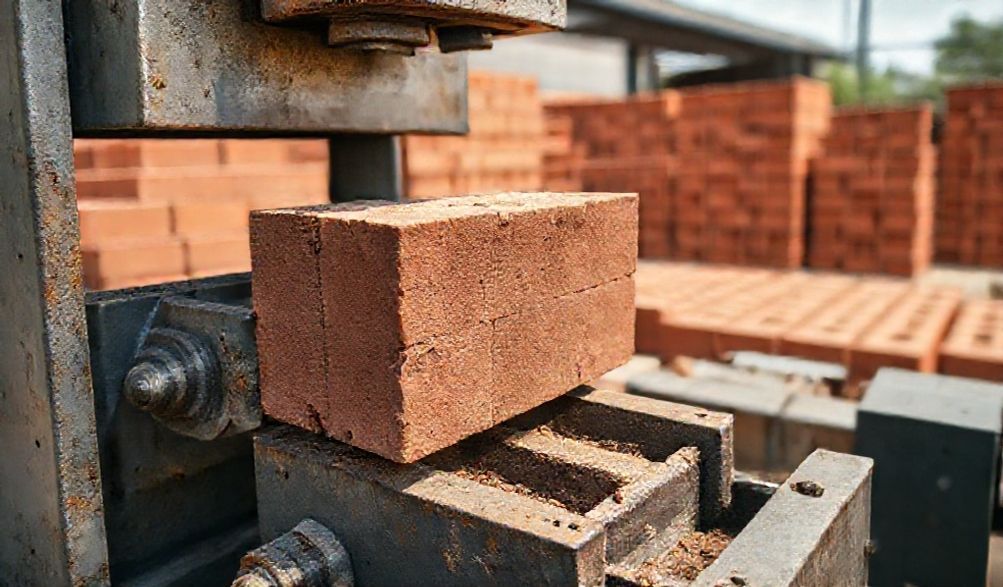
هل تعلم أنه يتم إنتاج أكثر من 1.5 تريليون طوبة على مستوى العالم كل عام، لتشكل العمود الفقري الحقيقي لبيئتنا المبنية؟ بالنسبة للمقاولين والبنائين ورجال الأعمال، فإن طريقة الإنتاج تشهد تحولاً. بدلاً من الاعتماد على العمالة اليدوية غير الموثوقة أو الطوب المُشترَى باهظ الثمن، يكمن الحل الحديث في الاستثمار في قدرتك الإنتاجية الخاصة. تم تصميم هذا الدليل الشامل ليكون مصدرك النهائي حولآلة صنع الطوب الصلبقطعة معدات محورية للبناء الفعال والمتين والمربح.
هدفنا ليس بيع علامة تجارية محددة، بل تسليحك بمعرفة محايدة ومفصلة. هذه الرؤى مجمَّعة من المواصفات التقنية، وبيانات الشركات المصنعة المباشرة، وعقود من الخبرة التشغيلية المتراكمة في الميدان. سواء كنت تقيم مشروعًا صغيرًا النطاق أو مصنعًا صناعيًا كبيرًا، سيساعدك هذا الدليل على فهم التكنولوجيا، وموازنة خياراتك، واتخاذ قرار استثماري استراتيجي يعظم عائد استثمارك (ROI) من خلال الكفاءة الفائقة وقوة المنتج.
ما هي آلة صنع الطوب الصلب؟ تعريف التكنولوجيا الأساسية
في جوهره، آلة صنع الطوب الصلب هي جهاز يُمكّن ويُؤتمت عملية تشكيل المواد الخام الرطبة - عادةً خليط من التربة والطين والأسمنت أو الرماد المتطاير - إلى طوب صلب كثيف ومتجانس عبر الضغط العالي.
على عكس الطوب المجوف أو المثقب، لا يحتوي الطوب الصلب على تجاويف، مما ينتج عنه كتلة عالية من قوة التحمل والكتلة، مما يجعله مثالياً للجدران الحاملة والأساسات والأرصفة.
المبدأ الأساسي: من المادة الخام إلى الطابوق النهائي
العملية هي تطور متطور لصناعة الطوب القديمة، تتمحور حول الضغط.
- التغذية:يتم تحميل خليط المواد الخام في قادوس الآلة.
- القياس والتشكيل:يتم تغذية كمية مقاسة من المادة في تجويف القالب (القوالب) ذات الأبعاد الدقيقة.
- الضغط:يُطبق المكبس الهيدروليكي أو الميكانيكي ضغطاً هائلاً—غالباً ما يتراوح بين 20 إلى 150+ طناً—لضغط المادة، مما يزيل الجيوب الهوائية ويربط الجسيمات.
- طرد:يتم دفع الطوب المضغوط حديث التشكيل خارج القالب، وهو مستقر بما يكفي للتعامل معه.
- التداويثم يتم تكديس الطوب وتركه ليتصلب، حيث يكتسب قوته النهائية من خلال التجفيف أو التصلب الكيميائي.
المكونات الأساسية للآلة القياسية
فهم الأجزاء الرئيسية يُزيل الغموض عن الآلة.
* هوبر:وعاء الاحتفاظ بتغذية المواد الخام.
* نظام التغذيةينقل المواد من القادوس إلى القالب، غالبًا باستخدام بريمة أو ناقل.
* القالب (القوالب):المكون الأساسي الذي يحدد شكل وحجم الطوبة. وهو قابل للتبديل في العديد من النماذج.
* نظام الضغطوحدة الطاقة، وتتكون عادةً من مضخة هيدروليكية، وأسطوانات، ومكبس يوفر قوة الضغط.
* آلية القذفلوحة أو نظام يدفع الطوبة النهائية خارج القالب.
* نظام التحكمتتراوح من الروافع البسيطة إلى لوحات متحكمات المنطق القابلة للبرمجة (PLC) المتقدمة للأتمتة.
أنواع آلات صناعة الطوب الصلب: إيجاد الأنسب
اختيار النوع الصحيح هو قرارك الحاسم الأول. السوق يلبي كل نطاق من العمليات.
آلات صنع الطوب اليدوية
هذه مكابس تعمل بالطاقة البشرية وتُشغل بالرافعة.
* العملية:يقوم المشغل بملء القالب يدوياً ويستخدم ذراعاً يدوياً لتطبيق الضغط.
* حالات الاستخدام المثالية: Very small-scale projects, community initiatives, or locations with no electricity. Extremely low capital cost.
* محدوديات: Labor-intensive, very low output (200-500 bricks per day), inconsistent quality dependent on operator strength, and physically demanding.
آلات صنع الطوب شبه الأوتوماتيكية
تقدم هذه الفئة أفضل توازن للعديد من المؤسسات الصغيرة والمتوسطة.
* العملية: Mechanized compaction (usually electric or diesel-powered) handles the pressing, but material feeding and brick removal are manual. Some feature automatic material feeding.
* حالات الاستخدام المثالية: Medium-scale production for housing projects, small brick-making yards. Offers a significant jump in output and consistency over manual methods without the complexity of full automation.
* Output Range: Typically 1,500 to 6,000 bricks per 8-hour shift.
آلات صناعة الطوب الأوتوماتيكية بالكامل
These are industrial-grade production lines.
* العملية: Fully integrated systems with automatic material feeding, compaction, brick ejection, stacking, and palletizing. Controlled by PLCs.
* حالات الاستخدام المثالية: Large-scale commercial brick manufacturing plants, major infrastructure projects requiring massive, consistent output.
* الميزات الرئيسية: High output (10,000 to 50,000+ bricks daily), minimal manual labor, superior consistency, and often include integrated mixers and conveyor systems.
Stationary vs. Mobile Brick Plants
- النباتات الثابتة: Fixed installations, typically for high-volume, permanent production facilities. They are heavy-duty, allow for optimized workflow, and are often fully automatic.
- Mobile Plants: Mounted on trailers, these machines bring production directly to the construction site. This eliminates brick transportation costs, a significant saving. Ideal for large, remote projects like dams, roads, or rural housing developments.
Key Advantages of Using a Solid Brick Making Machine
Investing in this technology delivers tangible, multifaceted benefits.
Unmatched Product Strength and Durability
The high-pressure compaction creates a brick with exceptional density.
* High Compression Force: Machines produce bricks with consistent compressive strength, often exceeding 7-10 MPa or more, meeting and surpassing standard construction codes.
* Consistent Density: Uniform compaction means no weak spots, leading to bricks with excellent weather resistance, low water absorption, and long structural life.
Superior Production Efficiency and Output
Mechanization multiplies your production capacity.
* Output Comparison: A single semi-automatic machine can outperform 20-30 skilled manual laborers in a day, with far less physical strain and variability.
* السرعة Cycle times can be as low as 10-20 seconds per brick, enabling rapid project completion.
تخفيض كبير في التكاليف على المدى الطويل
While requiring upfront capital, the long-term savings are substantial.
* Raw Material Optimization: Precise measurement and high pressure mean less material waste and the ability to use locally sourced, lower-cost soils (often stabilized with a small amount of cement).
* توفير تكاليف العمالة: One or two operators can manage output that would require a large manual team, drastically cutting recurring wage expenses.
* Transport Savings (for mobile units): Producing bricks on-site slashes logistics costs, which can be a major project expenditure.
Consistency and Customization
- أبعاد موحدة: Every brick is identical, simplifying bricklaying, reducing mortar use, and creating a cleaner final appearance.
- Flexible Molds: By changing the mold, you can produce different sizes of solid bricks, and even paving stones, kerbstones, or interlocking blocks with many machines, adding product line versatility.
عوامل حاسمة يجب مراعاتها قبل الشراء
This is where expert, tailored advice is crucial. Don’t just buy a machine; invest in a solution for your specific context.
تقييم متطلبات الإنتاج
Ask yourself:
* What is my required daily or monthly brick output?
* Is this for a single project or ongoing commercial sales?
* What type of construction are the bricks for (e.g., residential, commercial, paving)?
Raw Material Analysis: Soil, Clay, and Mix Proportions
The machine must match your material. This is a non-negotiable expertise point.
* Conduct a soil test. The ideal mix has a balance of clay (for binding), silt, and sand (for stability).
* Many machines can work with laterite soil, clay, or fly ash, often stabilized with 5-10% cement.
* نصيحة احترافية: Send a sample of your local soil to a reputable manufacturer. They can test it and recommend the right machine settings and mix formula.
مصدر الطاقة: كهربائي، ديزل، أم هجين؟
- كهربائي Cleaner, quieter, and lower operating cost where grid power is stable and available.
- ديزل Essential for sites without reliable electricity. Offers high torque and mobility.
- هجين: Offers flexibility to switch between power sources, providing valuable backup.
الغوص العميق في مواصفات الآلة
Look beyond the brochure. Understand these terms:
* وقت الدورة: Time to produce one brick. Faster cycles mean higher output.
* الضغط (الطناج): The compaction force. Higher tonnage (e.g., 50 tons vs. 20 tons) generally produces stronger, denser bricks from a wider variety of materials.
* تعدد استخدامات القوالب: Can you easily change molds? Are additional mold sizes readily available from the supplier?
* جودة التصنيع: Inspect the thickness of steel plates, the quality of hydraulic seals, and the robustness of the frame.
الدعم ما بعد البيع: العامل الحاسم بين النجاح والفشل
A machine is a long-term asset. Support is paramount.
* الضمان: What is covered and for how long?
* توفر قطع الغيار Are common wear parts (seals, molds, hydraulic hoses) readily available locally or via quick shipping?
* Technical Service: Does the supplier offer installation, training, and troubleshooting support? Can they provide remote assistance?
Operational Best Practices and Maintenance
Proper care ensures longevity and consistent output, reflecting practical experience.
Daily Operation Checklist for Optimal Performance
- Check and tighten all bolts and nuts.
- Lubricate all moving parts as per the manual.
- Ensure the hydraulic oil level is adequate and clean.
- Inspect the raw material for proper moisture content (usually 8-12%) and remove large debris.
- Clean the mold and hopper at the end of the shift.
Essential Routine Maintenance Schedule
- Weekly: Check hydraulic system for leaks, clean filters.
- Monthly: Inspect the mold for wear, check electrical connections.
- Annually: Change hydraulic oil and filters, perform a comprehensive machine inspection.
Troubleshooting Common Issues
- Bricks Cracking: Usually caused by incorrect moisture content (too dry), excessive pressure, or improper mix design.
- Poor Ejection/Sticking: Often due to a worn mold, insufficient release agent, or overly wet material.
- Uneven Density: Can result from uneven material feeding or a worn compaction ram. Check the feed system and pressure settings.
Solid Brick Making Machine vs. Alternative Technologies
Comparison with Hollow Brick Machines
- الطوب الصلب: Higher compressive strength and mass. Used for load-bearing walls, foundations, retaining walls, and pavements. Use more raw material per unit.
- الطوب المجوف Lighter weight, provide better thermal and acoustic insulation due to air cavities. Use less material, reducing cost and weight. Typically used for partition walls and in framed structures. A آلة صنع الطوب الصلب produces a structurally denser product.
Comparison with Traditional Manual Brick Making
- العمل Machine: 1-3 operators. Manual: 15-30 laborers for equivalent output.
- الإخراج: Machine: Thousands per day. Manual: Hundreds per day.
- الجودة Machine: Highly consistent and strong. Manual: Variable, dependent on skill.
- مقياس Machine enables commercial-scale production. Manual is limited to very small projects.
الأسئلة الشائعة (FAQ)
Q1: What is the average production capacity of a medium-sized solid brick making machine?
A: A medium-sized, semi-automatic machine typically produces between 2,500 to 5,000 standard solid bricks (e.g., 230x110x75 mm) in an 8-hour shift, depending on the model and operator speed.
Q2: What type of soil or clay mixture is ideal for making strong solid bricks?
A: A well-graded mixture containing about 20-30% clay (for cohesion), 30-50% sand (for stability and to reduce shrinkage), and the remainder silt. Often, 5-10% cement is added as a stabilizer to ensure strength and water resistance, especially with less-than-ideal soils.
Q3: Can I use a solid brick making machine for interlocking bricks or pavers?
A: Yes, absolutely. Many machines are “block making machines” with interchangeable molds. By simply switching the mold, you can produce solid bricks, interlocking bricks, paving stones, and more. Confirm this versatility with your supplier.
Q4: What is the typical price range for a reliable semi-automatic machine?
A: Prices vary widely by capacity, brand, and region. A good quality, new semi-automatic machine can range from approximately $8,000 to $25,000. Always prioritize build quality and supplier reputation over the lowest price.
Q5: How much space is required to set up a small brick-making operation?
A: You need space for the machine, raw material storage, brick drying/curing area, and finished product storage. A minimum of 2,000 to 5,000 square feet (200-500 sq. meters) is recommended for a small, functional setup.
Q6: What are the most common maintenance tasks, and how often are they needed?
A: Daily lubrication and cleaning are key. Weekly checks of hydraulics and monthly inspections of molds and electrical systems are crucial. The most common tasks involve keeping the mold clean, ensuring proper lubrication, and monitoring hydraulic oil levels and quality.
خاتمة
اختيار الـآلة صنع الطوب الصلب is a strategic decision that hinges on a clear understanding of your production needs, raw materials, and the critical importance of reliable after-sales support. It’s an investment that pays dividends through durable construction, cost control, and business scalability.
Our final, expert recommendation is to prioritize machine durability and supplier reputation above all else. A slightly higher initial investment in a robust machine from a trustworthy partner will save you from costly downtime and repairs in the long run.
Use this guide as your checklist. Consult with multiple reputable suppliers, insist on testing your raw material with their machines, and if possible, visit an existing installation to see the equipment in operation. By taking these steps, you move from being a buyer to an informed investor, ready to build your projects—and your business—on a solid foundation. This technology is more than equipment; it’s a cornerstone of modern, sustainable, and cost-effective construction.
<