
Полное руководство по машинам для производства полнотелого кирпича: типы, преимущества и как выбрать
Введение
Знаете ли вы, что ежегодно в мире производится более 1,5 триллиона кирпичей, которые буквально составляют основу нашей искусственной среды? Для подрядчиков, строителей и предпринимателей метод производства меняется. Современное решение заключается не в ненадежном ручном труде или дорогостоящей покупке кирпичей, а в инвестировании в собственные производственные мощности. Это подробное руководство призвано стать вашим главным источником информации оМашина для производства полнотелого кирпича—ключевое оборудование для эффективного, долговечного и прибыльного строительства.
Наша цель — не продать вам конкретный бренд, а вооружить вас объективными, детальными знаниями. Представленные здесь выводы основаны на технических спецификациях, данных непосредственно от производителей и многолетнем совокупном опыте эксплуатации в данной сфере. Независимо от того, оцениваете ли вы небольшой проект или крупное промышленное предприятие, это руководство поможет вам понять технологию, взвесить варианты и принять стратегическое инвестиционное решение, которое максимизирует вашу отдачу от инвестиций (ROI) за счёт превосходной эффективности и качества продукции.
Что такое машина для производства полнотелого кирпича? Определение основной технологии
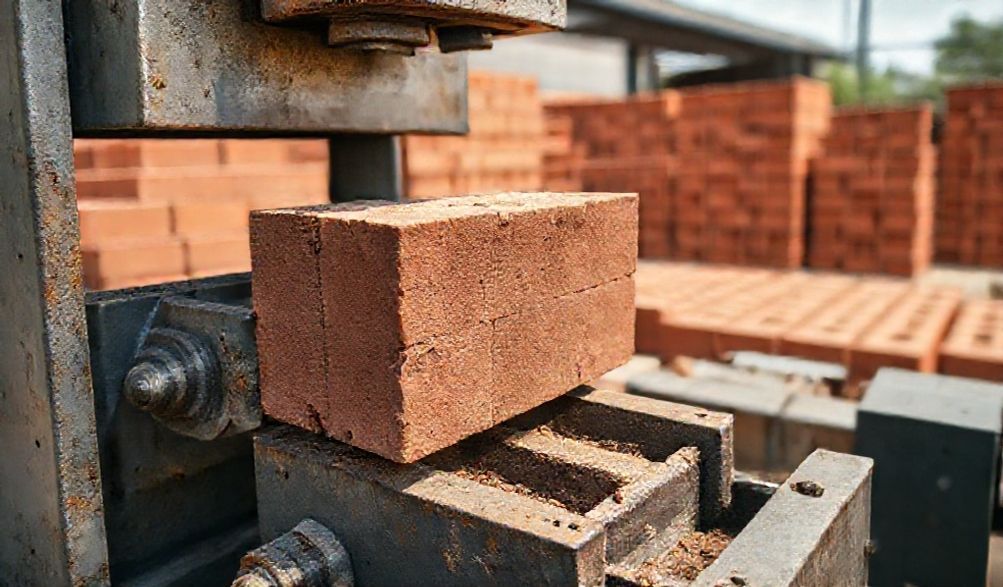
В своей основе, машина для производства полнотелого кирпича — это устройство, которое автоматизирует и механизирует процесс формования сырого влажного материала — обычно смеси грунта, глины, цемента или золы-уноса — в плотные, однородные полнотелые кирпичи посредством высокочастотного прессования.
В отличие от пустотелых или перфорированных кирпичей, полнотелые кирпичи не имеют полостей, что делает их блоком с высокой прочностью на сжатие и значительной массой, идеально подходящими для несущих стен, фундаментов и мощения.
Основной принцип: от сырья до готового кирпича
Этот процесс представляет собой усовершенствованную эволюцию древнего производства кирпича, основанную на сжатии.
- Кормление:Сырьевая смесь загружается в бункер машины.
- Дозирование и формование:Измеренное количество материала подается в полость формы (матрицу) точных размеров.
- Уплотнение:Гидравлический или механический пресс создает огромное давление — часто от 20 до 150 и более тонн — чтобы сжать материал, устраняя воздушные карманы и связывая частицы.
- Выброс:Новый, уплотненный кирпич выталкивается из формы, будучи достаточно прочным для дальнейшей обработки.
- Курение:Затем кирпичи укладывают штабелями и оставляют для отверждения, набирая окончательную прочность за счёт сушки или химического твердения.
Ключевые компоненты стандартной машины
Понимание основных частей раскрывает тайну устройства:
* Хоппер:Емкость для хранения сырья.
* Система подачи:Передает материал из бункера в форму, часто с помощью шнека или конвейера.
* Форма (Штамп):Основной компонент, определяющий форму и размер кирпича. Он взаимозаменяем во многих моделях.
* Система уплотнения:Силовая установка, как правило, включает гидравлический насос, цилиндры и плунжер, создающий усилие прессования.
* Механизм выброса:Пластина или система, которая выталкивает готовый кирпич из формы.
* Система управления:От простых рычагов до сложных панелей программируемых логических контроллеров (ПЛК) для автоматизации.
Типы машин для производства полнотелого кирпича: как выбрать подходящую
Выбор правильного типа — это ваше первое важное решение. Рынок удовлетворяет потребности любого масштаба операций.
Ручные станки для производства кирпича
Это ручные прессы с рычажным механизмом.
* Операция:Оператор вручную заполняет форму и использует ручной рычаг для приложения давления.
* Идеальные сценарии использования: Very small-scale projects, community initiatives, or locations with no electricity. Extremely low capital cost.
* Ограничения: Labor-intensive, very low output (200-500 bricks per day), inconsistent quality dependent on operator strength, and physically demanding.
Полуавтоматические машины для производства кирпича
Эта категория предлагает наилучший баланс для многих малых и средних предприятий (МСП).
* Операция: Mechanized compaction (usually electric or diesel-powered) handles the pressing, but material feeding and brick removal are manual. Some feature automatic material feeding.
* Идеальные сценарии использования: Medium-scale production for housing projects, small brick-making yards. Offers a significant jump in output and consistency over manual methods without the complexity of full automation.
* Output Range: Typically 1,500 to 6,000 bricks per 8-hour shift.
Полностью автоматические машины для производства кирпича
Это промышленные производственные линии.
* Операция: Fully integrated systems with automatic material feeding, compaction, brick ejection, stacking, and palletizing. Controlled by PLCs.
* Идеальные сценарии использования: Large-scale commercial brick manufacturing plants, major infrastructure projects requiring massive, consistent output.
* Ключевые особенности: High output (10,000 to 50,000+ bricks daily), minimal manual labor, superior consistency, and often include integrated mixers and conveyor systems.
Stationary vs. Mobile Brick Plants
- Стационарные установки: Fixed installations, typically for high-volume, permanent production facilities. They are heavy-duty, allow for optimized workflow, and are often fully automatic.
- Mobile Plants: Mounted on trailers, these machines bring production directly to the construction site. This eliminates brick transportation costs, a significant saving. Ideal for large, remote projects like dams, roads, or rural housing developments.
Key Advantages of Using a Solid Brick Making Machine
Investing in this technology delivers tangible, multifaceted benefits.
Unmatched Product Strength and Durability
The high-pressure compaction creates a brick with exceptional density.
* High Compression Force: Machines produce bricks with consistent compressive strength, often exceeding 7-10 MPa or more, meeting and surpassing standard construction codes.
* Consistent Density: Uniform compaction means no weak spots, leading to bricks with excellent weather resistance, low water absorption, and long structural life.
Superior Production Efficiency and Output
Mechanization multiplies your production capacity.
* Output Comparison: A single semi-automatic machine can outperform 20-30 skilled manual laborers in a day, with far less physical strain and variability.
* Скорость: Cycle times can be as low as 10-20 seconds per brick, enabling rapid project completion.
Значительное снижение затрат в долгосрочной перспективе
While requiring upfront capital, the long-term savings are substantial.
* Raw Material Optimization: Precise measurement and high pressure mean less material waste and the ability to use locally sourced, lower-cost soils (often stabilized with a small amount of cement).
* Экономия на затратах на рабочую силу: One or two operators can manage output that would require a large manual team, drastically cutting recurring wage expenses.
* Transport Savings (for mobile units): Producing bricks on-site slashes logistics costs, which can be a major project expenditure.
Consistency and Customization
- Единообразные размеры: Every brick is identical, simplifying bricklaying, reducing mortar use, and creating a cleaner final appearance.
- Flexible Molds: By changing the mold, you can produce different sizes of solid bricks, and even paving stones, kerbstones, or interlocking blocks with many machines, adding product line versatility.
Ключевые факторы, которые следует учесть перед покупкой
This is where expert, tailored advice is crucial. Don’t just buy a machine; invest in a solution for your specific context.
Оценка ваших производственных потребностей
Ask yourself:
* What is my required daily or monthly brick output?
* Is this for a single project or ongoing commercial sales?
* What type of construction are the bricks for (e.g., residential, commercial, paving)?
Raw Material Analysis: Soil, Clay, and Mix Proportions
The machine must match your material. This is a non-negotiable expertise point.
* Conduct a soil test. The ideal mix has a balance of clay (for binding), silt, and sand (for stability).
* Many machines can work with laterite soil, clay, or fly ash, often stabilized with 5-10% cement.
* Профессиональный совет: Send a sample of your local soil to a reputable manufacturer. They can test it and recommend the right machine settings and mix formula.
Power Source: Electric, Diesel, or Hybrid?
- Электрический: Cleaner, quieter, and lower operating cost where grid power is stable and available.
- Дизель: Essential for sites without reliable electricity. Offers high torque and mobility.
- Гибрид: Offers flexibility to switch between power sources, providing valuable backup.
Machine Specifications Deep Dive
Look beyond the brochure. Understand these terms:
* Время цикла: Time to produce one brick. Faster cycles mean higher output.
* Давление (Тоннаж): The compaction force. Higher tonnage (e.g., 50 tons vs. 20 tons) generally produces stronger, denser bricks from a wider variety of materials.
* Универсальность форм Can you easily change molds? Are additional mold sizes readily available from the supplier?
* Качество сборки: Inspect the thickness of steel plates, the quality of hydraulic seals, and the robustness of the frame.
After-Sales Support: The Make-or-Break Factor
A machine is a long-term asset. Support is paramount.
* Гарантия: What is covered and for how long?
* Наличие запасных частей: Are common wear parts (seals, molds, hydraulic hoses) readily available locally or via quick shipping?
* Technical Service: Does the supplier offer installation, training, and troubleshooting support? Can they provide remote assistance?
Operational Best Practices and Maintenance
Proper care ensures longevity and consistent output, reflecting practical experience.
Daily Operation Checklist for Optimal Performance
- Check and tighten all bolts and nuts.
- Lubricate all moving parts as per the manual.
- Ensure the hydraulic oil level is adequate and clean.
- Inspect the raw material for proper moisture content (usually 8-12%) and remove large debris.
- Clean the mold and hopper at the end of the shift.
Essential Routine Maintenance Schedule
- Weekly: Check hydraulic system for leaks, clean filters.
- Monthly: Inspect the mold for wear, check electrical connections.
- Ежегодно: Change hydraulic oil and filters, perform a comprehensive machine inspection.
Устранение распространённых проблем
- Bricks Cracking: Usually caused by incorrect moisture content (too dry), excessive pressure, or improper mix design.
- Poor Ejection/Sticking: Often due to a worn mold, insufficient release agent, or overly wet material.
- Uneven Density: Can result from uneven material feeding or a worn compaction ram. Check the feed system and pressure settings.
Solid Brick Making Machine vs. Alternative Technologies
Comparison with Hollow Brick Machines
- Твердые кирпичи: Higher compressive strength and mass. Used for load-bearing walls, foundations, retaining walls, and pavements. Use more raw material per unit.
- Пустотелые кирпичи: Lighter weight, provide better thermal and acoustic insulation due to air cavities. Use less material, reducing cost and weight. Typically used for partition walls and in framed structures. A Машина для производства полнотелого кирпича produces a structurally denser product.
Comparison with Traditional Manual Brick Making
- Труд: Machine: 1-3 operators. Manual: 15-30 laborers for equivalent output.
- Вывод: Machine: Thousands per day. Manual: Hundreds per day.
- Качество: Machine: Highly consistent and strong. Manual: Variable, dependent on skill.
- Масштаб: Machine enables commercial-scale production. Manual is limited to very small projects.
Frequently Asked Questions (FAQ)
Q1: What is the average production capacity of a medium-sized solid brick making machine?
A: A medium-sized, semi-automatic machine typically produces between 2,500 to 5,000 standard solid bricks (e.g., 230x110x75 mm) in an 8-hour shift, depending on the model and operator speed.
Q2: What type of soil or clay mixture is ideal for making strong solid bricks?
A: A well-graded mixture containing about 20-30% clay (for cohesion), 30-50% sand (for stability and to reduce shrinkage), and the remainder silt. Often, 5-10% cement is added as a stabilizer to ensure strength and water resistance, especially with less-than-ideal soils.
Q3: Can I use a solid brick making machine for interlocking bricks or pavers?
A: Yes, absolutely. Many machines are “block making machines” with interchangeable molds. By simply switching the mold, you can produce solid bricks, interlocking bricks, paving stones, and more. Confirm this versatility with your supplier.
Q4: What is the typical price range for a reliable semi-automatic machine?
A: Prices vary widely by capacity, brand, and region. A good quality, new semi-automatic machine can range from approximately $8,000 to $25,000. Always prioritize build quality and supplier reputation over the lowest price.
Q5: How much space is required to set up a small brick-making operation?
A: You need space for the machine, raw material storage, brick drying/curing area, and finished product storage. A minimum of 2,000 to 5,000 square feet (200-500 sq. meters) is recommended for a small, functional setup.
Q6: What are the most common maintenance tasks, and how often are they needed?
A: Daily lubrication and cleaning are key. Weekly checks of hydraulics and monthly inspections of molds and electrical systems are crucial. The most common tasks involve keeping the mold clean, ensuring proper lubrication, and monitoring hydraulic oil levels and quality.
Заключение
Выбор подходящегоМашина для производства полнотелого кирпича is a strategic decision that hinges on a clear understanding of your production needs, raw materials, and the critical importance of reliable after-sales support. It’s an investment that pays dividends through durable construction, cost control, and business scalability.
Our final, expert recommendation is to prioritize machine durability and supplier reputation above all else. A slightly higher initial investment in a robust machine from a trustworthy partner will save you from costly downtime and repairs in the long run.
Use this guide as your checklist. Consult with multiple reputable suppliers, insist on testing your raw material with their machines, and if possible, visit an existing installation to see the equipment in operation. By taking these steps, you move from being a buyer to an informed investor, ready to build your projects—and your business—on a solid foundation. This technology is more than equipment; it’s a cornerstone of modern, sustainable, and cost-effective construction.
<