
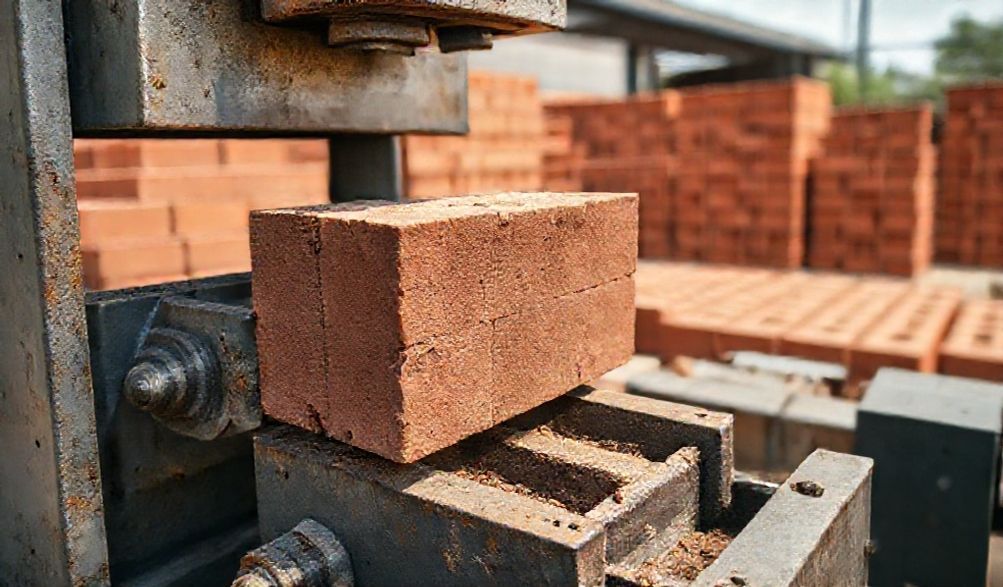
Ultima Ductor ad Machinas Laterum Solidorum Faciendorum: Genera, Commoda et Quomodo Eligas
Introductio
Scisne plus quam 1.5 trilliones lateres quotannis in orbe terrarum fabricari, qui quasi columna vertebralis aedificiorum nostrorum existunt? Conductoribus, aedificatoribus, et negotiatoribus, modus productionis mutatur. Ab opera manuali incerta vel lateribus emptis pretiosis recedentes, solutio moderna in facultate productionis propriae collocanda est. Hoc manuale plenum destinatur esse tuus ultimus fons demachina laterum solidorum faciendorumInstrumentum cardinis momenti ad aedificationem efficacem, durabilem, et quaestuosam.
Non est propositum nobis certam notam vendere, sed te scientia incorrupta et accurata instruere. Hae perspicientiae ex technicis specificationibus, ex immediatis fabricantium datis, exque decenniis collectae experientiae operandi in hoc campo componuntur. Sive parvam inceptam sive magnam industriae fabricam perpendis, hic dux te adiuvabit technologiam comprehendere, optiones ponderare, et consilium collocationis strategicae facere, quod reditum collocationis (ROI) per excellentem efficientiam et vim producti augeat.
Quid est Machina Laterum Solidorum Formandorum? Definire Technologiam Nuclearem
In suo nucleo, machina solida laterum faciendorum est instrumentum quod processum materiae rudis et umidae—plerumque mixturae terrae, argillae, cementi, vel cineris volatici—in densos et uniformes lateres solidos per altam pressionis compactionem automatisat et mechanizat.
Dissimiles lateribus cavis vel perforatis, lateres solidi nullas cavitates habent, unde massa et vis compressionis alta efficiuntur, apti ad parietes oneriferos, fundamenta, et pavimenta.
Fundamentum: A Materia Cruda ad Laterem Perfectum
Processus est elegans evolutio antiquae lateris confectionis, circa compressionem centrata.
- Alimentatio:Materia cruda mixta in infundibulum machinae imponitur.
- Metiens & Formans:Mensura certa materiae in cavitatem formae (formam) certarum dimensionum immittitur.
- Compressio:Hydraulica vel mechanica aries ingentem pressionem adhibet—saepe ab XX ad CL+ talenta—ut materiam comprimat, cavitates aeris excludat et particulas conligat.
- Eiectio:Later noviter compactus e forma expellitur, satis stabilis ut tractari possit.
- Sanatio:Lateres deinde congeruntur et curandos relinquuntur, per siccationem vel chemicam compositionem ultimam vim adipiscuntur.
Partes Claves Machinae Normatae
Principales partes cognoscere machinam detegit:
* Saltator:Vas continens materiae crudae alimenti.
* Systema AlimentiMateriam e receptaculo in formam transfert, saepe cochlea vel vectore utens.
* FormaPars principal quae formam et magnitudinem lateris definit. In multis exemplaribus commutabilis est.
* Systema Compactionis:Machina potentiae, plerumque comprehendens antliam hydraulicam, cylindros, et arietem qui vim prementem affert.
* Mechanismus Ejectionis: A plate or system that pushes the finished brick out of the mold.
* Systema Moderandi: Ranges from simple levers to advanced Programmable Logic Controller (PLC) panels for automation.
Types of Solid Brick Making Machines: Finding the Right Fit
Choosing the correct type is your first critical decision. The market caters to every scale of operation.
Machinae Manuales Laterum Faciendorum
These are human-powered, lever-operated presses.
* Operatio: An operator fills the mold by hand and uses a manual lever to apply pressure.
* Casibus Usus Optimis: Very small-scale projects, community initiatives, or locations with no electricity. Extremely low capital cost.
* Modi: Labor-intensive, very low output (200-500 bricks per day), inconsistent quality dependent on operator strength, and physically demanding.
Machinae Semi-Automaticae Lateres Faciendi
Haec categoria optimum aequilibrium multis parvis mediisque negotiis praebet.
* Operatio: Mechanized compaction (usually electric or diesel-powered) handles the pressing, but material feeding and brick removal are manual. Some feature automatic material feeding.
* Casibus Usus Optimis: Medium-scale production for housing projects, small brick-making yards. Offers a significant jump in output and consistency over manual methods without the complexity of full automation.
* Output Range: Typically 1,500 to 6,000 bricks per 8-hour shift.
Machinae Laterum Plenarie Automatae
Hae sunt officinae industriae gradus.
* Operatio: Fully integrated systems with automatic material feeding, compaction, brick ejection, stacking, and palletizing. Controlled by PLCs.
* Casibus Usus Optimis: Large-scale commercial brick manufacturing plants, major infrastructure projects requiring massive, consistent output.
* Claves Notae: High output (10,000 to 50,000+ bricks daily), minimal manual labor, superior consistency, and often include integrated mixers and conveyor systems.
Stationary vs. Mobile Brick Plants
- Plantae Stantes: Fixed installations, typically for high-volume, permanent production facilities. They are heavy-duty, allow for optimized workflow, and are often fully automatic.
- Plantae Mobilae: Mounted on trailers, these machines bring production directly to the construction site. This eliminates brick transportation costs, a significant saving. Ideal for large, remote projects like dams, roads, or rural housing developments.
Key Advantages of Using a Solid Brick Making Machine
Investing in this technology delivers tangible, multifaceted benefits.
Unmatched Product Strength and Durability
The high-pressure compaction creates a brick with exceptional density.
* High Compression Force: Machines produce bricks with consistent compressive strength, often exceeding 7-10 MPa or more, meeting and surpassing standard construction codes.
* Consistent Density: Uniform compaction means no weak spots, leading to bricks with excellent weather resistance, low water absorption, and long structural life.
Superior Production Efficiency and Output
Mechanization multiplies your production capacity.
* Output Comparison: A single semi-automatic machine can outperform 20-30 skilled manual laborers in a day, with far less physical strain and variability.
* Celeritas Cycle times can be as low as 10-20 seconds per brick, enabling rapid project completion.
Significans Impendii Deminutio in Longa Cursu
While requiring upfront capital, the long-term savings are substantial.
* Raw Material Optimization: Precise measurement and high pressure mean less material waste and the ability to use locally sourced, lower-cost soils (often stabilized with a small amount of cement).
* Impendium Laboris Servatum: One or two operators can manage output that would require a large manual team, drastically cutting recurring wage expenses.
* Transport Savings (for mobile units): Producing bricks on-site slashes logistics costs, which can be a major project expenditure.
Consistency and Customization
- Dimensio Uniformis: Every brick is identical, simplifying bricklaying, reducing mortar use, and creating a cleaner final appearance.
- Flexible Molds: By changing the mold, you can produce different sizes of solid bricks, and even paving stones, kerbstones, or interlocking blocks with many machines, adding product line versatility.
Cogitationes Criticae Antequam Emas
This is where expert, tailored advice is crucial. Don’t just buy a machine; invest in a solution for your specific context.
Tuas Exigentias Productionis Perpendens
Ask yourself:
* What is my required daily or monthly brick output?
* Is this for a single project or ongoing commercial sales?
* What type of construction are the bricks for (e.g., residential, commercial, paving)?
Raw Material Analysis: Soil, Clay, and Mix Proportions
The machine must match your material. This is a non-negotiable expertise point.
* Conduct a soil test. The ideal mix has a balance of clay (for binding), silt, and sand (for stability).
* Many machines can work with laterite soil, clay, or fly ash, often stabilized with 5-10% cement.
* Consilium Peritum: Send a sample of your local soil to a reputable manufacturer. They can test it and recommend the right machine settings and mix formula.
Power Source: Electric, Diesel, or Hybrid?
- Electricus: Cleaner, quieter, and lower operating cost where grid power is stable and available.
- Diesel: Essential for sites without reliable electricity. Offers high torque and mobility.
- Hybrida: Offers flexibility to switch between power sources, providing valuable backup.
Specificationum Machinarum Penitus Explicatio
Look beyond the brochure. Understand these terms:
* Tempus Cycli: Time to produce one brick. Faster cycles mean higher output.
* Pressio (Tonnagium): The compaction force. Higher tonnage (e.g., 50 tons vs. 20 tons) generally produces stronger, denser bricks from a wider variety of materials.
* Moldis Versatilitas: Can you easily change molds? Are additional mold sizes readily available from the supplier?
* Structurae Qualitas: Inspect the thickness of steel plates, the quality of hydraulic seals, and the robustness of the frame.
Subsidium Post-Venditionem: Factor Decisivus
A machine is a long-term asset. Support is paramount.
* Cautio: What is covered and for how long?
* Partes Subsidiae Praesto: Are common wear parts (seals, molds, hydraulic hoses) readily available locally or via quick shipping?
* Technical Service: Does the supplier offer installation, training, and troubleshooting support? Can they provide remote assistance?
Operational Best Practices and Maintenance
Proper care ensures longevity and consistent output, reflecting practical experience.
Daily Operation Checklist for Optimal Performance
- Check and tighten all bolts and nuts.
- Lubricate all moving parts as per the manual.
- Ensure the hydraulic oil level is adequate and clean.
- Inspect the raw material for proper moisture content (usually 8-12%) and remove large debris.
- Clean the mold and hopper at the end of the shift.
Essential Routine Maintenance Schedule
- Weekly: Check hydraulic system for leaks, clean filters.
- Monthly: Inspect the mold for wear, check electrical connections.
- Annually: Change hydraulic oil and filters, perform a comprehensive machine inspection.
Troubleshooting Common Issues
- Bricks Cracking: Usually caused by incorrect moisture content (too dry), excessive pressure, or improper mix design.
- Poor Ejection/Sticking: Often due to a worn mold, insufficient release agent, or overly wet material.
- Uneven Density: Can result from uneven material feeding or a worn compaction ram. Check the feed system and pressure settings.
Solid Brick Making Machine vs. Alternative Technologies
Comparison with Hollow Brick Machines
- Lateres Solidi: Higher compressive strength and mass. Used for load-bearing walls, foundations, retaining walls, and pavements. Use more raw material per unit.
- Hollow Bricks: Lighter weight, provide better thermal and acoustic insulation due to air cavities. Use less material, reducing cost and weight. Typically used for partition walls and in framed structures. A machina laterum solidorum faciendorum produces a structurally denser product.
Comparison with Traditional Manual Brick Making
- Labor: Machine: 1-3 operators. Manual: 15-30 laborers for equivalent output.
- Output: Machine: Thousands per day. Manual: Hundreds per day.
- Qualitas: Machine: Highly consistent and strong. Manual: Variable, dependent on skill.
- Scala. Machine enables commercial-scale production. Manual is limited to very small projects.
Frequently Asked Questions (FAQ)
Q1: What is the average production capacity of a medium-sized solid brick making machine?
A: A medium-sized, semi-automatic machine typically produces between 2,500 to 5,000 standard solid bricks (e.g., 230x110x75 mm) in an 8-hour shift, depending on the model and operator speed.
Q2: What type of soil or clay mixture is ideal for making strong solid bricks?
A: A well-graded mixture containing about 20-30% clay (for cohesion), 30-50% sand (for stability and to reduce shrinkage), and the remainder silt. Often, 5-10% cement is added as a stabilizer to ensure strength and water resistance, especially with less-than-ideal soils.
Q3: Can I use a solid brick making machine for interlocking bricks or pavers?
A: Yes, absolutely. Many machines are “block making machines” with interchangeable molds. By simply switching the mold, you can produce solid bricks, interlocking bricks, paving stones, and more. Confirm this versatility with your supplier.
Q4: What is the typical price range for a reliable semi-automatic machine?
A: Prices vary widely by capacity, brand, and region. A good quality, new semi-automatic machine can range from approximately $8,000 to $25,000. Always prioritize build quality and supplier reputation over the lowest price.
Q5: How much space is required to set up a small brick-making operation?
A: You need space for the machine, raw material storage, brick drying/curing area, and finished product storage. A minimum of 2,000 to 5,000 square feet (200-500 sq. meters) is recommended for a small, functional setup.
Q6: What are the most common maintenance tasks, and how often are they needed?
A: Daily lubrication and cleaning are key. Weekly checks of hydraulics and monthly inspections of molds and electrical systems are crucial. The most common tasks involve keeping the mold clean, ensuring proper lubrication, and monitoring hydraulic oil levels and quality.
Conclusion
Rectam eligensmachina laterum solidorum faciendorum is a strategic decision that hinges on a clear understanding of your production needs, raw materials, and the critical importance of reliable after-sales support. It’s an investment that pays dividends through durable construction, cost control, and business scalability.
Our final, expert recommendation is to prioritize machine durability and supplier reputation above all else. A slightly higher initial investment in a robust machine from a trustworthy partner will save you from costly downtime and repairs in the long run.
Use this guide as your checklist. Consult with multiple reputable suppliers, insist on testing your raw material with their machines, and if possible, visit an existing installation to see the equipment in operation. By taking these steps, you move from being a buyer to an informed investor, ready to build your projects—and your business—on a solid foundation. This technology is more than equipment; it’s a cornerstone of modern, sustainable, and cost-effective construction.
<