
Hagaha Ugu Fiican ee Makiinadaha Sameynta Lebiska Adag: Noocyada, Faaiidooyinka & Sida Loo Xulo
Hordhac
Ma ogtahay in sannad kasta lagu soo saaro in ka badan 1.5 tiriliyan oo leben ah adduunka oo dhan, kaas oo noqda xididdada dhabta ah ee deegaankeena dhismeed? Gacan-qaadayaasha, dhismayaasha, iyo ganacsatada, habka soo saarista ayaa is beddelaya. Ilaaweyn ka fogaan shaqada gacanta aan la aamini karin ama leben la iibsaday oo qiimo badan, xalka casriga ah wuxuu ku dhismayaa inaad maalgasho awoodaada soo saarista. Hageegan guud wuxuu loogu talagalay inuu noqdo kheyraadkaaga kama dambeysta ah ee ku saabsanmakiinada dhismo lehki la isku dhafoqalab muhiim ah oo loogu talagalay dhismaha si wax ku ool leh, adag, iyo mid macaash leh.
Ujeedkeena ma aha in aan ku iibinno sumad gaar ah, ee waa in aan ku qalabno cilmi-baaris aan eex lahayn oo faahfaahsan. Aragtida halkan waxaa lagu soo koobay qeexitaannada farsamada, xogta tooska ah ee soo saaraha, iyo khibradda shaqada ee lagu ururiyay dhammaadka sanooyinka goobta. Haddii aad qiimeynayso mashruuc yar ama warshad weyn oo warshadeed, hagahan wuxuu ku caawin doonaa inaad fahanto teknoolajiyada, aad tashado doorashooyinkaaga, oo aad go'aansato maalgelin siyaasadeed oo ku fidinaya soo celinta maalgashigaaga (ROI) iyadoo loo marayo waxsoosaarka sare iyo xoogga alaabta.
Waa maxay Makiinada Sameynta Lebi ee Culus? Qeexista Farsamada Aasaasiga ah
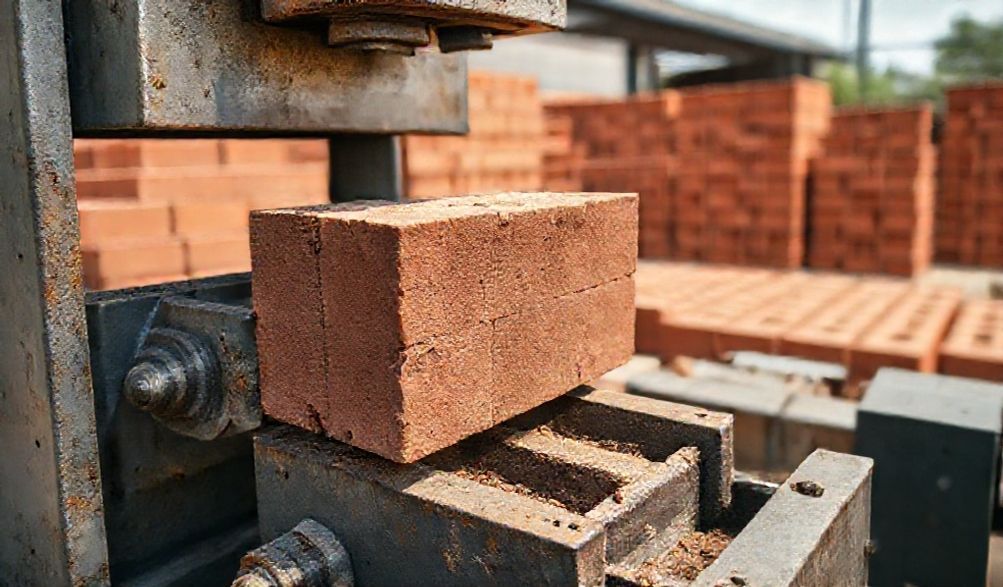
Qalbigeeda, makiinada dhismaha birigta adag waa qalab uu u dhaqaaqo oo uu u mekaniigo habka sameynta xidhmada dhigga ah ee qoyan - gaar ahaan isku-dhafka carrada, dhoobo, semento, ama dhoobada duxusha - iyadoo loo marayo cidhif ku dhufasho sare si loogu sameeyo birigyo adag oo isku mid ah.
Brikadka adag, ka duwan kuwa foolxun ama kuwa la dildillaaciyey, ma leh wax dhexdooda ah, taas oo keenta isku dheellitir xoog leh iyo miisaan weyn, ku habboon darbiyada xambaarsan, salooyinka, iyo jidadka.
Mabda' aasaasiga ah: Lahaanshaha Qaabka ilaa Lebiska Dhammaystiran
Habkani waa horumar farsamo leh oo ka soo jeeda dhisidda libaaxyo qadiimiga ah, oo ku saleysan cidhiidhyada.
- Cunto-siin:Qalabka waxaa lagu shubaa isku-darka alaabta ee la shaqeeynayo.
- Miisaaminta & Qaabaynta:Qiyaas la qiyaasiyay oo qalab ah ayaa loo dhiibay godka qalabka (qalabka) oo leh cabbirro sax ah.
- Qabashada:Ramka hidroolik ama makaanikadu waxay ku khasban tahay cadaadis aad u weyn—oo inta badan ka dhaxaysa 20 ilaa 150+ oo tan—si ay u cufaan alaabta, isla markaana ay tirtiraan hawada iyo xidhidhka walxaha.
- Ku bixid:Brickida cusub ee la dhigay, oo la adkeeyay, ayaa laga soo saaray qaabka, oo si adag u taagan si loo maareeyo.
- Daweynta:Tobanada waxaa la isku daraa oo loo daayaa si ay u dhaqmaan, iyagoo helaya xoogga ugu dambeeya iyadoo la qalajiyo ama la dejiyo kiimikadeed.
Qaybaha Muhiimka ah ee Mashinka Caadiga ah
Fahamka qaybaha ugu muhiimsan ayaa ka saara sirta makiinadaha.
* Hopper:Qalabka lagu hayo cuntada xoogga ah.
* Nidaamka QuudintaWax ka qaadista hoorta ah ilaa qalabka, inta badan lagu adeegsado auger ama conveyor.
* Qolof (Dhismaha): The core component that defines the brick’s shape and size. It’s interchangeable in many models.
* Nidaamka Dhismaha The powerhouse, usually comprising a hydraulic pump, cylinders, and a ram that delivers the pressing force.
* Ejection Mechanism: A plate or system that pushes the finished brick out of the mold.
* Nidaamka Maamulka: Ranges from simple levers to advanced Programmable Logic Controller (PLC) panels for automation.
Types of Solid Brick Making Machines: Finding the Right Fit
Choosing the correct type is your first critical decision. The market caters to every scale of operation.
Makiinad Qori Dhismo ee Gacanta
These are human-powered, lever-operated presses.
* Hawlgalka: An operator fills the mold by hand and uses a manual lever to apply pressure.
* Isticmaalka Ugu Fiican: Very small-scale projects, community initiatives, or locations with no electricity. Extremely low capital cost.
* Xaddidada: Labor-intensive, very low output (200-500 bricks per day), inconsistent quality dependent on operator strength, and physically demanding.
Makiinadooyinka Dhismooyinka Lebi ee Yar-Yar
Qaybtani waxay bixisaa isku dheelitirka ugu fiican dhowr ganacsi yar ilaa dhexe (SMEs).
* Hawlgalka: Mechanized compaction (usually electric or diesel-powered) handles the pressing, but material feeding and brick removal are manual. Some feature automatic material feeding.
* Isticmaalka Ugu Fiican: Medium-scale production for housing projects, small brick-making yards. Offers a significant jump in output and consistency over manual methods without the complexity of full automation.
* Output Range: Typically 1,500 to 6,000 bricks per 8-hour shift.
Makiinadaha Dhismo Dhagaxa Oo Si Toos Ah U Shaqeeya
These are industrial-grade production lines.
* Hawlgalka: Fully integrated systems with automatic material feeding, compaction, brick ejection, stacking, and palletizing. Controlled by PLCs.
* Isticmaalka Ugu Fiican: Large-scale commercial brick manufacturing plants, major infrastructure projects requiring massive, consistent output.
* Astaamaha Muhiimsan: High output (10,000 to 50,000+ bricks daily), minimal manual labor, superior consistency, and often include integrated mixers and conveyor systems.
Stationary vs. Mobile Brick Plants
- Waxyaabaha Joogtada ah ee Dhirta: Fixed installations, typically for high-volume, permanent production facilities. They are heavy-duty, allow for optimized workflow, and are often fully automatic.
- Mobile Plants: Mounted on trailers, these machines bring production directly to the construction site. This eliminates brick transportation costs, a significant saving. Ideal for large, remote projects like dams, roads, or rural housing developments.
Key Advantages of Using a Solid Brick Making Machine
Investing in this technology delivers tangible, multifaceted benefits.
Unmatched Product Strength and Durability
The high-pressure compaction creates a brick with exceptional density.
* High Compression Force: Machines produce bricks with consistent compressive strength, often exceeding 7-10 MPa or more, meeting and surpassing standard construction codes.
* Consistent Density: Uniform compaction means no weak spots, leading to bricks with excellent weather resistance, low water absorption, and long structural life.
Superior Production Efficiency and Output
Mechanization multiplies your production capacity.
* Output Comparison: A single semi-automatic machine can outperform 20-30 skilled manual laborers in a day, with far less physical strain and variability.
* Dhaqso Cycle times can be as low as 10-20 seconds per brick, enabling rapid project completion.
Qiimaha Dhimista Qiimaha ee Dheeriga ah
While requiring upfront capital, the long-term savings are substantial.
* Raw Material Optimization: Precise measurement and high pressure mean less material waste and the ability to use locally sourced, lower-cost soils (often stabilized with a small amount of cement).
* Labor Cost Savings: One or two operators can manage output that would require a large manual team, drastically cutting recurring wage expenses.
* Transport Savings (for mobile units): Producing bricks on-site slashes logistics costs, which can be a major project expenditure.
Consistency and Customization
- Qiyaastada Isku Midka Ah: Every brick is identical, simplifying bricklaying, reducing mortar use, and creating a cleaner final appearance.
- Flexible Molds: By changing the mold, you can produce different sizes of solid bricks, and even paving stones, kerbstones, or interlocking blocks with many machines, adding product line versatility.
Faa'iidooyinka Muhiimka ah ee Loo Baahan Yahay Ka Hor Intaadan Iibsan
This is where expert, tailored advice is crucial. Don’t just buy a machine; invest in a solution for your specific context.
Qiimeynta Shuruudaha Wax-soo-saarkaaga
Ask yourself:
* What is my required daily or monthly brick output?
* Is this for a single project or ongoing commercial sales?
* What type of construction are the bricks for (e.g., residential, commercial, paving)?
Raw Material Analysis: Soil, Clay, and Mix Proportions
The machine must match your material. This is a non-negotiable expertise point.
* Conduct a soil test. The ideal mix has a balance of clay (for binding), silt, and sand (for stability).
* Many machines can work with laterite soil, clay, or fly ash, often stabilized with 5-10% cement.
* Talo Sare: Send a sample of your local soil to a reputable manufacturer. They can test it and recommend the right machine settings and mix formula.
Power Source: Electric, Diesel, or Hybrid?
- Koronto: Cleaner, quieter, and lower operating cost where grid power is stable and available.
- Dhiisel: Essential for sites without reliable electricity. Offers high torque and mobility.
- Iskudhaf Offers flexibility to switch between power sources, providing valuable backup.
Machine Specifications Deep Dive
Look beyond the brochure. Understand these terms:
* Waqtiga Wareegga: Time to produce one brick. Faster cycles mean higher output.
* Cadaadis (Tonnage): The compaction force. Higher tonnage (e.g., 50 tons vs. 20 tons) generally produces stronger, denser bricks from a wider variety of materials.
* Kala duwanaanta Qaabka Can you easily change molds? Are additional mold sizes readily available from the supplier?
* Qaybta Qaab-dhismeedka Inspect the thickness of steel plates, the quality of hydraulic seals, and the robustness of the frame.
After-Sales Support: The Make-or-Break Factor
A machine is a long-term asset. Support is paramount.
* Warranty: What is covered and for how long?
* La Helitaanka Qaybaha Gadaal Are common wear parts (seals, molds, hydraulic hoses) readily available locally or via quick shipping?
* Technical Service: Does the supplier offer installation, training, and troubleshooting support? Can they provide remote assistance?
Operational Best Practices and Maintenance
Proper care ensures longevity and consistent output, reflecting practical experience.
Daily Operation Checklist for Optimal Performance
- Check and tighten all bolts and nuts.
- Lubricate all moving parts as per the manual.
- Ensure the hydraulic oil level is adequate and clean.
- Inspect the raw material for proper moisture content (usually 8-12%) and remove large debris.
- Clean the mold and hopper at the end of the shift.
Essential Routine Maintenance Schedule
- Weekly: Check hydraulic system for leaks, clean filters.
- Monthly: Inspect the mold for wear, check electrical connections.
- Annually: Change hydraulic oil and filters, perform a comprehensive machine inspection.
Troubleshooting Common Issues
- Bricks Cracking: Usually caused by incorrect moisture content (too dry), excessive pressure, or improper mix design.
- Poor Ejection/Sticking: Often due to a worn mold, insufficient release agent, or overly wet material.
- Uneven Density: Can result from uneven material feeding or a worn compaction ram. Check the feed system and pressure settings.
Solid Brick Making Machine vs. Alternative Technologies
Comparison with Hollow Brick Machines
- Brikisyo Culus: Higher compressive strength and mass. Used for load-bearing walls, foundations, retaining walls, and pavements. Use more raw material per unit.
- Brikiyo Dhuuban: Lighter weight, provide better thermal and acoustic insulation due to air cavities. Use less material, reducing cost and weight. Typically used for partition walls and in framed structures. A makiinada dhismo lehki la isku dhafo produces a structurally denser product.
Comparison with Traditional Manual Brick Making
- Shaqo: Machine: 1-3 operators. Manual: 15-30 laborers for equivalent output.
- Soo saar Machine: Thousands per day. Manual: Hundreds per day.
- Tayada Machine: Highly consistent and strong. Manual: Variable, dependent on skill.
- Miisaanka: Machine enables commercial-scale production. Manual is limited to very small projects.
Su'aalaha Inta Badan La Is Weydiiyo (FAQ)
Q1: What is the average production capacity of a medium-sized solid brick making machine?
A: A medium-sized, semi-automatic machine typically produces between 2,500 to 5,000 standard solid bricks (e.g., 230x110x75 mm) in an 8-hour shift, depending on the model and operator speed.
Q2: What type of soil or clay mixture is ideal for making strong solid bricks?
A: A well-graded mixture containing about 20-30% clay (for cohesion), 30-50% sand (for stability and to reduce shrinkage), and the remainder silt. Often, 5-10% cement is added as a stabilizer to ensure strength and water resistance, especially with less-than-ideal soils.
Q3: Can I use a solid brick making machine for interlocking bricks or pavers?
A: Yes, absolutely. Many machines are “block making machines” with interchangeable molds. By simply switching the mold, you can produce solid bricks, interlocking bricks, paving stones, and more. Confirm this versatility with your supplier.
Q4: What is the typical price range for a reliable semi-automatic machine?
A: Prices vary widely by capacity, brand, and region. A good quality, new semi-automatic machine can range from approximately $8,000 to $25,000. Always prioritize build quality and supplier reputation over the lowest price.
Q5: How much space is required to set up a small brick-making operation?
A: You need space for the machine, raw material storage, brick drying/curing area, and finished product storage. A minimum of 2,000 to 5,000 square feet (200-500 sq. meters) is recommended for a small, functional setup.
Q6: What are the most common maintenance tasks, and how often are they needed?
A: Daily lubrication and cleaning are key. Weekly checks of hydraulics and monthly inspections of molds and electrical systems are crucial. The most common tasks involve keeping the mold clean, ensuring proper lubrication, and monitoring hydraulic oil levels and quality.
Gabagabo
Doorashada midka saxda ahmakiinada dhismo lehki la isku dhafo is a strategic decision that hinges on a clear understanding of your production needs, raw materials, and the critical importance of reliable after-sales support. It’s an investment that pays dividends through durable construction, cost control, and business scalability.
Our final, expert recommendation is to prioritize machine durability and supplier reputation above all else. A slightly higher initial investment in a robust machine from a trustworthy partner will save you from costly downtime and repairs in the long run.
Use this guide as your checklist. Consult with multiple reputable suppliers, insist on testing your raw material with their machines, and if possible, visit an existing installation to see the equipment in operation. By taking these steps, you move from being a buyer to an informed investor, ready to build your projects—and your business—on a solid foundation. This technology is more than equipment; it’s a cornerstone of modern, sustainable, and cost-effective construction.
<