
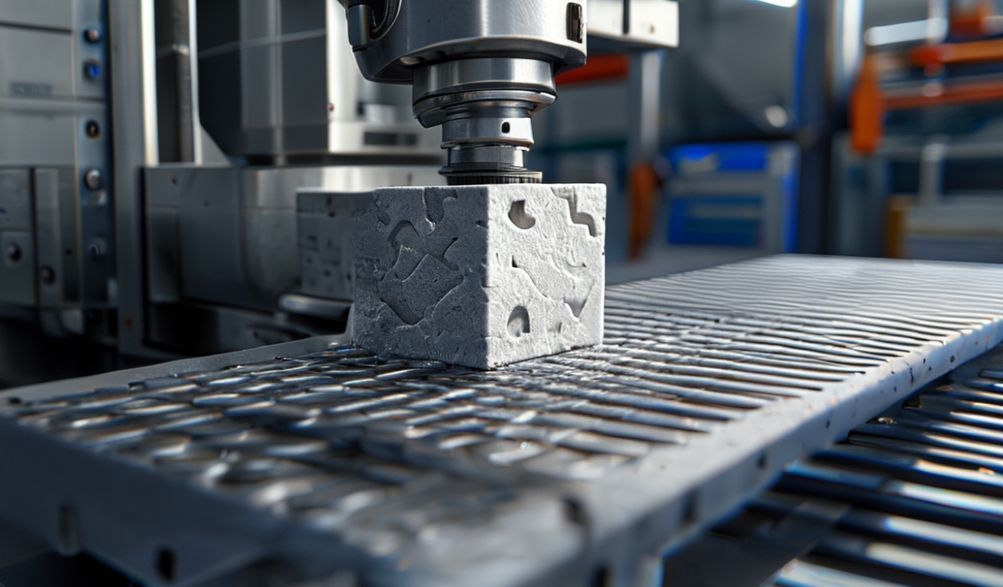
دليلك الشامل لآلات صنع بلوكات الخرسانة خفيفة الوزن المخصصة
تعاني من ارتفاع تكاليف الشحن، أو إنتاج يتطلب عمالة مكثفة، أو صعوبة في تلبية متطلبات مشاريع محددة للكتل الخفيفة الوزن؟ لست وحدك. يجد العديد من المصنّعين أن آلة صنع الكتل القياسية الجاهزة تصبح عقبة، غير قادرة على التكيف مع خلطات مواد فريدة، أو تصاميم متخصصة، أو أهداف إنتاج طموحة. الحل لا يكمن في آلة عامة، بل في أداة مصممة خصيصًا لعمليتك الدقيقة:آلة تصنيع بلوكات خرسانية خفيفة الوزن مخصصة.
الآلة المخصصة هي بالضبط ذلك - قطعة من المعدات الصناعية المصممة خصيصًا من البداية لتلبية احتياجاتك الإنتاجية الدقيقة، وملامح المواد الخام، وتصاميم القوالب، ومتطلبات الأتمتة. إنها الفرق بين ارتداء بدلة جاهزة وأخرى صممها خياط محترف؛ الأولى قد تكون مناسبة بشكل مقبول، لكن الثانية تعزز الأداء وتبرز جودة لا تضاهى.
هذا الدليل، المستمد من خبرة صناعية عميقة، مُصمم ليكون مصدرك النهائي. سنتجاوز كتيبات المبيعات لنقدم توجيهاً خبرائياً قابلاً للتطبيق. هدفنا هو تمكين أصحاب الأعمال ومديري المشاريع والمهندسين من المعرفة اللازمة لاتخاذ قرار استثماري واثق ومستنير. سنستكشف الفوائد التحويلية للتخصيص، ونفصل الخيارات الأساسية المتاحة، ونرسم خطوات عملية التشغيل خطوة بخطوة، ونسلط الضوء على الاعتبارات الحاسمة لضمان أن يحقق استثماركم النتائج المرجوة لسنوات قادمة.
لماذا يُعد التخصيص عاملًا حاسمًا في إنتاج الكتل الخفيفة الوزن
في سوق مواد البناء التنافسي، تعد الكفاءة وتميز المنتج أمران بالغا الأهمية. تقدم الآلة القياسية نهجًا واحدًا يناسب الجميع، لكن عملك وخليط الخرسانة خفيفة الوزن خاصتك فريدان. يعمل التخصيص على سد هذه الفجوة، محولًا خط إنتاجك من مركز تكلفة إلى أصل استراتيجي.
تجاوز قيود الآلات القياسية
يتم بناء الآلات القياسية لتلائم حالة الاستخدام "المتوسطة"، مما يؤدي غالبًا إلى احتكاك تشغيلي كبير:
- خلطات المواد الخام غير المتوافقة:مزيجك الخاص من الأسمنت والرماد المتطاير والركام خفيف الوزن (مثل البيرلايت أو الخفاف أو الرغوة) يتميز بخصائص تدفق ودمك فريدة. قد تكون تردد الاهتزاز والضغط في الآلة القياسية مُحسَّنين للخرسانة القياسية، مما يؤدي إلى دَمْكٍ رديء، أو كثافة غير متسقة، أو تآكل مفرط عند معالجة مزيجك الأخف.
- تصميم المنتج غير المرن:هل تحتاج إلى إنتاج شكل متشابك مبتكر للمناطق الزلزالية، أو حجم خاص لنظام بناء معياري، أو بلوك واجهة ذو نسيج؟ القوالب القياسية محدودة الإمكانيات. نحن نبني آلة مخصصة حول قالبك، مما يضمن محاذاة ودكاً مثاليين لتصميمك الحصري.
- عدم تطابق الإنتاجيةالآلة الصغيرة جدًا تخلق اختناقات في الإنتاج، بينما الآلة الكبيرة جدًا تمثل إنفاقًا رأسماليًا مبذرًا وتكاليف تشغيل أعلى. دون التخصيص، تُجبر على تكييف عملك مع قدرة الآلة، وليس العكس.
المزايا الرئيسية لآلة مخصصة
يُعالج الاستثمار في حل مخصص هذه القيود بشكل مباشر، مما يوفر مزايا ملموسة:
- زيادة الكفاءة والإنتاجيةيتم تزامن كل مكون، من دورة الخلاط إلى نظام إعادة المنصات، مع أهدافك الإنتاجية. وهذا يلغي وقت التوقف، ويُحسن استخدام العمالة، ويضمن تحقيق أهداف الإنتاج اليومية دون أي تخمين.
- الجودة المثلى للمنتج:قلب الماكينة – نظام الضغط فيها – مصمم هندسياً لخلطتكم الخاصة. يضمن التحكم الدقيق في سعة الاهتزاز، التردد، والضغط أن كل طوبة تحقق كثافة متناسقة، تشطيب سطحي فائق، وتلبي متطلبات قوة الضغط المطلوبة، دفعة تلو الأخرى.
- التوفير طويل الأجل في التكاليف:التصميم المخصص يقلل من الهدر الناتج عن الكتل المعيبة، ويخفض استهلاك الطاقة من خلال التخلص من المكونات المفرطة التصميم، ويقلل من وقت التوقف المكلف بسبب عدم توافق الآلة مع المواد. إنه استثمار يحقق عوائد من خلال التميز التشغيلي.
- الميزة التنافسية:تتيح لك آلة مخصصة إنتاج كتل لا يستطيع الآخرون صنعها. وهذا يمكنك من تأمين عقود متخصصة، وفرض علاوة سعرية على الكتل عالية الأداء أو ذات المواصفات المعمارية المحددة، وتمييز علامتك التجارية حقًا في سوق مزدحم.
خيارات التخصيص الأساسية لجهازك
التخصيص ليس مفهوماً غامضاً؛ بل هو سلسلة من الخيارات الهندسية الملموسة. فهم هذه الخيارات هو الخطوة الأولى في تحديد الآلة المثالية لك.
القدرة الإنتاجية ومستوى الأتمتة
هذا هو القرار الأساسي الذي يحدد حجم الآلة وفلسفتها التشغيلية.
- يدوي وشبه آليمثالي للعمليات الصغيرة، الشركات الناشئة، أو إنتاج كتل متخصصة للغاية ومنخفضة الحجم. كثيف العمالة ولكنه يتطلب استثمارًا أوليًا أقل.
- Fully Automatic & PLC-Controlled: The choice for medium to large-scale production. These systems feature automated material batching, mixing, molding, curing, and stacking. A Programmable Logic Controller (PLC) ensures precise, repeatable operations with minimal manual intervention, drastically reducing labor costs and human error.
Mold & Block Design Specifics
This is where your product vision becomes reality. The mold is the soul of your custom machine.
- Size & Shape: Beyond standard CMU sizes, you can specify blocks for insulated concrete forms (ICFs), unique interlocking patterns, landscaping units, or large-format panels.
- Surface Texture: Smooth, split-face, ribbed, or engraved—the mold cavity can be machined to impart the desired aesthetic directly during compaction.
- Mold Material & Precision: High-grade, abrasion-resistant steel with precise CNC machining is critical for block dimensional accuracy, easy demolding, and long mold life, especially with abrasive lightweight aggregates.
Raw Material Processing & Mixing System
Lightweight concrete is sensitive; its preparation cannot be an afterthought.
- Aggregate-Specific Engineering: The feeding system can be customized for different bulk densities. Whether you use expanded clay (LECA), polystyrene beads, or industrial foaming, the machine must handle them without segregation or damage.
- Specialized Mixers: A standard paddle mixer may not suffice. Custom solutions often include high-efficiency pan mixers or forced-action mixers designed to coat lightweight aggregates evenly and create a homogeneous, workable mix without crushing the delicate aggregates.
Machine Specifications & Features
These technical details define the machine’s performance and durability.
- نظام الاهتزاز: The key to compacting lightweight concrete. Options include:
- High-Frequency Vibro-Compaction: Excellent for achieving high-strength, low-void blocks.
- Hydraulic Pressure with Vibration: Provides the necessary “squeeze” for very low-density mixes containing high volumes of foam or lightweight aggregate.
- Mobility & Power Source: Choose between a stationary plant for fixed-location production or a mobile block making machine for on-site manufacturing. Power can be tailored for reliable grid electricity or remote diesel operation.
- Durability Enhancements: Special anti-corrosion coatings, hardened wear plates, and upgraded hydraulic components can be specified for harsh environments or particularly abrasive mixes.
The Step-by-Step Process for Commissioning a Custom Machine
Ordering a custom machine is a collaborative partnership, not a simple purchase. Here’s how a professional engagement unfolds.
Phase 1: In-Depth Needs Analysis
A reputable manufacturer will start by asking detailed questions to understand your business. Be prepared to discuss:
- What is your target daily output in blocks or cubic meters?
- What are the exact specifications of your block (dimensions, weight, density class, minimum compressive strength)?
- What is your precise raw material recipe and source?
- What is your available factory space, power supply, and labor scenario?
- What are your local quality standards or building codes?
Phase 2: Partnering with the Right Manufacturer
This is the most critical step. Your manufacturer’s expertise directly determines your success. Vet them rigorously using the E-E-A-T framework (Experience, Expertise, Authoritativeness, Trustworthiness):
- خبرة Request and scrutinize case studies or video evidence of previous custom builds, especially for lightweight concrete. A proven track record is non-negotiable.
- الخبرة Evaluate their engineering team. Do they ask insightful technical questions about your mix design? Their knowledge of lightweight concrete technology should be evident.
- السلطة أو المصداقيةابحث عنindustry certifications, patents on block-making technology, and genuine client testimonials (ask for references you can contact).
- الثقة: Demand transparency. Is the pricing breakdown clear? Are the contract terms, warranty, and payment schedule fair? Most importantly, what is their after-sales service plan? Availability of spare parts and technical support is crucial.
Phase 3: Design, Fabrication, and Testing
Once partnered, the project moves into execution:
- Design & Approval: The manufacturer’s engineers will create CAD drawings and a full specification sheet for your review and approval.
- Fabrication: Specialized components are sourced and the machine is assembled in a controlled factory environment.
- Factory Acceptance Testing (FAT): This is your quality checkpoint. You or your representative should witness the machine undergo rigorous testing, ideally using a sample of your actual raw materials to produce sample blocks. This verifies performance before shipping.
Critical Considerations Before You Invest
Cost-Benefit Analysis: Custom vs. Standard
A custom machine requires a higher upfront investment. The justification is in the التكلفة الإجمالية للملكية (TCO)وReturn on Investment (ROI). Factor in:
* Increased Revenue from selling higher-value, differentiated blocks.
* Reduced Operational Costs from lower waste, energy use, and labor.
* Avoided Costs of downtime, rework, and missed opportunities.
While a standard machine has a lower sticker price, a custom machine is often more profitable over a 3–5 year period.
الدعم الفني وخدمة ما بعد البيع
Treat this as a non-negotiable clause in any agreement. Ensure the manufacturer provides:
* A comprehensive operator training program at installation.
* Clear documentation (manuals, parts lists, wiring diagrams).
* A reliable supply of wear parts and critical spares.
* Access to remote troubleshooting and a commitment to on-site service if needed.
Future-Proofing Your Investment
Think long-term. Discuss with your manufacturer:
* قابلية التوسع Can the machine’s control system or automation be upgraded later to increase output?
* المرونة: Is the frame and press strong enough to accommodate future, slightly different mold sizes or a new mix design with minimal modification?
الأسئلة الشائعة (FAQ)
Q1: How much more expensive is a customized machine compared to a standard model?
أ: There’s no fixed premium, as cost depends entirely on the scope of customization. While the initial price is higher, it’s more accurate to view it as a targeted investment. By solving specific operational inefficiencies, a custom machine often achieves a faster ROI through superior productivity, less waste, and the ability to command higher prices for specialized products.
Q2: What is the typical lead time for building a custom block making machine?
أ: For a moderately complex machine, expect a lead time of 8 to 16 weeks from final design approval to factory testing. Highly complex systems can take longer. A professional manufacturer will provide a detailed project timeline with milestones after the needs analysis.
Q3: Can I use recycled materials in a customized lightweight block machine?
أ: Absolutely. This is one of the strongest arguments for customization. Machines can be specifically engineered to handle recycled aggregates like processed construction waste, crushed glass, or rubber. The feeding, crushing (if needed), mixing, and compaction systems are all designed to manage the variable particle size and density of recycled content effectively.
Q4: How do I ensure the machine meets the quality standards of my region?
أ: This is a key part of the specification process. You must inform the manufacturer of the relevant standards that govern your blocks (e.g., المواصفة القياسية الأمريكية C90 in North America, EN 771-3 in Europe, or other local codes). A credible manufacturer will design the machine’s process parameters (pressure, vibration) to produce blocks that can be tested and certified to meet these standards. Request this in writing.
خاتمة
اختيارآلة تصنيع بلوكات خرسانية خفيفة الوزن مخصصة is a strategic decision that positions your business for growth, quality leadership, and market differentiation. It moves you from adapting your process to a machine’s limitations to having a machine that is a perfect extension of your operational vision.
The journey requires due diligence. Prioritize a manufacturer’s demonstrated experience and engineering expertise in lightweight concrete above all else. The right partnership will yield not just a machine, but a cornerstone of your competitive advantage for the next decade.
Ready to explore specifications for your customized solution? Contact our engineering team for a confidential consultation to discuss your unique production goals.
Want to start your evaluation? Download our free checklist: “10 Essential Questions to Ask Before Ordering a Custom Block Making Machine.”
<