
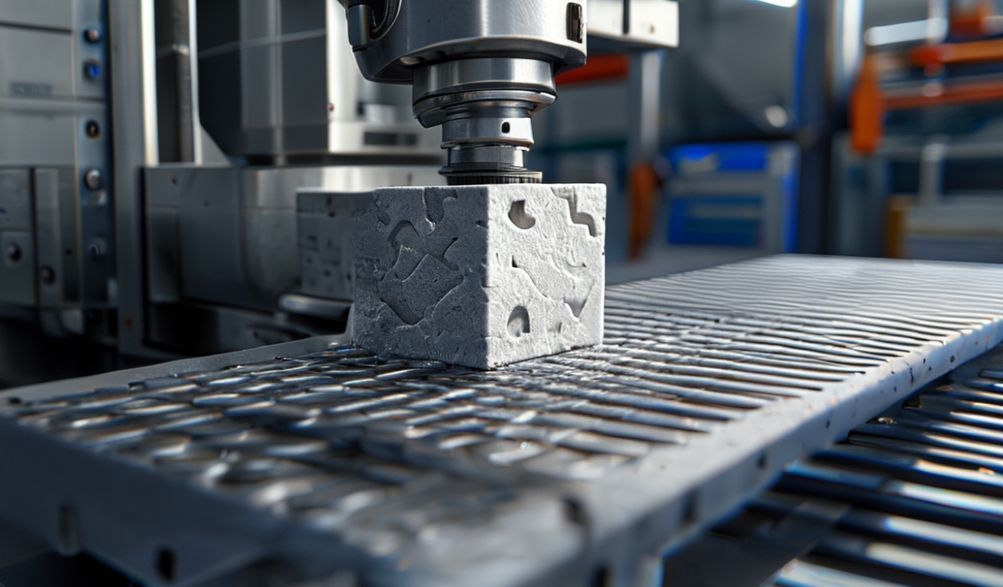
စိတ်ကြိုက် ပေါ့ပါးသော ကွန်ကရစ်ဘလောက်ပြုလုပ်သည့် စက်များ၏ အပြည့်အစုံလမ်းညွှန်
ပို့ဆောင်ခွင့်မြင့်မားမှု၊ အလုပ်အကိုင်အလေးပေးထုတ်လုပ်မှု သို့မဟုတ် ပေါ့ပါးသောဘလောက်များအတွက် တိကျသောပရောဂျက်လိုအပ်ချက်များကို ဖြည့်ဆည်းရာတွင် အခက်အခဲရှိနေပါသလား။ သင်တစ်ဦးတည်းမဟုတ်ပါ။ စက်ရုံအများအပြားသည် စံသတ်မှတ်ထားသော၊ ဆိုင်တွင်အဆင်သင့်ရရှိနိုင်သည့် ဘလောက်ပြုလုပ်သည့်စက်သည် ထူးခြားသောပစ္စည်းရောစပ်မှုများ၊ အထူးဒီဇိုင်းများ သို့မဟုတ် ရည်မှန်းချက်ကြီးသော ထုတ်လုပ်မှုပန်းတိုင်များကို လိုက်လျောညီထွေဖြစ်အောင် မတတ်နိုင်ဘဲ အဟန့်အတားတစ်ခုဖြစ်လာသည်ကို တွေ့ရှိကြသည်။ အဖြေသည် ယေဘုယျစက်တစ်ခုတွင် မဟုတ်ဘဲ သင့်လည်ပတ်မှုအတွက် တိကျစွာဒီဇိုင်းဆွဲထားသော ကိရိယာတစ်ခုတွင်သာ တည်ရှိပါသည်-စိတ်ကြိုက်ပေါ့ပါးသော ကွန်ကရစ်အုတ်ပြုလုပ်သည့်စက်.
စိတ်ကြိုက်ပြုလုပ်ထားသော စက်တစ်လုံးသည် သင့်ထုတ်လုပ်မှုလိုအပ်ချက်များ၊ ကုန်ကြမ်းပစ္စည်းများ၏ ဂုဏ်သတ္တိများ၊ ဘလောက်ဒီဇိုင်းများနှင့် အလိုအလျောက်လုပ်ဆောင်မှုလိုအပ်ချက်များအတွက် အခြေခံမှစ၍ တိကျစွာ ပြုလုပ်ထားသော စက်မှုလက်မှုပစ္စည်းတစ်ခုဖြစ်သည်။ ၎င်းသည် ဆိုင်မှအဆင်သင့်ဝယ်ယူထားသော ဝတ်စုံနှင့် ကျွမ်းကျင်သော ပန်းပုဆရာတစ်ဦးမှ လက်ရာဖြင့် ပြုလုပ်ထားသော ဝတ်စုံကြားက ခြားနားချက်နှင့် တူညီသည်။ ပထမဝတ်စုံသည် သင့်တော်ကောင်းသင့်တော်မည်၊ သို့သော် ဒုတိယဝတ်စုံသည် စွမ်းဆောင်ရည်ကို မြှင့်တင်ပေးပြီး အသာစီးရသော အရည်အသွေးကို ဖော်ဆောင်ပေးသည်။
This guide, drawn from deep industry experience, is designed to be your definitive resource. We’ll move beyond sales brochures to provide expert, actionable guidance. Our purpose is to equip business owners, project managers, and engineers with the knowledge needed to make a confident, informed investment. We will explore the transformative benefits of customization, break down the core options available, outline the step-by-step commissioning process, and highlight the critical considerations to ensure your investment delivers for years to come.
ပေါ့ပါးသောဘလောက်ထုတ်လုပ်မှုအတွက် စိတ်ကြိုက်ပြင်ဆင်ခြင်းသည် ကစားပွဲကိုပြောင်းလဲစေသည့်အရာ ဖြစ်ရခြင်းအကြောင်း
ပြိုင်ဆိုင်မှုမြင့်မားသော ဆောက်လုပ်ရေးပစ္စည်းဈေးကွက်တွင်၊ ထိရောက်မှုနှင့် ထုတ်ကုန်ကွဲပြားမှုတို့သည် အလွန်အရေးပါပါသည်။ စံသတ်မှတ်ထားသော စက်တစ်ခုသည် တစ်မျိုးတည်းသော ဖြေရှင်းနည်းကို ပေးစွမ်းနိုင်သော်လည်း၊ သင့်လုပ်ငန်းနှင့် သင့်၏ ပေါ့ပါးသော ကွန်ကရစ်ရောနှောမှုသည် ထူးခြားပါသည်။ စိတ်ကြိုက်ပြင်ဆင်ခြင်းသည် ဤကွာဟချက်ကို ဖြည့်ဆည်းပေးကာ၊ သင့်ထုတ်လုပ်မှုလိုင်းကို ကုန်ကျစရိတ်စင်တာတစ်ခုမှ နည်းဗျူဟာမြောက် အရင်းအမြစ်တစ်ခုအဖြစ် ပြောင်းလဲပေးပါသည်။
စံသတ်မှတ်ထားသော စက်များ၏ ကန့်သတ်ချက်များကို ကျော်လွှားခြင်း
Standard machines are built for the “average” use case, which often leads to significant operational friction:
- Incompatible Raw Material Mixes: Your specific blend of cement, fly ash, and lightweight aggregates (like perlite, pumice, or foam) has unique flow and compaction characteristics. A standard machine’s vibration frequency and pressure might be optimized for standard concrete, leading to poor compaction, inconsistent density, or excessive wear when processing your lighter mix.
- Inflexible Product Design: Need to produce an innovative interlocking shape for seismic zones, a special size for a modular building system, or a textured facade block? Standard molds are limited. A custom machine is built around your mold, ensuring perfect alignment and compaction for your proprietary design.
- Throughput Mismatches: A machine that’s too small creates production bottlenecks, while one that’s too large represents a wasteful capital expenditure and higher operational costs. Without customization, you’re forced to adapt your business to the machine’s capacity, not the other way around.
Key Benefits of a Tailored Machine
Investing in a custom solution addresses these limitations head-on, delivering tangible advantages:
- Enhanced Efficiency & Output: Every component, from the mixer cycle to the pallet return system, is synchronized with your production targets. This eliminates idle time, optimizes labor, and ensures you meet your daily output goals without guesswork.
- Optimal Product Quality: The machine’s heart—its compaction system—is engineered for your specific mix design. Precise control over vibration amplitude, frequency, and pressure ensures each block has consistent density, superior surface finish, and meets the required compressive strength, batch after batch.
- Long-Term Cost Savings: Purpose-built design reduces waste from faulty blocks, lowers energy consumption by eliminating over-engineered components, and minimizes costly downtime due to machine-material incompatibility. It’s an investment that pays dividends through operational excellence.
- ယှဉ်ပြိုင်မှုအသာစီး A custom machine enables you to produce blocks others cannot. This allows you to secure specialized contracts, command a price premium for high-performance or architecturally specific blocks, and truly differentiate your brand in a crowded marketplace.
Core Customization Options for Your Machine
Customization is not a vague concept; it’s a series of concrete engineering choices. Understanding these options is the first step in specifying your ideal machine.
Production Capacity & Automation Level
This is the foundational decision that dictates the machine’s scale and operational philosophy.
- Manual & Semi-Automatic: Ideal for smaller operations, start-ups, or producing highly specialized, low-volume blocks. Labor-intensive but with a lower initial investment.
- Fully Automatic & PLC-Controlled: The choice for medium to large-scale production. These systems feature automated material batching, mixing, molding, curing, and stacking. A Programmable Logic Controller (PLC) ensures precise, repeatable operations with minimal manual intervention, drastically reducing labor costs and human error.
Mold & Block Design Specifics
This is where your product vision becomes reality. The mold is the soul of your custom machine.
- Size & Shape: Beyond standard CMU sizes, you can specify blocks for insulated concrete forms (ICFs), unique interlocking patterns, landscaping units, or large-format panels.
- Surface Texture: Smooth, split-face, ribbed, or engraved—the mold cavity can be machined to impart the desired aesthetic directly during compaction.
- Mold Material & Precision: High-grade, abrasion-resistant steel with precise CNC machining is critical for block dimensional accuracy, easy demolding, and long mold life, especially with abrasive lightweight aggregates.
Raw Material Processing & Mixing System
Lightweight concrete is sensitive; its preparation cannot be an afterthought.
- Aggregate-Specific Engineering: The feeding system can be customized for different bulk densities. Whether you use expanded clay (LECA), polystyrene beads, or industrial foaming, the machine must handle them without segregation or damage.
- Specialized Mixers: A standard paddle mixer may not suffice. Custom solutions often include high-efficiency pan mixers or forced-action mixers designed to coat lightweight aggregates evenly and create a homogeneous, workable mix without crushing the delicate aggregates.
Machine Specifications & Features
These technical details define the machine’s performance and durability.
- တုန်ခါမှုစနစ် The key to compacting lightweight concrete. Options include:
- High-Frequency Vibro-Compaction: Excellent for achieving high-strength, low-void blocks.
- Hydraulic Pressure with Vibration: Provides the necessary “squeeze” for very low-density mixes containing high volumes of foam or lightweight aggregate.
- Mobility & Power Source: Choose between a stationary plant for fixed-location production or a mobile block making machine for on-site manufacturing. Power can be tailored for reliable grid electricity or remote diesel operation.
- Durability Enhancements: Special anti-corrosion coatings, hardened wear plates, and upgraded hydraulic components can be specified for harsh environments or particularly abrasive mixes.
The Step-by-Step Process for Commissioning a Custom Machine
Ordering a custom machine is a collaborative partnership, not a simple purchase. Here’s how a professional engagement unfolds.
Phase 1: In-Depth Needs Analysis
A reputable manufacturer will start by asking detailed questions to understand your business. Be prepared to discuss:
- What is your target daily output in blocks or cubic meters?
- What are the exact specifications of your block (dimensions, weight, density class, minimum compressive strength)?
- What is your precise raw material recipe and source?
- What is your available factory space, power supply, and labor scenario?
- What are your local quality standards or building codes?
Phase 2: Partnering with the Right Manufacturer
This is the most critical step. Your manufacturer’s expertise directly determines your success. Vet them rigorously using the E-E-A-T framework (Experience, Expertise, Authoritativeness, Trustworthiness):
- အတွေ့အကြုံ Request and scrutinize case studies or video evidence of previous custom builds, especially for lightweight concrete. A proven track record is non-negotiable.
- ကျွမ်းကျင်မှု Evaluate their engineering team. Do they ask insightful technical questions about your mix design? Their knowledge of lightweight concrete technology should be evident.
- ဩဇာတိက္ကမ Look for industry certifications, patents on block-making technology, and genuine client testimonials (ask for references you can contact).
- ယုံကြည်စိတ်ချရမှု Demand transparency. Is the pricing breakdown clear? Are the contract terms, warranty, and payment schedule fair? Most importantly, what is their after-sales service plan? Availability of spare parts and technical support is crucial.
Phase 3: Design, Fabrication, and Testing
Once partnered, the project moves into execution:
- Design & Approval: The manufacturer’s engineers will create CAD drawings and a full specification sheet for your review and approval.
- Fabrication: Specialized components are sourced and the machine is assembled in a controlled factory environment.
- Factory Acceptance Testing (FAT): This is your quality checkpoint. You or your representative should witness the machine undergo rigorous testing, ideally using a sample of your actual raw materials to produce sample blocks. This verifies performance before shipping.
Critical Considerations Before You Invest
Cost-Benefit Analysis: Custom vs. Standard
A custom machine requires a higher upfront investment. The justification is in the စုစုပေါင်းပိုင်ဆိုင်မှုကုန်ကျစရိတ် (TCO)နှင့်Return on Investment (ROI). Factor in:
* Increased Revenue from selling higher-value, differentiated blocks.
* Reduced Operational Costs from lower waste, energy use, and labor.
* Avoided Costs of downtime, rework, and missed opportunities.
While a standard machine has a lower sticker price, a custom machine is often more profitable over a 3–5 year period.
Technical Support and After-Sales Service
Treat this as a non-negotiable clause in any agreement. Ensure the manufacturer provides:
* A comprehensive operator training program at installation.
* Clear documentation (manuals, parts lists, wiring diagrams).
* A reliable supply of wear parts and critical spares.
* Access to remote troubleshooting and a commitment to on-site service if needed.
Future-Proofing Your Investment
Think long-term. Discuss with your manufacturer:
* Scalability: Can the machine’s control system or automation be upgraded later to increase output?
* ပြောင်းလွယ်ပြင်လွယ် Is the frame and press strong enough to accommodate future, slightly different mold sizes or a new mix design with minimal modification?
မကြာခဏ မေးလေ့ရှိသော မေးခွန်းများ (FAQ)
Q1: How much more expensive is a customized machine compared to a standard model?
က: There’s no fixed premium, as cost depends entirely on the scope of customization. While the initial price is higher, it’s more accurate to view it as a targeted investment. By solving specific operational inefficiencies, a custom machine often achieves a faster ROI through superior productivity, less waste, and the ability to command higher prices for specialized products.
Q2: What is the typical lead time for building a custom block making machine?
က: For a moderately complex machine, expect a lead time of 8 to 16 weeks from final design approval to factory testing. Highly complex systems can take longer. A professional manufacturer will provide a detailed project timeline with milestones after the needs analysis.
Q3: Can I use recycled materials in a customized lightweight block machine?
က: Absolutely. This is one of the strongest arguments for customization. Machines can be specifically engineered to handle recycled aggregates like processed construction waste, crushed glass, or rubber. The feeding, crushing (if needed), mixing, and compaction systems are all designed to manage the variable particle size and density of recycled content effectively.
Q4: How do I ensure the machine meets the quality standards of my region?
က: This is a key part of the specification process. You must inform the manufacturer of the relevant standards that govern your blocks (e.g., ASTM C90 in North America, EN 771-3 in Europe, or other local codes). A credible manufacturer will design the machine’s process parameters (pressure, vibration) to produce blocks that can be tested and certified to meet these standards. Request this in writing.
နိဂုံး
ရွေးချယ်ခြင်းစိတ်ကြိုက်ပေါ့ပါးသော ကွန်ကရစ်အုတ်ပြုလုပ်သည့်စက် is a strategic decision that positions your business for growth, quality leadership, and market differentiation. It moves you from adapting your process to a machine’s limitations to having a machine that is a perfect extension of your operational vision.
The journey requires due diligence. Prioritize a manufacturer’s demonstrated experience and engineering expertise in lightweight concrete above all else. The right partnership will yield not just a machine, but a cornerstone of your competitive advantage for the next decade.
Ready to explore specifications for your customized solution? Contact our engineering team for a confidential consultation to discuss your unique production goals.
Want to start your evaluation? Download our free checklist: “10 Essential Questions to Ask Before Ordering a Custom Block Making Machine.”
<