
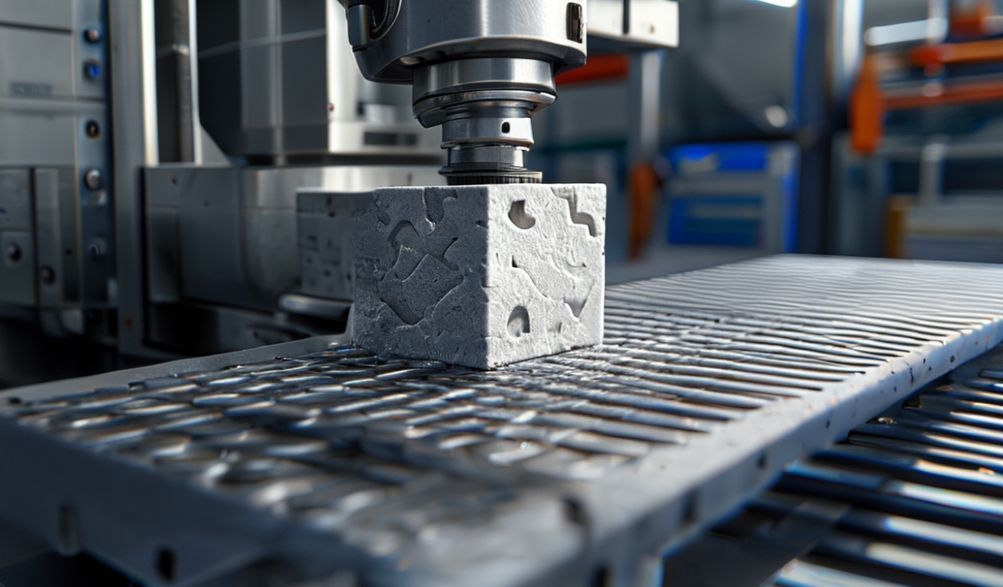
Жеке жеңіл бетон блоктарын жасау машиналарының толық нұсқаулығы
Жоғары жөнелту шығындарымен, еңбек сыйымды өндіріспен немесе жеңіл блоктардың белгілі бір жоба талаптарын орындаумен күресудесіз бе? Сіз жалғыз емессіз. Көптеген өндірушілер стандартты, дайын блок жасау машинасының тар шектеу болып, бірегей материалдар қоспасына, арнайы дизайнға немесе амбициялы өндіріс мақсаттарына бейімделе алмайтынын байқайды. Шешім жалпы машинада емес, сіздің нақты операцияңызға арнайы жасалған құралда:жекелендірілген жеңіл бетон блок жасау машинасы.
Теңдеусіз машина дәл осы - бұл сіздің нақты өндірістік қажеттіліктеріңізге, шикізат профильдеріңізге, блок дизайныңызға және автоматтандыру талаптарыңызға негізделген жеке өндірілген өнеркәсіптік жабдық. Бұл дайым костюм кию мен шебер қияршының тігіп берген костюмін кию арасындағы айырмашылық сияқты; біріншісі шамасыз сәйкес келуі мүмкін, ал екіншісі өнімділікті арттырып, сапасыз сапаны көрсетеді.
Бұл нұсқаулық саладағы терең тәжірибе негізінде жасалып, сіз үшін шешуші ақпарат көзі болуға арналған. Біз сату брошюраларынан асып, сарапшылық кеңестер мен іс-әрекетке бағытталған нұсқаулар ұсынамыз. Біздің мақсатымыз - кәсіпкерлерге, жоба менеджерлеріне және инженерлерге сенімді және хабардар шешім қабылдау үшін қажетті біліммен қамтамасыз ету. Біз жекешелендірудің түрлендіруші артықшылықтарын зерттейміз, қол жетімді негізгі опцияларды талдап көрсетеміз, сатылы қызметке қосу процесін сызып, сондай-ақ сіздің инвестицияңыздың ұзақ жылдар бойы тиімді болуын қамтамасыз ететін маңызды факторларды назарға аламыз.
Жеңіл блок өндірісі үшін теңшеу неліктен ойын өзгертеді
Бәсекелес құрылыс материалдары нарығында тиімділік пен өнімнің ерекшеленуі өте маңызды. Стандартты машина біркелкі тәсіл ұсынады, бірақ сіздің бизнесіңіз және жеңіл бетон қоспаңыз бірегей. Жекелендіру осы арақашықтықты толтырады, өндіріс желіңізді шығындар орталығынан стратегиялық активке айналдырады.
Стандартты машиналардың шектеулерін жеңу
Стандартты машиналар "орташа" қолдану жағдайына арналған, бұл жиі айтарлықтай операциялық қиындықтарға әкеледі:
- Сәйкес келмейтін шикізат қоспалары:Сіздің цемент, ұшқын күл және жеңіл агрегаттар (мысалы, перлит, пемза немесе көбік) қоспаңыздың өзіндік ағу және тығыздалу сипаттамалары бар. Стандартты машинаның діріл жиілігі мен қысымы қарапайым бетон үшін оңтайландырылған болуы мүмкін, бұл сіздің жеңіл қоспаңызды өңдеу кезінде нашар тығыздалу, біркелкі емес тығыздық немесе шамадан тыс тозуға әкелуі мүмкін.
- Ийкемсіз Өнім Дизайны:Сейсмикалық аймақтарға арналған инновациялық ілмекше пішін, модульдік құрылыс жүйесіне арналған арнайы өлшем немесе фактуралық фасад блоктарын жасау қажет пе? Стандартты қалыптар шектеулі. Сіздің қалыптыңызға арнайы машина жасалып, ол сіздің жеке дизайныңыз үшін тамаша туралау мен тығыздауды қамтамасыз етеді.
- Өнімділік сәйкессіздіктері:Тым кішкентай машина өндірістік тарылуларды тудырады, ал тым үлкен машина қаражаттың тиімсіз жұмсалуы мен жоғары операциялық шығындарды білдіреді. Бейімдеусіз, сіз өз бизнесіңізді машинаның қуатына бейімдеуге мәжбүр боласыз, керісінше емес.
Жекелендірілген машинаның негізгі артықшылықтары
Теңдеусіз шешімге инвестициялау бұл шектеулерге тікелей қарсы тұрады, нақты артықшылықтарды әкеледі:
- Жақсартылған тиімділік пен өнімділік:Әрбір компонент, араластырғыш циклынан тақтайшаны қайтару жүйесіне дейін, өндірістік мақсаттарыңызбен үйлестірілген. Бұл бос уақытты жояды, еңбекті оңтайландырады және күнделікті шығару мақсаттарыңызға болжамсыз жетуіңізді қамтамасыз етеді.
- Оңтайлы Өнім Сапасы:Машинаның жүрегі – оның тығыздау жүйесі – сіздің нақты аралас дизайныңызға арналған. Діріл амплитудасы, жиілігі және қысымын дәл басқару әр блоктың тығыздығын біркелкі етіп, үстіңгі бетінің жоғары сапалы болуын және қажетті қысу беріктігіне сай келуін партиядан партияға қамтамасыз етеді.
- Ұзақ мерзімді шығындарды үнемдеу:Арнайы жасалған дизайн ақаулы блоктардан туындаған шығынды азайтады, артық инженерлік құрамдас бөліктерді жою арқылы энергия тұтынуды төмендетеді және машина-материал сәйкессіздігінен болатын қымбат тоқтап қалуды азайтады. Бұл операциялық үздік нәтижелер арқылы пайда әкелетін инвестиция.
- Бәсекелестік артықшылық: A custom machine enables you to produce blocks others cannot. This allows you to secure specialized contracts, command a price premium for high-performance or architecturally specific blocks, and truly differentiate your brand in a crowded marketplace.
Core Customization Options for Your Machine
Customization is not a vague concept; it’s a series of concrete engineering choices. Understanding these options is the first step in specifying your ideal machine.
Өндірістік қуат және автоматтандыру деңгейі
This is the foundational decision that dictates the machine’s scale and operational philosophy.
- Manual & Semi-Automatic: Ideal for smaller operations, start-ups, or producing highly specialized, low-volume blocks. Labor-intensive but with a lower initial investment.
- Fully Automatic & PLC-Controlled: The choice for medium to large-scale production. These systems feature automated material batching, mixing, molding, curing, and stacking. A Programmable Logic Controller (PLC) ensures precise, repeatable operations with minimal manual intervention, drastically reducing labor costs and human error.
Mold & Block Design Specifics
This is where your product vision becomes reality. The mold is the soul of your custom machine.
- Size & Shape: Beyond standard CMU sizes, you can specify blocks for insulated concrete forms (ICFs), unique interlocking patterns, landscaping units, or large-format panels.
- Surface Texture: Smooth, split-face, ribbed, or engraved—the mold cavity can be machined to impart the desired aesthetic directly during compaction.
- Mold Material & Precision: High-grade, abrasion-resistant steel with precise CNC machining is critical for block dimensional accuracy, easy demolding, and long mold life, especially with abrasive lightweight aggregates.
Raw Material Processing & Mixing System
Lightweight concrete is sensitive; its preparation cannot be an afterthought.
- Aggregate-Specific Engineering: The feeding system can be customized for different bulk densities. Whether you use expanded clay (LECA), polystyrene beads, or industrial foaming, the machine must handle them without segregation or damage.
- Specialized Mixers: A standard paddle mixer may not suffice. Custom solutions often include high-efficiency pan mixers or forced-action mixers designed to coat lightweight aggregates evenly and create a homogeneous, workable mix without crushing the delicate aggregates.
Machine Specifications & Features
These technical details define the machine’s performance and durability.
- Діріл жүйесі: The key to compacting lightweight concrete. Options include:
- High-Frequency Vibro-Compaction: Excellent for achieving high-strength, low-void blocks.
- Hydraulic Pressure with Vibration: Provides the necessary “squeeze” for very low-density mixes containing high volumes of foam or lightweight aggregate.
- Mobility & Power Source: Choose between a stationary plant for fixed-location production or a mobile block making machine for on-site manufacturing. Power can be tailored for reliable grid electricity or remote diesel operation.
- Durability Enhancements: Special anti-corrosion coatings, hardened wear plates, and upgraded hydraulic components can be specified for harsh environments or particularly abrasive mixes.
The Step-by-Step Process for Commissioning a Custom Machine
Ordering a custom machine is a collaborative partnership, not a simple purchase. Here’s how a professional engagement unfolds.
Phase 1: In-Depth Needs Analysis
A reputable manufacturer will start by asking detailed questions to understand your business. Be prepared to discuss:
- What is your target daily output in blocks or cubic meters?
- What are the exact specifications of your block (dimensions, weight, density class, minimum compressive strength)?
- What is your precise raw material recipe and source?
- What is your available factory space, power supply, and labor scenario?
- What are your local quality standards or building codes?
Phase 2: Partnering with the Right Manufacturer
This is the most critical step. Your manufacturer’s expertise directly determines your success. Vet them rigorously using the E-E-A-T framework (Experience, Expertise, Authoritativeness, Trustworthiness):
- Тәжірибе: Request and scrutinize case studies or video evidence of previous custom builds, especially for lightweight concrete. A proven track record is non-negotiable.
- Біліктілік Evaluate their engineering team. Do they ask insightful technical questions about your mix design? Their knowledge of lightweight concrete technology should be evident.
- Сенімділік: Look for industry certifications, patents on block-making technology, and genuine client testimonials (ask for references you can contact).
- Сенімділік: Demand transparency. Is the pricing breakdown clear? Are the contract terms, warranty, and payment schedule fair? Most importantly, what is their after-sales service plan? Availability of spare parts and technical support is crucial.
Phase 3: Design, Fabrication, and Testing
Once partnered, the project moves into execution:
- Design & Approval: The manufacturer’s engineers will create CAD drawings and a full specification sheet for your review and approval.
- Fabrication: Specialized components are sourced and the machine is assembled in a controlled factory environment.
- Factory Acceptance Testing (FAT): This is your quality checkpoint. You or your representative should witness the machine undergo rigorous testing, ideally using a sample of your actual raw materials to produce sample blocks. This verifies performance before shipping.
Critical Considerations Before You Invest
Cost-Benefit Analysis: Custom vs. Standard
A custom machine requires a higher upfront investment. The justification is in the Жалпы меншіктің құны (ЖМҚ)жәнеReturn on Investment (ROI). Factor in:
* Increased Revenue from selling higher-value, differentiated blocks.
* Reduced Operational Costs from lower waste, energy use, and labor.
* Avoided Costs of downtime, rework, and missed opportunities.
While a standard machine has a lower sticker price, a custom machine is often more profitable over a 3–5 year period.
Technical Support and After-Sales Service
Treat this as a non-negotiable clause in any agreement. Ensure the manufacturer provides:
* A comprehensive operator training program at installation.
* Clear documentation (manuals, parts lists, wiring diagrams).
* A reliable supply of wear parts and critical spares.
* Access to remote troubleshooting and a commitment to on-site service if needed.
Future-Proofing Your Investment
Think long-term. Discuss with your manufacturer:
* Масштабталу мүмкіндігі: Can the machine’s control system or automation be upgraded later to increase output?
* Икемділік: Is the frame and press strong enough to accommodate future, slightly different mold sizes or a new mix design with minimal modification?
Жиі қойылатын сұрақтар (ЖҚС)
Q1: How much more expensive is a customized machine compared to a standard model?
A: There’s no fixed premium, as cost depends entirely on the scope of customization. While the initial price is higher, it’s more accurate to view it as a targeted investment. By solving specific operational inefficiencies, a custom machine often achieves a faster ROI through superior productivity, less waste, and the ability to command higher prices for specialized products.
Q2: What is the typical lead time for building a custom block making machine?
A: For a moderately complex machine, expect a lead time of 8 to 16 weeks from final design approval to factory testing. Highly complex systems can take longer. A professional manufacturer will provide a detailed project timeline with milestones after the needs analysis.
Q3: Can I use recycled materials in a customized lightweight block machine?
A: Absolutely. This is one of the strongest arguments for customization. Machines can be specifically engineered to handle recycled aggregates like processed construction waste, crushed glass, or rubber. The feeding, crushing (if needed), mixing, and compaction systems are all designed to manage the variable particle size and density of recycled content effectively.
Q4: How do I ensure the machine meets the quality standards of my region?
A: This is a key part of the specification process. You must inform the manufacturer of the relevant standards that govern your blocks (e.g., ASTM C90 in North America, EN 771-3 in Europe, or other local codes). A credible manufacturer will design the machine’s process parameters (pressure, vibration) to produce blocks that can be tested and certified to meet these standards. Request this in writing.
Қорытынды
Таңдаужекелендірілген жеңіл бетон блок жасау машинасы is a strategic decision that positions your business for growth, quality leadership, and market differentiation. It moves you from adapting your process to a machine’s limitations to having a machine that is a perfect extension of your operational vision.
The journey requires due diligence. Prioritize a manufacturer’s demonstrated experience and engineering expertise in lightweight concrete above all else. The right partnership will yield not just a machine, but a cornerstone of your competitive advantage for the next decade.
Ready to explore specifications for your customized solution? Contact our engineering team for a confidential consultation to discuss your unique production goals.
Want to start your evaluation? Download our free checklist: “10 Essential Questions to Ask Before Ordering a Custom Block Making Machine.”
<