
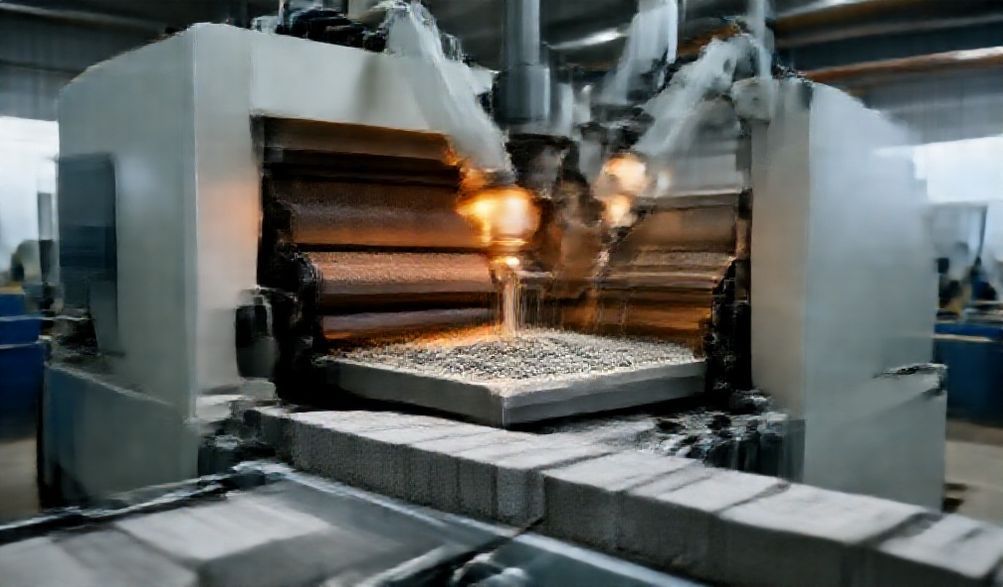
সিমেন্ট ফ্লাই অ্যাশ ইট তৈরির মেশিনের চূড়ান্ত নির্দেশিকা | ফুডা ফ্যাক্টরি থেকে অন্তর্দৃষ্টি
নির্মাণ শিল্প একটি গুরুত্বপূর্ণ সন্ধিক্ষণে দাঁড়িয়ে আছে। বিশ্ব যখন টেকসইতা ও সম্পদ দক্ষতার উপর তীব্রভাবে মনোনিবেশ করছে, তখন পরিবেশবান্ধব, উচ্চ-কার্যকরী নির্মাণ সামগ্রীর চাহিদা আগের চেয়ে অনেক বেশি। ঐতিহ্যবাহী ক্লে ইট উৎপাদন, যা উপরিভাগের মাটি খনন ও শক্তি-নিবিড় চুল্লি পোড়ানোর উপর নির্ভর করে, ক্রমবর্ধমানভাবে একটি পরিবেশগত দায় হিসেবে দেখা হচ্ছে।
আধুনিক সমাধান: সিমেন্ট ফ্লাই অ্যাশ ইট। এই উচ্চমানের নির্মাণ ব্লক একটি আকর্ষণীয় উত্তর প্রদান করে, কিন্তু এর ব্যাপক গ্রহণ নির্ভর করে দক্ষ, নির্ভরযোগ্য উৎপাদন প্রযুক্তির উপর। আর এখানেইসিমেন্ট ফ্লাই অ্যাশ ইট তৈরির মেশিনএকটি বুদ্ধিমত্তাপূর্ণ, সবুজ নির্মাণ ভবিষ্যতের মূলভিত্তিতে পরিণত হয়।
নির্মাতা, ঠিকাদার এবং উদ্যোক্তাদের জন্য, এই প্রযুক্তিতে বিনিয়োগ শুধুমাত্র একটি সরঞ্জাম ক্রয় নয়—এটি একটি কৌশলগত ব্যবসায়িক সিদ্ধান্ত। এই বিস্তৃত নির্দেশিকা শিল্পের সেরা অনুশীলন এবং প্রতিষ্ঠিত নির্মাতা কোম্পানিগুলোর প্রকৌশল দক্ষতার আলোকে এই মেশিনগুলোর জটিলতা দূর করবে।ফুদা ইট তৈরির কারখানাশেষ পর্যন্ত, আপনি প্রক্রিয়াটি, এর গভীর সুবিধাগুলো, অগ্রাধিকার দেওয়ার মূল বৈশিষ্ট্যগুলো এবং দীর্ঘমেয়াদী সাফল্য নিশ্চিত করে এমন একটি অংশীদার কীভাবে নির্বাচন করবেন তা বুঝতে পারবেন।
সিমেন্ট ফ্লাই অ্যাশ ইট তৈরির মেশিন কী?
এর মূলকথা হলো, একটি সিমেন্ট ফ্লাই অ্যাশ ইট তৈরির মেশিন হলো একটি স্বয়ংক্রিয় ব্যবস্থা যা কাঁচামালকে ঘন, সমরূপ এবং উচ্চ-শক্তির ইট বা ব্লকে রূপান্তর করার জন্য নকশা করা। এটি শ্রম-নিবিড়, অসামঞ্জস্যপূর্ণ ম্যানুয়াল পদ্ধতিগুলোকে সুনির্দিষ্ট প্রকৌশল দ্বারা প্রতিস্থাপন করে, নিশ্চিত করে যে প্রতিটি ইট কঠোর মানের মানদণ্ড পূরণ করে।
মূল কার্যাবলী এবং প্রক্রিয়া ব্যাখ্যা করা হয়েছে
মেশিনটি সাধারণত এই মূল পর্যায়গুলি অনুসরণ করে সম্পূর্ণ উত্পাদন চক্র স্বয়ংক্রিয় করে।
- খাওয়ানো:কাঁচামাল—প্রধানত সিমেন্ট, ফ্লাই অ্যাশ, বালি/পাথরের গুঁড়া এবং পানি—সুনির্দিষ্ট, পূর্বনির্ধারিত অনুপাতে মেশিনের মিক্সারে সরবরাহ করা হয়।
- মিশ্রণ:একটি শক্তিশালী মিক্সার উপকরণগুলিকে একটি সমজাতীয়, আধা-শুকনো কংক্রিট মিশ্রণে পরিণত করে, যা প্রথম ধাপ থেকেই সামঞ্জস্যপূর্ণ মান নিশ্চিত করে।
- মোল্ডিং ও কম্প্যাকশন:এটি প্রক্রিয়াটির হৃদয়। মিশ্রণটি ছাঁচে স্থানান্তরিত করা হয়। উচ্চ যান্ত্রিক চাপ এবং প্রায়শই কম্পনের সমন্বয়ে, মিশ্রণটি সংকুচিত করা হয় যাতে বায়ু শূন্যতা দূর হয় এবং কাঙ্ক্ষিত ইটের ঘনত্ব ও আকৃতি অর্জন করা হয়।
- বহিষ্কার ও নিরাময়:নতুন গঠিত, "সবুজ" ইটগুলি স্বয়ংক্রিয়ভাবে প্যালেট বা একটি কনভেয়ারে বের করে দেওয়া হয়। তারপর সেগুলো স্তূপ করে নিরাময় এলাকায় নিয়ে যাওয়া হয়, যেখানে নিয়ন্ত্রিত হাইড্রেশনের মাধ্যমে সময়ের সাথে সাথে সেগুলো শক্তি অর্জন করে।
কেন ফ্লাই অ্যাশ? পরিবেশগত ও অর্থনৈতিক সুবিধা
ফ্লাই অ্যাশ হল একটি সূক্ষ্ম গুঁড়া, যা তাপবিদ্যুৎ কেন্দ্রে পিষে রাখা কয়লা পোড়ানোর একটি উপজাত। ঐতিহাসিকভাবে বর্জ্য হিসেবে বিবেচিত হলেও, এটি এখন নির্মাণ শিল্পে একটি মূল্যবান সম্পদ।
- পরিবেশগত চ্যাম্পিয়ন:ফ্লাই অ্যাশ ব্যবহার করে ল্যান্ডফিল থেকে লক্ষ লক্ষ টন শিল্প বর্জ্য সরানো হয়। এটি সিমেন্টের চাহিদা হ্রাস করে, যার উৎপাদন বৈশ্বিক CO2 নির্গমনের একটি প্রধান উৎস, এর ফলে ইটের সামগ্রিক কার্বন ফুটপ্রিন্ট উল্লেখযোগ্যভাবে কমে আসে।
- অর্থনৈতিক বোধ:ফ্লাই অ্যাশ প্রায়শই সিমেন্টের চেয়ে কম ব্যয়বহুল। মিশ্রণে এর ব্যবহার কাঁচামালের খরচ কমাতে পারে। তদুপরি, পজোলানিক বিক্রিয়ার কারণে ফ্লাই অ্যাশ দিয়ে উৎপাদিত ইটগুলি প্রায়শই দীর্ঘমেয়াদী শক্তি এবং স্থায়িত্বে বেশি ভালো হয়।
- উৎকৃষ্ট পণ্য:ফ্লাই অ্যাশ ইটগুলি তাদের অভিন্ন রঙ, মসৃণ সমাপ্তি, চমৎকার সংকোচন শক্তি এবং ঐতিহ্যবাহী মাটির ইটের তুলনায় কম জল শোষণের জন্য পরিচিত, যা উন্নত প্লাস্টার বন্ধন এবং হ্রাসকৃত ইফ্লোরেসেন্সের দিকে পরিচালিত করে।
স্বয়ংক্রিয় ইট তৈরির মেশিন ব্যবহারের প্রধান সুবিধা
ম্যানুয়াল বা প্রাথমিক পদ্ধতি থেকে স্বয়ংক্রিয় ব্যবস্থায় রূপান্তর যেকোনো ব্যবসার জন্য রূপান্তরমূলক সুবিধা উন্মুক্ত করে।
অতুলনীয় দক্ষতা ও উৎপাদনশীলতা
- উচ্চ-আয়তনের আউটপুট:মেশিন প্রতি শিফটে হাজার হাজার ইট উৎপাদন করতে পারে, প্রয়োজনে ২৪/৭ ধারাবাহিকভাবে কাজ করতে পারে। এই স্কেলেবিলিটি হাতে-কলমে শ্রমের মাধ্যমে অসম্ভব।
- গতি ও ধারাবাহিকতা:স্বয়ংক্রিয় চক্রগুলি একটি অবিচ্ছিন্ন, পূর্বাভাসযোগ্য উৎপাদন প্রবাহ নিশ্চিত করে, যা সঠিক প্রকল্প পরিকল্পনা এবং সময়মতো অর্ডর পূরণের অনুমতি দেয়।
উচ্চমান এবং ধারাবাহিক ইটের গুণগত মান
- একই রকম নিশ্চিতপ্রতিটি ইটের আকার, আকৃতি, ওজন এবং ঘনত্ব অভিন্ন। এটি অনিয়মিত ইটের কারণে সাইটে অপচয় দূর করে এবং রাজমিস্ত্রির প্রক্রিয়া দ্রুততর করে।
- নিয়ন্ত্রিত শক্তি Precise pressure application ensures each brick meets or exceeds required compressive strength standards (like IS 12894 in India), building trust with engineers and clients.
উল্লেখযোগ্য দীর্ঘমেয়াদী খরচ হ্রাস
- Lower Labor Dependency: One automated machine can replace a large team of manual workers, drastically cutting recurring wage costs and management overhead.
- Optimized Material Use: Computerized or volumetric batching minimizes raw material waste, ensuring you get the maximum number of bricks from your input costs.
- উচ্চতর বিনিয়োগের উপর প্রাপ্তি While the initial investment is higher, the combination of massive output, lower operational costs, and premium product pricing leads to a faster and more substantial return on investment.
Enhanced Worker Safety and Ergonomic Design
- Reduced Physical Strain: Automation eliminates the heavy lifting and repetitive motions associated with manual brick molding, lowering the risk of musculoskeletal injuries.
- Safer Work Environment: Enclosed mixing and pressing areas reduce workers’ exposure to cement and fly ash dust, creating a cleaner, healthier workplace.
Types of Cement Fly Ash Brick Making Machines
Choosing the right type of machine is critical and depends entirely on your production goals, budget, and scale.
সম্পূর্ণ স্বয়ংক্রিয় বনাম আধা-স্বয়ংক্রিয় বনাম ম্যানুয়াল মেশিন
- সম্পূর্ণ স্বয়ংক্রিয়: The pinnacle of efficiency. These systems feature automated material handling, mixing, molding, and brick stacking. They require minimal human intervention, offer the highest output, and are ideal for large-scale plants with significant capital.
- সেমি-অটোমেটিক: A balanced choice for small to medium enterprises. The core pressing process is automated, but tasks like feeding raw materials or removing finished bricks may be manual. They offer excellent productivity at a more accessible price point.
- ম্যানুয়াল মেশিন: These are simple, lever-operated or small hydraulic presses. They have very low output and are labor-intensive but serve as an ultra-low-cost entry point for micro-enterprises or very specific, small-batch needs.
Stationary Plant vs. Mobile Block Making Machine
- স্থির উদ্ভিদ: Set up in a fixed factory location. Ideal for supplying a local market or multiple construction sites. Allows for optimized workflow, shelter for curing, and larger, more powerful equipment.
- Mobile Block Machine: Mounted on a trailer, it can be driven directly to a large construction site. This eliminates brick transportation costs for that project, as blocks are made on-demand, right where they will be used.
Key Machine Specifications to Understand
When evaluating machines, focus on these critical specs:
* চক্র সময় ও আউটপুট: Measured in bricks per hour or per 8-hour shift. This defines your production capacity.
* চাপ ধারণ ক্ষমতা: Measured in tons or megaPascals (MPa). Higher pressure generally produces denser, stronger bricks.
* শক্তি প্রয়োজন: The voltage and electrical load (in kW) needed to operate the machine.
* Brick Sizes & Mold Versatility: The range of brick and block sizes (solid, hollow, paver, interlocking) the machine can produce with different molds.
Inside Look: How FUDA Brick Making Factory Ensures Quality
Understanding a manufacturer’s philosophy and processes is key to assessing the long-term value of your investment. A factory like FUDA exemplifies the engineering rigor required for dependable machinery.
Engineering and Design Philosophy
Leading manufacturers prioritize durability above all. This means:
* Using high-grade, wear-resistant materials for critical components like the mold box (often hardened steel), hydraulic cylinders, and the main frame.
* Designing for user-friendly operation with intuitive control panels (often PLC-based) and easy access for maintenance.
* Focusing on low-maintenance design with sealed bearings, easily replaceable wear parts, and robust construction that withstands continuous operation.
Manufacturing and Quality Control Protocols
Quality isn’t an afterthought; it’s built into every stage:
* Component Sourcing: Critical parts like hydraulic pumps, motors, and electrical components are sourced from reputable brands.
* In-House Machining: Precision machining of parts ensures perfect fit and alignment, which is vital for consistent brick quality and machine longevity.
* Assembly & Testing: Each machine is assembled by skilled technicians and undergoes rigorous running tests before leaving the factory. This includes pressure tests, cycle tests, and safety checks.
Research, Development, and Innovation
A forward-thinking manufacturer continuously improves. This can involve:
* Optimizing vibration systems for better compaction with less energy.
* Developing new mold designs for innovative block profiles.
* Incorporating smart features like data loggers to track production efficiency or fault diagnostics for easier troubleshooting.
Choosing the Right Machine for Your Business
Making the correct choice requires honest self-assessment and careful supplier evaluation.
Assessing Your Production Needs and Scale
নিজেকে জিজ্ঞাসা করুন:
* What is my current and projected daily brick demand?
* What is my available budget (including machine, installation, and working capital)?
* Do I have adequate space for the machine, raw material storage, and brick curing?
* What is the skill level of my available workforce?
Essential Features to Prioritize
Regardless of type, a quality machine must have:
একটিheavy-duty, vibration-resistant frame.
একটিreliable, branded hydraulic system with proper cooling.
* An efficient and balanced vibration system for optimal compaction.
* Quick-change mold systems to switch production with minimal downtime.
* Integrated safety features like emergency stops and protective guards.
The Importance of Supplier Support and Service
The machine is a long-term asset. The supplier is your long-term partner. Exceptional after-sales support is non-negotiable and includes:
* A clear, comprehensive warranty.
* Ready availability of genuine spare parts.
* On-site installation, commissioning, and operator training.
* Responsive technical support via phone, email, or service visits.
Questions to Ask Your Machine Supplier
- Can you provide contact information for current clients in my region for a reference?
- What is included in the installation and commissioning process? Is training provided?
- Can you share a detailed list of recommended spare parts and their costs?
- What is the typical lead time for critical spare parts if they are not in stock locally?
- Do you offer guidance on optimal raw material mix designs for my local fly ash?
সচরাচর জিজ্ঞাসিত প্রশ্নাবলী (এফএকিউ)
Q1: What is the typical ratio of cement to fly ash in these bricks?
A common range is between 1:3 and 1:6 (cement:fly ash), with the balance being sand or stone dust. However, the optimal ratio is highly dependent on the quality (class) of your local fly ash and the target brick strength. Always consult your machine supplier or a materials engineer for a site-specific mix design.
Q2: How strong are fly ash bricks compared to traditional clay bricks?
Well-manufactured fly ash bricks consistently achieve a minimum compressive strength of 7.5 MPa to 10 MPa, often surpassing the requirements for Class I clay bricks. They also offer superior dimensional consistency, lower water absorption, and better resistance to salt attack.
Q3: What is the curing process for these bricks?
Unlike sun-dried clay bricks, cement-based bricks require controlled hydration. After molding, bricks are stacked and kept moist through water sprinkling or covered with wet gunny sacks for a minimum of 14-21 days. For faster strength gain, steam curing chambers can be used, achieving high strength in under 24 hours.
Q4: Can the machine produce different types of blocks (hollow, solid, paver)?
Yes, versatility is a key advantage. By simply changing the mold, most modern machines can produce a wide variety of products including solid blocks, hollow blocks (for load-bearing and partition walls), paving slabs, and interlocking blocks for landscaping. Confirm the specific mold compatibility with your supplier.
Q5: What is the expected return on investment (ROI) period?
ROI depends on factors like machine cost, local brick selling price, operational efficiency, and market demand. For a well-planned, medium-scale operation with good market access, a typical ROI period can range from 1 to 3 years. The high and consistent output of automated machines is the primary driver for this attractive payback period.
উপসংহার
Investing in a cement fly ash brick making machine is a decisive step toward a future-proof business. It aligns profitability with sustainability, offering a clear path to higher productivity, consistent quality, and a significantly reduced environmental impact. The technology empowers you to meet the growing demand for green building materials head-on.
As we’ve explored, the success of this investment hinges not just on the machine’s specifications, but on the expertise and reliability of the manufacturer behind it. A partner committed to robust engineering, rigorous quality control, and unwavering after-sales support—principles embodied by manufacturers like ফুদা ইট তৈরির কারখানা—transforms a capital purchase into a lasting competitive advantage.
Your next step is to move from research to action. Contact reputable suppliers for detailed quotations tailored to your needs, request a visit to a working plant to see the machinery in action, and begin calculating your production potential based on the opportunities in your local construction market. The foundation for a more efficient and sustainable building future is ready to be laid.
<