
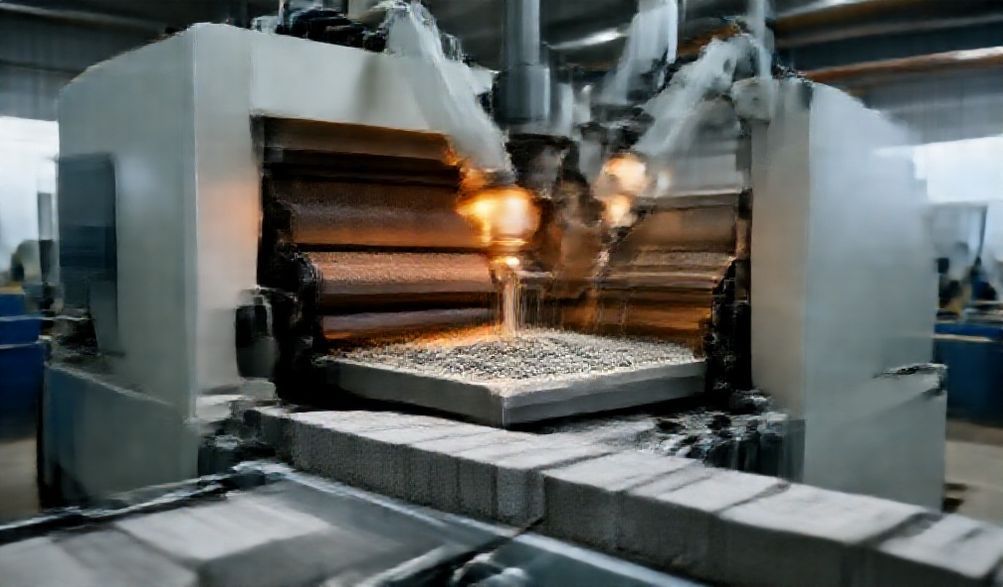
Inshinga yo Guhanga Amatafari y'Ubutaka bw'Umwotsi wa Sima | Ubumenyi bw'Uru ruganda rwa FUDA
Ubuhinga bw’ubwubatsi buri mu gihe cy’impinduka. Nk’uko isi yiyongera gukora ibikorwa byo kubungabunga ibidukikije no gukoresha ibikoresho neza, ibyo byifuzo by’ibikoresho byo kubaka bishobora gukoreshwa mu buryo butazigera ibidukikije kandi bikaba by’ikirenga, ntibyigeze byiyongera nk’ubu. Gukora amatafari y’ibumba mu buryo bwa kera, bikoresheje ubutaka bwo hejuru no gucana mu makiro bifite ingufu nyinshi, byiyongera kurebera nk’ibibangamira ibidukikije.
Injira mu isubizo rya kigezo: urukuta rwa sima n'ivu ry'umuriro. Iki gikingirizo cyiza cyane gifite igisubizo gishimishije, ariko gukoreshwa kwacyo mu buryo bwinshi bishingiye ku bukungu, ubwoko bwa tekinoroji ikora neza. Aha ni homashini yo gukora amatafari ya sima na ivu ry’umuriroByaba insanganyamatsiko y’ubwiza bw’ubucukumbuzi bwa mbere n’ibidukikije mu gihe kizaza.
Ku bubatsi, abakontarakazi, n'abacuruzi, gushora imari muri ubu bukoresha si ugutanga gusa ibikoresho—ni umwanzuro w'ubucuruzi w'ingamba. Iyi nyigisho yuzuye izasobanura neza ibi bikoresho, ishingiye ku migenzo myiza y'ubucuruzi n'ubuhanga bw'ubwubatsi bw'abakora ibikoresho nk'Uru ruganda rwubaka rwa FUDAByahuje, uzasobanukirwa uburyo, inyungu zikomeye, ibintu by'ingenzi byo gushyira imbere, n'uburyo bwo guhitamo umufatanyabikorwa uharanira gutsinda mu gihe kirekire.
Ni iki gikoresho cyo gukora amatafari ya sima na fly ash?
Mu mishinga yacyo, mashini yubaka amatafari ya sima na ivu ry'umuriro ni sisiteme y'imitomatoma yahangiwe guhindura iby'ingenzi ibigize amatafari mu mafirimbi y'ubatswe cyangwa amabuye yubatswe ahanitse, asa, kandi afite ingufu. Irihanura uburyo bwo gukora amatafari bukoresha abakozi benshi kandi budahwitse, bukoresha ubumenyi bw'ubuhanga mu gukora mashini, bigatuma buri tafari rihuje n'ibisabwa by'icyerekezo cy'ikizamini.
Ubusobanuro bw'Umurimo n'Uburyo bwo Gukora
Ishusho ryerekana mu buryo bwikora imirimo yose y'ubwubatsi, ikurikira ibi bice by'ingenzi:
- Kurisha:Ibikoresho by'ibanze—cyane cyane sima, ivu ry'umuriro, umusenyi/ivu ry'amabuye, n'amazi—biganishwa mu muvange w'umashini mu mibare isesuye, yagenwe mbere.
- Gukomatanya:Imashini ikomeye yo gukora sima isanganira ibikoresho mu buryo bungana, ikora sima yumye gato, ikomeza kugenzura ubwiza buhagaze kuva mu ntangiriro.
- Gukora no Gufumbata:Iyi ni umutima w'uburyo. Imvange ihanurwa mu miterere. Binyuze mu guhuza umushyitsi w'ikinyabiziga cyane hamwe n'umuvuduko, imvange ihanikwa kugirango ihanure umwuka kandi ihitamo uburemere n'umubare bw'ibikoresho by'ibumba byakiriwe.
- Guhomora & Gukora:Amatafari mashya, "yatsi" mu rurimi rw'icyongereza, akomoka mu mashi mu buryo bwikora ku bipaki cyangwa ku nzira yo gutwara. Nyuma yaho akaturikwa mu buryo bukurikiranye hanyuma ayimanwa ajyana mu cyicaro cyo gusukura, aho agakomeza mu gihe runaka binyuze mu gutanga amazi mu buryo bukurikiranye.
Kuki Gukoresha Ivumbi ry’Umuriro? Inyungu mu Buryo bw’Ibidukikije no mu Buryo bw’Imari
Umwotsi w’inkwi ni umukungugu mwiza, ukomoka mu gutwika inkwi zisandazwe mu bigaragaza umuriro. Mu mateka, wakorerwaga nk’imyanda, ariko ubu uba ingirakamaro mu kubaka.
- Umuhagarariye ibidukikije:Gukoresha ivu ry’umuriro birinda toni zigera kuri miliyoni z’imyanda y’inganda kujya mu mva. Bivanga kugira icyo gukoresha muri sima, itanga igice kinini cya CO2 isohorerwa ku isi, bigatuma ikiraro cy’ikarita cy’ibyatsi kigabanuka cyane.
- Ubwenge mu By'ubukungu:Umucanga wo mu kirere usanzwe uhenze cyane kuruta sima. Ukoreshwa mu gukoranya birashobora kugabanya ibiciro by'ibikoresho by'ibanze. Aha uko bikomeje, amatafari akorwa hamwe n'umucanga wo mu kirere akenshi agaragaza imbaraga n'ubuzirakare bw'igihe kirekire kubera ibikorwa bya pozzolanic.
- Umukoresha w'ikirenga:Amatafari ya Fly ash aziwe ku rwego rwo kugira ibara rimwe, gukomeza neza, ubushobozi bukomeye bwo gukomeza, no kugira ubushobozi buke bwo kunywa amazi mu gihe bigereranywa n’amatafari ya gisanzwe ya ibumba, bigatuma amatafari aho gushyirwaho sima akomeza neza kandi akagabanuka ubushyuhe.
Inzira Nziza Zo Gukoresha Imashini Itunganya Amatafari
Guhindura uburyo bwo gukora busanzwe cyangwa bukoreshwa mu buryo bwa kera ukanakoresha sisiteme y’ikoranabuhanga bifungura amahirwe yo guhinduka by’umwihariko kuri buri sosiyete.
Ubushobozi Budasanzwe n’Umusaruro
- Ibikoresho Birenze urugero.Imashini zishobora gukora ibyatsi by’ibumba ibihumbi byinshi mu gihe kimwe cy’akazi, zikikora buri munsi buri wese niba byakenewe. Ibi bikubiyemo ubushobozi bwo kwagura umusaruro ntibishoboka mugihe hakoreshwa abakozi.
- Ibyenda no gukomeza:Imikorere ya robotike ishimangira umuyoboro w'umurongo w'ikora urambye, uteganyijwe, ushobora gufasha mu gucunga ibikorwa by'umushinga neza no kuzuza amadeni mu gihe cyagenewe.
Ubwiza bwa Brike Bwiza kandi Bwihuse
- Uburinganire Buremeza:Amatafari yose ari kimwe mu bunini, imiterere, uburemere, no kuba yuzuye. Ibyo bikuraho uburasazwe ku mwanya bitewe n'amatafari atari kimwe kandi bigabanya igihe cyo kubaka.
- Ubushobozi Bwateganijwe:Gukoresha ingufu zikwiye mu buryo bukwiye bigira uruhare rwo guteza imbere ubushobozi bw'ibyuma byo kubaka (nk'IS 12894 mu Buhinde), bigatuma abanyabwenge n'abakiriya bifata neza.
Kugabanuka Kw'ibiciro Birebire Bifatika
- Kugabanuka kw’ibibazo by’abakozi:Mashini imwe y’ikoranabuhanga ishobora gusimbira itsinda rinini ry’abakozi b’abantu, ikaboneza cyane amafaranga y’imisoro isubiramo n’ibyiciro by’ubuyobozi.
- Gukoresha Ibikoresho mu buryo Bwiza:Gukoresha ibikoresho bya mudasobwa cyangwa ibipimo bya volumetric bigabanya ikoreshwa ryibihembo, bikanakugira ngo ubone umubare ushoboka w’amatafari mu gihe ubitsa amafaranga.
- Inyungu nyinshi y’amafaranga yatanzwe:Nubwo itangizwa ry’amafaranga ryari riri hejuru, guhuza ibikomoka mu byo uzakora byinshi, ibiciro byo gukoresha bigabanuka, n’ibiciro by’ibicuruzwa byiza, bituma umusaruro w’amafaranga yatanzwe ugira amahirwe yo kugera vuba kandi aniyongereye.
Kuvugurura Imikorere y'Abakozi no Gukora Imyanya y'Akazi mu buryo Bwiza
- Guhindura Imbaraga:Otomatike irasohora ubunini n’imyitwarire isubiramo ihuzwa no gukora amatafi y’ibumba n’amaboko, bigabanya ingaruka z’ibibazo by’imyitwarire.
- Umutekano Wiza mu Kazi:Ibice bifunze byo gukora no gukora ibikoresho bigabanya abakozi kugerwaho n'ivu ya sima na fly ash, bigatanga ahantu h'akazi heza kandi huzirirwa.
Ubwoko bw'Imashini zikora Amatafari y'Isemento na Fly Ash
Guhitamo ubwoko bw'umashini bukwiriye ni ngombwa kandi bigenwa gusa n'intego zawe zo gukora ibikorwa remezo, umutungo w'umutungo, n'ubunini bw'ibikorwa.
Imashini Zikora Byikoresho vs. Imashini Zikora Igice vs. Imashini Zikoreshwa n'Abantu
- Byakoreshejwe mu buryo bwikora:Ikibazo cy'ingirakamaro cy'ubucuruzi. Iyi mishinga ifite uburyo bwo kugenzura ibikoresho mu buryo bwikora, guhuza, gukora imyubako, no gushyira amatafi. Iyo mishinga isaba gukoresha abantu bake, itanga umusaruro mwinshi, kandi ni byiza kuri amashami makuru afite amafaranga menshi.
- Ibikoresho bigendeshwa n’umuntu: A balanced choice for small to medium enterprises. The core pressing process is automated, but tasks like feeding raw materials or removing finished bricks may be manual. They offer excellent productivity at a more accessible price point.
- Imashini z'ibikorwa by'amaboko: These are simple, lever-operated or small hydraulic presses. They have very low output and are labor-intensive but serve as an ultra-low-cost entry point for micro-enterprises or very specific, small-batch needs.
Stationary Plant vs. Mobile Block Making Machine
- Stationary Plant: Set up in a fixed factory location. Ideal for supplying a local market or multiple construction sites. Allows for optimized workflow, shelter for curing, and larger, more powerful equipment.
- Mobile Block Machine: Mounted on a trailer, it can be driven directly to a large construction site. This eliminates brick transportation costs for that project, as blocks are made on-demand, right where they will be used.
Key Machine Specifications to Understand
When evaluating machines, focus on these critical specs:
* Igihe cyo gukora & Ibisohoka: Measured in bricks per hour or per 8-hour shift. This defines your production capacity.
* Pressure Capacity: Measured in tons or megaPascals (MPa). Higher pressure generally produces denser, stronger bricks.
* Ubwishingizi bwa Power: The voltage and electrical load (in kW) needed to operate the machine.
* Brick Sizes & Mold Versatility: The range of brick and block sizes (solid, hollow, paver, interlocking) the machine can produce with different molds.
Inside Look: How FUDA Brick Making Factory Ensures Quality
Understanding a manufacturer’s philosophy and processes is key to assessing the long-term value of your investment. A factory like FUDA exemplifies the engineering rigor required for dependable machinery.
Ubugenge n'Ubusobanuro bw'Ubwenge
Leading manufacturers prioritize durability above all. This means:
* Using high-grade, wear-resistant materials for critical components like the mold box (often hardened steel), hydraulic cylinders, and the main frame.
* Designing for user-friendly operation with intuitive control panels (often PLC-based) and easy access for maintenance.
* Focusing on low-maintenance design with sealed bearings, easily replaceable wear parts, and robust construction that withstands continuous operation.
Manufacturing and Quality Control Protocols
Quality isn’t an afterthought; it’s built into every stage:
* Component Sourcing: Critical parts like hydraulic pumps, motors, and electrical components are sourced from reputable brands.
* Gukora mu rugo: Precision machining of parts ensures perfect fit and alignment, which is vital for consistent brick quality and machine longevity.
* Assembly & Testing: Each machine is assembled by skilled technicians and undergoes rigorous running tests before leaving the factory. This includes pressure tests, cycle tests, and safety checks.
Research, Development, and Innovation
A forward-thinking manufacturer continuously improves. This can involve:
* Optimizing vibration systems for better compaction with less energy.
* Developing new mold designs for innovative block profiles.
* Incorporating smart features like data loggers to track production efficiency or fault diagnostics for easier troubleshooting.
Choosing the Right Machine for Your Business
Making the correct choice requires honest self-assessment and careful supplier evaluation.
Assessing Your Production Needs and Scale
Ibaza.
* What is my current and projected daily brick demand?
* What is my available budget (including machine, installation, and working capital)?
* Do I have adequate space for the machine, raw material storage, and brick curing?
* What is the skill level of my available workforce?
Essential Features to Prioritize
Regardless of type, a quality machine must have:
* A heavy-duty, vibration-resistant frame.
* A reliable, branded hydraulic system with proper cooling.
* An efficient and balanced vibration system for optimal compaction.
* Quick-change mold systems to switch production with minimal downtime.
* Integrated safety features like emergency stops and protective guards.
The Importance of Supplier Support and Service
The machine is a long-term asset. The supplier is your long-term partner. Exceptional after-sales support is non-negotiable and includes:
* A clear, comprehensive warranty.
* Ready availability of genuine spare parts.
* On-site installation, commissioning, and operator training.
* Responsive technical support via phone, email, or service visits.
Questions to Ask Your Machine Supplier
- Can you provide contact information for current clients in my region for a reference?
- What is included in the installation and commissioning process? Is training provided?
- Can you share a detailed list of recommended spare parts and their costs?
- What is the typical lead time for critical spare parts if they are not in stock locally?
- Do you offer guidance on optimal raw material mix designs for my local fly ash?
Bibazo Byinshi Byibazwa (FAQ)
Q1: What is the typical ratio of cement to fly ash in these bricks?
A common range is between 1:3 and 1:6 (cement:fly ash), with the balance being sand or stone dust. However, the optimal ratio is highly dependent on the quality (class) of your local fly ash and the target brick strength. Always consult your machine supplier or a materials engineer for a site-specific mix design.
Q2: How strong are fly ash bricks compared to traditional clay bricks?
Well-manufactured fly ash bricks consistently achieve a minimum compressive strength of 7.5 MPa to 10 MPa, often surpassing the requirements for Class I clay bricks. They also offer superior dimensional consistency, lower water absorption, and better resistance to salt attack.
Q3: What is the curing process for these bricks?
Unlike sun-dried clay bricks, cement-based bricks require controlled hydration. After molding, bricks are stacked and kept moist through water sprinkling or covered with wet gunny sacks for a minimum of 14-21 days. For faster strength gain, steam curing chambers can be used, achieving high strength in under 24 hours.
Q4: Can the machine produce different types of blocks (hollow, solid, paver)?
Yes, versatility is a key advantage. By simply changing the mold, most modern machines can produce a wide variety of products including solid blocks, hollow blocks (for load-bearing and partition walls), paving slabs, and interlocking blocks for landscaping. Confirm the specific mold compatibility with your supplier.
Q5: What is the expected return on investment (ROI) period?
ROI depends on factors like machine cost, local brick selling price, operational efficiency, and market demand. For a well-planned, medium-scale operation with good market access, a typical ROI period can range from 1 to 3 years. The high and consistent output of automated machines is the primary driver for this attractive payback period.
Ibyo byose
Investing in a cement fly ash brick making machine is a decisive step toward a future-proof business. It aligns profitability with sustainability, offering a clear path to higher productivity, consistent quality, and a significantly reduced environmental impact. The technology empowers you to meet the growing demand for green building materials head-on.
As we’ve explored, the success of this investment hinges not just on the machine’s specifications, but on the expertise and reliability of the manufacturer behind it. A partner committed to robust engineering, rigorous quality control, and unwavering after-sales support—principles embodied by manufacturers like Uru ruganda rwubaka rwa FUDA—transforms a capital purchase into a lasting competitive advantage.
Your next step is to move from research to action. Contact reputable suppliers for detailed quotations tailored to your needs, request a visit to a working plant to see the machinery in action, and begin calculating your production potential based on the opportunities in your local construction market. The foundation for a more efficient and sustainable building future is ready to be laid.
<