
ຄູ່ມືສຸດທ້າຍສໍາລັບເຄື່ອງຈັກຜະລິດດິນຈີ່ຊີແມັງຖ່ານບົດ | ຂໍ້ມູນຈາກໂຮງງານ FUDA
ອຸດສາຫະກໍາການກໍ່ສ້າງ ກໍາລັງຢູ່ທາງປ່ຽງທີ່ສໍາຄັນ. ໃນຂະນະທີ່ໂລກເພີ່ມຄວາມສົນໃຈໃນການພັດທະນາແບບຍືນຍົງ ແລະ ປະສິດທິພາບດ້ານຊັບພະຍາກອນ, ຄວາມຕ້ອງການວັດສະດຸກໍ່ສ້າງທີ່ເປັນມິດກັບສິ່ງແວດລ້ອມ ແລະ ມີປະສິດທິພາບສູງ ກໍ່ບໍ່ເຄີຍມີຫຼາຍປານນີ້ມາກ່ອນ. ການຜະລິດດິນຈີ່ດິນເຜົາແບບດັ້ງເດີມ, ທີ່ອີງໃສ່ການຂຸດເອົາດິນຊັ້ນໜ້າ ແລະ ການເຜົາໃນເຕົາໄຟທີ່ໃຊ້ພະລັງງານຫຼາຍ, ກໍ່ຖືກເຫັນວ່າເປັນຄວາມຮັບຜິດຊອບຕໍ່ສິ່ງແວດລ້ອມຫຼາຍຂຶ້ນເລື້ອຍໆ.
ເຂົ້າສູ່ວິທີແກ້ໄຂສະໄໝໃໝ່: ດິນຈີ່ຊີແມັດຖ່ານຟອຍ. ບລັອກການກໍ່ສ້າງທີ່ດີເລີດນີ້ໃຫ້ຄໍາຕອບທີ່ຫນ້າເຊື່ອຖື, ແຕ່ການນໍາໃຊ້ຢ່າງກວ້າງຂວາງຂອງມັນຂຶ້ນກັບເຕັກໂນໂລຢີການຜະລິດທີ່ມີປະສິດທິພາບ ແລະ ໜ້າເຊື່ອຖື. ນີ້ແມ່ນບ່ອນທີ່...ເຄື່ອງຈັກຜະລິດດິນຈີ່ຊີແມັງຖ່ານຟອຍກາຍເປັນຫຼັກຊີວະຂອງອະນາຄົດການກໍ່ສ້າງທີ່ສະຫຼາດ ແລະ ເປັນມິດກັບສິ່ງແວດລ້ອມ.
ສຳລັບນັກກໍ່ສ້າງ, ຜູ້ຮັບເຫື່ອງ, ແລະນັກທຸລະກິດ, ການລົງທຶນໃນເຕັກໂນໂລຊີນີ້ບໍ່ແມ່ນພຽງແຕ່ການຊື້ອຸປະກອນ—ມັນແມ່ນການຕັດສິນໃຈທາງດ້ານຍຸດທະສາດທຸລະກິດ. ຄູ່ມືທີ່ສົມບູນນີ້ຈະຊ່ວຍເຮັດໃຫ້ເຄື່ອງຈັກເຫຼົ່ານີ້ເຂົ້າໃຈໄດ້ງ່າຍຂຶ້ນ, ໂດຍອີງໃສ່ພຶດຕິກຳທີ່ດີທີ່ສຸດໃນອຸດສາຫະກຳ ແລະຄວາມຊ່ຽວຊານດ້ານວິສະວະກຳຈາກຜູ້ຜະລິດທີ່ເຄົາລົບນັບຖືເຊັ່ນບໍລິສັດຜະລິດດິນຈີ່ຟູດາໃນທີ່ສຸດ, ທ່ານຈະເຂົ້າໃຈກະບວນການ, ຜົນປະໂຫຍດທີ່ເລິກເຊິ່ງ, ຄຸນສົມບັດຫຼັກທີ່ຄວນໃຫ້ຄວາມສຳຄັນ, ແລະວິທີການເລືອກຄູ່ຮ່ວມງານທີ່ຮັບປະກັນຄວາມສຳເລັດໃນຍາວນານ.
ເຄື່ອງຈັກກໍ່ສ້າງດິນຈີ່ປະສົມຊີມັງຕກຖ່ານແມ່ນຫຍັງ?
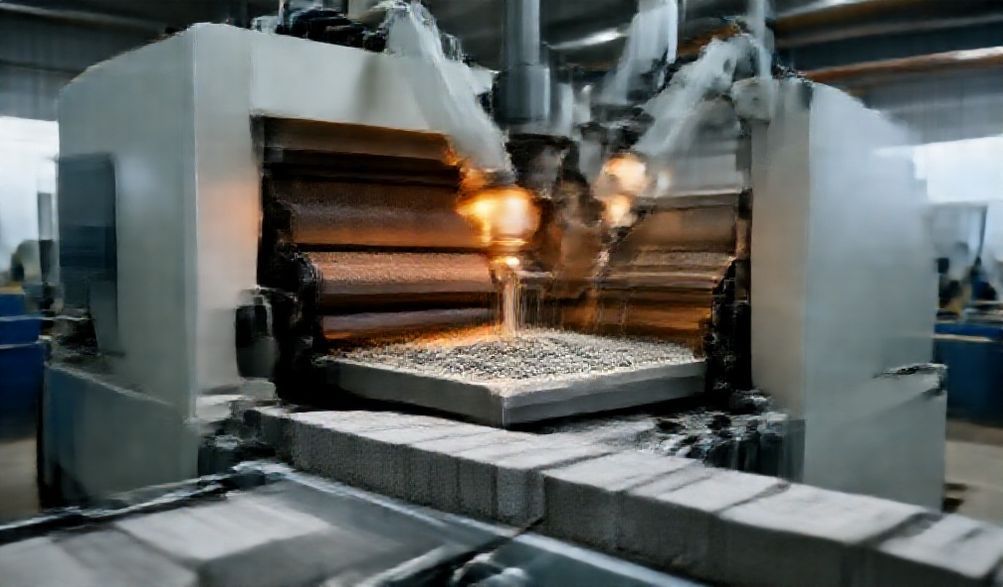
ໃນຫຼັກການ, ເຄື່ອງຈັກຜະລິດດິນຈີ່ຝຸ່ນຖ່ານກ້ອນແມ່ນລະບົບອັດຕະໂນມັດທີ່ຖືກອອກແບບມາເພື່ອປ່ຽນວັດສະດຸດິບໃຫ້ກາຍເປັນດິນຈີ່ຫຼືບລັອກທີ່ໜາແໜ້ນ, ສະໝໍ່າສະເໝີ, ແລະມີຄວາມແຂງແຮງສູງ. ມັນແທນທີ່ວິທີການທຳມະດາທີ່ໃຊ້ແຮງງານຫຼາຍ ແລະ ບໍ່ສະໝໍ່າສະເໝີດ້ວຍວິສະວະກຳທີ່ຊັດເຈນ, ເຮັດໃຫ້ດິນຈີ່ທຸກແຜ່ນຕອບສະໜອງມາດຕະຖານຄຸນນະພາບທີ່ເຂັ້ມງວດ.
ຫນ້າທີ່ຫຼັກ ແລະ ຂະບວນການອະທິບາຍ
ເຄື່ອງຈັກດັ່ງກ່າວເຮັດໃຫ້ວົງຈອນການຜະລິດທັງໝົດເປັນແບບອັດຕະໂນມັດ, ເຊິ່ງປົກກະຕິແລ້ວປະກອບດ້ວຍຂັ້ນຕອນຕ່າງໆດັ່ງນີ້:
- ການກິນອາຫານ:ວັດຖຸດິບ—ສ່ວນໃຫຍ່ແມ່ນຊີແມັງ, ຖ່ານບິ, ຊາຍ/ຝຸ່ນຫີນ, ແລະນ້ຳ—ຖືກສົ່ງເຂົ້າໄປໃນເຄື່ອງປະສົມຂອງເຄື່ອງຈັກດ້ວຍອັດຕາສ່ວນທີ່ຖືກກຳນົດໄວ້ຢ່າງຊັດເຈນ.
- ປະສົມອຸປະກອນປະສົມທີ່ມີພະລັງສູງຈະປະສົມວັດສະດຸເຂົ້າກັນຈົນໄດ້ຄວາມຊຸ່ມເປັນຄອນກີດກ້ອນກາງແຫ້ງ, ຮັບປະກັນຄຸນນະພາບທີ່ສອດຄ່ອງຕັ້ງແຕ່ຂັ້ນຕອນທຳອິດ.
- ການປຸງແບບ & ການອັດແໜ້ນ:ນີ້ແມ່ນຫົວໃຈຂອງຂະບວນການ. ສ່ວນປະສົມຖືກໂອນເຂົ້າໄປໃນແມ່ພິມ. ຜ່ານການປະສົມປະສານຂອງແຮງດັນເຄື່ອງຈັກສູງ ແລະ ມັກຈະມີການສັ່ນ, ສ່ວນປະສົມຖືກອັດແໜ້ນເພື່ອຂັບໄລ່ຊ່ອງວ່າງອາກາດ ແລະ ບັນລຸຄວາມໜາແໜ້ນ ແລະ ຮູບຮ່າງຂອງດິນຈີ່ຕາມທີ່ຕ້ອງການ.
- ການຂັບໄລ່ ແລະ ການປິ່ນປົວ:ດິນຈີ່ທີ່ຖືກປັ້ນສົດໆ ຫຼື "ດິນຈີ່ດິບ" ຈະຖືກຂັບອອກໂດຍອັດຕະໂນມັດລົງໃສ່ຖານຫຼືເຄື່ອງສົ່ງ. ຫຼັງຈາກນັ້ນ, ພວກມັນຈະຖືກວາງຊັ້ນແລະຍ້າຍໄປຍັງພື້ນທີ່ບຳລຸງຄວາມແຂງແຮງ, ບ່ອນທີ່ພວກມັນຈະຄ່ອຍໆເພີ່ມຄວາມແຂງແຮງຜ່ານການຄວບຄຸມການດູດນ້ຳຕາມເວລາ.
ເປັນຫຍັງຕ້ອງໃຊ້ຝຸ່ນຖ່ານຫີນ? ຂໍ້ໄດ້ປຽບດ້ານສິ່ງແວດລ້ອມ ແລະ ເສດຖະກິດ
ຝຸ່ນຂີ້ເຖົ່າແມ່ນຜົງລະອຽດ, ເປັນຜະລິດຕະພັນຂ້າງຄຽງຈາກການເຜົາຜະຫຼິດຖ່ານຫີນໃນໂຮງງານຜະລິດໄຟຟ້າ. ເມື່ອກ່ອນຖືກຈັດການເປັນຂີ້ເຫຍື້ອ, ແຕ່ປັດຈຸບັນມັນໄດ້ກາຍເປັນຊັບພະຍາກອນທີ່ມີຄຸນຄ່າໃນການກໍ່ສ້າງ.
- ຜູ້ປົກປ້ອງສິ່ງແວດລ້ອມ:ການນຳໃຊ້ຖ່ານຟືນບິນຊ່ວຍປ່ຽນເສັ້ນທາງຂອງຂີ້ເຫຍື້ອອຸດສາຫະກຳຫຼາຍລ້ານໂຕນຈາກບ່ອນທຳລາຍຂີ້ເຫຍື້ອ. ມັນຊ່ວຍຫຼຸດຄວາມຕ້ອງການຊີມັງ, ເຊິ່ງການຜະລິດຊີມັງເປັນແຫຼ່ງຫຼັກຂອງການປ່ອຍອາຍຄາບອນໄດອອກໄຊທົ່ວໂລກ, ດັ່ງນັ້ນຈຶ່ງຊ່ວຍຫຼຸດຮ່າງຮອຍຄາບອນລວມຂອງດິນຈີ່ໄດ້ຢ່າງຫຼວງຫຼາຍ.
- ເສດຖະສາດທີ່ສອດຄ່ອງຂີ້ເຖົ່າບິນມັກຈະມີລາຄາຖືກກວ່າຊີມັງ. ການນຳໃຊ້ມັນໃນສ່ວນປະສົມສາມາດຫຼຸດຕົ້ນທຶນວັດຖຸດິບໄດ້. ນອກຈາກນັ້ນ, ອິດທີ່ຜະລິດດ້ວຍຂີ້ເຖົ່າບິນມັກຈະມີຄວາມແຂງແຮງແລະຄວາມທົນທານໃນໄລຍະຍາວທີ່ດີກວ່າ ເນື່ອງຈາກປະຕິກິລິຍາ pozzolanic.
- ຜະລິດຕະພັນທີ່ດີກວ່າອິດຂີ້ເທີ່ແຮ່ທາດ (Fly ash bricks) ເປັນທີ່ຮູ້ຈັກກັບສີທີ່ສະເໝືອນກັນ, ຜິວອ່ອນນຸ້ມກຽບ, ກໍາລັງບີບອັດທີ່ດີເລີດ ແລະ ອັດຕາການດູດນໍ້າທີ່ຕໍ່າກວ່າເມື່ອທຽບກັບອິດດິນດານດັ້ງເດີມ, ເຮັດໃຫ້ແປ້ງປູນຕິດຢູ່ເທິງພື້ນຜິວໄດ້ດີຂຶ້ນ ແລະ ຫຼຸດການຂຶ້ນຂາວ (efflorescence).
ຂໍ້ດີສຳຄັນຂອງການໃຊ້ເຄື່ອງປັ້ນດິນຈີ່ອັດຕະໂນມັດ
ການປ່ຽນຈາກວິທີການດຳເນີນງານດ້ວຍມື ຫຼື ວິທີການທີ່ງ່າຍດາຍ ໄປສູ່ລະບົບອັດຕະໂນມັດ ເປີດທາງໃຫ້ຜົນປະໂຫຍດທີ່ປະລິມານການປ່ຽນແປງ ສຳລັບທຸລະກິດໃດໜຶ່ງ.
ປະສິດທິພາບ ແລະ ຜະລິດພາບທີ່ບໍ່ມີໃຜທຽບເທົ່າ
- ຜົນຜະລິດທີ່ມີປະລິມານສູງເຄື່ອງຈັກສາມາດຜະລິດດິນຈີ່ຫຼາຍພັນກ້ອນຕໍ່ການປ່ຽນກະແສໄຟຟ້າ, ເຮັດວຽກຢ່າງຕໍ່ເນື່ອງ 24/7 ຖ້າຈໍາເປັນ. ຄວາມສາມາດໃນການຂະຫຍາຍຜົນຜະລິດແບບນີ້ບໍ່ສາມາດເຮັດໄດ້ດ້ວຍແຮງງານຄົນ.
- Speed and Consistency: Automated cycles ensure a continuous, predictable production flow, allowing for accurate project planning and timely order fulfillment.
ຄຸນນະພາບດິນຈີ່ທີ່ດີເລີດ ແລະ ສະຖຽນລະພາບ
- Uniformity Guaranteed: Every brick is identical in size, shape, weight, and density. This eliminates waste on-site due to irregular bricks and speeds up the masonry process.
- Controlled Strength: Precise pressure application ensures each brick meets or exceeds required compressive strength standards (like IS 12894 in India), building trust with engineers and clients.
Significant Long-Term Cost Reduction
- Lower Labor Dependency: One automated machine can replace a large team of manual workers, drastically cutting recurring wage costs and management overhead.
- Optimized Material Use: Computerized or volumetric batching minimizes raw material waste, ensuring you get the maximum number of bricks from your input costs.
- Higher ROI: While the initial investment is higher, the combination of massive output, lower operational costs, and premium product pricing leads to a faster and more substantial return on investment.
Enhanced Worker Safety and Ergonomic Design
- Reduced Physical Strain: Automation eliminates the heavy lifting and repetitive motions associated with manual brick molding, lowering the risk of musculoskeletal injuries.
- Safer Work Environment: Enclosed mixing and pressing areas reduce workers’ exposure to cement and fly ash dust, creating a cleaner, healthier workplace.
Types of Cement Fly Ash Brick Making Machines
Choosing the right type of machine is critical and depends entirely on your production goals, budget, and scale.
ເຄື່ອງຈັກອັດຕະໂນມັດທັງໝົດ ທຽບກັບ ເຄື່ອງຈັກອັດຕະໂນມັດກາງ ທຽບກັບ ເຄື່ອງຈັກຄວບຄຸມດ້ວຍມື
- ເຄື່ອງອັດໂອໂຕເຕັມ: The pinnacle of efficiency. These systems feature automated material handling, mixing, molding, and brick stacking. They require minimal human intervention, offer the highest output, and are ideal for large-scale plants with significant capital.
- ກົງກັນຂ້າມ: A balanced choice for small to medium enterprises. The core pressing process is automated, but tasks like feeding raw materials or removing finished bricks may be manual. They offer excellent productivity at a more accessible price point.
- ຈັກກົນມື: These are simple, lever-operated or small hydraulic presses. They have very low output and are labor-intensive but serve as an ultra-low-cost entry point for micro-enterprises or very specific, small-batch needs.
Stationary Plant vs. Mobile Block Making Machine
- Stationary Plant: Set up in a fixed factory location. Ideal for supplying a local market or multiple construction sites. Allows for optimized workflow, shelter for curing, and larger, more powerful equipment.
- Mobile Block Machine: Mounted on a trailer, it can be driven directly to a large construction site. This eliminates brick transportation costs for that project, as blocks are made on-demand, right where they will be used.
Key Machine Specifications to Understand
When evaluating machines, focus on these critical specs:
* Cycle Time & Output: Measured in bricks per hour or per 8-hour shift. This defines your production capacity.
* Pressure Capacity: Measured in tons or megaPascals (MPa). Higher pressure generally produces denser, stronger bricks.
* Power Requirement: The voltage and electrical load (in kW) needed to operate the machine.
* Brick Sizes & Mold Versatility: The range of brick and block sizes (solid, hollow, paver, interlocking) the machine can produce with different molds.
Inside Look: How FUDA Brick Making Factory Ensures Quality
Understanding a manufacturer’s philosophy and processes is key to assessing the long-term value of your investment. A factory like FUDA exemplifies the engineering rigor required for dependable machinery.
Engineering and Design Philosophy
Leading manufacturers prioritize durability above all. This means:
* Using high-grade, wear-resistant materials for critical components like the mold box (often hardened steel), hydraulic cylinders, and the main frame.
* Designing for user-friendly operation with intuitive control panels (often PLC-based) and easy access for maintenance.
* Focusing on low-maintenance design with sealed bearings, easily replaceable wear parts, and robust construction that withstands continuous operation.
Manufacturing and Quality Control Protocols
Quality isn’t an afterthought; it’s built into every stage:
* Component Sourcing: Critical parts like hydraulic pumps, motors, and electrical components are sourced from reputable brands.
* In-House Machining: Precision machining of parts ensures perfect fit and alignment, which is vital for consistent brick quality and machine longevity.
* Assembly & Testing: Each machine is assembled by skilled technicians and undergoes rigorous running tests before leaving the factory. This includes pressure tests, cycle tests, and safety checks.
Research, Development, and Innovation
A forward-thinking manufacturer continuously improves. This can involve:
* Optimizing vibration systems for better compaction with less energy.
* Developing new mold designs for innovative block profiles.
* Incorporating smart features like data loggers to track production efficiency or fault diagnostics for easier troubleshooting.
Choosing the Right Machine for Your Business
Making the correct choice requires honest self-assessment and careful supplier evaluation.
Assessing Your Production Needs and Scale
ຖາມຕົວເອງ:
* What is my current and projected daily brick demand?
* What is my available budget (including machine, installation, and working capital)?
* Do I have adequate space for the machine, raw material storage, and brick curing?
* What is the skill level of my available workforce?
Essential Features to Prioritize
Regardless of type, a quality machine must have:
* ເອheavy-duty, vibration-resistant frame.
* ເອreliable, branded hydraulic system with proper cooling.
* An efficient and balanced vibration system for optimal compaction.
* Quick-change mold systems to switch production with minimal downtime.
* Integrated safety features like emergency stops and protective guards.
The Importance of Supplier Support and Service
The machine is a long-term asset. The supplier is your long-term partner. Exceptional after-sales support is non-negotiable and includes:
* A clear, comprehensive warranty.
* Ready availability of genuine spare parts.
* On-site installation, commissioning, and operator training.
* Responsive technical support via phone, email, or service visits.
Questions to Ask Your Machine Supplier
- Can you provide contact information for current clients in my region for a reference?
- What is included in the installation and commissioning process? Is training provided?
- Can you share a detailed list of recommended spare parts and their costs?
- What is the typical lead time for critical spare parts if they are not in stock locally?
- Do you offer guidance on optimal raw material mix designs for my local fly ash?
Frequently Asked Questions (FAQ)
Q1: What is the typical ratio of cement to fly ash in these bricks?
A common range is between 1:3 and 1:6 (cement:fly ash), with the balance being sand or stone dust. However, the optimal ratio is highly dependent on the quality (class) of your local fly ash and the target brick strength. Always consult your machine supplier or a materials engineer for a site-specific mix design.
Q2: How strong are fly ash bricks compared to traditional clay bricks?
Well-manufactured fly ash bricks consistently achieve a minimum compressive strength of 7.5 MPa to 10 MPa, often surpassing the requirements for Class I clay bricks. They also offer superior dimensional consistency, lower water absorption, and better resistance to salt attack.
Q3: What is the curing process for these bricks?
Unlike sun-dried clay bricks, cement-based bricks require controlled hydration. After molding, bricks are stacked and kept moist through water sprinkling or covered with wet gunny sacks for a minimum of 14-21 days. For faster strength gain, steam curing chambers can be used, achieving high strength in under 24 hours.
Q4: Can the machine produce different types of blocks (hollow, solid, paver)?
Yes, versatility is a key advantage. By simply changing the mold, most modern machines can produce a wide variety of products including solid blocks, hollow blocks (for load-bearing and partition walls), paving slabs, and interlocking blocks for landscaping. Confirm the specific mold compatibility with your supplier.
Q5: What is the expected return on investment (ROI) period?
ROI depends on factors like machine cost, local brick selling price, operational efficiency, and market demand. For a well-planned, medium-scale operation with good market access, a typical ROI period can range from 1 to 3 years. The high and consistent output of automated machines is the primary driver for this attractive payback period.
ສະຫຼຸບ
Investing in a cement fly ash brick making machine is a decisive step toward a future-proof business. It aligns profitability with sustainability, offering a clear path to higher productivity, consistent quality, and a significantly reduced environmental impact. The technology empowers you to meet the growing demand for green building materials head-on.
As we’ve explored, the success of this investment hinges not just on the machine’s specifications, but on the expertise and reliability of the manufacturer behind it. A partner committed to robust engineering, rigorous quality control, and unwavering after-sales support—principles embodied by manufacturers like ບໍລິສັດຜະລິດດິນຈີ່ຟູດາ—transforms a capital purchase into a lasting competitive advantage.
Your next step is to move from research to action. Contact reputable suppliers for detailed quotations tailored to your needs, request a visit to a working plant to see the machinery in action, and begin calculating your production potential based on the opportunities in your local construction market. The foundation for a more efficient and sustainable building future is ready to be laid.
<