
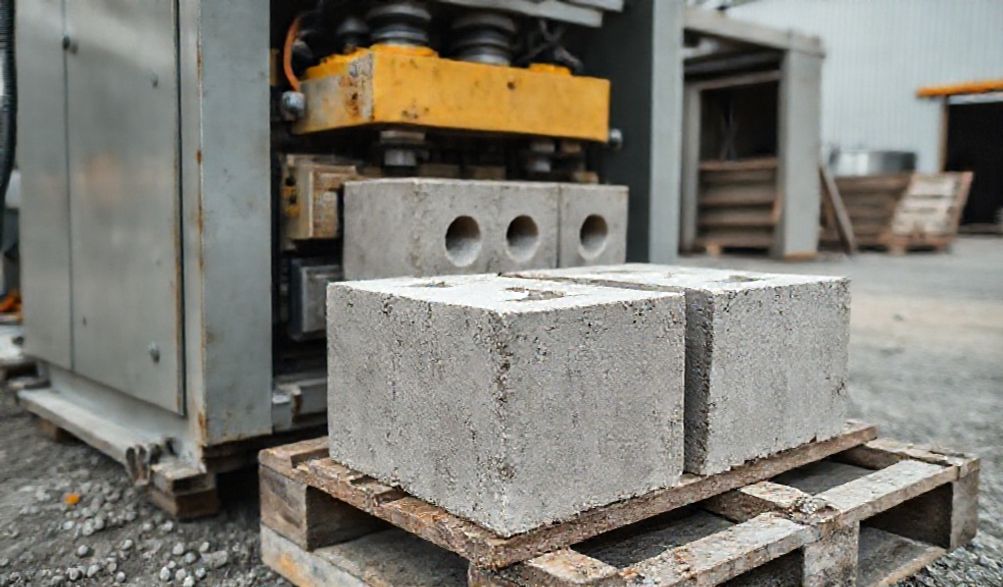
La Guía Definitiva para Elegir una Máquina para Fabricar Bloques de Cemento
Introducción
La industria de la construcción global funciona con una unidad fundamental y simple: el bloque de cemento. Asequibles, duraderos y versátiles, estos bloques son los cimientos de la infraestructura moderna, desde hogares y escuelas hasta complejos comerciales. Sin embargo, detrás de este material omnipresente se encuentra un punto de decisión crítico tanto para emprendedores como para empresas constructoras: cómo producirlos de manera eficiente. La respuesta es una máquina para hacer bloques de cemento, pero navegar por la vasta gama de opciones puede ser abrumador.
El método tradicional de fabricación manual de bloques está plagado de desafíos. Es intensivo en mano de obra, produce calidad inconsistente y no puede aspirar a satisfacer la escala de ningún proyecto o negocio serio. Por el contrario, el mercado moderno ofrece un espectro vertiginoso de máquinas, desde prensas manuales simples hasta líneas de producción completamente automatizadas. Elegir incorrectamente puede significar una desastrosa falta de coincidencia entre la inversión y la producción, paralizando tu proyecto o negocio incluso antes de que comience.
Esta guía es su hoja de ruta integral. Basada en especificaciones técnicas, datos del fabricante y mejores prácticas operativas, desentrañaremos el mundo de la maquinaria para bloques de cemento. Exploraremos los diferentes tipos de máquinas, desglosaremos las características clave que importan, analizaremos el costo real de la inversión y lo guiaremos a través de la operación. Nuestro objetivo es dotarlo de la experiencia necesaria para tomar una decisión segura y rentable que se alinee con sus objetivos específicos, ya sea un constructor comunitario, un emprendedor en ciernes o un productor industrial.
Comprensión de las Máquinas para Hacer Bloques de Cemento: Tipos y Tecnologías
No todas las máquinas para fabricar bloques son iguales. El nivel de automatización es el diferenciador principal, impactando directamente la producción, los requerimientos de mano de obra y la inversión de capital. Entender estas categorías es el primer paso para identificar la máquina ideal para usted.
Máquinas Manuales para Hacer Bloques
Descripción y Operación:Estos son el tipo más simple de equipo para fabricar bloques. Operados completamente con fuerza humana, generalmente consisten en un molde de acero, un mecanismo de compactación accionado por palanca y una placa de desmolde. El proceso implica llenar manualmente el molde con mezcla de concreto, usar la palanca para comprimir el material y luego desmoldar el bloque recién formado sobre el suelo o una tarima.
- Casos de Uso Ideales:Proyectos a escala extremadamente pequeña (por ejemplo, construir una sola casa), iniciativas lideradas por la comunidad, ONG en áreas remotas, o como una introducción de muy bajo costo a la producción de bloques.
- Pros:
- Muy Bajo Costo:El punto de entrada más asequible.
- Requisito de Potencia Cero:Se puede usar en cualquier lugar, ideal para ubicaciones sin conexión a la red.
- Alta Portabilidad:Ligero y fácil de mover en un sitio.
- Contras:
- Salida Muy Baja:La producción está limitada a unos cientos de bloques por día.
- Altamente Intensivo en Mano de Obra:Requiere un esfuerzo físico considerable y múltiples trabajadores para obtener un resultado significativo.
- Calidad Inconsistente:La densidad y resistencia de los bloques dependen en gran medida de la técnica del operador.
Máquinas Semiautomáticas para Fabricar Bloques
Descripción:Esta categoría logra un equilibrio crucial. Estas máquinas utilizan un sistema de vibración eléctrico o diésel para compactar la mezcla de concreto dentro del molde, asegurando una densidad uniforme. Sin embargo, tareas como alimentar la materia prima, mover los pallets y apilar los bloques terminados generalmente se realizan de forma manual.
- Casos de Uso Ideales:Pequeñas y medianas empresas fabricantes de bloques (patios de bloques), compañías constructoras que producen para sus propios proyectos, y emprendedores que buscan un inicio escalable.
- Pros:
- Buena Relación entre Resultados y Costos:Producción significativamente mayor que las máquinas manuales con una inversión razonable.
- Calidad Consistente:La vibración mecanizada produce bloques uniformes y de alta resistencia.
- Reducción de la tensión laboralLa automatización del proceso de compactación aumenta la eficiencia y reduce la demanda física sobre los trabajadores.
- Contras:
- Requiere Energía:Dependiente de un suministro eléctrico confiable o combustible para modelos diésel.
- Trabajo Manual Parcial:Todavía requiere una cuadrilla para el manejo de materiales y la remoción de bloques.
- Costo Inicial Más Alto:Más caro que las opciones manuales.
Máquinas Automáticas para Fabricar Bloques
Descripción:Estas son líneas de producción de grado industrial. Integran todos los procesos: dosificación y alimentación automática de materias primas, vibración y compactación de alta presión, expulsión de bloques, curado, e incluso paletizado y apilado robótico. La operación se gestiona mediante un controlador lógico programable (PLC).
- Casos de Uso Ideales:Plantas de fabricación de bloques comerciales a gran escala, proyectos de infraestructura gubernamental y productores industriales que abastecen a grandes distribuidores.
- Pros:
- Salida Muy AltaCapaz de producir miles de bloques por hora.
- Mínimo TrabajoSolo requiere unos cuantos operadores para monitoreo y supervisión.
- Consistencia y precisión superioresLos procesos controlados por computadora garantizan una calidad de bloque idéntica.
- Flexibilidad Programable: Can easily switch between different block types and sizes.
- Contras:
- High Capital Cost: A major investment requiring significant financing.
- Complex Maintenance: Requires skilled technicians and a reliable supply of spare parts.
- Infrastructure Needs: Demands a large, stable factory space with robust power connections.
Máquinas de Bloques Móviles vs. Estacionarias
Esta es otra distinción clave:
* Máquinas de Bloques Móviles: Mounted on a trailer, these are designed for on-site production. They eliminate transport costs for finished blocks and are perfect for large, remote construction sites. They are typically semi-automatic.
* Máquinas de Bloques Estacionarias: Installed in a fixed location (a factory or yard), these are the standard for dedicated block manufacturing businesses. They can be manual, semi-automatic, or fully automatic and benefit from optimized, permanent setups.
Key Features and Specifications to Evaluate
Once you’ve narrowed down the type of machine, dive into the specifications. These details determine performance, versatility, and long-term value.
Capacidad de Producción (Bloques por Hora/Día)
This is often the first number buyers look at. However, manufacturer ratings are usually under ideal conditions.
- Consideración Clave: Be realistic. A machine rated for 2,000 blocks per 8-hour shift might achieve 1,500-1,800 in practice due to breaks, mold changes, and material loading times. Match the machine’s practical output with your verified market demand and business growth projections. Don’t overbuy, but leave room for scaling up.
Block Types and Sizes (Mold Compatibility)
Your machine’s potential is defined by its molds.
- Standard Products: Ensure the machine can produce the blocks your market demands:
- Bloques Huecos (4″, 6″, 8″)
- Bloques Sólidos
- Adoquines y Adoquines de Traba
- Bordillos
- Decorative Landscape Blocks
- Sistema de Moldes: Investigate how easily molds can be changed. A quick-change mold system is a valuable feature that minimizes downtime when switching production.
Power Source and Consumption
The choice here affects operational flexibility and running costs.
- Eléctrico: Clean, quiet, and efficient for fixed locations with grid power. Check the voltage (e.g., 380V/3-phase) and power rating (kW).
- Diésel: Provides independence from the electrical grid, essential for mobile units or areas with unreliable power. Factor in fuel costs and maintenance.
- Híbrido: Some machines offer the option to switch between power sources, providing valuable flexibility.
Vibration System and Compression Force
This is the engineering heart of the machine, directly responsible for block strength.
- Sistema de Vibración: High-frequency, vertically-directed vibration is crucial. It removes air pockets and compacts the concrete mix to its maximum density. Look for machines with multiple, balanced vibration motors.
- Fuerza de Compresión Often measured in tons or kilonewtons (kN), this is the pressure applied during vibration. Higher force generally produces denser, stronger blocks suitable for load-bearing applications.
Calidad de Construcción y Durabilidad
A machine is a long-term asset. Inspect its construction.
- Grado de Acero: The frame and key components should be made from high-grade, reinforced steel.
- Welding & Finish: Look for clean, robust welds and anti-corrosion paint or treatment.
- Calidad del Componente: Bearings, vibration motors, and hydraulic systems (if present) should be from reputable brands for reliability and easier servicing.
The Investment: Cost Analysis and ROI
Moving from ballpark figures to a detailed financial plan is critical for success.
Initial Purchase Price Ranges
Prices vary enormously based on automation, capacity, and origin of manufacture. Use these as very broad brackets:
* Máquinas Manuales:$1,000 – $5,000
* Máquinas Semiautomáticas: $5,000 – $50,000
* Máquinas Completamente Automáticas: $50,000 – $300,000+
Beyond the Machine: Additional Costs
The machine is just one part of the setup. Budget for:
* Land & Shed: A secure, level production and curing area.
* Raw Material Storage: Space for cement (kept dry), sand, and aggregate.
* Mixing Equipment: A pan mixer or concrete mixer is essential for preparing consistent raw material.
* Curing Area: Space to store blocks for proper moist curing for 7-14 days.
* Trabajo: Wages for operators and helpers.
* Transportation: For delivering raw materials and finished blocks.
* Maintenance Fund: A reserve for spare parts, repairs, and routine servicing.
Calculating Your Return on Investment (ROI)
A simplified framework can illuminate profitability:
1. Daily Production Value: (Number of blocks produced per day) x (Selling price per block in your market).
2. Daily Operational Cost: Sum of (Raw material cost for daily production) + (Labor cost) + (Power/Fuel cost) + (Transport & overhead allocation).
3. Daily Gross Profit: (Daily Production Value) – (Daily Operational Cost).
4. Período de Recuperación de la Inversión: (Total Initial Investment Cost) / (Daily Gross Profit). This gives you the number of production days needed to recoup your investment.
Ejemplo: If your total investment is $20,000 and your daily gross profit is $200, your simple payback period is 100 production days (roughly 5 months at 20 days/month).
Operating Your Machine: From Raw Material to Finished Block
Optimal operation ensures quality and protects your investment.
The Ideal Cement Block Mix Design
Consistency is key. A common standard mix ratio is 1:6:4 (Cement: Sand: Aggregate, by volume) for hollow blocks, but this must be adjusted for local materials and desired strength.
* Cemento: Use fresh, high-quality Portland cement.
* Agregados: Sand and crushed stone should be clean, hard, and well-graded.
* Agua: Use clean water. The water-cement ratio is critical—too much water weakens the block; too little prevents proper compaction.
* Curado: Freshly demolded blocks are fragile. They must be kept moist and under cover for at least 7 days to gain strength properly.
Step-by-Step Operational Guide
- Preparación de Materiales: Measure and mix raw materials thoroughly to a uniform, semi-dry consistency.
- Machine Setup: Ensure the machine is on a level base. Install and secure the correct mold. Check oil and fuel levels.
- Safety First: Wear protective gear (gloves, boots, ear protection). Ensure all safety guards are in place.
- Operation Cycle: Feed mix into the hopper, initiate the compaction cycle (manual lever press or automated vibration), and eject the finished block onto a pallet.
- Block Handling: Move pallets gently to the curing area without jarring the green blocks.
- Curado: Stack blocks and keep them covered with plastic sheeting, spraying them with water regularly.
Essential Maintenance for Longevity
- Diariamente Clean the machine thoroughly after use, especially the mold and hopper. Check for loose bolts.
- Semanal Lubricate all moving parts as per the manual. Inspect the vibration motors for unusual noise or heat.
- Monthly: Conduct a thorough inspection of electrical connections, hydraulic hoses (if any), and wear parts like mold liners and stripping plates.
How to Choose the Right Supplier and Machine
Your relationship with the manufacturer is as important as the machine itself.
Researching Reputable Manufacturers
- Experience & Reputation: Look for companies with a decade or more in the industry. Search for their brand name online alongside keywords like “review” or “complaint.”
- Certificaciones: International quality certifications (like CE) indicate adherence to manufacturing standards.
- Portafolio del Cliente: A legitimate manufacturer will have photos/videos of their machines in operation at client sites.
The Importance of After-Sales Support
This is non-negotiable. A machine without support is a future scrap metal.
* Refacciones: Are they readily available? What is the lead time?
* Documentación Técnica: Is a clear, illustrated manual provided?
* Garantía: What is covered and for how long?
* Service: Do they offer remote troubleshooting, on-call support, or on-site technician visits?
Requesting Quotes and Making the Decision
When you request quotes, ask for a detailed specification sheety uncommercial proforma invoice that includes:
* Machine model and detailed specs
* FOB or CIF price
* Warranty terms
* Spare parts list and prices
* Delivery timeline
Apply Due Diligence: Compare the valor total of the package—machine quality, support terms, and supplier credibility—not just the bottom-line price. Verify claims by asking for references or contacting existing customers. This foundational step of verification is critical to building a trustworthy and sustainable business.
Frequently Asked Questions (FAQ)
Q1: What is the average cost of a cement block making machine?
A: There is no single “average” cost. Prices range from around $1,000 for a basic manual machine to well over $100,000 for a fully automatic production line. The key is to first define your required production scale and level of automation, then budget accordingly.
Q2: How many blocks can a semi-automatic machine produce in an 8-hour shift?
A: A typical semi-automatic machine can produce between 2,000 to 6,000 standard hollow blocks in an 8-hour shift. The actual output depends on the block size, the skill and speed of the crew, the efficiency of the material supply chain, and how quickly molds can be changed.
Q3: Can I use a block making machine for other products?
A: Absolutely. By changing the mold, most block making machines can produce a variety of concrete products, including paving stones, kerbstones (curbstones), solid bricks, landscaping blocks, and even some lightweight wall panels.
Q4: What is the most common problem with block machines and how do I fix it?
A: The most common issue is producing blocks with inconsistent density or low strength. This is usually traced back to three areas: 1) An inconsistent or incorrect raw material mix (fix by standardizing the recipe), 2) Inadequate vibration time or force (check machine settings and motor health), or 3) Worn-out mold liners allowing too much “fines” to escape (replace the liners).
Q5: Is operating a block making machine a profitable business?
A: It can be a highly profitable business, but success is not automatic. Critical factors include: strong local demand for construction materials, tight control over raw material and operational costs, a commitment to producing consistently high-quality blocks, and an effective sales and marketing strategy to reach builders and contractors.
Conclusión
Choosing the right machine to make cement blocks is a journey that moves from understanding core technologies to making a strategic financial decision. We’ve explored the spectrum from manual to fully automatic machines, highlighted the specifications that dictate performance, and outlined the real costs and operational knowledge needed for success.
Your final decision should be anchored in a clear definition of your goals. Are you supplying a local community, starting a block yard, or establishing an industrial plant? Let your production targets, budget, and market research guide you. Remember, the right machine is not an expense; it’s a capital investment that forms the foundation of your productivity and profit.
Ready to take the next step? Begin by speaking with reputable suppliers, asking the detailed questions outlined here, and requesting demonstrations. Building a successful block manufacturing business hinges on the synergy of quality equipment, sound operational knowledge, and trusted partnerships. With careful planning and the right machine, you’re not just making blocks—you’re building the future.
<