
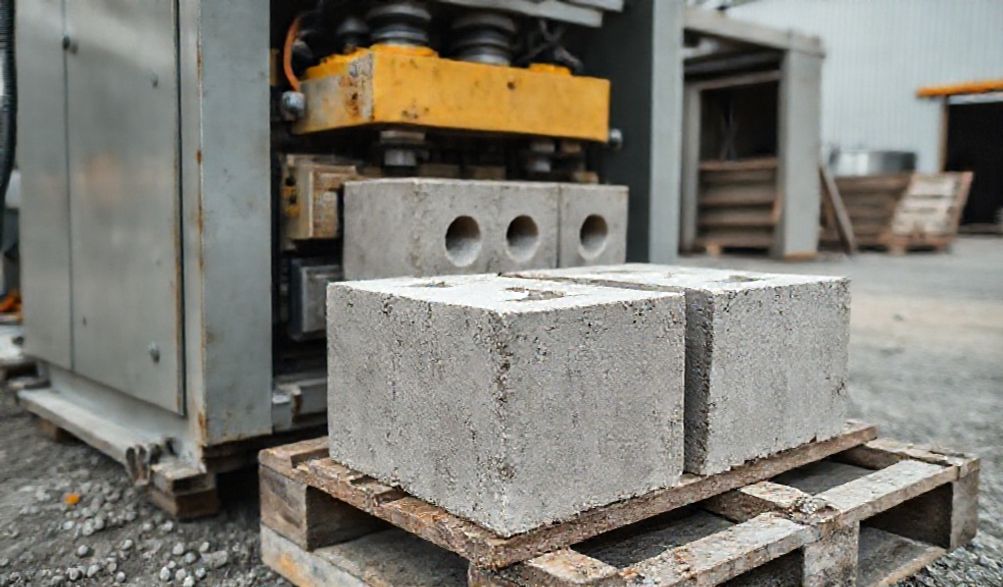
Полное руководство по выбору машины для производства цементных блоков
Введение
Глобальная строительная отрасль держится на простой, фундаментальной единице: цементном блоке. Доступные, долговечные и универсальные, эти блоки являются строительными кирпичиками современной инфраструктуры — от домов и школ до коммерческих комплексов. Однако за этим повсеместным материалом скрывается ключевая точка принятия решений как для предпринимателей, так и для строительных компаний — как производить их эффективно. Ответом служит станок для производства цементных блоков, но разобраться в огромном разнообразии вариантов может быть непросто.
Традиционный метод ручного изготовления блоков сопряжен с многочисленными трудностями. Он требует больших трудозатрат, обеспечивает нестабильное качество и не способен удовлетворить масштабы серьезного проекта или бизнеса. В то же время современный рынок предлагает ошеломляющий спектр оборудования — от простых ручных прессов до полностью автоматизированных производственных линий. Неверный выбор может привести к критическому несоответствию между вложениями и результатом, что остановит ваш проект или бизнес еще на старте.
Это руководство — ваш всеобъемлющий план действий. Основанное на технических спецификациях, данных производителей и передовых операционных практиках, оно раскроет мир оборудования для производства цементных блоков. Мы рассмотрим различные типы машин, разберем ключевые характеристики, проанализируем реальную стоимость инвестиций и проведем вас через процесс эксплуатации. Наша цель — вооружить вас знаниями, необходимыми для принятия уверенного и прибыльного решения, соответствующего вашим конкретным задачам, будь вы строитель для сообщества, начинающий предприниматель или промышленный производитель.
Понимание машин для производства цементных блоков: типы и технологии
Не все машины для производства блоков одинаковы. Уровень автоматизации является ключевым отличительным фактором, напрямую влияющим на производительность, потребность в рабочей силе и капиталовложения. Понимание этих категорий — первый шаг к определению идеального варианта для ваших нужд.
Ручные станки для производства блоков
Описание и принцип работы:Это самое простое оборудование для производства блоков. Работающее исключительно за счёт человеческой силы, оно обычно состоит из стальной формы, рычажного уплотняющего механизма и съёмной пластины. Процесс включает ручное заполнение формы бетонной смесью, использование рычага для уплотнения материала и затем снятие свежесформированного блока на землю или поддон.
- Идеальные сценарии использования:Крайне маломасштабные проекты (например, строительство одного дома), инициативы, возглавляемые сообществом, НПО в отдаленных районах или в качестве очень недорогого введения в производство блоков.
- Плюсы:
- Очень низкая стоимость:Самый доступный входной уровень.
- Нулевое потребление энергии.Можно использовать где угодно, идеально подходит для удаленных мест без доступа к электросети.
- Высокая портативность:Легкий и простой в перемещении по объекту.
- Минусы:
- Очень низкая производительность:Производство ограничено несколькими сотнями блоков в день.
- Высокотрудоёмкий:Требует значительных физических усилий и участия нескольких работников для получения значимого результата.
- Нестабильное качество:Плотность и прочность блоков в значительной степени зависят от техники оператора.
Полуавтоматические станки для изготовления блоков
Описание:Эта категория обеспечивает важный баланс. В таких машинах используется электрическая или дизельная вибрационная система для уплотнения бетонной смеси в форме, что гарантирует равномерную плотность. Однако такие операции, как подача сырья, перемещение поддонов и штабелирование готовых блоков, обычно выполняются вручную.
- Идеальные сценарии использования:Малые и средние предприятия по производству строительных блоков (блочные дворы), строительные компании, производящие продукцию для собственных проектов, и предприниматели, ищущие масштабируемый стартап.
- Плюсы:
- Хорошее соотношение выхода и затрат.Значительно более высокая производительность по сравнению с ручными машинами при разумных инвестициях.
- Стабильное качество:Механизированная вибрация обеспечивает получение однородных блоков высокой прочности.
- Снижение нагрузки на труд:Автоматизация процесса уплотнения повышает эффективность и снижает физическую нагрузку на рабочих.
- Минусы:
- Требует питанияЗависит от надежного электроснабжения или топлива для дизельных моделей.
- Частичный ручной трудДля погрузочно-разгрузочных работ и удаления блоков по-прежнему требуется экипаж.
- 初始成本较高:比手动操作选项更昂贵。
Полностью автоматические машины для производства блоков
Описание:Это промышленные производственные линии. В них интегрированы все процессы: автоматическое дозирование и подача сырья, высоконапорное вибропрессование, выталкивание блоков, выдержка и даже роботизированная укладка и штабелирование. Управление осуществляется с помощью программируемого логического контроллера (PLC).
- Идеальные сценарии использования:大型商业砌块制造厂、政府基础设施项目以及为主要分销商供货的工业制造商。
- Плюсы:
- Чрезвычайно высокий выходСпособен производить тысячи блоков в час.
- Минимальный трудТребуется лишь несколько операторов для мониторинга и контроля.
- Превосходная согласованность и точность: Computer-controlled processes guarantee identical block quality.
- Programmable Flexibility: Can easily switch between different block types and sizes.
- Минусы:
- High Capital Cost: A major investment requiring significant financing.
- Complex Maintenance: Requires skilled technicians and a reliable supply of spare parts.
- Infrastructure Needs: Demands a large, stable factory space with robust power connections.
Мобильные и стационарные блок-машины
This is another key distinction:
* Мобильные блок-машины: Mounted on a trailer, these are designed for on-site production. They eliminate transport costs for finished blocks and are perfect for large, remote construction sites. They are typically semi-automatic.
* Стационарные блок-машины: Installed in a fixed location (a factory or yard), these are the standard for dedicated block manufacturing businesses. They can be manual, semi-automatic, or fully automatic and benefit from optimized, permanent setups.
Key Features and Specifications to Evaluate
Once you’ve narrowed down the type of machine, dive into the specifications. These details determine performance, versatility, and long-term value.
Производственная мощность (блоков в час/день)
This is often the first number buyers look at. However, manufacturer ratings are usually under ideal conditions.
- Ключевое соображение: Be realistic. A machine rated for 2,000 blocks per 8-hour shift might achieve 1,500-1,800 in practice due to breaks, mold changes, and material loading times. Match the machine’s practical output with your verified market demand and business growth projections. Don’t overbuy, but leave room for scaling up.
Block Types and Sizes (Mold Compatibility)
Your machine’s potential is defined by its molds.
- Standard Products: Ensure the machine can produce the blocks your market demands:
- Пустотелые блоки (4″, 6″, 8″)
- Твердые блоки
- Тротуарная плитка и брусчатка
- Бордюрные камни
- Decorative Landscape Blocks
- Система формования: Investigate how easily molds can be changed. A quick-change mold system is a valuable feature that minimizes downtime when switching production.
Power Source and Consumption
The choice here affects operational flexibility and running costs.
- Электрический: Clean, quiet, and efficient for fixed locations with grid power. Check the voltage (e.g., 380V/3-phase) and power rating (kW).
- Дизель: Provides independence from the electrical grid, essential for mobile units or areas with unreliable power. Factor in fuel costs and maintenance.
- Гибрид: Some machines offer the option to switch between power sources, providing valuable flexibility.
Vibration System and Compression Force
This is the engineering heart of the machine, directly responsible for block strength.
- Вибросистема: High-frequency, vertically-directed vibration is crucial. It removes air pockets and compacts the concrete mix to its maximum density. Look for machines with multiple, balanced vibration motors.
- Compression Force: Often measured in tons or kilonewtons (kN), this is the pressure applied during vibration. Higher force generally produces denser, stronger blocks suitable for load-bearing applications.
Build Quality and Durability
A machine is a long-term asset. Inspect its construction.
- Марка стали: The frame and key components should be made from high-grade, reinforced steel.
- Сварка и отделка: Look for clean, robust welds and anti-corrosion paint or treatment.
- Качество компонентов: Bearings, vibration motors, and hydraulic systems (if present) should be from reputable brands for reliability and easier servicing.
The Investment: Cost Analysis and ROI
Moving from ballpark figures to a detailed financial plan is critical for success.
Initial Purchase Price Ranges
Prices vary enormously based on automation, capacity, and origin of manufacture. Use these as very broad brackets:
* Ручные станки: $1,000 – $5,000
* Полуавтоматические станки: $5,000 – $50,000
* Полностью автоматические машины: $50,000 – $300,000+
Beyond the Machine: Additional Costs
The machine is just one part of the setup. Budget for:
* Land & Shed: A secure, level production and curing area.
* Raw Material Storage: Space for cement (kept dry), sand, and aggregate.
* Mixing Equipment: A pan mixer or concrete mixer is essential for preparing consistent raw material.
* Curing Area: Space to store blocks for proper moist curing for 7-14 days.
* Труд: Wages for operators and helpers.
* Transportation: For delivering raw materials and finished blocks.
* Maintenance Fund: A reserve for spare parts, repairs, and routine servicing.
Calculating Your Return on Investment (ROI)
A simplified framework can illuminate profitability:
1. Daily Production Value: (Number of blocks produced per day) x (Selling price per block in your market).
2. Daily Operational Cost: Sum of (Raw material cost for daily production) + (Labor cost) + (Power/Fuel cost) + (Transport & overhead allocation).
3. Daily Gross Profit: (Daily Production Value) – (Daily Operational Cost).
4. Payback Period: (Total Initial Investment Cost) / (Daily Gross Profit). This gives you the number of production days needed to recoup your investment.
Пример: If your total investment is $20,000 and your daily gross profit is $200, your simple payback period is 100 production days (roughly 5 months at 20 days/month).
Operating Your Machine: From Raw Material to Finished Block
Optimal operation ensures quality and protects your investment.
The Ideal Cement Block Mix Design
Consistency is key. A common standard mix ratio is 1:6:4 (Cement: Sand: Aggregate, by volume) for hollow blocks, but this must be adjusted for local materials and desired strength.
* Цемент: Use fresh, high-quality Portland cement.
* Агрегаты: Sand and crushed stone should be clean, hard, and well-graded.
* Вода: Use clean water. The water-cement ratio is critical—too much water weakens the block; too little prevents proper compaction.
* Курение: Freshly demolded blocks are fragile. They must be kept moist and under cover for at least 7 days to gain strength properly.
Step-by-Step Operational Guide
- Подготовка материалов: Measure and mix raw materials thoroughly to a uniform, semi-dry consistency.
- Machine Setup: Ensure the machine is on a level base. Install and secure the correct mold. Check oil and fuel levels.
- Safety First: Wear protective gear (gloves, boots, ear protection). Ensure all safety guards are in place.
- Operation Cycle: Feed mix into the hopper, initiate the compaction cycle (manual lever press or automated vibration), and eject the finished block onto a pallet.
- Block Handling: Move pallets gently to the curing area without jarring the green blocks.
- Курение: Stack blocks and keep them covered with plastic sheeting, spraying them with water regularly.
Essential Maintenance for Longevity
- Ежедневно: Clean the machine thoroughly after use, especially the mold and hopper. Check for loose bolts.
- Weekly: Lubricate all moving parts as per the manual. Inspect the vibration motors for unusual noise or heat.
- Monthly: Conduct a thorough inspection of electrical connections, hydraulic hoses (if any), and wear parts like mold liners and stripping plates.
How to Choose the Right Supplier and Machine
Your relationship with the manufacturer is as important as the machine itself.
Researching Reputable Manufacturers
- Experience & Reputation: Look for companies with a decade or more in the industry. Search for their brand name online alongside keywords like “review” or “complaint.”
- Сертификаты: International quality certifications (like CE) indicate adherence to manufacturing standards.
- Client Portfolio: A legitimate manufacturer will have photos/videos of their machines in operation at client sites.
The Importance of After-Sales Support
This is non-negotiable. A machine without support is a future scrap metal.
* Запчасти: Are they readily available? What is the lead time?
* Техническая документация: Is a clear, illustrated manual provided?
* Гарантия: What is covered and for how long?
* Service: Do they offer remote troubleshooting, on-call support, or on-site technician visits?
Requesting Quotes and Making the Decision
When you request quotes, ask for a detailed specification sheetиcommercial proforma invoice that includes:
* Machine model and detailed specs
* FOB or CIF price
* Warranty terms
* Spare parts list and prices
* Delivery timeline
Apply Due Diligence: Compare the общая стоимость of the package—machine quality, support terms, and supplier credibility—not just the bottom-line price. Verify claims by asking for references or contacting existing customers. This foundational step of verification is critical to building a trustworthy and sustainable business.
Frequently Asked Questions (FAQ)
Q1: What is the average cost of a cement block making machine?
А: There is no single “average” cost. Prices range from around $1,000 for a basic manual machine to well over $100,000 for a fully automatic production line. The key is to first define your required production scale and level of automation, then budget accordingly.
Q2: How many blocks can a semi-automatic machine produce in an 8-hour shift?
А: A typical semi-automatic machine can produce between 2,000 to 6,000 standard hollow blocks in an 8-hour shift. The actual output depends on the block size, the skill and speed of the crew, the efficiency of the material supply chain, and how quickly molds can be changed.
Q3: Can I use a block making machine for other products?
А: Absolutely. By changing the mold, most block making machines can produce a variety of concrete products, including paving stones, kerbstones (curbstones), solid bricks, landscaping blocks, and even some lightweight wall panels.
Q4: What is the most common problem with block machines and how do I fix it?
А: The most common issue is producing blocks with inconsistent density or low strength. This is usually traced back to three areas: 1) An inconsistent or incorrect raw material mix (fix by standardizing the recipe), 2) Inadequate vibration time or force (check machine settings and motor health), or 3) Worn-out mold liners allowing too much “fines” to escape (replace the liners).
Q5: Is operating a block making machine a profitable business?
А: It can be a highly profitable business, but success is not automatic. Critical factors include: strong local demand for construction materials, tight control over raw material and operational costs, a commitment to producing consistently high-quality blocks, and an effective sales and marketing strategy to reach builders and contractors.
Заключение
Choosing the right machine to make cement blocks is a journey that moves from understanding core technologies to making a strategic financial decision. We’ve explored the spectrum from manual to fully automatic machines, highlighted the specifications that dictate performance, and outlined the real costs and operational knowledge needed for success.
Your final decision should be anchored in a clear definition of your goals. Are you supplying a local community, starting a block yard, or establishing an industrial plant? Let your production targets, budget, and market research guide you. Remember, the right machine is not an expense; it’s a capital investment that forms the foundation of your productivity and profit.
Ready to take the next step? Begin by speaking with reputable suppliers, asking the detailed questions outlined here, and requesting demonstrations. Building a successful block manufacturing business hinges on the synergy of quality equipment, sound operational knowledge, and trusted partnerships. With careful planning and the right machine, you’re not just making blocks—you’re building the future.
<