
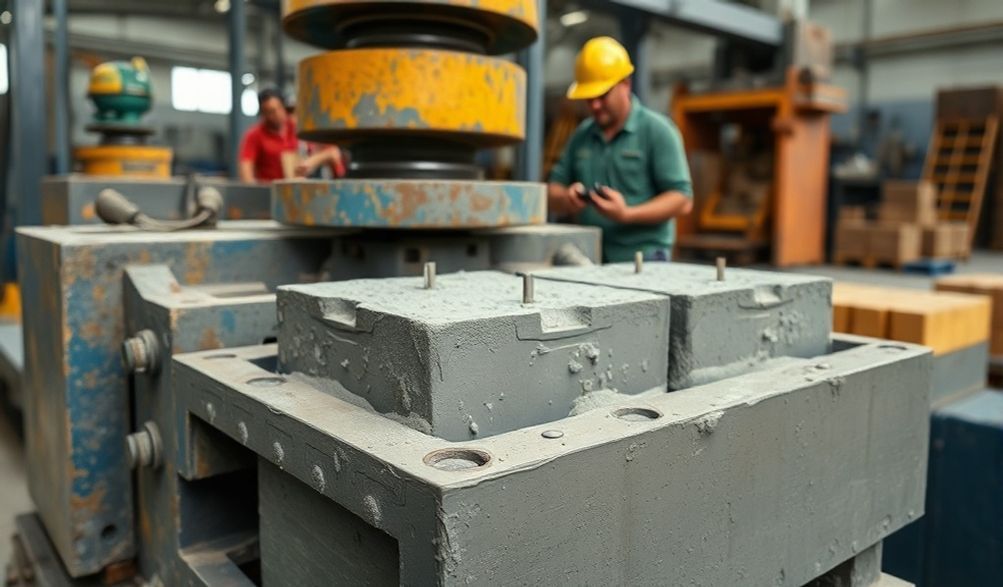
Полное руководство по блочной машине 4-30A: характеристики, преимущества и эксплуатация
Введение
В мире производства бетонных блоков эффективность и надежность являются основой прибыльности. Для строительных специалистов, владельцев блоковых дворов и предпринимателей, стремящихся расширить свое производство, выбор правильного оборудования — это критически важное решение, которое влияет на объем выпуска, качество продукции и конечную прибыль. Это всеобъемлющее руководство посвящено рабочей лошадке отрасли:4-30А блок-машина.
Опираясь на многолетний технический опыт и практику применения, эта статья предлагает четкий, авторитетный и надежный анализ. Модель 4-30A — это не просто оборудование; это полуавтоматическое решение, которое заполняет разрыв между трудоемкими ручными машинами и капиталоемкими полностью автоматизированными линиями. Мы детально разберем его технические характеристики, рабочий процесс и экономическую эффективность, чтобы вы могли принять полностью обоснованное инвестиционное решение для своего бизнеса.
Что такое блочная машина 4-30A? Основные характеристики и конструкция
4-30A — это конкретная модель в широко известной серии машин для производства строительных блоков. Её конструкция делает упор на прочность, стабильную производительность и простоту эксплуатации, что делает её популярным выбором для предприятий малого и среднего масштаба производства.
Тип и классификация машин
4-30A классифицируется какПолуавтоматическая стационарная машина для производства блоковЭто означает, что он автоматизирует основной процесс формования — вибрацию, уплотнение и формовку — но требует от оператора выполнения определенных задач в каждом цикле, таких как подача сырья и извлечение готовых блоков. Такая классификация идеально подходит для предприятий, готовых увеличить производство сверх ручных возможностей, без сложности и затрат на полностью автоматизированную линию.
Расшифровка номера модели
Номера моделей в промышленном оборудовании редко бывают произвольными. Хотя технические характеристики могут незначительно отличаться у разных производителей, обозначение «4-30A», как правило, указывает на:
- «4»Количество стандартных блоков (например, 4-дюймовых пустотелых блоков), которое машина производит за один цикл.
- "30"Приблизительное время цикла в секундах в оптимальных условиях.
- «А»Часто обозначает серию модели или обновленную версию, указывая на улучшения по сравнению с базовой моделью.
Эта система наименования позволяет сразу же, с первого взгляда, понять основную возможность машины: производить 4 блока примерно каждые 30 секунд.
Ключевые физические и технические характеристики
Хотя точные цифры зависят от производителя, стандартная машина на 4-30А обычно включает:
- Размеры:Приблизительно 2500 мм (Д) x 1800 мм (Ш) x 2200 мм (В). Также необходимо обеспечить достаточное пространство для периферийного оборудования.
- Вес:Обычно от 2800 до 3500 кг, что указывает на прочную, устойчивую к вибрации раму.
- Требования к питанию:Обычно оснащается электродвигателем мощностью 11–15 кВт (15–20 л.с.) для вибрационной системы и отдельным двигателем для гидравлической силовой установки.
- Система управления:Управление осуществляется с помощью панели программируемого логического контроллера (ПЛК) для автоматического управления циклами.
- Гидравлическая система:Включает гидравлическую силовую установку с масляным баком, насосами, клапанами и цилиндрами, отвечающими за вертикальное перемещение формы и давление трамбовочной головки.
Основные характеристики и компоненты машины 4-30A
Надёжность и качество выхода 4-30A обусловлены хорошо спроектированными основными компонентами.
成型系统
Это сердце машины, где бетон превращается в точный блок.
- Формовочный ящик:Тяжелая прецизионная сварная стальная сборка, определяющая внешние габариты блока. Предназначена для быстрой переналадки под производство блоков различных типов.
- Стержни сердечников:Они создают полые полости в блоках. Устанавливаются на опорную плиту и должны быть прочными, чтобы выдерживать постоянную вибрацию и давление.
- Головка для тамперования:Также называемый «пресс-головкой», он опускается в форму для оказания давления на бетон во время вибрации, обеспечивая уплотнение верхней поверхности и равномерную плотность.
Вибрационный механизм
Превосходное уплотнение является обязательным условием для получения прочных и долговечных блоков. Модель 4-30A используетдвойная вибрационная система:
- Вибрация стола. The entire mold table vibrates at high frequency, ensuring compaction from the bottom up.
- Head Vibration: The tamper head also vibrates, compacting the concrete from the top down.
This synchronized action from both directions eliminates voids and achieves the high density required for load-bearing blocks and pavers.
Control System & Automation Level
The PLC-based control panel is the machine’s brain, offering:
- Automated Cycle Sequencing: The operator initiates a single cycle, and the PLC automatically controls the sequence: mold descent, material feed, vibration, head pressure, mold rise, and block ejection.
- Adjustable Parameters: Vibration time, pressure duration, and cycle delays can often be adjusted to fine-tune the process for different mix designs.
- Manual Override: Critical for setup, maintenance, and troubleshooting. Safety interlocks prevent operation during manual interventions.
- Fault Diagnostics: Basic models may have indicator lights, while advanced panels display error codes for quicker problem resolution.
Production Capacity and Output Expectations
Understanding real-world output is crucial for business planning. Theoretical maximums are often different from sustainable daily production.
Understanding Cycle Time and Daily Output
The “30” in 4-30A suggests a 30-second cycle time. In practice, a well-run machine with a skilled operator can achieve a cycle time of 35-45 seconds, accounting for material feeding and block removal.
Расчет вывода:
* В час: (3600 seconds / 40-second cycle) * 4 blocks = ~360 blocks/hour.
* За 8-часовую смену: 360 blocks/hour * 8 hours = ~2,880 blocks.
* Per 24-Hour Day (3 shifts): Up to ~8,640 blocks.
Important: This is a sustainable estimate. Output can be higher with perfect conditions or lower during mold changes, maintenance, or with slower material handling.
Compatible Block Types and Sizes
The 4-30A’s versatility is a key selling point. With the appropriate mold, it can produce:
* Пустотелые блоки: 4″, 6″, 8″ thickness (most common).
* Solid Blocks.
* Брусчатка (for landscaping and driveways).
* Бордюры and other specialty products (may require specific mold kits).
Factors Influencing Production Rate
Maximizing output depends on more than just the machine:
* Согласованность сырья A well-proportioned, semi-dry concrete mix with consistent moisture content is essential. Wet or inconsistent mix causes sticking and delays.
* Pallet Quality & System: Worn or warped pallets cause block damage and machine jams. A manual or automated pallet return system drastically improves workflow.
* Operator Skill & Rhythm: An experienced, efficient operator is the most important factor in achieving target cycle times.
* Профилактическое обслуживание: Unplanned downtime is the biggest killer of production targets. A disciplined maintenance schedule is non-negotiable.
Operational Workflow and Best Practices
Proper operation ensures safety, quality, and machine longevity.
Step-by-Step Operating Procedure
- Подготовка: Ensure the machine is lubricated, the hydraulic oil level is correct, and the mold is clean and secured.
- Mix Loading: The operator places a pallet on the feeding table and shovels or uses a feeder to deposit the concrete mix into the mold box.
- Инициирование цикла: The operator presses the cycle start button on the PLC panel.
- Automated Cycle: The machine sequentially lowers the mold, activates dual vibration, lowers the tamper head for pressure, releases vibration, raises the mold, and ejects the block onto the pallet.
- Удаление блоков: The operator (or a helper) removes the pallet with the fresh block and transfers it to the curing area, replacing it with a new empty pallet.
- Повторение: The process repeats for the next cycle.
Essential Safety Protocols
- Mandatory PPE: Safety glasses, steel-toe boots, and hearing protection.
- Безопасность машин: Never bypass safety guards or interlocks. Keep hands clear of the mold area during automatic cycles.
- Lockout/Tagout: Always disconnect power and lock out the control panel before performing any maintenance or clearing a jam.
Routine Maintenance Checklist
Ежедневно:
* Clean the mold box, core rods, and tamper head thoroughly after production.
* Check hydraulic oil levels and for any leaks.
* Inspect electrical connections.
* Lubricate all guide rods and moving parts as per the manual.
Weekly:
* Check and tighten all bolts and nuts, especially on the vibration frame.
* Inspect hydraulic hoses for wear.
* Check the tension of drive belts (if applicable).
Monthly:
* Change hydraulic oil and filters as recommended.
* Inspect vibration motors and mounting bolts.
* Conduct a thorough inspection of the mold box for wear or damage.
Advantages and Considerations for Your Business
A balanced view helps assess if the 4-30A is the right fit.
Primary Benefits
- Экономическая эффективность: Offers a significantly higher output than manual machines at a fraction of the cost of a fully automatic plant.
- Снижение зависимости от рабочей силы: One skilled operator can run the machine, reducing labor costs per block compared to manual operations.
- Exceptional Durability: Built with heavy-duty steel and industrial components for a long service life in harsh environments.
- Стабильное качество продукции: The automated vibration and pressing cycle produces blocks with uniform density, dimensions, and strength, enhancing your market reputation.
Investment and ROI Analysis
- Начальная стоимость: The price for a new 4-30A machine typically ranges from $18,000 to $30,000, depending on the manufacturer, configuration, and region. This does not include the cost of a mixer, loader, or pallet system.
- Payback Period: For a business selling directly to the construction market, the payback period can often be achieved within 12-24 months based on local block prices and production volume.
- Vs. Fully Automatic: Fully automatic machines (like the 6-15 or 8-15 models) offer higher output with less labor but can cost 3-5 times more and require a more complex setup and higher skill level to maintain.
Potential Limitations & Solutions
- Need for Supporting Equipment: For optimal workflow, a бетономешалкаиbucket loader or material feeder are highly recommended. A pallet return system (even a simple roller conveyor) dramatically increases efficiency.
- Space Requirements: You need a covered production shed with a strong, level concrete floor, plus space for raw materials, block curing, and storage.
- Обучение операторов: Requires a dedicated, trainable operator. The machine’s efficiency is directly tied to the operator’s skill.
FAQ: Common Questions About the 4-30A Block Machine
Q1: What is the approximate price range for a new 4-30A block machine?
As noted, expect a range of $18,000 – $30,000 for the machine itself. Always request detailed quotations that include shipping, installation support, and initial spare parts.
Q2: Can one operator efficiently run this machine?
Yes, one skilled operator is sufficient to run the 4-30A cycle. However, a second person to handle pallet feeding and block removal can significantly boost overall production output by allowing the primary operator to focus solely on the machine cycle.
Q3: What concrete mix design is recommended for optimal results?
A semi-dry mix is crucial. A common starting ratio is 1 part cement, 3 parts sand, and 5 parts aggregate (1:3:5), with just enough water for cohesion (typically a water-cement ratio of 0.4-0.5). The mix should hold its shape when squeezed in your hand.
Q4: How does the 4-30A compare to a fully automatic block making machine?
The 4-30A is semi-automatic, requiring operator intervention per cycle. Fully automatic machines integrate material feeding, block ejection, and pallet handling into one continuous, computer-controlled process. They offer higher output (e.g., 6-10 blocks every 15 seconds) with minimal labor but at a much higher capital and operational complexity.
Q5: What are the most common spare parts I should keep in stock?
Always keep: vibration motor mounting bolts, hydraulic hose assemblies, O-rings and seals for the hydraulic cylinders, spare springs for the mold, and a set of replacement core rods. Your supplier can provide a recommended list.
Q6: What foundation and floor space are required for installation?
The machine must be bolted to a solid, level concrete foundation at least 300mm thick. The total floor space needed for comfortable operation, including material staging and block removal, is typically at least 10 meters in length and 6 meters in width.
Conclusion and Final Recommendations
The4-30А блок-машина stands as a testament to practical, efficient engineering. It is not the cheapest nor the most advanced option, but for a business aiming to graduate from manual production to a more scalable, quality-focused operation, it represents an outstanding balance of output, investment, and control.
Success with this machine hinges on three pillars: proper installation on a solid foundation, investment in operator training, and a religious adherence to preventive maintenance. Before finalizing any purchase, we strongly advise you to consult with multiple reputable manufacturers or suppliers. Request detailed specifications, visit a working installation if possible, and clearly understand the after-sales support, warranty terms, and availability of spare parts in your region. With due diligence, the 4-30A can become the reliable, profit-generating cornerstone of your block manufacturing business for years to come.
<