
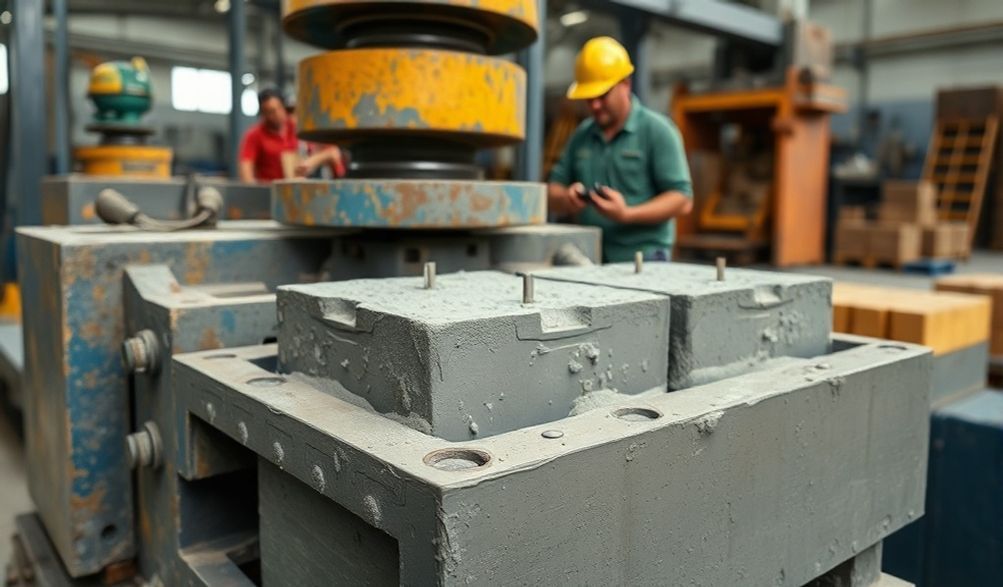
4-30A 블록 머신 최종 가이드: 특징, 장점 및 작동 방법
소개
콘크리트 블록 제조 분야에서 효율성과 신뢰성은 수익성의 초석입니다. 건설 전문가, 블록 야드 소유자, 생산 규모를 확장하려는 기업가들에게 적합한 기계를 선택하는 것은 생산량, 제품 품질, 그리고 최종 수익에 영향을 미치는 중요한 결정입니다. 이 포괄적인 가이드는 업계의 핵심 장비인4-30A 블록 머신.
수년간의 기술 전문성과 현장 경험을 바탕으로, 이 글은 명확하고 권위 있으며 신뢰할 수 있는 분석을 제공합니다. 4-30A는 단순한 장비가 아닌, 노동 집약적 수동 기계와 자본 집약적 완전 자동화 공장 사이의 간극을 메워주는 반자동 솔루션입니다. 우리는 이 장비의 사양, 운영 워크플로우 및 경제적 가치를 면밀히 분석함으로써, 귀하가 비즈니스를 위해 완전한 정보를 바탕으로 투자 결정을 내릴 수 있도록 지원할 것입니다.
4-30A 블록 머신이란 무엇인가? 핵심 사양과 설계
4-30A는 널리 알려진 블록 제작기 시리즈의 특정 모델입니다. 이 기계는 견고한 구조, 일관된 생산량, 그리고 운영의 단순성을 우선시하는 설계로, 중소규모 생산 시설에서 선호되는 제품입니다.
기계 유형 및 분류
4-30A는 30암페어급으로 분류됩니다.반자동, 고정식 블록 제조기이는 코어 성형 공정—진동, 다짐, 성형—을 자동화하지만, 각 사이클마다 원자재 투입 및 완성된 블록 제거와 같은 특정 작업은 작업자가 수행해야 함을 의미합니다. 이러한 분류는 완전 자동화 라인의 복잡성과 비용 없이 수동 생산 능력을 넘어 생산량을 늘릴 준비가 된 기업에 완벽하게 적합합니다.
모델 번호 해독하기
산업용 기계의 모델 번호는 거의 임의로 정하지 않습니다. 제조사 간에 사양이 약간 다를 수 있지만, "4-30A"는 일반적으로 다음을 의미합니다:
- "4"기계가 한 주기당 생산하는 표준 크기 블록(예: 4인치 중공 블록)의 수입니다.
- "30"최적 조건에서의 대략적인 주기 시간(초)입니다.
- "에이"종종 모델 시리즈나 업그레이드된 버전을 나타내며, 기본 모델보다 개선되었음을 의미합니다.
이 명명 규칙은 기계의 핵심 능력, 즉 약 30초마다 4개의 블록을 생산한다는 점을 한눈에 즉시 이해할 수 있게 해줍니다.
주요 물리적 및 기술적 사양
정확한 수치는 제조사에 따라 다르지만, 일반적인 4-30A 기계는 다음과 같은 특징을 갖습니다:
- 치수:대략 2500mm(길이) x 1800mm(너비) x 2200mm(높이). 주변 장비를 위한 충분한 공간도 필요합니다.
- 무게보통 2,800~3,500kg으로, 견고하고 진동에 강한 프레임을 의미합니다.
- 전력 요구 사항일반적으로 진동 시스템에는 11-15kW(15-20마력) 전기 모터를 사용하고, 유압 동력 장치에는 별도의 모터를 사용합니다.
- 제어 시스템프로그래머블 로직 컨트롤러(PLC) 패널을 통해 작동되며 자동 사이클 제어를 수행합니다.
- 유압 시스템:금형의 수직 이동과 탬퍼 헤드 압력을 담당하는 오일 탱크, 펌프, 밸브, 실린더가 포함된 유압 동력 장치를 포함합니다.
4-30A 기계의 주요 특징 및 구성 요소
4-30A의 신뢰성과 출력 품질은 잘 설계된 핵심 부품에서 비롯됩니다.
성형 시스템
이것이 기계의 심장부로, 콘크리트가 정밀한 블록으로 변환되는 곳입니다.
- 몰드 박스 A heavy-duty, precision-welded steel assembly that defines the block’s external dimensions. It’s designed for easy changeover to produce different block types.
- Core Rods: These create the hollow cavities in blocks. They are mounted on a core plate and must be robust to withstand constant vibration and pressure.
- 조작 헤드: Also called the “press head,” it descends into the mold box to apply pressure on the concrete during vibration, ensuring top surface compaction and uniform density.
Vibration Mechanism
Superior compaction is non-negotiable for strong, durable blocks. The 4-30A employs a dual-vibration system:
- Table Vibration: The entire mold table vibrates at high frequency, ensuring compaction from the bottom up.
- Head Vibration: The tamper head also vibrates, compacting the concrete from the top down.
This synchronized action from both directions eliminates voids and achieves the high density required for load-bearing blocks and pavers.
Control System & Automation Level
The PLC-based control panel is the machine’s brain, offering:
- Automated Cycle Sequencing: The operator initiates a single cycle, and the PLC automatically controls the sequence: mold descent, material feed, vibration, head pressure, mold rise, and block ejection.
- Adjustable Parameters: Vibration time, pressure duration, and cycle delays can often be adjusted to fine-tune the process for different mix designs.
- Manual Override: Critical for setup, maintenance, and troubleshooting. Safety interlocks prevent operation during manual interventions.
- Fault Diagnostics: Basic models may have indicator lights, while advanced panels display error codes for quicker problem resolution.
Production Capacity and Output Expectations
Understanding real-world output is crucial for business planning. Theoretical maximums are often different from sustainable daily production.
Understanding Cycle Time and Daily Output
The “30” in 4-30A suggests a 30-second cycle time. In practice, a well-run machine with a skilled operator can achieve a cycle time of 35-45 seconds, accounting for material feeding and block removal.
Output Calculation:
* 시간당: (3600 seconds / 40-second cycle) * 4 blocks = ~360 blocks/hour.
* 8시간 교대당: 360 blocks/hour * 8 hours = ~2,880 blocks.
* Per 24-Hour Day (3 shifts): Up to ~8,640 blocks.
Important: This is a sustainable estimate. Output can be higher with perfect conditions or lower during mold changes, maintenance, or with slower material handling.
Compatible Block Types and Sizes
The 4-30A’s versatility is a key selling point. With the appropriate mold, it can produce:
* 홀로우 블록: 4″, 6″, 8″ thickness (most common).
* Solid Blocks.
* 인터로킹 포장재 (for landscaping and driveways).
* 연석 and other specialty products (may require specific mold kits).
Factors Influencing Production Rate
Maximizing output depends on more than just the machine:
* 원자재 일관성 A well-proportioned, semi-dry concrete mix with consistent moisture content is essential. Wet or inconsistent mix causes sticking and delays.
* Pallet Quality & System: Worn or warped pallets cause block damage and machine jams. A manual or automated pallet return system drastically improves workflow.
* Operator Skill & Rhythm: An experienced, efficient operator is the most important factor in achieving target cycle times.
* 예방 정비 Unplanned downtime is the biggest killer of production targets. A disciplined maintenance schedule is non-negotiable.
Operational Workflow and Best Practices
Proper operation ensures safety, quality, and machine longevity.
Step-by-Step Operating Procedure
- 준비 Ensure the machine is lubricated, the hydraulic oil level is correct, and the mold is clean and secured.
- Mix Loading: The operator places a pallet on the feeding table and shovels or uses a feeder to deposit the concrete mix into the mold box.
- 사이클 시작 The operator presses the cycle start button on the PLC panel.
- 자동 주기: The machine sequentially lowers the mold, activates dual vibration, lowers the tamper head for pressure, releases vibration, raises the mold, and ejects the block onto the pallet.
- 블록 제거 The operator (or a helper) removes the pallet with the fresh block and transfers it to the curing area, replacing it with a new empty pallet.
- 반복 The process repeats for the next cycle.
Essential Safety Protocols
- Mandatory PPE: Safety glasses, steel-toe boots, and hearing protection.
- 기계 안전: Never bypass safety guards or interlocks. Keep hands clear of the mold area during automatic cycles.
- Lockout/Tagout: Always disconnect power and lock out the control panel before performing any maintenance or clearing a jam.
Routine Maintenance Checklist
Daily:
* Clean the mold box, core rods, and tamper head thoroughly after production.
* Check hydraulic oil levels and for any leaks.
* Inspect electrical connections.
* Lubricate all guide rods and moving parts as per the manual.
Weekly:
* Check and tighten all bolts and nuts, especially on the vibration frame.
* Inspect hydraulic hoses for wear.
* Check the tension of drive belts (if applicable).
Monthly:
* Change hydraulic oil and filters as recommended.
* Inspect vibration motors and mounting bolts.
* Conduct a thorough inspection of the mold box for wear or damage.
Advantages and Considerations for Your Business
A balanced view helps assess if the 4-30A is the right fit.
Primary Benefits
- 비용 효율성: Offers a significantly higher output than manual machines at a fraction of the cost of a fully automatic plant.
- 노동 의존도 감소 One skilled operator can run the machine, reducing labor costs per block compared to manual operations.
- Exceptional Durability: Built with heavy-duty steel and industrial components for a long service life in harsh environments.
- 일관된 제품 품질: The automated vibration and pressing cycle produces blocks with uniform density, dimensions, and strength, enhancing your market reputation.
Investment and ROI Analysis
- 초기 비용 The price for a new 4-30A machine typically ranges from $18,000 to $30,000, depending on the manufacturer, configuration, and region. This does not include the cost of a mixer, loader, or pallet system.
- 회수 기간: For a business selling directly to the construction market, the payback period can often be achieved within 12-24 months based on local block prices and production volume.
- Vs. Fully Automatic: Fully automatic machines (like the 6-15 or 8-15 models) offer higher output with less labor but can cost 3-5 times more and require a more complex setup and higher skill level to maintain.
Potential Limitations & Solutions
- Need for Supporting Equipment: For optimal workflow, a concrete mixer그리고bucket loader or material feeder are highly recommended. A pallet return system (even a simple roller conveyor) dramatically increases efficiency.
- Space Requirements: You need a covered production shed with a strong, level concrete floor, plus space for raw materials, block curing, and storage.
- 운전자 교육: Requires a dedicated, trainable operator. The machine’s efficiency is directly tied to the operator’s skill.
FAQ: Common Questions About the 4-30A Block Machine
Q1: What is the approximate price range for a new 4-30A block machine?
As noted, expect a range of $18,000 – $30,000 for the machine itself. Always request detailed quotations that include shipping, installation support, and initial spare parts.
Q2: Can one operator efficiently run this machine?
Yes, one skilled operator is sufficient to run the 4-30A cycle. However, a second person to handle pallet feeding and block removal can significantly boost overall production output by allowing the primary operator to focus solely on the machine cycle.
Q3: What concrete mix design is recommended for optimal results?
A semi-dry mix is crucial. A common starting ratio is 1 part cement, 3 parts sand, and 5 parts aggregate (1:3:5), with just enough water for cohesion (typically a water-cement ratio of 0.4-0.5). The mix should hold its shape when squeezed in your hand.
Q4: How does the 4-30A compare to a fully automatic block making machine?
The 4-30A is semi-automatic, requiring operator intervention per cycle. Fully automatic machines integrate material feeding, block ejection, and pallet handling into one continuous, computer-controlled process. They offer higher output (e.g., 6-10 blocks every 15 seconds) with minimal labor but at a much higher capital and operational complexity.
Q5: What are the most common spare parts I should keep in stock?
Always keep: vibration motor mounting bolts, hydraulic hose assemblies, O-rings and seals for the hydraulic cylinders, spare springs for the mold, and a set of replacement core rods. Your supplier can provide a recommended list.
Q6: What foundation and floor space are required for installation?
The machine must be bolted to a solid, level concrete foundation at least 300mm thick. The total floor space needed for comfortable operation, including material staging and block removal, is typically at least 10 meters in length and 6 meters in width.
Conclusion and Final Recommendations
그4-30A 블록 머신 stands as a testament to practical, efficient engineering. It is not the cheapest nor the most advanced option, but for a business aiming to graduate from manual production to a more scalable, quality-focused operation, it represents an outstanding balance of output, investment, and control.
Success with this machine hinges on three pillars: proper installation on a solid foundation, investment in operator training, and a religious adherence to preventive maintenance. Before finalizing any purchase, we strongly advise you to consult with multiple reputable manufacturers or suppliers. Request detailed specifications, visit a working installation if possible, and clearly understand the after-sales support, warranty terms, and availability of spare parts in your region. With due diligence, the 4-30A can become the reliable, profit-generating cornerstone of your block manufacturing business for years to come.
<