
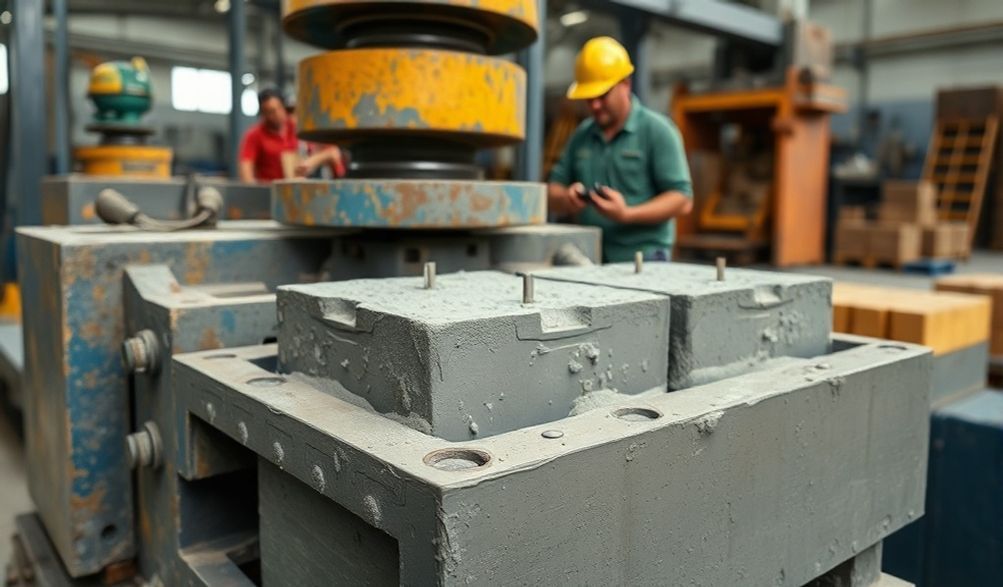
Hướng Dẫn Toàn Diện Về Máy Đúc Gạch 4-30A: Đặc Điểm, Lợi Ích và Vận Hành
Giới thiệu
Trong lĩnh vực sản xuất gạch bê tông, hiệu quả và độ tin cậy là nền tảng cho khả năng sinh lời. Đối với các chuyên gia xây dựng, chủ sân gạch và doanh nhân muốn mở rộng quy mô sản xuất, việc lựa chọn máy móc phù hợp là quyết định quan trọng, ảnh hưởng đến sản lượng, chất lượng sản phẩm và lợi nhuận cuối cùng. Hướng dẫn toàn diện này tập trung vào một trụ cột của ngành:Máy khối 4-30A.
Với bề dày kinh nghiệm chuyên môn và thực tiễn, bài viết này mang đến một phân tích rõ ràng, chuyên sâu và đáng tin cậy. Model 4-30A không đơn thuần là một thiết bị; đó là giải pháp bán tự động kết nối khoảng trống giữa các máy vận hành thủ công tốn nhiều nhân lực và các nhà máy tự động hoàn toàn đòi hỏi vốn đầu tư lớn. Chúng tôi sẽ phân tích chi tiết thông số kỹ thuật, quy trình vận hành và giá trị kinh tế của nó, trang bị cho bạn đầy đủ thông tin để đưa ra quyết định đầu tư sáng suốt cho doanh nghiệp.
Máy Ép Gạch 4-30A là gì? Thông số kỹ thuật và thiết kế cốt lõi
Máy 4-30A là một mẫu cụ thể trong dòng máy sản xuất khối xây được công nhận rộng rãi. Thiết kế của nó ưu tiên độ bền vững chắc, sản lượng ổn định và vận hành đơn giản, khiến nó trở thành lựa chọn ưa thích cho các cơ sở sản xuất quy mô nhỏ đến trung bình.
Loại và Phân loại Máy móc
4-30A được phân loại là mộtmáy đúc khối bán tự động, cố địnhĐiều này có nghĩa là nó tự động hóa quy trình tạo lõi — rung, nén và đúc khuôn — nhưng vẫn cần một nhân viên vận hành thực hiện một số tác vụ trong mỗi chu kỳ, chẳng hạn như cấp liệu thô và lấy các khối thành phẩm ra. Phân loại này khiến nó trở nên hoàn hảo cho các doanh nghiệp đã sẵn sàng nâng cao sản xuất vượt quá khả năng thủ công mà không cần đến độ phức tạp và chi phí của một dây chuyền tự động hoàn toàn.
Giải Mã Mã Số Model
Số hiệu máy móc công nghiệp hiếm khi được đặt tùy tiện. Dù thông số kỹ thuật có thể khác biệt đôi chút giữa các nhà sản xuất, cụm "4-30A" thường biểu thị:
- "4"Số lượng khối tiêu chuẩn (ví dụ: khối rỗng 4 inch) mà máy sản xuất trong một chu kỳ duy nhất.
- "30": 在最优条件下的大致周期时间(以秒为单位)。
- A:常表示该型号系列或升级版本,暗示相比于基础型号有所改进。
Quy ước đặt tên này giúp bạn hiểu ngay lập tức, chỉ qua một cái nhìn, về khả năng cốt lõi của máy: sản xuất 4 khối mỗi khoảng 30 giây.
Thông số Kỹ thuật và Vật lý Chính
Mặc dù con số chính xác phụ thuộc vào nhà sản xuất, một máy tiêu chuẩn 4-30A thường có các đặc điểm sau:
- Kích thước:大约2500毫米(长)x 1800毫米(宽)x 2200毫米(高)。还需为外围设备预留足够的空间。
- Cân nặng:通常重2,800至3,500公斤,表明其采用坚固耐震的框架结构。
- Yêu cầu về nguồn điện: Usually powered by a 11-15 kW (15-20 HP) electric motor for the vibration system and a separate motor for the hydraulic power pack.
- Hệ Thống Điều Khiển: Operated via a Programmable Logic Controller (PLC) panel for automated cycle control.
- Hệ thống thủy lực: Includes a hydraulic power unit with oil tank, pumps, valves, and cylinders responsible for the mold’s vertical movement and tamper head pressure.
Key Features and Components of the 4-30A Machine
The reliability and output quality of the 4-30A stem from its well-engineered core components.
The Molding System
This is the heart of the machine, where concrete is transformed into a precise block.
- Hộp khuôn: A heavy-duty, precision-welded steel assembly that defines the block’s external dimensions. It’s designed for easy changeover to produce different block types.
- Core Rods: These create the hollow cavities in blocks. They are mounted on a core plate and must be robust to withstand constant vibration and pressure.
- Đầu Bịt Also called the “press head,” it descends into the mold box to apply pressure on the concrete during vibration, ensuring top surface compaction and uniform density.
Vibration Mechanism
Superior compaction is non-negotiable for strong, durable blocks. The 4-30A employs a dual-vibration system:
- Table Vibration: The entire mold table vibrates at high frequency, ensuring compaction from the bottom up.
- Head Vibration: The tamper head also vibrates, compacting the concrete from the top down.
This synchronized action from both directions eliminates voids and achieves the high density required for load-bearing blocks and pavers.
Control System & Automation Level
The PLC-based control panel is the machine’s brain, offering:
- Automated Cycle Sequencing: The operator initiates a single cycle, and the PLC automatically controls the sequence: mold descent, material feed, vibration, head pressure, mold rise, and block ejection.
- Adjustable Parameters: Vibration time, pressure duration, and cycle delays can often be adjusted to fine-tune the process for different mix designs.
- Manual Override: Critical for setup, maintenance, and troubleshooting. Safety interlocks prevent operation during manual interventions.
- Fault Diagnostics: Basic models may have indicator lights, while advanced panels display error codes for quicker problem resolution.
Production Capacity and Output Expectations
Understanding real-world output is crucial for business planning. Theoretical maximums are often different from sustainable daily production.
Understanding Cycle Time and Daily Output
The “30” in 4-30A suggests a 30-second cycle time. In practice, a well-run machine with a skilled operator can achieve a cycle time of 35-45 seconds, accounting for material feeding and block removal.
Output Calculation:
* Mỗi Giờ: (3600 seconds / 40-second cycle) * 4 blocks = ~360 blocks/hour.
* Mỗi Ca Làm 8 Giờ: 360 blocks/hour * 8 hours = ~2,880 blocks.
* Per 24-Hour Day (3 shifts): Up to ~8,640 blocks.
Important: This is a sustainable estimate. Output can be higher with perfect conditions or lower during mold changes, maintenance, or with slower material handling.
Compatible Block Types and Sizes
The 4-30A’s versatility is a key selling point. With the appropriate mold, it can produce:
* Gạch rỗng: 4″, 6″, 8″ thickness (most common).
* Solid Blocks.
* Gạch lát vỉa hè liên kết (for landscaping and driveways).
* Lề đường and other specialty products (may require specific mold kits).
Factors Influencing Production Rate
Maximizing output depends on more than just the machine:
* Raw Material Consistency: A well-proportioned, semi-dry concrete mix with consistent moisture content is essential. Wet or inconsistent mix causes sticking and delays.
* Pallet Quality & System: Worn or warped pallets cause block damage and machine jams. A manual or automated pallet return system drastically improves workflow.
* Operator Skill & Rhythm: An experienced, efficient operator is the most important factor in achieving target cycle times.
* Preventive Maintenance: Unplanned downtime is the biggest killer of production targets. A disciplined maintenance schedule is non-negotiable.
Operational Workflow and Best Practices
Proper operation ensures safety, quality, and machine longevity.
Step-by-Step Operating Procedure
- Chuẩn bị: Ensure the machine is lubricated, the hydraulic oil level is correct, and the mold is clean and secured.
- Mix Loading: The operator places a pallet on the feeding table and shovels or uses a feeder to deposit the concrete mix into the mold box.
- Khởi tạo chu kỳ The operator presses the cycle start button on the PLC panel.
- Automated Cycle: The machine sequentially lowers the mold, activates dual vibration, lowers the tamper head for pressure, releases vibration, raises the mold, and ejects the block onto the pallet.
- Gỡ bỏ khối: The operator (or a helper) removes the pallet with the fresh block and transfers it to the curing area, replacing it with a new empty pallet.
- Repetition: The process repeats for the next cycle.
Essential Safety Protocols
- Mandatory PPE: Safety glasses, steel-toe boots, and hearing protection.
- An Toàn Máy Móc: Never bypass safety guards or interlocks. Keep hands clear of the mold area during automatic cycles.
- Lockout/Tagout: Always disconnect power and lock out the control panel before performing any maintenance or clearing a jam.
Routine Maintenance Checklist
Hàng ngày:
* Clean the mold box, core rods, and tamper head thoroughly after production.
* Check hydraulic oil levels and for any leaks.
* Inspect electrical connections.
* Lubricate all guide rods and moving parts as per the manual.
Hàng tuần:
* Check and tighten all bolts and nuts, especially on the vibration frame.
* Inspect hydraulic hoses for wear.
* Check the tension of drive belts (if applicable).
Monthly:
* Change hydraulic oil and filters as recommended.
* Inspect vibration motors and mounting bolts.
* Conduct a thorough inspection of the mold box for wear or damage.
Advantages and Considerations for Your Business
A balanced view helps assess if the 4-30A is the right fit.
Primary Benefits
- Hiệu quả Chi phí: Offers a significantly higher output than manual machines at a fraction of the cost of a fully automatic plant.
- Giảm Sự Phụ Thuộc Vào Lao Động One skilled operator can run the machine, reducing labor costs per block compared to manual operations.
- Exceptional Durability: Built with heavy-duty steel and industrial components for a long service life in harsh environments.
- Consistent Product Quality: The automated vibration and pressing cycle produces blocks with uniform density, dimensions, and strength, enhancing your market reputation.
Investment and ROI Analysis
- Chi phí ban đầu: The price for a new 4-30A machine typically ranges from $18,000 to $30,000, depending on the manufacturer, configuration, and region. This does not include the cost of a mixer, loader, or pallet system.
- Payback Period: For a business selling directly to the construction market, the payback period can often be achieved within 12-24 months based on local block prices and production volume.
- Vs. Fully Automatic: Fully automatic machines (like the 6-15 or 8-15 models) offer higher output with less labor but can cost 3-5 times more and require a more complex setup and higher skill level to maintain.
Potential Limitations & Solutions
- Need for Supporting Equipment: For optimal workflow, a concrete mixer and a bucket loader or material feeder are highly recommended. A pallet return system (even a simple roller conveyor) dramatically increases efficiency.
- Space Requirements: You need a covered production shed with a strong, level concrete floor, plus space for raw materials, block curing, and storage.
- Operator Training: Requires a dedicated, trainable operator. The machine’s efficiency is directly tied to the operator’s skill.
FAQ: Common Questions About the 4-30A Block Machine
Q1: What is the approximate price range for a new 4-30A block machine?
As noted, expect a range of $18,000 – $30,000 for the machine itself. Always request detailed quotations that include shipping, installation support, and initial spare parts.
Q2: Can one operator efficiently run this machine?
Yes, one skilled operator is sufficient to run the 4-30A cycle. However, a second person to handle pallet feeding and block removal can significantly boost overall production output by allowing the primary operator to focus solely on the machine cycle.
Q3: What concrete mix design is recommended for optimal results?
A semi-dry mix is crucial. A common starting ratio is 1 part cement, 3 parts sand, and 5 parts aggregate (1:3:5), with just enough water for cohesion (typically a water-cement ratio of 0.4-0.5). The mix should hold its shape when squeezed in your hand.
Q4: How does the 4-30A compare to a fully automatic block making machine?
The 4-30A is semi-automatic, requiring operator intervention per cycle. Fully automatic machines integrate material feeding, block ejection, and pallet handling into one continuous, computer-controlled process. They offer higher output (e.g., 6-10 blocks every 15 seconds) with minimal labor but at a much higher capital and operational complexity.
Q5: What are the most common spare parts I should keep in stock?
Always keep: vibration motor mounting bolts, hydraulic hose assemblies, O-rings and seals for the hydraulic cylinders, spare springs for the mold, and a set of replacement core rods. Your supplier can provide a recommended list.
Q6: What foundation and floor space are required for installation?
The machine must be bolted to a solid, level concrete foundation at least 300mm thick. The total floor space needed for comfortable operation, including material staging and block removal, is typically at least 10 meters in length and 6 meters in width.
Conclusion and Final Recommendations
CáiMáy khối 4-30A stands as a testament to practical, efficient engineering. It is not the cheapest nor the most advanced option, but for a business aiming to graduate from manual production to a more scalable, quality-focused operation, it represents an outstanding balance of output, investment, and control.
Success with this machine hinges on three pillars: proper installation on a solid foundation, investment in operator training, and a religious adherence to preventive maintenance. Before finalizing any purchase, we strongly advise you to consult with multiple reputable manufacturers or suppliers. Request detailed specifications, visit a working installation if possible, and clearly understand the after-sales support, warranty terms, and availability of spare parts in your region. With due diligence, the 4-30A can become the reliable, profit-generating cornerstone of your block manufacturing business for years to come.
<