
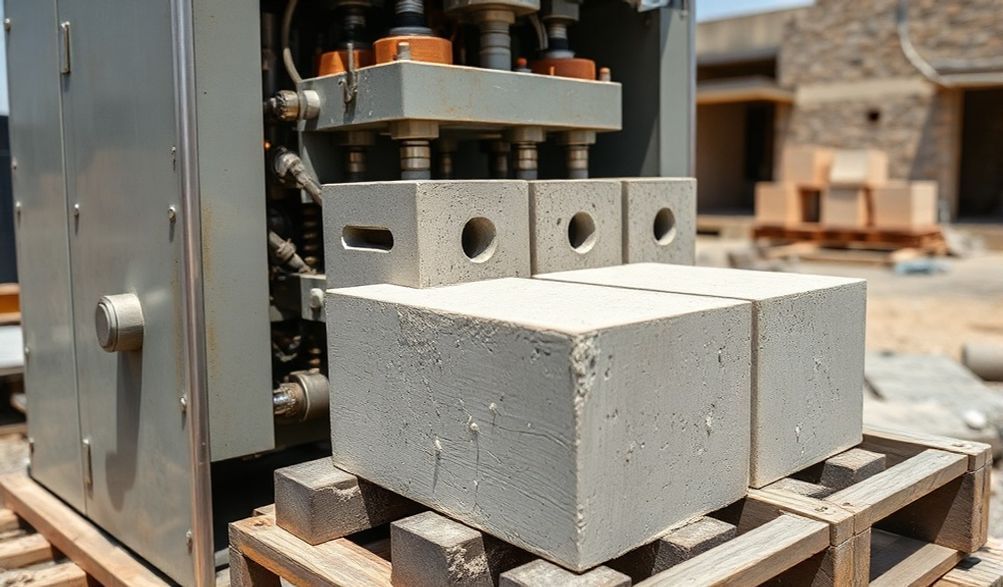
Jagorar Cikakke don Injin Yin Tubalin Gida: Nau'uka, Farashi & Yadda Ake Zabi
Gabatarwa
Buƙatar gidaje masu araha da ƙarfi a duniya ƙalubale ne mai ci gaba. Daga faɗaɗa birane zuwa ci gaban ƙauye, buƙatar kayan gini masu dogaro da ƙima gama gari ce. Ga shina'urar yin tubalin gidawani ƙwararren injiniya wanda ke canza albarkatun gida, masu ɗanyen yanayi, zuwa ainihin ginshiƙan gine-ginen al'umma. Ga magina, kwangila, da 'yan kasuwa, wannan na'urar ba kayan aiki kawai ba ce; ita ce mafita ta tushe don gini mai inganci da iya faɗaɗawa.
Wannan jagorar tana da manufa guda ɗaya: ta zama cikakkiyar albarkatunku mara son kai don kewayon duniyar injinan samar da tubali. Muna yanke maganganun talla don samar da haske bisa ƙayyadaddun fasaha, ilimin masana'antu, da ƙwarewar aiki da aka samu da wahala. Wata kuskure da sabbin masu siye sukan fuskanta ita ce rashin ƙima mahimmancin albarkatun ƙasa na gida, wanda ke haifar da rashin daidaituwa mai tsada tsakanin inji da ƙasa.
Manufarmu ita ce mu ba ku ƙarfi. A ƙarshen wannan jagorar, za ku sami tsari mai haske don tantance bukatunku, fahimtar kasuwa, da yanke shawara mai ƙarfi na zuba jari. Za mu yi bayani fa'idodi, lahani, da muhimman abubuwan da ya kamata a yi la'akari ba tare da fifita kowace alama ba, yana ba ku ingantaccen bayanin da kuke buƙata don ci gaba.
Menene Injin Gina Tubalin Gida? Ayyuka na Asali da Amfanoni
A cikinsa,na'urar yin tubalin gidawata na'ura ce da ke matsawa cakuda kayan gini na asali—galibi ƙasa, siminti, yashi, da gagarumin dutse—zuwa wani ƙatako mai kauri da daidaitaccen siffa. Tana sarrafa kuma tana ƙera wannan aikin da ake yi da hannu a al'ada ta atomatik, tana tabbatar da daidaito, ƙarfi, da inganci wanda aikin hannu ba zai iya kaiwa ba.
Yadda Ake Aiki: Tsarin Asali daga Abun Ƙasa zuwa Bulo Ƙarshe
Tsarin, ko da yake ya bambanta da nau'in na'ura, yana bin ƙa'ida mai daidaito:
1. Haɗawa:Ana haɗa kayan masarufi tare da ƙayyadadden adadin ruwa a cikin na'urar haɗawa don samun daidaitaccen yanayi, mai ɗan bushewa.
2. Ciyarwa:Wannan cakuda ana cusa shi cikin maƙarƙashiyar na’urar.
3. Matsalawa & Ƙirƙira:Ana jefa cakuda a cikin ramin ƙirar. A nan, haɗin girgizar mitar mai girma da matsi na injina ko na ruwa yana matsar da kayan, yana kawar da iska kuma yana tabbatar da matsakaicin yawa.
4. Fitarwa:Sabon tsarin, ƙaƙƙarfan bulo ana fitar da shi daga cikin ƙirar zuwa kan pallet ko ƙasa.
5. Maganin Ciwon Ciki:Ana jera tubalan kuma a bar su su yi jiki na wani lokaci (sau da yawa kwanaki 14-28) don su sami cikakken ƙarfin tsari, wani tsari da wani lokaci ake haɓaka shi da tururi a cikin tsarin ci gaba.
Fa'idodi Mafi Muhimmanci: Me Yasa Ya Kamata Ka Yi Amfani da Na'ura Na Musamman?
Zuba jari a cikin na'ura mai sadaukarwa yana ba da fa'idodi masu canza yanayi:
* Tasirin Kuɗi:Yana rage farashin aikin yi sosai a kowane bulo kuma yana rage ɓarna kayan ta hanyar daidaita ma'auni daidai.
* Daidaito & Inganci:Kowane bulo yana da girma iri ɗaya da ƙarfin matsawa (wanda aka auna a MPa), wanda ba za a iya yin shawarwari ba don tabbatar da ingancin tsari da bin ka'idojin gini.
* Sauri da Girma:Injin guda daya na iya samar da daruruwan ko dubbai na tubalan a kowace rana, yana tabbatar da cewa manyan ayyuka suna gudana a kan lokaci kuma suna ba da damar ci gaban kasuwanci.
* Siffar Ƙirar Ƙira:Ta canza gyare-gyare kawai, na'ura guda ɗaya za ta iya samar da tubalan masu ƙarfi, tubalan ramuka, tubalan haɗe-haɗe (waɗanda basa buƙatar wani turmi), da duwatsun titi, tana ba da sauƙin samar da samfura daban-daban.
Irin Nau’in Injin Kera Tubalin Gida Da Aka Bayyana
Zaɓin nau'in injin da ya dace shine babban yanke shawara na farko. Bambancin yana daga injunan hannu zuwa tsarin sarrafa kansa gabaɗaya.
Matsarorin Tukwane na Hannu
- Aiki & FitarwaGaba daya mutum ne ke sarrafa ta. Ma’aikaci ne ke cika moul din da hannu, yana sarrafa lever don matsa lamba, sannan ya cire tubalin. Ƙarfin aiki kadan ne, yawanci tubali 100-500 a kowace rana.
- Yanayin Amfani Mai Kyau:Ƙananan ayyuka na musamman, amfani na mutum (misali, gina katanga na lambun gida), ko yanayi da ke da ƙarancin jari da wadatar aiki mai arha.
- Abubuwan da suka fi kyau:Farashin farko ya yi ƙasa sosai, babu wutar lantarki da ake buƙata, mai sauƙin fahimta.
- Rashin Kyau:Aiki mai wahala, ƙarancin samarwa da rashin daidaito, ya dogara sosai da ƙwarewar ma’aikaci, yana samar da tubalan marasa ƙarfi.
Matsarori na Yin Tubali na Semi-Automatic
- Aiki & FitarwaWaɗannan injina suna sarrafa aikin tattakewa mai mahimmanci (ta amfani da motsin lantarki ko dizal da matsa lamba) amma suna buƙatar ma’aikata su ciyar da kayan aiki da kuma cire tubalan da aka kammala. Adadin fitowar yana daga 500 zuwa 3,000+ tubalan a cikin shifta ta awanni 8.
- Yanayin Amfani Mai Kyau:Mafi kyawun matsayi ga mafi yawan kananan da matsakaitan kamfanonin gine-gine da ’yan kwangila. Yana ba da daidaito mai kyau tsakanin farashin jari, yawan aiki, da ingancin tubalan.
- Abubuwan da suka fi kyau:Babban haɓaka aikin samarwa akan aikin hannu, kyakkyawan kulawar inganci, saka hannun jari matsakaici, ƙarfin bulo mafi daidaito.
- Rashin Kyau:Har yanzu yana buƙatar ƙaramin ma'aikata, samarwa ba ci gaba ba ne.
Matsarorin Block Masu Sarrafa Kansu Gabaɗaya
- Aiki & FitarwaWaɗannan cikakkun layukan samarwa ne. Suna da tsarin ciyar da kayan aiki ta atomatik, yin gyare-gyare, matsewa, fitar da tubalan, jera su, wani lokaci kuma tsarin mayar da pallet. Ana sarrafa su ta hanyar PLC (Programmable Logic Controller), suna iya samar da tubalan 4,000 zuwa 20,000+ a kowace rana.
- Yanayin Amfani Mai Kyau:Manyan wuraren shagunan bulo na kasuwanci, manyan kamfanonin gine-gine da ke samar da gidaje gabaɗaya, ko ‘yan kasuwa da ke mai da hankali kawai kan kera bulo a matsayin sana’a.
- Abubuwan da suka fi kyau: Maximum output with minimal labor, unparalleled consistency, often include advanced features like automatic color dosing or steam curing chambers.
- Rashin Kyau: High capital investment, complex installation, requires reliable utility connections and skilled maintenance.
Mobile vs. Stationary Block Plants: Key Differences
- Na'urorin Motsi: Mounted on a trailer, these are designed to be towed directly to a construction site. They produce blocks on-site, eliminating transport costs for the finished product. Ideal for remote projects or where the raw material (e.g., soil) is already at the location.
- Tsire-tsire Masu Tsayawa: Set up in a fixed yard. They require raw materials to be transported to the machine and finished blocks to be transported to job sites. They allow for more permanent, optimized setups with shelters, conveyor systems, and larger raw material stockpiles.
Critical Factors for Choosing Your Machine
Beyond the machine type, drill down into these specifics. An experienced buyer always prioritizes these factors over a flashy sales pitch.
Assessing Your Production Needs: Output Capacity
Don’t just think about today’s project. Consider your business over the next 2-3 years.
* Calculate your average daily block requirement based on project pipelines.
* Crucial Insight: Machine output is rated in cycles per hour. Multiply this by the number of blocks per cycle (e.g., a “4-block mold” makes 4 blocks per cycle). Always derate the manufacturer’s “ideal” output by 15-20% for real-world conditions like breaks, maintenance, and material loading.
Raw Material Considerations
The machine must suit your material, not the other way around.
* Soil Type: Not all soil is suitable. A simple on-site soil test for composition (clay, silt, sand ratio) is essential. High clay content can cause cracking; sandy soil may lack cohesion.
* Mix Design: The recipe matters. A standard Cement Stabilized Earth Block (CSEB) might be 5-10% cement, 30% sand, and 60-65% soil. Your local conditions will dictate the optimal mix. Shawarwarin Ƙwararru: Reputable suppliers should offer to test a sample of your local material in their machine.
Nau'ikan Tubalan da Girman Su
What will you build? Your product determines the mold.
* Tsari Mai Ƙarfi: For heavy-load bearing walls and foundations.
* Tubalin Ƙofa: Lighter, provide better insulation, and are used for partition walls and some structural walls.
* Tubalan Masu Haɗa Kai: The edges are designed to fit together like puzzle pieces, minimizing or eliminating mortar. This drastically speeds up construction and reduces skilled labor needs.
* Fasahar shimfidar kasa:Don titin mota, hanyoyin ƙafa, da kuma gyaran shimfidar ƙasa.
Power Source: Electric, Diesel, or Hybrid?
- Lantarki: Cleaner, quieter, and lower operational cost per hour. Requires a stable and powerful grid connection.
- Dizal: Offers complete independence from the grid, crucial for sites without reliable electricity. Higher fuel and maintenance costs, and produces emissions/noise.
- Hibrid: Offers flexibility to switch between power sources, providing a valuable backup but at a higher purchase price.
Key Machine Features to Inspect
When evaluating models, look under the hood:
* Ingancin Ƙirƙira: Molds should be made from hardened, high-grade steel. A worn or poorly machined mold produces out-of-spec blocks.
* Tsarin Girgiza: This is the heart of compaction. Look for multiple high-frequency external vibrators mounted on the mold table. The amplitude and frequency determine block density.
* Tsarin Hydraulic: For semi- and fully-automatic machines, check the quality of pumps, cylinders, and valves. Ask about pressure ratings and filtration systems to prevent contamination.
Understanding the Investment: Cost Analysis & ROI
A transparent look at the numbers builds trust and prevents nasty surprises.
Breakdown of Costs
The machine’s price tag is just the start.
* Machine Price: Varies wildly: Manual ($1,000-$5,000), Semi-Auto ($8,000-$50,000), Fully Auto ($60,000-$500,000+).
* Jigilar kaya & Gudanar da kaya For imported machines, this can be 10-25% of the machine cost. Factor in port charges, customs duties, and inland transport.
* Installation & Foundation: Some machines require a concrete foundation. Installation may require a technician, potentially with travel costs.
* Initial Training: Don’t skip this. Budget for operator and basic maintenance training.
Operational Costs
Your ongoing expenses determine profitability.
* Kayan Aiki: The largest recurring cost. Source locally to minimize expense.
* Aiki Number of workers needed for operation, material handling, and curing yard management.
* Power/Fuel: Calculate based on your machine’s consumption and local utility/fuel rates.
* Maintenance & Spares: Set aside 2-5% of the machine’s cost annually for routine maintenance and spare parts (like wear plates on molds).
Calculating Potential Return on Investment (ROI)
A simplified model:
1. Calculate your cost per block (Material + Labor + Power + Maintenance/Depreciation).
2. Determine your selling price per block in your local market.
3. Calculate profit per block.
4. Estimate how many blocks you can realistically produce and sell per month.
5. ROI Time (in months) = Total Investment Cost / (Profit per Block x Blocks Sold per Month).
For a semi-automatic setup, a well-run operation often sees an ROI within 12-24 months.
Tips for Sourcing Reliable Suppliers
- Request Multiple Quotes: Ensure they are for the same specifications (output, mold type, power).
- Ask for References & Visit Existing Installations: If possible, talk to other buyers in a similar climate or region.
- Review After-Sales Support: What is their warranty? Do they have local technicians or a network for spare parts? This is often more important than a slight price difference.
Operation, Safety, and Maintenance Best Practices
The machine’s longevity and your team’s safety depend on disciplined practices.
Essential Safety Protocols for Operators
- PPE is Mandatory: Safety glasses, hearing protection (vibration is loud), steel-toe boots, and gloves.
- Lock-Out/Tag-Out: Always disconnect power and relieve hydraulic pressure before performing any maintenance or clearing a jam.
- Never Bypass Safety Guards: They are there for a reason, especially around moving parts and vibration units.
Maintenance Checklists
- Kullum: Check hydraulic fluid levels, inspect for oil leaks, clean the machine thoroughly (built-up hardened material is a major cause of wear), and check mold and wear parts.
- Mako-mako: Tighten all bolts and nuts (vibration loosens them), check vibrator mounts, inspect electrical connections.
- Kowane wata: Change hydraulic oil filters, check and repack bearings, conduct a full inspection of the mold and compaction system.
Troubleshooting Common Issues
- Poor Compaction/Weak Blocks: Usually incorrect water content in the mix, insufficient vibration time/power, or worn mold liners.
- Blocks Sticking in Mold: Mold needs cleaning or a light application of recommended mold oil. Could also indicate a mix that is too wet.
- Machine Not Cycling: Check electrical connections, hydraulic pressure settings, and safety sensor positions.
Ensuring Long Machine Lifespan
Build a relationship with your supplier for genuine spare parts. Keep a small inventory of critical wear items (like mold liners and hydraulic seals) to minimize downtime. The adage “a clean machine is a long-lasting machine” holds absolutely true here.
Frequently Asked Questions (FAQ) About House Block Making Machines
Q1: What is the average production capacity of a standard house block making machine?
There is no single “standard.” Capacities range from ~500 blocks per day for a manual machine to over 10,000 for a fully automatic plant. A popular semi-automatic model might produce 1,500-2,500 high-quality blocks in an 8-hour shift.
Q2: Can I use local soil in a block making machine, or is a special mix required?
You can and should use local soil, but it often requires modification. A “special mix” is created by analyzing your local soil and blending it with stabilizers (like cement or lime) and aggregates (sand, gravel) to achieve the required strength and durability. Always test your specific soil first.
Q3: What is the typical price range for a good quality semi-automatic machine?
For a robust, well-built semi-automatic machine capable of professional output, expect a price range of $15,000 to $35,000, depending on features, level of automation, and brand. Significantly cheaper machines often compromise on the quality of components like the vibration motor or hydraulic system.
Q4: How much space (land) is needed to set up a small block production yard?
A minimum of 5,000 to 10,000 square feet (approx. 500-1,000 sq. meters) is recommended. This space must accommodate the machine shed, raw material stockpiles (sand, aggregate, soil), a mixing area, a large curing yard where blocks sit for weeks, and storage for finished blocks.
Q5: What kind of training is required to operate and maintain these machines?
Basic operation can be learned in a few days. Effective maintenance and troubleshooting require more in-depth training, often provided by the supplier over a week. Understanding the raw material mix design is a separate, critical skill that may require consultation with a local engineer or experienced block producer.
Q6: Are there eco-friendly or sustainable options for block production?
Absolutely. This is a major industry trend. Options include:
* Using compressed earth blocks (CEBs) with minimal (5%) or no cement, stabilized with lime.
* Incorporating industrial by-products like fly ash into the mix.
* Producing interlocking blocks, which reduce cement mortar use by up to 50% during construction.
* Using solar power to run electric machines.
Ƙarshe
Zaɓar daidaina'urar yin tubalin gida is a strategic decision that hinges on a clear assessment of your project scale, budget, long-term business goals, and the characteristics of your locally available materials. There is no one-size-fits-all solution, but there is a right machine for your specific context.
Our final, most crucial recommendation is this: Do not skip the testing phase. Use this guide as a checklist when speaking with manufacturers. Insist on having your local soil tested in their machine to see the resulting block quality and strength. If at all possible, visit an existing installation to see the machine running in real-world conditions.
Before finalizing any investment, it is also wise to consult with a local civil or construction engineer. They can provide site-specific advice on optimal block specifications for your climate and soil conditions. The industry is steadily moving towards greater automation and a stronger focus on sustainable materials—positioning your investment with these trends in mind is a smart long-term strategy.
<