
Jagorar Cikakkiyar Zabi na Mafi Kyawun Injin Gyaran Bulo Don Aikin Ku
Gabatarwa
Daga tsoffin ganuwar birni zuwa manyan gine-ginen zamani, bulo mai sauƙi ya kasance ginshiƙin ginin ɗan adam shekaru aru-aru. Amma a bayan kowane bangon da ya dore akwai wata muhimmiyar tambaya: ta yaya aka yi waɗannan bulo? A yau, a cikin yanayin gini mai sauri, mai tsada, kuma mai inganci, hanyar samarwa ba kawai dalla-dalla ba ce—ta zama muhimmin al'amari ga nasara. Idan kuka yi amfani da injin da bai dace ba, me zai faru da kasafin aikin ku, lokacin kammalawa, da ƙarfin ginin?
Ga ƙananan masu gini, ƙwararrun masana'antu, da manyan kwangila, samar da bulo yana cike da ƙalubale. Hanyoyin da ake bi da hannu suna haifar da ingancin da bai dace ba, inda bambance-bambancen girma da yawa ke lalata haɗin turmi da ƙarfin tsari. Dogaro da ma'aikata masu tsada, waɗanda ba a iya faɗi ba, suna rage ci gaba da haɓaka kasafin kuɗi. Haɓaka samarwa don biyan buƙatun aikin sau da yawa yana kama da wani ƙalubale da ba za a iya ci nasara ba. Waɗannan matsalolin suna haifar da cikas wanda zai iya dakatar da ko da mafi kyawun shirin gini ko kasuwancin masana'antu.
Shigo da na'urar ƙera bulo ta zamani: ƙwararren mafita wanda ke canza albarkatun da ba su da tsada, zuwa ingantattun tubalan gini masu inganci, ƙarfi, da kuma daidaito tare da ingantacciyar inganci. Wannan jagorar an tsara ta ne don rage hayaniyar kasuwa da kuma ƙaƙƙarfan kalmomin fasaha. Manufarta ita ce ta zama cikakkiyar littafin jagora mara son kai, wanda aka gina shi bisa ƙwarewar masana'antu, ƙa'idodin injiniyanci, da kuma gogewar masu amfani a zahiri. Za mu haɗa ƙayyadaddun bayanan fasaha, bayanan masana'anta, da kuma ƙwarewar aiki don ba ku ikon yin yanke shawara mai inganci, amincewa, da dogaro don bukatun ku na musamman.
Menene Injin Gyaran Bulo? Ayyuka na Asali da Nau'oin
A tsakiyar sa, na'urar yin bulo tana sarrafa kuma tana ƙara masana'antu ga tsohuwar hanyar yin bulo. Ita ce ginshiƙin samar da bulo na zamani, mai iya faɗaɗawa.
Tsarin Aiki na Asali An Bayyana
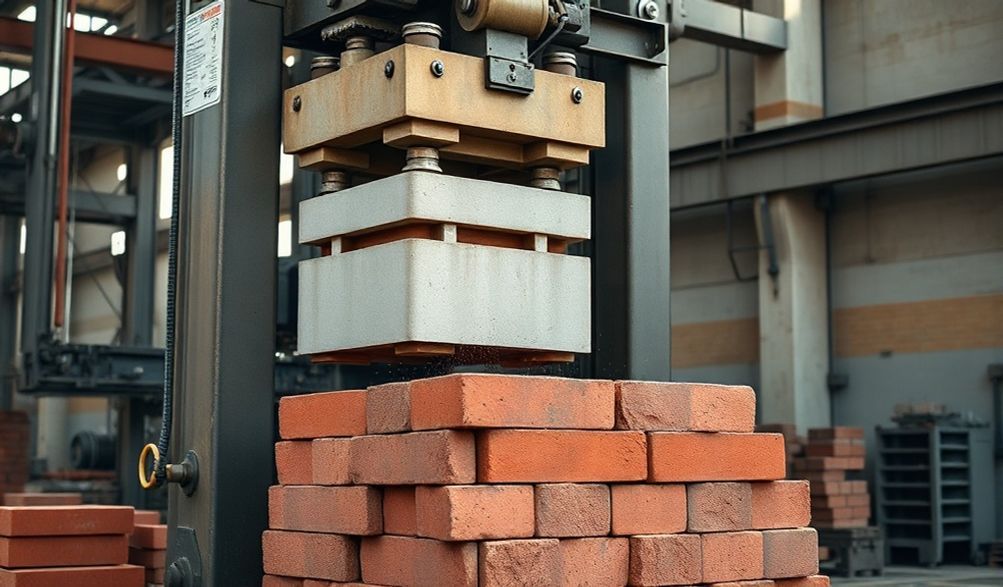
Ko da yake ƙira sun bambanta, ainihin tsari yana daidaitawa a yawancin injina. Ka yi la'akari da shi a matsayin babban, mai ƙarfi, da kuma madaidaicin matsi na kuki don kayan gini. Tsarin gaba ɗaya ya ƙunshi muhimman matakai guda huɗu:
- Ciyarwa:Wani shiri mai shirye-shirye (kamar siminti, yumbu, ko siminti-ƙasa) ana ɗora shi cikin maɗauki.
- Ƙarfafawa:Ana cika kayan a cikin ramin ƙirar. A nan, ana haɗa babban ƙarfi da...Ƙarfin matsawa na hydraulic(a cikin injunan latsa) da/ko mai yawan mitagirgiza(cikin tebur masu girgiza) yana kawar da kusoshin iska da matsawa kayan zuwa mahimmin yawa.
- Gyare-gyare:Kayan yana ɗaukar ainihin siffar ƙirar - ko yana da ƙarfi, ramuka, paver, ko tubalin haɗin kai.
- Fitarwa:Bulan da aka ƙera sabo, wanda aka matsawa, ana fitar da shi daga cikin madaidaicin zuwa kan pallet, na'urar ɗaukar kaya, ko ƙasa don gyarawa.
This mechanized cycle ensures every brick from the same mould is virtually identical, a feat nearly impossible to achieve consistently by hand.
Na Hannu vs. Na Rago-da-kai vs. Na Kanta Gabaɗaya
Your choice here defines your labor strategy, output, and initial investment.
- Na'urorin Hannu: Operated entirely by human power (lever systems). They are low-cost, portable, and perfect for very small-scale, on-site projects like a backyard garden wall. Output is low (50-200 blocks/day), and consistency heavily depends on the operator’s skill.
- Matsin Injin Mai Ƙaramin Gudanarwa: These are the workhorses for small to medium enterprises (SMEs). They use an electric or diesel motor to drive the compaction and vibration process, but require operators to feed material and remove finished bricks. They offer an excellent balance, providing higher output (1,000-5,000 blocks/day) with moderate investment and labor.
- Matsarori Masu Sarrafa Kansu Gabaɗaya: These are computer-controlled production lines. They feature automatic material feeding, moulding, stacking, and sometimes even pallet return systems. Labor is primarily for supervision and maintenance. They are designed for large-scale industrial plants requiring massive, consistent output (10,000+ blocks/day) with minimal human intervention.
Key Types by Output & Process
The technology used defines the brick type and optimal raw material.
- Na'urorin Matsi na Tsaye: Utilize a high-tonnage hydraulic ram to compress material into a fixed mould. Industry practice shows they are ideal for producing high-density, high-precision bricks like:
- Fly Ash Bricks (using thermal power plant waste).
- Solid Concrete Blocks.
- Interlocking Stabilized Soil Blocks (ISSB).
- Matsalolin Tebu Mai Girgiza: The mould is filled and then subjected to intense vibration on a shaking table, consolidating the concrete mix. This process is best for:
- Hollow Concrete Blocks.
- Paving Slabs & Kerbstones.
- Lightweight blocks with lower pressure requirements.
- Na'urorin Matsawa: Primarily used for clay brick production. A continuous column (or “slug”) of wet clay is forced through a die of the desired profile, then cut into individual bricks by wires. This allows for continuous, high-volume production of traditional solid clay bricks.
Abubuwan Muhimman Da Ya Kamata A Yi La'akari Da Su Kafin Ka Siyo
Selecting a machine is a strategic decision. Rushing in based on price alone is a common and costly mistake. A deep, honest assessment of your needs is paramount.
Ƙididdigar Bukatun Samarwa
- Output Capacity (Blocks/Hour/Day): Don’t guess. Calculate based on your project size or sales forecast. For a construction project, estimate total bricks needed and your timeline. For a business, start with market demand. A machine operating at 80% capacity is more efficient and lasts longer than one constantly running at 110% strain.
- Nau'in Bricki & Girma: Machines are often optimized. Are you making standard 6″ hollow blocks for housing, heavy-duty pavers for driveways, or innovative interlocking bricks for dry-stack construction? Your product catalog dictates the machine type and the kwalaye you’ll need.
- Daidaitaccen Kayan Aiki: This is non-negotiable. The wrong machine for your material will fail.
- Yumbu Requires an extruder or a very specific type of press.
- Concrete (Cement-Sand-Aggregate): Works well with both vibrating table and hydraulic press machines.
- Fly Ash/Lime/Gypsum: Typically requires a high-pressure hydraulic press for proper chemical bonding.
- Stabilized Earth (Soil + small cement percentage): Needs a press capable of compacting the material to a waterproof state.
Machine Specifications & Features Deep Dive
Look beyond the sales brochure. These specs determine long-term performance.
- Motor Power & Operation: Is it electric (consistent power, lower noise, requires grid connection), diesel (portable, for sites without power), or a hybrid? Match the power (HP/kW) to the machine’s compression force or vibration needs. Underpowered motors burn out quickly.
- Mould Quality & Interchangeability: The mould is the heart of the machine. Look for:
- Ƙarfen Ƙarfe: High-carbon, hardened steel lasts exponentially longer than mild steel.
- Tsarin Ƙarfafawa: Induction or heat-treated moulds resist wear.
- Interchangeability: A quick-change mould system (using standard bolts vs. specialized fittings) allows you to switch product types in minutes, maximizing machine versatility and ROI.
- Cycle Time & Automation Level: How many bricks per minute/hour can it produce? Higher automation (auto-feeding, auto-stacking) drastically increases output and consistency while reducing labor costs and physical strain on workers.
- Build Quality & Durability: Inspect the frame (reinforced steel is best), the thickness of metal plates, and the quality of hydraulic hoses or vibrator mounts. A heavier, well-welded frame absorbs vibration and stress, leading to a longer lifespan and less downtime.
Total Cost of Ownership (TCO) Analysis
The purchase price is just the entry ticket. A true financial assessment includes:
- Installation & Foundation: Some heavy machines require a leveled concrete foundation.
- Horarwa: Will operators be properly trained to use and maintain it?
- Kudin Kulawa: Regular lubrication, part replacement (like wear plates in the mould). Ask for a recommended maintenance schedule and spare parts price list.
- Amfani da Makamashi: The motor’s power rating directly impacts your electricity or diesel bill.
- Parts Availability & Supplier Support: Can you get a replacement hydraulic seal or vibrator motor locally, or must it be shipped from overseas at great cost and delay? A reliable local supplier with a parts inventory is invaluable.
Top Applications & Benefits of Modern Brick Moulding Machines
The right machine isn’t just a tool; it’s a transformative asset for different players in the construction ecosystem.
For Construction Companies & Large Projects
- Samarwa a Wurin Aiki: Eliminate supply chain delays and transport costs for bulk projects. Produce bricks exactly where they are needed.
- Cost & Quality Control: Lock in material costs and ensure every brick meets your project’s specific strength and dimensional standards.
- Custom Specifications: Need a unique size, color, or texture? With a custom mould, you can produce bespoke bricks unavailable on the open market.
For Brick Manufacturing Businesses (MSMEs)
- Ginin Kasuwanci: A semi-automatic machine is a viable entry point to start a profitable manufacturing unit, serving local builders and contractors.
- Scalable Growth: Start with one machine and one product. As demand grows, add moulds for new products or upgrade to a more automated system.
- Market Competitiveness: Consistent quality and reliable supply build a strong reputation, allowing you to compete effectively and command better prices.
Fasahohin Gaba Da Hanyoyin Al'ada
- Superior Quality & Uniformity: Precise dimensions ensure perfect mortar joints and easier laying. Consistent density guarantees uniform compressive strength, a critical factor for structural integrity and compliance with standards like ASTM C90 for concrete masonry units.
- High Efficiency & Speed: Multiply production rates by 10x, 50x, or even 100x compared to manual labor, dramatically accelerating project timelines.
- Ragewar Farashin Farashi Mai Girma: Reduce dependency on large, skilled labor crews. Minimize material waste through precise compaction.
- Babu Kamance. One machine platform can produce bricks, blocks, pavers, and landscape products, allowing you to respond to diverse market demands.
- Eco-Friendly Potential: Many modern machines are designed to use industrial waste streams (like fly ash) or locally sourced stabilized earth, reducing the environmental footprint of construction.
Operation, Maintenance & Safety Best Practices
Owning a machine is a commitment to proper operation and care. Neglect here is the primary cause of premature failure.
Step-by-Step Operational Guide
- Site Prep: Ensure a level, solid base (often concrete) and adequate space for material storage and brick curing.
- Machine Setup: Follow the manufacturer’s manual to assemble, level, and secure the machine. Connect to a power source with correct voltage and safety breakers.
- Material Mixing: Achieve the correct ratio (e.g., 1:6 cement/sand for concrete) and consistency (usually a “semi-dry” mix). A consistent mix is vital for consistent bricks.
- Test Batch: Run a small batch to check brick formation, density, and surface finish. Adjust material moisture or machine settings as needed before full production.
Essential Routine Maintenance Checklist
Based on field performance reviews, a disciplined maintenance routine prevents 90% of major breakdowns.
- Kullum: Clean all material residue from the mould, hopper, and press head. Check hydraulic oil levels and for leaks. Inspect electrical connections.
- Mako-mako: Lubricate all moving parts (pivots, guide rods) as per the manual. Check and tighten all bolts and nuts, which can loosen from constant vibration.
- Kowane wata: Conduct a thorough inspection of wear parts: the mould interior, wear plates, and vibration mounts. Replace as necessary. Keeping a detailed maintenance log helps track part life and schedule proactive replacements.
Operator Safety Protocols
Safety is non-negotiable. Enforce these protocols strictly:
- Mandatory PPE: Safety goggles, heavy-duty gloves, steel-toe boots, and hearing protection (especially around loud vibrators).
- Tsaron Injini: Never operate with safety guards removed. Ensure emergency stop buttons are functional and easily accessible. Lock out/tag out power during maintenance.
- Component Handling: Moulds and bricks are heavy. Train operators on proper lifting techniques and use mechanical aids where possible.
Tambayoyin da ake yawan yi (FAQ)
Q1: What is the average production capacity of a standard brick moulding machine?
A: There is no single “standard.” Capacity ranges dramatically from about 500 blocks per 8-hour shift for a small manual press to over 10,000 blocks for a fully automatic line. The key variables are machine type, level of automation, cycle time, and operator efficiency.
Q2: Can one machine produce different types and sizes of bricks?
A: Yes, absolutely. This is achieved through interchangeable moulds. This versatility is a major advantage. However, you must verify with the supplier that the machine is designed for quick mould changes and that the moulds you want are compatible with its press head or table size.
Q3: What is the typical lead time for delivery and installation?
A: For standard models from local or regional suppliers, lead time can be 2-6 weeks. For custom-configured machines or imports, it can extend to 3-6 months. Always clarify this before ordering and factor it into your project plan.
Q4: How do I choose between a new and a used brick moulding machine?
A: A used machine offers a lower upfront cost but carries risk. Pros: cost savings. Cons: potential hidden wear, outdated technology, and lack of warranty. If considering used, it is essential to have it inspected by a qualified technician, review its maintenance history, and ensure spare parts are still available.
Q5: What kind of after-sales support should I expect from a reputable supplier?
A: A trustworthy supplier provides a comprehensive package: a detailed operation & maintenance manual, installation guidance (onsite or remote), basic operator training, a clear warranty (specifying parts and labor coverage), and most importantly, reliable access to a spare parts inventory or supply chain.
Ƙarshe
Choosing the right brick moulding machine is a strategic investment that impacts your productivity, profitability, and product quality for years to come. It is not merely a purchase but a partnership with a piece of technology that will form the literal building blocks of your projects or business.
The path to the right decision is clear. First, define your requirements with precision—output, brick type, and raw material. Second, research suppliers not just on price, but on their proven expertise, technical support, and service track record. Request customer references. Third, whenever possible, request a live demonstration or visit an existing installation to see the machine in action. Finally, make your decision based on a thorough Total Cost of Ownership analysis, considering all long-term operational and support costs.
This guide was created to empower you with expert, experience-based knowledge, elevating your conversation with suppliers from a simple price inquiry to a technical discussion. It aims to build the trustworthiness you need to make a confident choice. For large-scale industrial projects, we always recommend consulting with a civil engineer or production expert to finalize specifications.
Ready to take the next step? [Download our free Brick Machine Comparison Checklist] to systematically evaluate your options and ensure you don’t overlook a critical detail in your selection process.
<