
Дастури олии интихоби беҳтарин мошини қолаби хишти барои лоиҳаи шумо
Муқаддима
Аз деворҳои қадимаи шаҳр то осмонхароҳои муосир, хишти содда барои ҳазорсолаҳо устувори асосии сохтмони инсонӣ будааст. Аммо дар пушти ҳар девори устувор як саволи муҳим мавҷуд аст: он хиштҳо чӣ тавр сохта шудаанд? Дар муҳити сохтмони имрӯзаи серсуръат, ҳассос ба хароҷот ва ба сифат равонашуда, усули истеҳсол на фақат як тафсилот, балки омили қатъӣ барои муваффақият аст. Чӣ мешавад, агар мошини нодуруст тамоми буҷа, ҷадвали вақт ва устувории сохтмони шуморо хароб кунад?
Барои сохтмончиёни хурд, корхонаҳои рушдёбанда ва подрядчиёни калон, истеҳсоли хишт бо мушкилот пур аст. Усулҳои дастӣ ба сифати нобаробар мерасонанд, ки андозаҳо ва зичиҳои гуногун пайвастҳои морт ва устувории сохторро таъмин мекунанд. Такя ба меҳнати гаронбаҳо ва нопайдо кардани суръати пешрафт ва буҷаҳоро зиёд мекунад. Афзоиши истеҳсолот барои таъмини талаботи лоиҳаҳо аксар вақт монанди монеаи ғайриимконбароянд менамояд. Ин нуқтаҳои дарднок гулугиро эҷод мекунанд, ки метавонад ҳатто корҳои сохтмонӣ ё истеҳсолии беҳтарин тарҳрезӣшударо боздорад.
Машини муосири қолаби хишти сохтмонӣ: ҳалли муҳандисӣ, ки моддаҳои хом, арзонро ба блокҳои дақиқ, бо давом ва устувори сохтмонӣ бо самаранокии назаррас табдил медиҳад. Ин дастур барои рафъи шури бозор ва истилоҳоти техникӣ таҳия шудааст. Мақсади он ин аст, ки дастури комил ва бегараратон бошад, ки бар асоси таҷрибаи соҳа, принсипҳои муҳандисӣ ва таҷрибаи корбарони воқеӣ сохта шудааст. Мо муайянҳои техникӣ, маълумоти истеҳсолкунанда ва дониши амалиро барои имкон додани шумо барои қабули қарори сармоягузории огоҳона, боварманд ва боэътимод барои эҳтиёҷоти мушаххаси худ муттаҳид мекунем.
Машинаи хиштсозӣ чист? Вазифаи асосӣ ва навъҳо
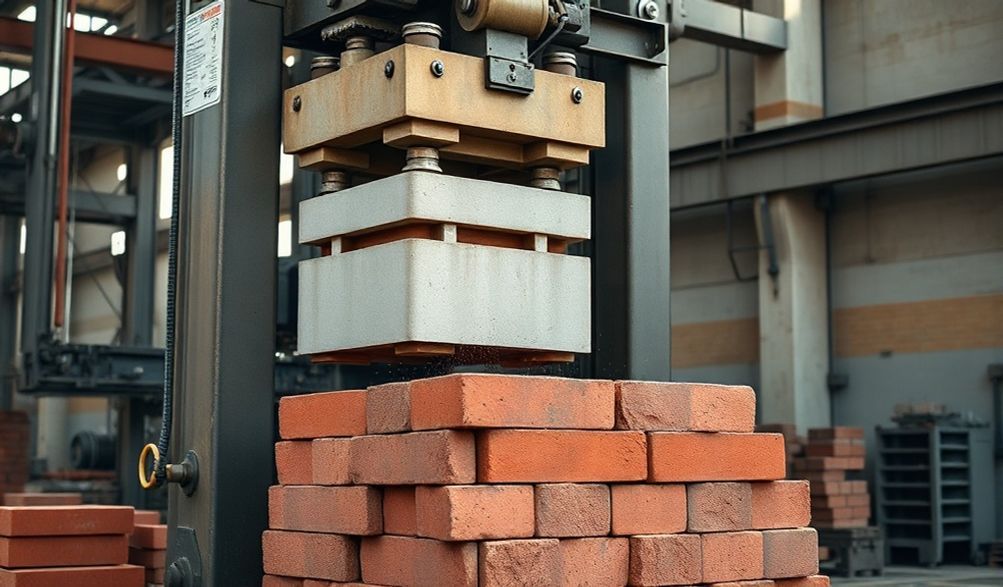
Дар асоси худ, мошини қолибсозии хишт фароянди қадимии ташкили хиштро автоматӣ ва саноатӣ мекунад. Ин асоси истеҳсоли хишти муосир ва миқёспаз мебошад.
Принсипи асосии кори муфассал шарҳ дода шудааст
Дар ҳоле ки тарҳҳо фарқ мекунанд, раванди асосӣ дар аксари мошинҳо якхела аст. Онро ҳамчун як матоъи калон, қавӣ ва дақиқ барои маводҳои сохтмонӣ тасаввур кунед. Дар маркази ин раванд чаҳор марҳилаи асосӣ мавҷуданд:
- Хӯрок доданОмехтаи омода (монанди бетон, гил ё гил-симент) ба хоҳбар бор карда мешавад.
- Фарсудан:Мавод ба ҳавзаи қолиб ворид карда мешавад. Дар ин ҷо, омезиши фишори бисёрқувваи фишори гидравликӣ(дар мошинаҳои чоп) ва/ё басомади баландлапсиш(дар ҷадвалҳои ларзишӣ) ҳавои ҷойгиршударо хориҷ карда ва моддаро ба зичии муҳим фишор медиҳад.
- Қолибсозӣ:Мавод шакли дақиқи қолибро мегирад — ҳамчун блоки сахт, блоки ҳавоӣ, павер ё хишти басташуда.
- Хориҷ кардан:Брикити навташкилшуда ва фишурдашуда аз қолиб ба палет, конвейер ё замин барои пухтан барои мустаҳкам шудан бароварда мешавад.
This mechanized cycle ensures every brick from the same mould is virtually identical, a feat nearly impossible to achieve consistently by hand.
Дастӣ нисбат ба ним-автоматӣ нисбат ба машинаҳои пурра автоматӣ
Your choice here defines your labor strategy, output, and initial investment.
- Дастгоҳҳои дастӣ: Operated entirely by human power (lever systems). They are low-cost, portable, and perfect for very small-scale, on-site projects like a backyard garden wall. Output is low (50-200 blocks/day), and consistency heavily depends on the operator’s skill.
- Машинаҳои ним-автоматӣ: These are the workhorses for small to medium enterprises (SMEs). They use an electric or diesel motor to drive the compaction and vibration process, but require operators to feed material and remove finished bricks. They offer an excellent balance, providing higher output (1,000-5,000 blocks/day) with moderate investment and labor.
- Машинаҳои пурра автоматӣ: These are computer-controlled production lines. They feature automatic material feeding, moulding, stacking, and sometimes even pallet return systems. Labor is primarily for supervision and maintenance. They are designed for large-scale industrial plants requiring massive, consistent output (10,000+ blocks/day) with minimal human intervention.
Key Types by Output & Process
The technology used defines the brick type and optimal raw material.
- Машинаҳои фишори статикӣ: Utilize a high-tonnage hydraulic ram to compress material into a fixed mould. Industry practice shows they are ideal for producing high-density, high-precision bricks like:
- Fly Ash Bricks (using thermal power plant waste).
- Solid Concrete Blocks.
- Interlocking Stabilized Soil Blocks (ISSB).
- Мизҳои ларзишӣ: The mould is filled and then subjected to intense vibration on a shaking table, consolidating the concrete mix. This process is best for:
- Hollow Concrete Blocks.
- Paving Slabs & Kerbstones.
- Lightweight blocks with lower pressure requirements.
- Extrusion Machines: Primarily used for clay brick production. A continuous column (or “slug”) of wet clay is forced through a die of the desired profile, then cut into individual bricks by wires. This allows for continuous, high-volume production of traditional solid clay bricks.
Омилҳои муҳим барои баррасӣ пеш аз харид
Selecting a machine is a strategic decision. Rushing in based on price alone is a common and costly mistake. A deep, honest assessment of your needs is paramount.
Арзиши Эҳтиёҷоти Истеҳсолии Шумо
- Output Capacity (Blocks/Hour/Day): Don’t guess. Calculate based on your project size or sales forecast. For a construction project, estimate total bricks needed and your timeline. For a business, start with market demand. A machine operating at 80% capacity is more efficient and lasts longer than one constantly running at 110% strain.
- Навъ ва Андозаи Хишт: Machines are often optimized. Are you making standard 6″ hollow blocks for housing, heavy-duty pavers for driveways, or innovative interlocking bricks for dry-stack construction? Your product catalog dictates the machine type and the зардӣ you’ll need.
- Мувофиқати Маводи Хом: This is non-negotiable. The wrong machine for your material will fail.
- Лой Requires an extruder or a very specific type of press.
- Concrete (Cement-Sand-Aggregate): Works well with both vibrating table and hydraulic press machines.
- Fly Ash/Lime/Gypsum: Typically requires a high-pressure hydraulic press for proper chemical bonding.
- Stabilized Earth (Soil + small cement percentage): Needs a press capable of compacting the material to a waterproof state.
Machine Specifications & Features Deep Dive
Look beyond the sales brochure. These specs determine long-term performance.
- Motor Power & Operation: Is it electric (consistent power, lower noise, requires grid connection), diesel (portable, for sites without power), or a hybrid? Match the power (HP/kW) to the machine’s compression force or vibration needs. Underpowered motors burn out quickly.
- Mould Quality & Interchangeability: The mould is the heart of the machine. Look for:
- Steel Grade: High-carbon, hardened steel lasts exponentially longer than mild steel.
- Hardening Process: Induction or heat-treated moulds resist wear.
- Interchangeability: A quick-change mould system (using standard bolts vs. specialized fittings) allows you to switch product types in minutes, maximizing machine versatility and ROI.
- Cycle Time & Automation Level: How many bricks per minute/hour can it produce? Higher automation (auto-feeding, auto-stacking) drastically increases output and consistency while reducing labor costs and physical strain on workers.
- Build Quality & Durability: Inspect the frame (reinforced steel is best), the thickness of metal plates, and the quality of hydraulic hoses or vibrator mounts. A heavier, well-welded frame absorbs vibration and stress, leading to a longer lifespan and less downtime.
Total Cost of Ownership (TCO) Analysis
The purchase price is just the entry ticket. A true financial assessment includes:
- Installation & Foundation: Some heavy machines require a leveled concrete foundation.
- Training: Will operators be properly trained to use and maintain it?
- Хароҷоти нигоҳдорӣ: Regular lubrication, part replacement (like wear plates in the mould). Ask for a recommended maintenance schedule and spare parts price list.
- Истифодаи энергия: The motor’s power rating directly impacts your electricity or diesel bill.
- Parts Availability & Supplier Support: Can you get a replacement hydraulic seal or vibrator motor locally, or must it be shipped from overseas at great cost and delay? A reliable local supplier with a parts inventory is invaluable.
Top Applications & Benefits of Modern Brick Moulding Machines
The right machine isn’t just a tool; it’s a transformative asset for different players in the construction ecosystem.
For Construction Companies & Large Projects
- Истеҳсоли дар ҷо Eliminate supply chain delays and transport costs for bulk projects. Produce bricks exactly where they are needed.
- Cost & Quality Control: Lock in material costs and ensure every brick meets your project’s specific strength and dimensional standards.
- Custom Specifications: Need a unique size, color, or texture? With a custom mould, you can produce bespoke bricks unavailable on the open market.
For Brick Manufacturing Businesses (MSMEs)
- Асоси тиҷорат A semi-automatic machine is a viable entry point to start a profitable manufacturing unit, serving local builders and contractors.
- Scalable Growth: Start with one machine and one product. As demand grows, add moulds for new products or upgrade to a more automated system.
- Market Competitiveness: Consistent quality and reliable supply build a strong reputation, allowing you to compete effectively and command better prices.
Ҳусусиятҳои асосии бартарӣ нисбат ба усулҳои анъанавӣ
- Superior Quality & Uniformity: Precise dimensions ensure perfect mortar joints and easier laying. Consistent density guarantees uniform compressive strength, a critical factor for structural integrity and compliance with standards like ASTM C90 for concrete masonry units.
- High Efficiency & Speed: Multiply production rates by 10x, 50x, or even 100x compared to manual labor, dramatically accelerating project timelines.
- Significant Cost Reduction: Reduce dependency on large, skilled labor crews. Minimize material waste through precise compaction.
- Беҳамтоии чандҷабҳа One machine platform can produce bricks, blocks, pavers, and landscape products, allowing you to respond to diverse market demands.
- Eco-Friendly Potential: Many modern machines are designed to use industrial waste streams (like fly ash) or locally sourced stabilized earth, reducing the environmental footprint of construction.
Operation, Maintenance & Safety Best Practices
Owning a machine is a commitment to proper operation and care. Neglect here is the primary cause of premature failure.
Step-by-Step Operational Guide
- Site Prep: Ensure a level, solid base (often concrete) and adequate space for material storage and brick curing.
- Machine Setup: Follow the manufacturer’s manual to assemble, level, and secure the machine. Connect to a power source with correct voltage and safety breakers.
- Material Mixing: Achieve the correct ratio (e.g., 1:6 cement/sand for concrete) and consistency (usually a “semi-dry” mix). A consistent mix is vital for consistent bricks.
- Test Batch: Run a small batch to check brick formation, density, and surface finish. Adjust material moisture or machine settings as needed before full production.
Essential Routine Maintenance Checklist
Based on field performance reviews, a disciplined maintenance routine prevents 90% of major breakdowns.
- Daily: Clean all material residue from the mould, hopper, and press head. Check hydraulic oil levels and for leaks. Inspect electrical connections.
- Weekly: Lubricate all moving parts (pivots, guide rods) as per the manual. Check and tighten all bolts and nuts, which can loosen from constant vibration.
- Monthly: Conduct a thorough inspection of wear parts: the mould interior, wear plates, and vibration mounts. Replace as necessary. Keeping a detailed maintenance log helps track part life and schedule proactive replacements.
Operator Safety Protocols
Safety is non-negotiable. Enforce these protocols strictly:
- Mandatory PPE: Safety goggles, heavy-duty gloves, steel-toe boots, and hearing protection (especially around loud vibrators).
- Безопарии мошинҳо: Never operate with safety guards removed. Ensure emergency stop buttons are functional and easily accessible. Lock out/tag out power during maintenance.
- Component Handling: Moulds and bricks are heavy. Train operators on proper lifting techniques and use mechanical aids where possible.
Frequently Asked Questions (FAQ)
Q1: What is the average production capacity of a standard brick moulding machine?
A: There is no single “standard.” Capacity ranges dramatically from about 500 blocks per 8-hour shift for a small manual press to over 10,000 blocks for a fully automatic line. The key variables are machine type, level of automation, cycle time, and operator efficiency.
Q2: Can one machine produce different types and sizes of bricks?
A: Yes, absolutely. This is achieved through interchangeable moulds. This versatility is a major advantage. However, you must verify with the supplier that the machine is designed for quick mould changes and that the moulds you want are compatible with its press head or table size.
Q3: What is the typical lead time for delivery and installation?
A: For standard models from local or regional suppliers, lead time can be 2-6 weeks. For custom-configured machines or imports, it can extend to 3-6 months. Always clarify this before ordering and factor it into your project plan.
Q4: How do I choose between a new and a used brick moulding machine?
A: A used machine offers a lower upfront cost but carries risk. Pros: cost savings. Cons: potential hidden wear, outdated technology, and lack of warranty. If considering used, it is essential to have it inspected by a qualified technician, review its maintenance history, and ensure spare parts are still available.
Q5: What kind of after-sales support should I expect from a reputable supplier?
A: A trustworthy supplier provides a comprehensive package: a detailed operation & maintenance manual, installation guidance (onsite or remote), basic operator training, a clear warranty (specifying parts and labor coverage), and most importantly, reliable access to a spare parts inventory or supply chain.
Conclusion
Choosing the right brick moulding machine is a strategic investment that impacts your productivity, profitability, and product quality for years to come. It is not merely a purchase but a partnership with a piece of technology that will form the literal building blocks of your projects or business.
The path to the right decision is clear. First, define your requirements with precision—output, brick type, and raw material. Second, research suppliers not just on price, but on their proven expertise, technical support, and service track record. Request customer references. Third, whenever possible, request a live demonstration or visit an existing installation to see the machine in action. Finally, make your decision based on a thorough Total Cost of Ownership analysis, considering all long-term operational and support costs.
This guide was created to empower you with expert, experience-based knowledge, elevating your conversation with suppliers from a simple price inquiry to a technical discussion. It aims to build the trustworthiness you need to make a confident choice. For large-scale industrial projects, we always recommend consulting with a civil engineer or production expert to finalize specifications.
Ready to take the next step? [Download our free Brick Machine Comparison Checklist] to systematically evaluate your options and ensure you don’t overlook a critical detail in your selection process.
<