
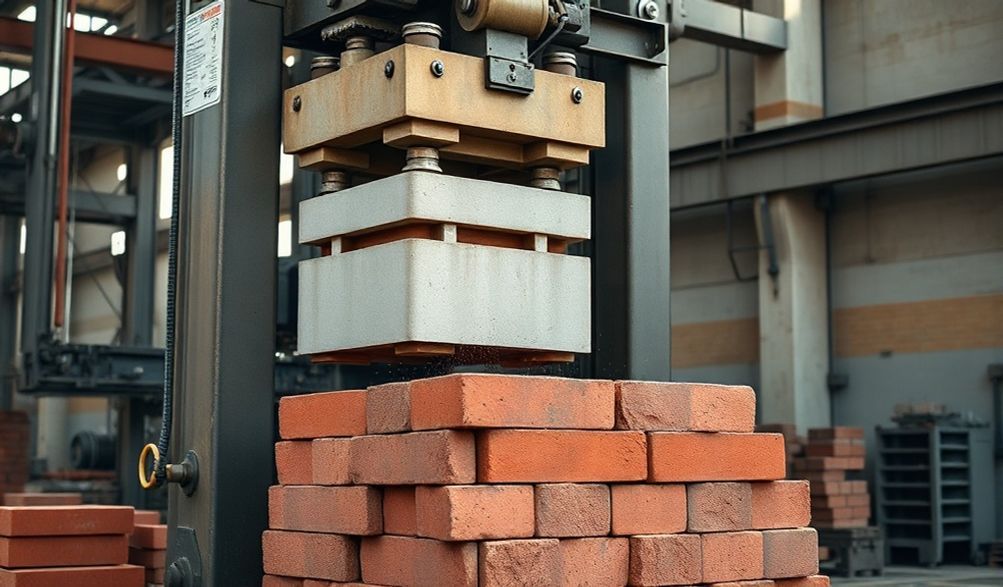
Siziň taslamanyňyz üçin Iň Oňat Kerpiç Görnüşli Maşyny Saýlamagyň Iň Soňky Gollanmasy
Giriş
Gadymy şäher diwarlaryndan başlap häzirki gökdelenlere çenli, sadaly kerpiç millençeler boýunca adamzadyň gurluşygynyň esas sütünlerinden biri bolup gelýär. Ýöne her bir berk diwaryň yzyna bir möhüm sorun goýlýar: şol kerpiçler nähili ýasalan? Häzirki tiz, çykdajylary azaltmak we hiline üns berilýän gurluşyk mühitinde, öndüriş usuly diňe bir jikme-jik däl-de, üstünlik üçin kesgitläp beriji faktor. Eger nädogur maşyn tutuş taslamanyň bütçesini, wagt çäklendirmesini we gurluş berkligini bozup bilerdigini göz öňüne getiriň?
Kiçi gurluşçylar, ösýän kärhanalar we uly pudakçylar üçin hem, kerpiç öndürişi köp kynçylyklar bilen doldur. El bilen işleýän usullaryň netijesinde hil üýtgeýär, dürli ölçeg we dykyzlyk girewli birikmeleri we gurluş berkligini peseldýär. Ýok bahaly we öňünden görünmeýän iş güjüne daýanmak işiň ilerlemegini haýal edýär we budjeti artdyrýar. Taslamanyň talap etýän önümçiligini artdyrmak köplenç aşylmaz pürsät ýaly görünýär. Bu kynçylyklar, hatda iň gowy meýilleşdirilen gurluş ýaama önümçilik işini hem togtadyp bilýän bottleneck döredýär.
Müasir kerpiç döretme maşyny: çig we arzan materiallary takyk, berk we yzygiderli gurluş bloklaryna ýokary netijelilik bilen öwürýän injenerlik çözgüdi. Bu gollanma bazaryň gürlüşi we tehniki terminologiýasyndan daşlaşmak üçin düzüldi. Onuň maksady, senesiýa tejribesi, injenerlik prinsipleri we hakyky ulanyjy tejribeleri esas alnyp, giňişleýin we birtaraply gollanma hökmünde hyzmat etmekdir. Biz tehniki spesifikasiýalary, öndürijileriň maglumatlary we amaly bilimleri jemläp, siziň öz ýagdaýyňyz üçin ygtybarly, ykrar edilen we ygtyýarly sarmat karary kabul etmäge kömek ederis.
Brick Moulding Maşynasy Näme? Esasy Funksiýasy we Görnüşleri
Onuň esasynda, kerpiç guralma maşyny gadymy kerpiç ýasama prosesini awtomatlaşdyrýar we öndürijileşdirýär. Bu häzirki zaman, ösdürilip bilinýän kerpiç önümçiliginiň esasy düýbüdir.
Esasy Işleýiş Prinsipiniň Düşündirişi
Dizaýnlary tapawutlanýan bolsa-da, esasy proses köpüsi maşynlarda birmeňzeş. Ony gurluş materiallary üçin uly, güýçli we takyk peçenka basyjy hökmünde düşüň. Esasy döwri dört esasy etapdan ybarat:
- Iýmitlenme:Даярланма аралашма (бетон, саз ýa-da toprak-sement ýaly) бункерге ýüklenýär.
- Gatnaşdyrma:Material gowum boşlugyna ýerleşdirilýär. Bu ýerde, uly basyş we ýokary temperatura birleşmesi...gidrawlyk gysma güýji(басма машиналарында) жана/же ýokary tezliklititreme(titremeli stollaryň) howasyndaky howa boşluklaryny aýyryp, materialy kritiski dykyzlyga ýetirýär.
- Гапланма:Material, gaty blok, içi boş blok, plitka ýa-da bir-birine geçýän kerpiç bolsun, galybyň aňsat şeklini alýar.
- Чыгаруу:Täze düzülen, gysylyp ýapyşdyrylan kerpiç, gurytmak üçin kalypdan palet, konweýer ýa-da ýere itelýär.
This mechanized cycle ensures every brick from the same mould is virtually identical, a feat nearly impossible to achieve consistently by hand.
Eлди vs. Ýary-awtomatik vs. Doly awtomatik Maşynlar
Your choice here defines your labor strategy, output, and initial investment.
- Elderly Machines: Operated entirely by human power (lever systems). They are low-cost, portable, and perfect for very small-scale, on-site projects like a backyard garden wall. Output is low (50-200 blocks/day), and consistency heavily depends on the operator’s skill.
- Ýary-awtomatik maşynlar: These are the workhorses for small to medium enterprises (SMEs). They use an electric or diesel motor to drive the compaction and vibration process, but require operators to feed material and remove finished bricks. They offer an excellent balance, providing higher output (1,000-5,000 blocks/day) with moderate investment and labor.
- Doly Awtomatik Maşynlar: These are computer-controlled production lines. They feature automatic material feeding, moulding, stacking, and sometimes even pallet return systems. Labor is primarily for supervision and maintenance. They are designed for large-scale industrial plants requiring massive, consistent output (10,000+ blocks/day) with minimal human intervention.
Key Types by Output & Process
The technology used defines the brick type and optimal raw material.
- Статикалық Басым Машиналары: Utilize a high-tonnage hydraulic ram to compress material into a fixed mould. Industry practice shows they are ideal for producing high-density, high-precision bricks like:
- Fly Ash Bricks (using thermal power plant waste).
- Solid Concrete Blocks.
- Interlocking Stabilized Soil Blocks (ISSB).
- Vibrating Table Machines: The mould is filled and then subjected to intense vibration on a shaking table, consolidating the concrete mix. This process is best for:
- Hollow Concrete Blocks.
- Paving Slabs & Kerbstones.
- Lightweight blocks with lower pressure requirements.
- Extrusion Machines: Primarily used for clay brick production. A continuous column (or “slug”) of wet clay is forced through a die of the desired profile, then cut into individual bricks by wires. This allows for continuous, high-volume production of traditional solid clay bricks.
Satyn almakdan öň göz öňünde tutmaly ähmiýetli amiller
Selecting a machine is a strategic decision. Rushing in based on price alone is a common and costly mistake. A deep, honest assessment of your needs is paramount.
Öndürijilik Talapynyzy Bahalandyrmak
- Output Capacity (Blocks/Hour/Day): Don’t guess. Calculate based on your project size or sales forecast. For a construction project, estimate total bricks needed and your timeline. For a business, start with market demand. A machine operating at 80% capacity is more efficient and lasts longer than one constantly running at 110% strain.
- Kerpiç Görnüşi we Ölçegi: Machines are often optimized. Are you making standard 6″ hollow blocks for housing, heavy-duty pavers for driveways, or innovative interlocking bricks for dry-stack construction? Your product catalog dictates the machine type and the göwreler you’ll need.
- Ызылма материалларыңың дуздырылмалыгы: This is non-negotiable. The wrong machine for your material will fail.
- Лай Requires an extruder or a very specific type of press.
- Concrete (Cement-Sand-Aggregate): Works well with both vibrating table and hydraulic press machines.
- Fly Ash/Lime/Gypsum: Typically requires a high-pressure hydraulic press for proper chemical bonding.
- Stabilized Earth (Soil + small cement percentage): Needs a press capable of compacting the material to a waterproof state.
Machine Specifications & Features Deep Dive
Look beyond the sales brochure. These specs determine long-term performance.
- Motor Power & Operation: Is it electric (consistent power, lower noise, requires grid connection), diesel (portable, for sites without power), or a hybrid? Match the power (HP/kW) to the machine’s compression force or vibration needs. Underpowered motors burn out quickly.
- Mould Quality & Interchangeability: The mould is the heart of the machine. Look for:
- Steel Grade: High-carbon, hardened steel lasts exponentially longer than mild steel.
- Беркитме процесси: Induction or heat-treated moulds resist wear.
- Interchangeability: A quick-change mould system (using standard bolts vs. specialized fittings) allows you to switch product types in minutes, maximizing machine versatility and ROI.
- Cycle Time & Automation Level: How many bricks per minute/hour can it produce? Higher automation (auto-feeding, auto-stacking) drastically increases output and consistency while reducing labor costs and physical strain on workers.
- Build Quality & Durability: Inspect the frame (reinforced steel is best), the thickness of metal plates, and the quality of hydraulic hoses or vibrator mounts. A heavier, well-welded frame absorbs vibration and stress, leading to a longer lifespan and less downtime.
Total Cost of Ownership (TCO) Analysis
The purchase price is just the entry ticket. A true financial assessment includes:
- Installation & Foundation: Some heavy machines require a leveled concrete foundation.
- Training: Will operators be properly trained to use and maintain it?
- Serwisleşdirme çykdajylary: Regular lubrication, part replacement (like wear plates in the mould). Ask for a recommended maintenance schedule and spare parts price list.
- Energiýa sarp edişi: The motor’s power rating directly impacts your electricity or diesel bill.
- Parts Availability & Supplier Support: Can you get a replacement hydraulic seal or vibrator motor locally, or must it be shipped from overseas at great cost and delay? A reliable local supplier with a parts inventory is invaluable.
Top Applications & Benefits of Modern Brick Moulding Machines
The right machine isn’t just a tool; it’s a transformative asset for different players in the construction ecosystem.
For Construction Companies & Large Projects
- Ýerinde Öndürijilik: Eliminate supply chain delays and transport costs for bulk projects. Produce bricks exactly where they are needed.
- Cost & Quality Control: Lock in material costs and ensure every brick meets your project’s specific strength and dimensional standards.
- Custom Specifications: Need a unique size, color, or texture? With a custom mould, you can produce bespoke bricks unavailable on the open market.
For Brick Manufacturing Businesses (MSMEs)
- Бизнес негизи: A semi-automatic machine is a viable entry point to start a profitable manufacturing unit, serving local builders and contractors.
- Scalable Growth: Start with one machine and one product. As demand grows, add moulds for new products or upgrade to a more automated system.
- Market Competitiveness: Consistent quality and reliable supply build a strong reputation, allowing you to compete effectively and command better prices.
Өнүкдирилген Усулдардыň Geleneksel Usullaryndan Üstünlikleri
- Superior Quality & Uniformity: Precise dimensions ensure perfect mortar joints and easier laying. Consistent density guarantees uniform compressive strength, a critical factor for structural integrity and compliance with standards like ASTM C90 for concrete masonry units.
- High Efficiency & Speed: Multiply production rates by 10x, 50x, or even 100x compared to manual labor, dramatically accelerating project timelines.
- Bahymet çykdajylaryny peseltmek: Reduce dependency on large, skilled labor crews. Minimize material waste through precise compaction.
- Unmatched Versatility: One machine platform can produce bricks, blocks, pavers, and landscape products, allowing you to respond to diverse market demands.
- Eco-Friendly Potential: Many modern machines are designed to use industrial waste streams (like fly ash) or locally sourced stabilized earth, reducing the environmental footprint of construction.
Operation, Maintenance & Safety Best Practices
Owning a machine is a commitment to proper operation and care. Neglect here is the primary cause of premature failure.
Step-by-Step Operational Guide
- Site Prep: Ensure a level, solid base (often concrete) and adequate space for material storage and brick curing.
- Machine Setup: Follow the manufacturer’s manual to assemble, level, and secure the machine. Connect to a power source with correct voltage and safety breakers.
- Material Mixing: Achieve the correct ratio (e.g., 1:6 cement/sand for concrete) and consistency (usually a “semi-dry” mix). A consistent mix is vital for consistent bricks.
- Test Batch: Run a small batch to check brick formation, density, and surface finish. Adjust material moisture or machine settings as needed before full production.
Essential Routine Maintenance Checklist
Based on field performance reviews, a disciplined maintenance routine prevents 90% of major breakdowns.
- Daily: Clean all material residue from the mould, hopper, and press head. Check hydraulic oil levels and for leaks. Inspect electrical connections.
- Weekly: Lubricate all moving parts (pivots, guide rods) as per the manual. Check and tighten all bolts and nuts, which can loosen from constant vibration.
- Monthly: Conduct a thorough inspection of wear parts: the mould interior, wear plates, and vibration mounts. Replace as necessary. Keeping a detailed maintenance log helps track part life and schedule proactive replacements.
Operator Safety Protocols
Safety is non-negotiable. Enforce these protocols strictly:
- Mandatory PPE: Safety goggles, heavy-duty gloves, steel-toe boots, and hearing protection (especially around loud vibrators).
- Maşin howpsuzlygy: Never operate with safety guards removed. Ensure emergency stop buttons are functional and easily accessible. Lock out/tag out power during maintenance.
- Component Handling: Moulds and bricks are heavy. Train operators on proper lifting techniques and use mechanical aids where possible.
Frequently Asked Questions (FAQ)
Q1: What is the average production capacity of a standard brick moulding machine?
A: There is no single “standard.” Capacity ranges dramatically from about 500 blocks per 8-hour shift for a small manual press to over 10,000 blocks for a fully automatic line. The key variables are machine type, level of automation, cycle time, and operator efficiency.
Q2: Can one machine produce different types and sizes of bricks?
A: Yes, absolutely. This is achieved through interchangeable moulds. This versatility is a major advantage. However, you must verify with the supplier that the machine is designed for quick mould changes and that the moulds you want are compatible with its press head or table size.
Q3: What is the typical lead time for delivery and installation?
A: For standard models from local or regional suppliers, lead time can be 2-6 weeks. For custom-configured machines or imports, it can extend to 3-6 months. Always clarify this before ordering and factor it into your project plan.
Q4: How do I choose between a new and a used brick moulding machine?
A: A used machine offers a lower upfront cost but carries risk. Pros: cost savings. Cons: potential hidden wear, outdated technology, and lack of warranty. If considering used, it is essential to have it inspected by a qualified technician, review its maintenance history, and ensure spare parts are still available.
Q5: What kind of after-sales support should I expect from a reputable supplier?
A: A trustworthy supplier provides a comprehensive package: a detailed operation & maintenance manual, installation guidance (onsite or remote), basic operator training, a clear warranty (specifying parts and labor coverage), and most importantly, reliable access to a spare parts inventory or supply chain.
Netije
Choosing the right brick moulding machine is a strategic investment that impacts your productivity, profitability, and product quality for years to come. It is not merely a purchase but a partnership with a piece of technology that will form the literal building blocks of your projects or business.
The path to the right decision is clear. First, define your requirements with precision—output, brick type, and raw material. Second, research suppliers not just on price, but on their proven expertise, technical support, and service track record. Request customer references. Third, whenever possible, request a live demonstration or visit an existing installation to see the machine in action. Finally, make your decision based on a thorough Total Cost of Ownership analysis, considering all long-term operational and support costs.
This guide was created to empower you with expert, experience-based knowledge, elevating your conversation with suppliers from a simple price inquiry to a technical discussion. It aims to build the trustworthiness you need to make a confident choice. For large-scale industrial projects, we always recommend consulting with a civil engineer or production expert to finalize specifications.
Ready to take the next step? [Download our free Brick Machine Comparison Checklist] to systematically evaluate your options and ensure you don’t overlook a critical detail in your selection process.
<