
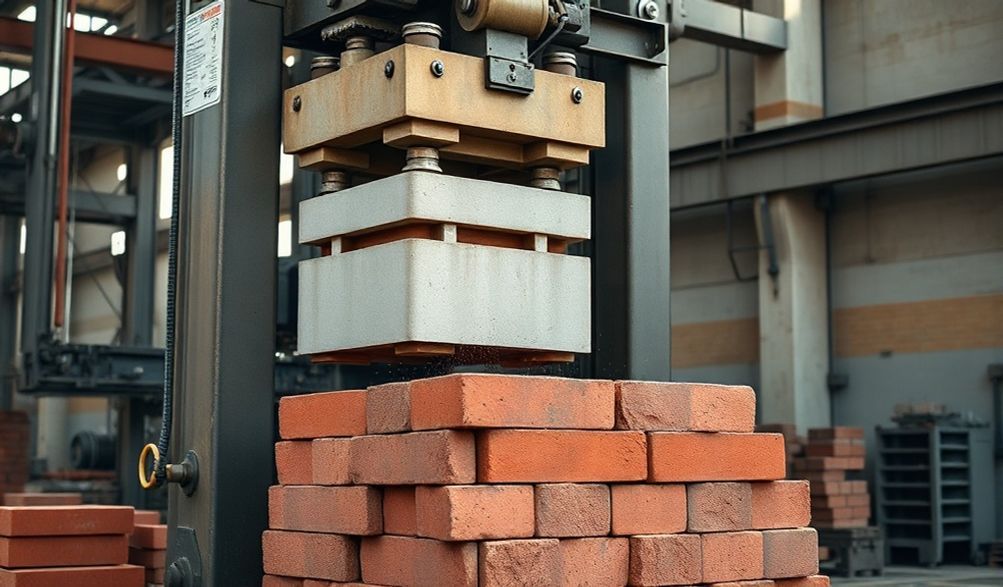
Panduan Terakhir untuk Memilih Mesin Pembentuk Batu Bata Terbaik untuk Projek Anda
Pengenalan
Dari tembok kota purba ke pencakar langit moden, bata yang sederhana telah menjadi tiang asas pembinaan manusia selama ribuan tahun. Tetapi di sebalik setiap dinding yang tahan lama terletak satu persoalan kritikal: bagaimana bata-bata itu dibuat? Dalam persekitaran pembinaan masa kini yang pantas, berorientasikan kos, dan didorong kualiti, kaedah pengeluaran bukan sekadar perincian—ia adalah faktor penentu kejayaan. Bagaimana jika mesin yang salah boleh menggagalkan keseluruhan bajet, jadual waktu, dan integriti struktur projek anda?
Bagi pembina kecil, perusahaan yang sedang berkembang, dan kontraktor besar, pengeluaran bata penuh dengan cabaran. Kaedah manual menyebabkan kualiti tidak konsisten, di mana saiz dan ketumpatan yang berbeza-beza menjejaskan sambungan mortar dan kekuatan struktur. Bergantung pada burung berkos tinggi dan tidak menentu memperlahankan kemajuan dan membengkakkan bajet. Menskalakan pengeluaran untuk memenuhi permintaan projek sering kelihatan seperti halangan yang tidak dapat diatasi. Titik-titik kesukaran ini mewujudkan kesesakan yang boleh menggagalkan perniagaan pembinaan atau pembuatan yang paling dirancang dengan baik.
Masuk ke mesin pembentuk bata moden: penyelesaian kejuruteraan yang mengubah bahan mentalah, murah menjadi blok binaan tepat, tahan lama dan konsisten dengan kecekapan luar biasa. Panduan ini direka untuk menembusi hingar pasaran dan jargon teknikal. Tujuannya adalah untuk menjadi manual komprehensif dan tidak berat sebelah anda, dibina berdasarkan kepakaran industri, prinsip kejuruteraan, dan pengalaman pengguna dunia sebenar. Kami akan mensintesis spesifikasi teknikal, data pengilang, dan pengetahuan praktikal untuk membolehkan anda membuat keputusan pelaburan yang termaklum, yakin dan boleh dipercayai untuk keperluan khusus anda.
Apakah itu Mesin Pembuat Bata? Fungsi Teras & Jenis
Pada terasnya, mesin acuan bata mengautomasikan dan mengindustrikan proses pembentukan bata yang telah lama wujud. Ia merupakan asas kepada pengeluaran bata moden yang boleh ditingkatkan skala.
Prinsip Kerja Teras Dijelaskan
Walaupun reka bentuk berbeza, proses asasnya konsisten di kebanyakan mesin. Bayangkannya sebagai alat tekan biskut yang besar, berkuasa, dan tepat untuk bahan binaan. Kitaran terasnya melibatkan empat peringkat utama:
- Pemberian Makan:Campuran siap (seperti konkrit, tanah liat, atau simen-tanah) dimuatkan ke dalam corong.
- Pemadatan:Bahan tersebut dimasukkan ke dalam rongga acuan. Di sini, gabungan tekanan yang sangatdaya mampatan hidraulik(dalam mesin cetak) dan/atau frekuensi tinggigetaranmengeluarkan poket udara dan memampatkan bahan kepada ketumpatan kritikal.
- Pembentukan:Bahan itu mengambil bentuk acuan yang tepat—sama ada blok pepejal, blok berongga, pavar, atau bata saling kunci.
- Pengusiran:Bata yang baru terbentuk dan dipadatkan didorong keluar dari acuan ke atas palet, penghantar, atau tanah untuk proses pengawetan.
Kitaran berjentera ini memastikan setiap bata dari acuan yang sama adalah hampir serupa, satu pencapaian yang hampir mustahil untuk dicapai secara konsisten dengan tangan.
Mesin Manual vs. Semi-Automatik vs. Sepenuhnya Automatik
Pilihan anda di sini menentukan strategi buruh, keluaran, dan pelaburan awal anda.
- Mesin Manual:Dikendalikan sepenuhnya oleh tenaga manusia (sistem tuas). Ia berharga rendah, mudah alih, dan sesuai untuk projek berskala sangat kecil di tapak seperti tembok taman belakang rumah. Pengeluaran rendah (50-200 batu sehari), dan konsistensi sangat bergantung pada kemahiran pengendali.
- Mesin Semi-Automatik:Ini adalah tulang belakang bagi perusahaan kecil dan sederhana (PKS). Ia menggunakan motor elektrik atau diesel untuk menggerakkan proses pemadatan dan getaran, tetapi memerlukan operator untuk mengisi bahan dan mengeluarkan bata siap. Ia menawarkan keseimbangan yang sangat baik, dengan memberikan output yang lebih tinggi (1,000-5,000 blok/hari) dengan pelaburan dan tenaga kerja yang sederhana.
- Mesin Sepenuhnya Automatik:Ini adalah barisan pengeluaran yang dikawal komputer. Ia mempunyai ciri-ciri suapan bahan automatik, pembentukan, penumpukan, dan kadangkala sistem pemulihan palet. Tenaga kerja terutamanya untuk penyeliaan dan penyelenggaraan. Ia direka untuk kilang perindustrian berskala besar yang memerlukan output yang besar dan konsisten (10,000+ blok/hari) dengan campur tangan manusia yang minima.
Jenis Kunci Berdasarkan Output & Proses
Teknologi yang digunakan menentukan jenis bata dan bahan mentah yang optimum.
- Mesin Tekan Statik: Utilize a high-tonnage hydraulic ram to compress material into a fixed mould. Industry practice shows they are ideal for producing high-density, high-precision bricks like:
- Fly Ash Bricks (using thermal power plant waste).
- Solid Concrete Blocks.
- Interlocking Stabilized Soil Blocks (ISSB).
- Mesin Meja Bergetar: The mould is filled and then subjected to intense vibration on a shaking table, consolidating the concrete mix. This process is best for:
- Hollow Concrete Blocks.
- Paving Slabs & Kerbstones.
- Lightweight blocks with lower pressure requirements.
- Mesin Penyemperitan Primarily used for clay brick production. A continuous column (or “slug”) of wet clay is forced through a die of the desired profile, then cut into individual bricks by wires. This allows for continuous, high-volume production of traditional solid clay bricks.
Faktor Kritikal yang Perlu Dipertimbangkan Sebelum Anda Membeli
Selecting a machine is a strategic decision. Rushing in based on price alone is a common and costly mistake. A deep, honest assessment of your needs is paramount.
Menilai Keperluan Pengeluaran Anda
- Output Capacity (Blocks/Hour/Day): Don’t guess. Calculate based on your project size or sales forecast. For a construction project, estimate total bricks needed and your timeline. For a business, start with market demand. A machine operating at 80% capacity is more efficient and lasts longer than one constantly running at 110% strain.
- Jenis & Saiz Bata: Machines are often optimized. Are you making standard 6″ hollow blocks for housing, heavy-duty pavers for driveways, or innovative interlocking bricks for dry-stack construction? Your product catalog dictates the machine type and the acuan you’ll need.
- Keserasian Bahan Mentah: This is non-negotiable. The wrong machine for your material will fail.
- Tanah liat Requires an extruder or a very specific type of press.
- Concrete (Cement-Sand-Aggregate): Works well with both vibrating table and hydraulic press machines.
- Fly Ash/Lime/Gypsum: Typically requires a high-pressure hydraulic press for proper chemical bonding.
- Stabilized Earth (Soil + small cement percentage): Needs a press capable of compacting the material to a waterproof state.
Machine Specifications & Features Deep Dive
Look beyond the sales brochure. These specs determine long-term performance.
- Motor Power & Operation: Is it electric (consistent power, lower noise, requires grid connection), diesel (portable, for sites without power), or a hybrid? Match the power (HP/kW) to the machine’s compression force or vibration needs. Underpowered motors burn out quickly.
- Mould Quality & Interchangeability: The mould is the heart of the machine. Look for:
- Gred Keluli: High-carbon, hardened steel lasts exponentially longer than mild steel.
- Proses Pengerasan: Induction or heat-treated moulds resist wear.
- Kebolehgantian: A quick-change mould system (using standard bolts vs. specialized fittings) allows you to switch product types in minutes, maximizing machine versatility and ROI.
- Cycle Time & Automation Level: How many bricks per minute/hour can it produce? Higher automation (auto-feeding, auto-stacking) drastically increases output and consistency while reducing labor costs and physical strain on workers.
- Kualiti Binaan & Ketahanan: Inspect the frame (reinforced steel is best), the thickness of metal plates, and the quality of hydraulic hoses or vibrator mounts. A heavier, well-welded frame absorbs vibration and stress, leading to a longer lifespan and less downtime.
Total Cost of Ownership (TCO) Analysis
The purchase price is just the entry ticket. A true financial assessment includes:
- Installation & Foundation: Some heavy machines require a leveled concrete foundation.
- Latihan: Will operators be properly trained to use and maintain it?
- Kos Penyelenggaraan: Regular lubrication, part replacement (like wear plates in the mould). Ask for a recommended maintenance schedule and spare parts price list.
- Penggunaan Tenaga: The motor’s power rating directly impacts your electricity or diesel bill.
- Parts Availability & Supplier Support: Can you get a replacement hydraulic seal or vibrator motor locally, or must it be shipped from overseas at great cost and delay? A reliable local supplier with a parts inventory is invaluable.
Top Applications & Benefits of Modern Brick Moulding Machines
The right machine isn’t just a tool; it’s a transformative asset for different players in the construction ecosystem.
For Construction Companies & Large Projects
- Pengeluaran Di Tapak: Eliminate supply chain delays and transport costs for bulk projects. Produce bricks exactly where they are needed.
- Cost & Quality Control: Lock in material costs and ensure every brick meets your project’s specific strength and dimensional standards.
- Custom Specifications: Need a unique size, color, or texture? With a custom mould, you can produce bespoke bricks unavailable on the open market.
For Brick Manufacturing Businesses (MSMEs)
- Asas Perniagaan: A semi-automatic machine is a viable entry point to start a profitable manufacturing unit, serving local builders and contractors.
- Scalable Growth: Start with one machine and one product. As demand grows, add moulds for new products or upgrade to a more automated system.
- Market Competitiveness: Consistent quality and reliable supply build a strong reputation, allowing you to compete effectively and command better prices.
Kelebihan Utama Berbanding Kaedah Tradisional
- Kualiti Unggul & Keseragaman: Precise dimensions ensure perfect mortar joints and easier laying. Consistent density guarantees uniform compressive strength, a critical factor for structural integrity and compliance with standards like ASTM C90 for concrete masonry units.
- High Efficiency & Speed: Multiply production rates by 10x, 50x, or even 100x compared to manual labor, dramatically accelerating project timelines.
- Pengurangan Kos yang Ketara: Reduce dependency on large, skilled labor crews. Minimize material waste through precise compaction.
- Kepelbagaian yang Tiada Tandingan: One machine platform can produce bricks, blocks, pavers, and landscape products, allowing you to respond to diverse market demands.
- Eco-Friendly Potential: Many modern machines are designed to use industrial waste streams (like fly ash) or locally sourced stabilized earth, reducing the environmental footprint of construction.
Operation, Maintenance & Safety Best Practices
Owning a machine is a commitment to proper operation and care. Neglect here is the primary cause of premature failure.
Step-by-Step Operational Guide
- Site Prep: Ensure a level, solid base (often concrete) and adequate space for material storage and brick curing.
- Machine Setup: Follow the manufacturer’s manual to assemble, level, and secure the machine. Connect to a power source with correct voltage and safety breakers.
- Material Mixing: Achieve the correct ratio (e.g., 1:6 cement/sand for concrete) and consistency (usually a “semi-dry” mix). A consistent mix is vital for consistent bricks.
- Test Batch: Run a small batch to check brick formation, density, and surface finish. Adjust material moisture or machine settings as needed before full production.
Essential Routine Maintenance Checklist
Based on field performance reviews, a disciplined maintenance routine prevents 90% of major breakdowns.
- Daily: Clean all material residue from the mould, hopper, and press head. Check hydraulic oil levels and for leaks. Inspect electrical connections.
- Weekly: Lubricate all moving parts (pivots, guide rods) as per the manual. Check and tighten all bolts and nuts, which can loosen from constant vibration.
- Monthly: Conduct a thorough inspection of wear parts: the mould interior, wear plates, and vibration mounts. Replace as necessary. Keeping a detailed maintenance log helps track part life and schedule proactive replacements.
Operator Safety Protocols
Safety is non-negotiable. Enforce these protocols strictly:
- Mandatory PPE: Safety goggles, heavy-duty gloves, steel-toe boots, and hearing protection (especially around loud vibrators).
- Keselamatan Mesin: Never operate with safety guards removed. Ensure emergency stop buttons are functional and easily accessible. Lock out/tag out power during maintenance.
- Component Handling: Moulds and bricks are heavy. Train operators on proper lifting techniques and use mechanical aids where possible.
Soalan Lazim (FAQ)
Q1: What is the average production capacity of a standard brick moulding machine?
A: There is no single “standard.” Capacity ranges dramatically from about 500 blocks per 8-hour shift for a small manual press to over 10,000 blocks for a fully automatic line. The key variables are machine type, level of automation, cycle time, and operator efficiency.
Q2: Can one machine produce different types and sizes of bricks?
A: Yes, absolutely. This is achieved through interchangeable moulds. This versatility is a major advantage. However, you must verify with the supplier that the machine is designed for quick mould changes and that the moulds you want are compatible with its press head or table size.
Q3: What is the typical lead time for delivery and installation?
A: For standard models from local or regional suppliers, lead time can be 2-6 weeks. For custom-configured machines or imports, it can extend to 3-6 months. Always clarify this before ordering and factor it into your project plan.
Q4: How do I choose between a new and a used brick moulding machine?
A: A used machine offers a lower upfront cost but carries risk. Pros: cost savings. Cons: potential hidden wear, outdated technology, and lack of warranty. If considering used, it is essential to have it inspected by a qualified technician, review its maintenance history, and ensure spare parts are still available.
Q5: What kind of after-sales support should I expect from a reputable supplier?
A: A trustworthy supplier provides a comprehensive package: a detailed operation & maintenance manual, installation guidance (onsite or remote), basic operator training, a clear warranty (specifying parts and labor coverage), and most importantly, reliable access to a spare parts inventory or supply chain.
Kesimpulan
Choosing the right brick moulding machine is a strategic investment that impacts your productivity, profitability, and product quality for years to come. It is not merely a purchase but a partnership with a piece of technology that will form the literal building blocks of your projects or business.
The path to the right decision is clear. First, define your requirements with precision—output, brick type, and raw material. Second, research suppliers not just on price, but on their proven expertise, technical support, and service track record. Request customer references. Third, whenever possible, request a live demonstration or visit an existing installation to see the machine in action. Finally, make your decision based on a thorough Total Cost of Ownership analysis, considering all long-term operational and support costs.
This guide was created to empower you with expert, experience-based knowledge, elevating your conversation with suppliers from a simple price inquiry to a technical discussion. It aims to build the trustworthiness you need to make a confident choice. For large-scale industrial projects, we always recommend consulting with a civil engineer or production expert to finalize specifications.
Ready to take the next step? [Download our free Brick Machine Comparison Checklist] to systematically evaluate your options and ensure you don’t overlook a critical detail in your selection process.
<