
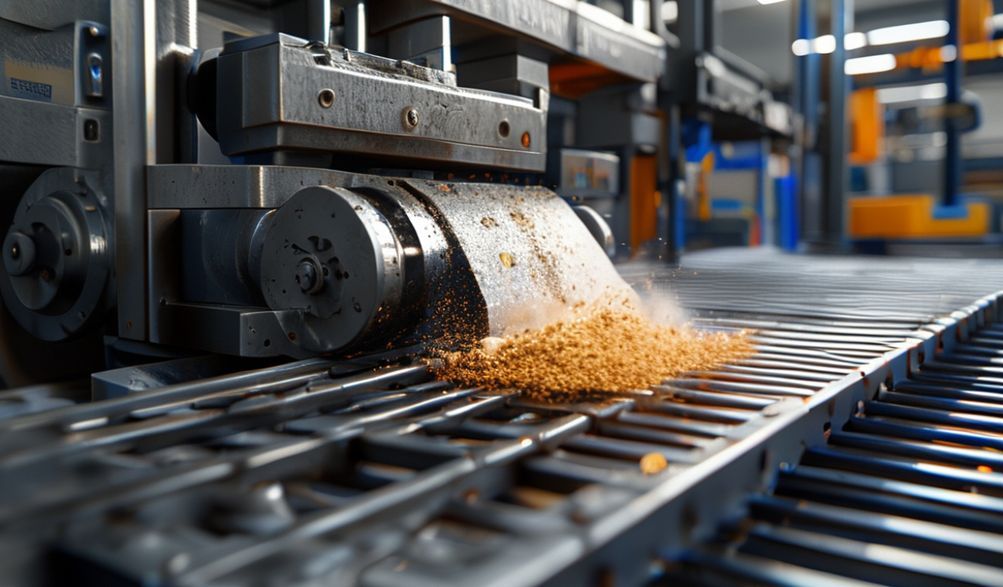
내부 공개: 푸다 벽돌 제조 공장의 블록 제작 기계 영상
건설업자, 계약자, 기업인들에게 적합한 건설 장비를 찾는 것은 매우 중요한 과제입니다. 초기 비용, 장기적인 생산성, 그리고 예산과 기한 내에 프로젝트를 완료해야 한다는 지속적인 압박 사이에서 균형을 잡아야 합니다. 브로셔에는 인상적인 사양이 가득하지만, 종종 중요한 질문에 답을 주지 못합니다: "이 장비가 실제로 어떻게 작동할 것인가?"실제로실제 현장에서 매일 매일 운영되는 환경에서 성능은 어떻습니까?
이 글은 잡음을 걷어냅니다. 우리는 철저한 근거에 기반한 독점적이고 상세한 분석을 제공하고 있습니다.블록 제작 기계 동영상에서푸다 벽돌 제조 공장우리의 목표는 단순히 기계를 판매하는 것이 아니라, 진정한 통찰력을 제공하는 데 있습니다. 실제 공장 영상에 전문가의 시각을 적용하여 시각적 증거를 실행 가능한 이해로 전환함으로써, 단순한 약속이 아닌 입증된 성능에 기반한 결정을 내리도록 돕겠습니다. 어떤 공장 영상에서 주목해야 할 점을 배우고, 가동 중인 FUDA 기계의 기술적 분석을 확인하며, 이후에 필요한 중요한 검증 단계를 발견하게 될 것입니다.
블록 제작 기계 선택에 비디오 분석이 중요한 이유
장비가 상당한 투자인 산업에서 실사는 필수입니다. 제품 사양서는 필요한 기준을 제공하지만, 역동적인 3차원 공정의 2차원적 단면에 불과합니다. 비디오 분석은 이 격차를 해소하며, 단순한 데이터 검토자에서 능동적인 성능 감사자로 변모시킵니다.
브로셔를 넘어서: 직접 보아야 믿는다
브로셔에는 사이클 타임이 20초라고 나와 있을 수 있습니다. 하지만 동영상을 보면 그 사이클 타임이 50회 동안 일관되게 유지되는지, 아니면 작업자의 개입에 따라 변동하는지 알 수 있습니다. 이는 기계의 리듬—급여, 성형, 압축, 배출 사이의 부드럽고 동기화된 춤(혹은 불안하고 주저하는 발걸음)을 드러내줍니다.
정적 정보의 주요 한계점 중 동영상이 극복하는 것들:
* 워크플로우 통합:기계는 생산 라인에 어떻게 통합되나요? 자재 취급은 효율적인가요, 아니면 명백한 병목 현상이 있나요?
* 실제 출력 품질블록이 방출되는 순간을 볼 수 있습니다. 형태를 유지하고 있나요? 표면은 매끄럽고 모서리는 날카로운가요?
* 조작 편의성:운전자의 상호작용을 관찰하세요. 제어판이 직관적으로 보입니까? 수동 조작이 힘들게 느껴지나요, 아니면 최소한의 노력이 드나요?
어떤 공장 영상에서도 주목해야 할 핵심 성과 지표
공장 영상을 볼 때는 기계만 보지 말고 분석하세요. 눈을 훈련시켜 이런 핵심 지표를 찾아내도록 하십시오.
- 사이클 타임 일관성연속된 여러 주기를 시간 측정하십시오. 불일치는 제어 시스템 문제나 재료 공급 문제를 나타낼 수 있습니다.
- 진동 및 안정성:기계가 심하게 흔들리는지, 아니면 진동이 몰드에 집중되고 제어되는지 확인하십시오. 과도한 프레임 움직임은 설계 불량이나 마모를 나타낼 수 있습니다.
- 출구에서 완성된 제품블록이 배출될 때 비디오를 일시 정지하세요. 다음을 찾으세요:
- 구조적 안정성(침하나 균열 없음).
- 금형 내 모든 캐비티의 치수 일관성.
- 날카롭고 선명한 모서리와 모서리.
- 작업자 업무 부하현재 몇 명의 작업자가 현장에서 활동하고 있나요? 그들은 단순한 모니터링 작업을 수행하고 있나요, 아니면 힘든 육체 노동을 하고 있나요?
상세 분석: 작동 중인 푸다 공장 블록 제작 기계
이 분석적 틀을 일반적인 예시에 적용해 보겠습니다.블록 제작 기계 동영상에서푸다 벽돌 제조 공장원자재에서 완성된 블록까지의 과정을 분석해 보겠습니다.
기계 프로필: 모델 및 코어 사양
구체적인 모델은 다양하지만, FUDA는 일반적으로 시연에서 QT4-25나 QT6-15와 같은 반자동 및 완전 자동 모델을 특징으로 합니다. 일반적인 동영상에서 주요 사양을 추론할 수 있습니다.
- 종류:고정식 유압 프레스에 고주파 진동이 적용된 것으로 추정됩니다(품질 좋은 고체/중공 블록의 표준).
- 생산 능력모델에 따라 8시간 교대당 생산량은 1,500개에서 6,000개의 표준 블록까지 다양할 수 있습니다.
- 자동화 수준: Videos often show a semi-automatic system, where an operator initiates the cycle and may handle raw material feeding, but the molding, compaction, and ejection are automated.
- 블록 다양성: These machines typically use interchangeable molds to produce a range of products: solid blocks, hollow blocks, paving stones, and curbstones.
The Raw Material Process: From Mix to Hopper
The journey begins before the machine. In a well-organized factory like FUDA’s, you’ll see:
- Raw Material Storage: Bins or sacks of cement, fly ash (a common eco-friendly additive), and aggregates (sand, stone chips).
- 믹싱 A separate mixer (pan or planetary) combines materials with water to achieve a uniform, semi-dry concrete consistency. This mix is critical—too wet, and blocks slump; too dry, and they won’t compact properly.
- 급식 The mixed material is conveyed or fed into the block machine’s hopper. In the video, note the consistency of the feed. A steady, uninterrupted flow is a sign of good material preparation and hopper design.
The Heart of the Operation: Molding and Compaction
This is the core of the 블록 제작 기계 동영상. The hopper feeds material into the mold chamber on a steel pallet. Then, a two-stage process begins:
- 진동 High-frequency, directed vibrations fluidize the concrete mix, allowing it to flow into every corner of the mold cavity. This ensures density and eliminates air pockets.
- 유압 프레싱: A hydraulic ram then applies substantial downward pressure (measurable in tons) to the material. This simultaneous vibration and pressure is what creates a densely compacted, strong block with a smooth surface finish.
What to observe: The stability of the mold table during this phase. Effective vibration should be intense but contained, not causing the entire machine frame to shudder.
Ejection and Handling: Assessing Stability and Finish
After compaction, the mold rises, leaving the freshly formed blocks on the steel pallet. This is a telling moment.
- 이젝션 The pallet, with blocks, is smoothly transferred out of the press area. A well-tuned machine does this without any jarring that could damage the green (uncured) blocks.
- Initial Quality Check: At this point, you can visually assess:
- Edge Sharpness: Blocks should have clean, 90-degree edges.
- 표면 마감 Top and bottom surfaces should be smooth and even.
- 구조적 안정성: No cracks or deformities should be visible.
- Handling: The pallet is then moved by a forklift or roller conveyor to a curing area. This highlights the need for a logical factory layout to support the machine’s output.
Expertise Insights: What This FUDA Machine Video Tells Us About Quality
Translating observations into insights separates casual viewing from expert analysis. Here’s what a detailed look at the FUDA operation suggests.
Design Features for Efficiency and Durability
- 견고한 구조: The machine frame visible in these videos is typically made from heavy-duty steel plates and profiles, designed to withstand constant vibration. Look for clean, substantial welds.
- 제어 시스템 The operator panel is usually centralized and accessible. While we can’t see the software, the repetitive, consistent cycle suggests reliable PLC (Programmable Logic Controller) automation.
- Integration Focus: The fact that the video shows material handling and curing hints at FUDA’s understanding that a machine is part of a system, not an isolated island.
Output Quality Analysis from the Video Feed
Zooming in on the finished product in the video reveals key quality markers:
- 치수 정밀도 Blocks appear uniform in size, suggesting precise mold machining and stable vibration.
- 일관성 From the first block to the last in a batch, there is no visible deviation in form or finish, indicating a stable and repeatable process.
- Surface Density: The blocks have a sheen of cement paste on the surface, a sign of good compaction that leads to higher strength and better weather resistance.
Comparative Context: How This Machine Stacks Up
A balanced view is essential. Based on typical FUDA factory videos:
- Potential Strengths:
- Simplicity & Reliability: The semi-automatic operation is less complex than a fully robotic line, which can mean easier maintenance and lower initial cost.
- Solid Output Quality: The core vibration and hydraulic process appears effective for producing standard construction blocks.
- System Awareness: Demonstrating the production line context is a mark of a knowledgeable manufacturer.
- Questions for Further Inquiry:
- Long-Term Wear: How accessible are key wear parts like mold liners, vibration motors, and hydraulic seals?
- Noise and Dust: The video may not convey operational noise levels or dust generation, important for workshop planning.
- Changeover Time: How long does it take to switch molds for a different block product?
Trust and Verification: Next Steps After Watching a Factory Video
A compelling factory video is an excellent first step, but it is just the beginning of your verification process. Here’s how to build on that foundation.
Questions to Ask the Manufacturer (Like FUDA)
When you contact FUDA or any manufacturer, use this checklist. Their willingness and ability to answer thoroughly is a major trust signal.
- Specifications & Performance: “Can you provide a certified test report for the compressive strength of blocks produced by this specific model?”
- Support & Warranty: “What is the detailed warranty coverage? What is your guaranteed response time for technical support?”
- Logistics & Parts: “What is the lead time for critical spare parts? Do you provide a recommended spare parts list for the first two years of operation?”
- 확인: “Can you connect me with a current customer in a region with similar climate/raw materials to mine?”
The Importance of Factory Visits and Customer Testimonials
- The Gold Standard: A Physical Visit. If the investment is significant, arrange a factory visit. It allows you to inspect build quality up close, hear the machine run, and gauge the company’s operational culture.
- Virtual Alternative: If travel isn’t feasible, request a live video tour or a video call with their technical team.
- Seek Independent Voices: Search for reviews and videos not published by the manufacturer. Forum discussions, LinkedIn testimonials, and YouTube videos from factory tour vloggers can provide unfiltered perspectives.
자주 묻는 질문 (FAQ)
Q1: What is the estimated production capacity of the FUDA block machine shown in the video?
A: Based on common models like the QT4-25 featured in many videos, capacity can range from approximately 3,000 to 5,000 standard blocks per 8-hour shift, depending on block type and operator efficiency. Always confirm the exact model number with the factory for precise, guaranteed output figures.
Q2: Can this type of machine produce different block sizes and shapes?
A: Yes. Modern block makers like those from FUDA use a system of interchangeable steel molds. The video typically showcases one product. Be sure to inquire about their available mold library and the time required to change molds for different production runs.
Q3: How automated is the process shown? Does it require many operators?
A: The typical FUDA factory video shows a semi-automatic system. This level of automation usually requires 1-3 operators for tasks like feeding raw material into the mixer or hopper, monitoring the machine cycle, and handling pallets of finished green blocks.
Q4: What kind of after-sales service can be expected from a manufacturer like FUDA?
A: Reputable manufacturers should offer comprehensive service packages, including installation guidance (via video or manual), operator training documentation, detailed technical manuals, and a reliable supply of spare parts. Before purchasing, explicitly discuss service level agreements, communication channels, and the availability of local or regional technical agents.
Q5: Where can I find more authentic videos of block making machines in operation?
A: For a well-rounded view, look beyond official channels. Search for:
* Trade Show Footage: Videos from industry exhibitions like BAUMA or Conexpo.
* Independent Reviewers: Channels dedicated to construction machinery.
* End-User Uploads: The most credible sources are often videos posted by current factory owners, which show real, long-term use.
결론
Choosing a block making machine is a decision that reverberates through your projects and profitability for years. As we’ve demonstrated through this breakdown of a FUDA brick making factory video, moving beyond specifications to analyze real-world operation is not just helpful—it’s essential. By focusing on workflow rhythm, machine stability, and tangible output quality, you gain a profound advantage.
Informed decisions are built on a combination of 경험 (seeing the machine work), 전문성 (understanding the technical process), 권위성 (evaluating the manufacturer’s reputation), and 신뢰성 (conducting thorough verification). Use the framework from this post as a guide to critically evaluate any equipment video you encounter.
Your next step is clear: Take these insights and engage with manufacturers from a position of knowledge. Seek multiple quotations, demand detailed answers to the questions outlined above, and wherever possible, validate claims through factory audits or independent customer references. Your ideal machine is out there—equip yourself to find it.
<