
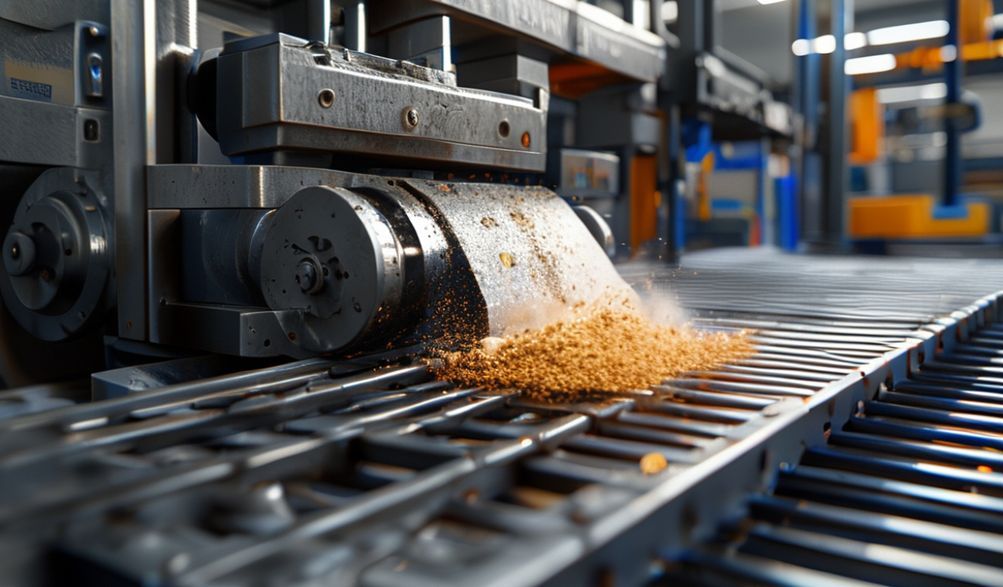
Ички Гӧрүш: ФУДА Кирпич Ясайын Заводунын Блок Ясайын Машинасы Видеосу
Gurlaryjy, pudakçylar we telekeçiler üçin, gurluş enjamlaryny saýlamak ähmiýetli bir meseledir. Siz başlangyç çykdajylary, uzak möhletli öndürijiligi we taslamalary wagt we bütçe çäklerinde ýerine ýetirmek üçin bolan dartyşy tarazlaýarsyňyz. Broşýuralar gözellikleri bilen uly täsir galdyrýar, ýöne olar köplenç bir möhüm soraga jogap bermeýär: "Bu maşyn nähili işleýär?"hakykatdan"real-world, day-in, day-out operation" diýen söz dünýäde, her gün, yzygiderli işleýişde" diýip terjime edilýär.
Bu ýazgy şübheleri aýyrýar. Biz eksklýuziw, jikme-jik analiz hödürleýäris...blok ýasama maşyny wideo-данФУДА кирпич жасаажан фабрикасыBizim maksadymyz size maşyn satmak däl, aslynda size hakyky düşünje bermekdir. Hünärmen gözi bilen hakyky zawod görnüşlerini çemeläp, görnüşli düşündirişleri herekete geçirijilik düşünjelerine terjime ederis, size wada berişlerden däl-de, görkezilen işjeňlige esaslanan karar kabul etmäge kömek ederis. Siz haýsy zawod wideo görnüşlerinde näme gözlemeli, hereketdeki FUDA maşynynyň tehniki düzümi we soňky çenli tassyklama ädimlerini öwrenersiňiz.
Wideo analiz nāçin blok ýasama maşynyny saýlamak üçin wajypdyr?
Bir pudagyň içinde enjamlar uly maýa goýum bolup durýan ýerde, degişli gözegçilik hökman berjaý edilmeli. Spesifikasiýa tablisaşary zerur esas çägini üpjün etse-de, olar dinamiki, üç-ölçegli prosesiň iki-ölçegli suratydyr. Wideýo analiz bu boşlugy doldurýar we sizi maglumatlaryň passiw gözden geçirijisinden, işjeň iş ýeriniň awditöri öwrüp biler.
Брошюрадан ары: Көзүң менен көрсен, ишенерсиң
Broşura bir döwriň dowamlylygyny 20 sekunt görkezip biler. Wideonyz bolsa, bu döwriň dowamlylygynyň 50 döwriň dowamlylygynda yzygiderli ýa-da operatoruň girişmegi bilen üýtgeýändigini görkezýär. Ol maşynyň ritmini – ýükleme, galyplaşdyrma, ýygnama we çykarma arasyndaky ýuwaş, sinhronlaşdyrylan tansy (ýa-da titrek, böküç basgan) aýan edýär.
Videoň statik maglumatdan üstünlikleri:
* İş proseslerini birleşdirmek:Maşyn öndüriş hatynda nähili ornaşýar? Materialy işlemek üpjünçilimi, ýoksa aşkar bogunluklar barmy?
* Hakyky Çykyş SypatySen olaryň çykarylan wagtynda bloklary görüp bilersiň. Olar öz şekillerini saklaýarmy? Ýüzi tekiz we gyralary ýiti bolar?
* Işleýiş ýönekeýligi:Operator bilen bolan aragatnaşyklary gözle. Dolandyryş paneli aňsat düşünülýärmi? El bilen işlemek agyr ýa-da ýeňilmi?
Her bir fabrika videosunda gözlemlemeli bolan esasy performansa görkezijiler
Fabrika wideo görüntülerini görende, diňe maşyny gözlemek bilen çäklenme – ony analiz et. Gözüňi şu möhüm göstergeleri gözlemek üçin taýýarla:
- Sikl wagtynyň yzygiderliligi:Birnäçe yzygiderli döwri ölçeň. Yzygiderliligiň ýitmegi dolandyryş ulgamyndaky ýa-da material berişindäki kemsidikleri görkezip biler.
- Titreşim we Durgunlyk:Maşyn güýçli titreyärmi, ýoksa titreme gysga we garynda ýerleşýärmi? Çäňňegiň artykmaç hereketi nädogry dizaýny ýa-da ýypranmagy görkezýär.
- Çykyşda Taýýar Önüm:Wideo bloklar çykarylanda duruzuň. Gözläň:
- Struktural ygtybarlylyk (çökmek ýa-da çatlak ýok).
- Galybanyň ähli boşluklarynda ölçeg birligi.
- Ýiti, anyk kesilen gyralar we burçlar.
- Оператор ýüklenmesi:Aktiw işleýän operatorlaryň sany näçe? Olar ýönekeý gözegçilik edýärler ýa-da agyr fiziki işleri ýerine ýetirýärlermi?
Detailed Breakdown: The FUDA Factory Block Making Machine in Action
Let’s apply this analytical framework to a typical blok ýasama maşyny wideo from a ФУДА кирпич жасаажан фабрикасы. We’ll dissect the process from raw material to finished block.
Machine Profile: Model and Core Specifications
While specific models vary, FUDA commonly features semi-automatic and fully automatic models like the QT4-25 or QT6-15 in their demonstrations. From a typical video, we can infer key specs:
- Görnüşi: Likely a stationary hydraulic press with high-frequency vibration (a standard for quality solid/hollow blocks).
- Önümçilik kuwwaty: Depending on the model, output can range from 1,500 to 6,000 standard blocks per 8-hour shift.
- Awtomatlaşdyryş derejesi: Videos often show a semi-automatic system, where an operator initiates the cycle and may handle raw material feeding, but the molding, compaction, and ejection are automated.
- Блок сорты: These machines typically use interchangeable molds to produce a range of products: solid blocks, hollow blocks, paving stones, and curbstones.
The Raw Material Process: From Mix to Hopper
The journey begins before the machine. In a well-organized factory like FUDA’s, you’ll see:
- Raw Material Storage: Bins or sacks of cement, fly ash (a common eco-friendly additive), and aggregates (sand, stone chips).
- Gatnaşdyrmak: A separate mixer (pan or planetary) combines materials with water to achieve a uniform, semi-dry concrete consistency. This mix is critical—too wet, and blocks slump; too dry, and they won’t compact properly.
- Iýmitlenme: The mixed material is conveyed or fed into the block machine’s hopper. In the video, note the consistency of the feed. A steady, uninterrupted flow is a sign of good material preparation and hopper design.
The Heart of the Operation: Molding and Compaction
This is the core of the blok ýasama maşyny wideo. The hopper feeds material into the mold chamber on a steel pallet. Then, a two-stage process begins:
- Titreşim: High-frequency, directed vibrations fluidize the concrete mix, allowing it to flow into every corner of the mold cavity. This ensures density and eliminates air pockets.
- Gidrawlik Pressleme: A hydraulic ram then applies substantial downward pressure (measurable in tons) to the material. This simultaneous vibration and pressure is what creates a densely compacted, strong block with a smooth surface finish.
What to observe: The stability of the mold table during this phase. Effective vibration should be intense but contained, not causing the entire machine frame to shudder.
Ejection and Handling: Assessing Stability and Finish
After compaction, the mold rises, leaving the freshly formed blocks on the steel pallet. This is a telling moment.
- Чыгаруу: The pallet, with blocks, is smoothly transferred out of the press area. A well-tuned machine does this without any jarring that could damage the green (uncured) blocks.
- Initial Quality Check: At this point, you can visually assess:
- Edge Sharpness: Blocks should have clean, 90-degree edges.
- Ýüziniň öňü: Top and bottom surfaces should be smooth and even.
- Struktural ygtybarlylyk: No cracks or deformities should be visible.
- Handling: The pallet is then moved by a forklift or roller conveyor to a curing area. This highlights the need for a logical factory layout to support the machine’s output.
Expertise Insights: What This FUDA Machine Video Tells Us About Quality
Translating observations into insights separates casual viewing from expert analysis. Here’s what a detailed look at the FUDA operation suggests.
Design Features for Efficiency and Durability
- Gaty Gurluşyk: The machine frame visible in these videos is typically made from heavy-duty steel plates and profiles, designed to withstand constant vibration. Look for clean, substantial welds.
- Kontrol ulgamy: The operator panel is usually centralized and accessible. While we can’t see the software, the repetitive, consistent cycle suggests reliable PLC (Programmable Logic Controller) automation.
- Integration Focus: The fact that the video shows material handling and curing hints at FUDA’s understanding that a machine is part of a system, not an isolated island.
Output Quality Analysis from the Video Feed
Zooming in on the finished product in the video reveals key quality markers:
- Ölçeg Takyklygy: Blocks appear uniform in size, suggesting precise mold machining and stable vibration.
- Ylalaşyklylyk: From the first block to the last in a batch, there is no visible deviation in form or finish, indicating a stable and repeatable process.
- Surface Density: The blocks have a sheen of cement paste on the surface, a sign of good compaction that leads to higher strength and better weather resistance.
Comparative Context: How This Machine Stacks Up
A balanced view is essential. Based on typical FUDA factory videos:
- Potential Strengths:
- Simplicity & Reliability: The semi-automatic operation is less complex than a fully robotic line, which can mean easier maintenance and lower initial cost.
- Solid Output Quality: The core vibration and hydraulic process appears effective for producing standard construction blocks.
- System Awareness: Demonstrating the production line context is a mark of a knowledgeable manufacturer.
- Questions for Further Inquiry:
- Long-Term Wear: How accessible are key wear parts like mold liners, vibration motors, and hydraulic seals?
- Noise and Dust: The video may not convey operational noise levels or dust generation, important for workshop planning.
- Changeover Time: How long does it take to switch molds for a different block product?
Trust and Verification: Next Steps After Watching a Factory Video
A compelling factory video is an excellent first step, but it is just the beginning of your verification process. Here’s how to build on that foundation.
Questions to Ask the Manufacturer (Like FUDA)
When you contact FUDA or any manufacturer, use this checklist. Their willingness and ability to answer thoroughly is a major trust signal.
- Specifications & Performance: “Can you provide a certified test report for the compressive strength of blocks produced by this specific model?”
- Support & Warranty: “What is the detailed warranty coverage? What is your guaranteed response time for technical support?”
- Logistics & Parts: “What is the lead time for critical spare parts? Do you provide a recommended spare parts list for the first two years of operation?”
- Barlag: “Can you connect me with a current customer in a region with similar climate/raw materials to mine?”
The Importance of Factory Visits and Customer Testimonials
- The Gold Standard: A Physical Visit. If the investment is significant, arrange a factory visit. It allows you to inspect build quality up close, hear the machine run, and gauge the company’s operational culture.
- Virtual Alternative: If travel isn’t feasible, request a live video tour or a video call with their technical team.
- Seek Independent Voices: Search for reviews and videos not published by the manufacturer. Forum discussions, LinkedIn testimonials, and YouTube videos from factory tour vloggers can provide unfiltered perspectives.
Frequently Asked Questions (FAQ)
Q1: What is the estimated production capacity of the FUDA block machine shown in the video?
A: Based on common models like the QT4-25 featured in many videos, capacity can range from approximately 3,000 to 5,000 standard blocks per 8-hour shift, depending on block type and operator efficiency. Always confirm the exact model number with the factory for precise, guaranteed output figures.
Q2: Can this type of machine produce different block sizes and shapes?
A: Yes. Modern block makers like those from FUDA use a system of interchangeable steel molds. The video typically showcases one product. Be sure to inquire about their available mold library and the time required to change molds for different production runs.
Q3: How automated is the process shown? Does it require many operators?
A: The typical FUDA factory video shows a semi-automatic system. This level of automation usually requires 1-3 operators for tasks like feeding raw material into the mixer or hopper, monitoring the machine cycle, and handling pallets of finished green blocks.
Q4: What kind of after-sales service can be expected from a manufacturer like FUDA?
A: Reputable manufacturers should offer comprehensive service packages, including installation guidance (via video or manual), operator training documentation, detailed technical manuals, and a reliable supply of spare parts. Before purchasing, explicitly discuss service level agreements, communication channels, and the availability of local or regional technical agents.
Q5: Where can I find more authentic videos of block making machines in operation?
A: For a well-rounded view, look beyond official channels. Search for:
* Trade Show Footage: Videos from industry exhibitions like BAUMA or Conexpo.
* Independent Reviewers: Channels dedicated to construction machinery.
* End-User Uploads: The most credible sources are often videos posted by current factory owners, which show real, long-term use.
Netije
Choosing a block making machine is a decision that reverberates through your projects and profitability for years. As we’ve demonstrated through this breakdown of a FUDA brick making factory video, moving beyond specifications to analyze real-world operation is not just helpful—it’s essential. By focusing on workflow rhythm, machine stability, and tangible output quality, you gain a profound advantage.
Informed decisions are built on a combination of Täjribä (seeing the machine work), Uzmanlyk (understanding the technical process), Awtoritarlık (evaluating the manufacturer’s reputation), and Ygtybarlylyk (conducting thorough verification). Use the framework from this post as a guide to critically evaluate any equipment video you encounter.
Your next step is clear: Take these insights and engage with manufacturers from a position of knowledge. Seek multiple quotations, demand detailed answers to the questions outlined above, and wherever possible, validate claims through factory audits or independent customer references. Your ideal machine is out there—equip yourself to find it.
<