
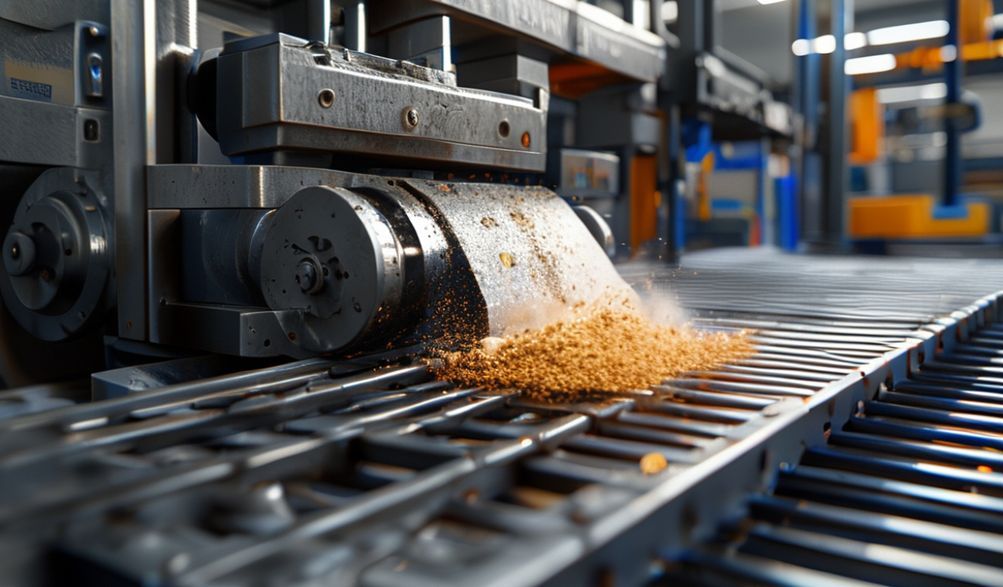
نظرة داخلية: فيديو آلة صنع البلوك من مصنع فودا لصناعة الطوب
للبنائين والمقاولين ورجال الأعمال، يعد البحث عن معدات البناء المناسبة لغزًا ذا مخاطر عالية. أنت توازن بين التكاليف المبدئية، والإنتاجية طويلة الأجل، والضغط المستمر لتسليم المشاريع في الوقت المحدد وفي حدود الميزانية. تملأ الكتيبات بالمواصفات المثيرة للإعجاب، لكنها غالبًا ما تترك سؤالًا حاسمًا دون إجابة: "كيف ستؤدي هذه الآلةفي الواقعتعمل في عملية واقعية، يومًا بعد يوم؟
هذا المنشور يقطع الضجيج. نحن نقدم تحليلاً حصرياً ومفصلاً يستند إلىفيديو ماكينة صناعة الطوبمنمصنع فودا لصناعة الطوبهدفنا ليس بيع آلة لك، بل تمكينك برؤية حقيقية. من خلال تطبيق عدسة الخبراء على لقطات فعلية من المصنع، سنحول الأدلة المرئية إلى فهم قابل للتطبيق، مما يساعدك على اتخاذ قرار مبني على أداء مثبت، وليس مجرد وعود. ستتعلم ما الذي تبحث عنه في أي فيديو للمصنع، وتحصل على تحليل تقني لآلة فودا أثناء العمل، وتكتشف خطوات التحقق الحاسمة التي تلي ذلك.
لماذا يعد تحليل الفيديو أمرًا بالغ الأهمية لاختيار آلة صنع الطوب
في قطاع حيث يُمثل المعدات استثمارًا كبيرًا، فإن العناية الواجبة ليست قابلة للتفاوض. بينما تقدم أوراق المواصفات خطًا أساسيًا ضروريًا، إلا أنها تمثل لقطة ثنائية الأبعاد لعملية ديناميكية ثلاثية الأبعاد. يحلل الفيديو هذه الفجوة، محولًا إياك من مراجع سلبي للبيانات إلى مدقق نشط للأداء.
ما وراء الكتيبات: الرؤية هي الإيمان
يمكن للنشرة أن تذكر زمن دورة قدره 20 ثانية. لكن الفيديو يوضح ما إذا كان هذا الزمن ثابتًا عبر 50 دورة أم أنه يتذبذب بتدخل المشغل. إنه يكشف إيقاع الآلة - تلك الرقصة المتناغمة السلسة (أو الخطوات المتقطعة المترددة) بين التغذية، والقولبة، والضغط، والطرد.
القيود الرئيسية للمعلومات الثابتة التي يتجاوزها الفيديو:
* تكامل سير العملكيف تتناسب الآلة مع خط الإنتاج؟ هل مناولة المواد فعالة، أم توجد اختناقات واضحة؟
* الجودة الفعلية للإخراج:يمكنك رؤية الكتل لحظة قذفها. هل تحافظ على شكلها؟ هل الأسطح ملساء والحواف حادة؟
* سهولة التشغيل:راقب تفاعلات المشغل. هل تبدو لوحة التحكم بديهية؟ هل المعالجة اليدوية مرهقة أم محدودة؟
المؤشرات الرئيسية للأداء التي يجب مراقبتها في أي فيديو للمصنع
عندما تشاهد فيديو لمصنع، لا تكتفي بمشاهدة الآلة بل حللها. درّب عينك على البحث عن هذه المؤشرات الحرجة:
- اتساق وقت الدورةتوقيت عدة دورات متتالية. يمكن أن يشير عدم الاتساق إلى مشكلات في نظام التحكم أو مشكلات في تغذية المواد.
- الاهتزاز والاستقرار:هل تهتز الآلة بعنف، أم أن الاهتزاز مُتحكَّم به ومركّز على القالب؟ قد يشير الحركة المفرطة للإطار إلى سوء التصميم أو التآكل.
- المنتج النهائي عند الخروجأوقف الفيديو عند طرد الكتل. ابحث عن:
- سلامة الهيكل (بدون انهيار أو تشققات).
- التناسق الأبعادي عبر جميع التجاويف في القالب.
- حواف وزوايا حادة ومحددة بوضوح.
- عبء العمل على المشغلكم عدد المشغلين المشاركين بنشاط؟ هل يقومون بمراقبة بسيطة أم بعمل يدوي شاق؟
تفصيل شامل: آلة صناعة الكتل في مصنع فودا أثناء العمل
دعونا نطبق هذا الإطار التحليلي على نموذجفيديو ماكينة صناعة الطوبمنمصنع فودا لصناعة الطوبسنقوم بتشريح العملية من المادة الخام إلى الكتلة النهائية.
ملف الجهاز: النموذج ومواصفات النواة
تختلف النماذج المحددة، لكن FUDA تشمل عادةً نماذج شبه آلية وكاملة الآلية مثل QT4-25 أو QT6-15 في عروضها التوضيحية. من خلال مقطع فيديو نموذجي، يمكننا استنتاج المواصفات الرئيسية:
- اكتب:على الأرجح مكبس هيدروليكي ثابت مع اهتزاز عالي التردد (معيار لجودة البلوكات الصلبة/المجوفة).
- القدرة الإنتاجية:اعتمادًا على النموذج، يمكن أن يتراوح الإنتاج من 1500 إلى 6000 قطعة قياسية في وردية العمل التي تستغرق 8 ساعات.
- مستوى الأتمتة: Videos often show a semi-automatic system, where an operator initiates the cycle and may handle raw material feeding, but the molding, compaction, and ejection are automated.
- تنوع الكتل: These machines typically use interchangeable molds to produce a range of products: solid blocks, hollow blocks, paving stones, and curbstones.
The Raw Material Process: From Mix to Hopper
The journey begins before the machine. In a well-organized factory like FUDA’s, you’ll see:
- Raw Material Storage: Bins or sacks of cement, fly ash (a common eco-friendly additive), and aggregates (sand, stone chips).
- خلط: A separate mixer (pan or planetary) combines materials with water to achieve a uniform, semi-dry concrete consistency. This mix is critical—too wet, and blocks slump; too dry, and they won’t compact properly.
- التغذية: The mixed material is conveyed or fed into the block machine’s hopper. In the video, note the consistency of the feed. A steady, uninterrupted flow is a sign of good material preparation and hopper design.
The Heart of the Operation: Molding and Compaction
This is the core of the فيديو ماكينة صناعة الطوب. The hopper feeds material into the mold chamber on a steel pallet. Then, a two-stage process begins:
- اهتزاز High-frequency, directed vibrations fluidize the concrete mix, allowing it to flow into every corner of the mold cavity. This ensures density and eliminates air pockets.
- الضغط الهيدروليكي: A hydraulic ram then applies substantial downward pressure (measurable in tons) to the material. This simultaneous vibration and pressure is what creates a densely compacted, strong block with a smooth surface finish.
What to observe: The stability of the mold table during this phase. Effective vibration should be intense but contained, not causing the entire machine frame to shudder.
Ejection and Handling: Assessing Stability and Finish
After compaction, the mold rises, leaving the freshly formed blocks on the steel pallet. This is a telling moment.
- طرد: The pallet, with blocks, is smoothly transferred out of the press area. A well-tuned machine does this without any jarring that could damage the green (uncured) blocks.
- Initial Quality Check: At this point, you can visually assess:
- Edge Sharpness: Blocks should have clean, 90-degree edges.
- تشطيب السطح: Top and bottom surfaces should be smooth and even.
- سلامة الهيكل: No cracks or deformities should be visible.
- Handling: The pallet is then moved by a forklift or roller conveyor to a curing area. This highlights the need for a logical factory layout to support the machine’s output.
Expertise Insights: What This FUDA Machine Video Tells Us About Quality
Translating observations into insights separates casual viewing from expert analysis. Here’s what a detailed look at the FUDA operation suggests.
Design Features for Efficiency and Durability
- بناء قوي: The machine frame visible in these videos is typically made from heavy-duty steel plates and profiles, designed to withstand constant vibration. Look for clean, substantial welds.
- نظام التحكم The operator panel is usually centralized and accessible. While we can’t see the software, the repetitive, consistent cycle suggests reliable PLC (Programmable Logic Controller) automation.
- Integration Focus: The fact that the video shows material handling and curing hints at FUDA’s understanding that a machine is part of a system, not an isolated island.
Output Quality Analysis from the Video Feed
Zooming in on the finished product in the video reveals key quality markers:
- الدقة الأبعادية Blocks appear uniform in size, suggesting precise mold machining and stable vibration.
- الاتساق From the first block to the last in a batch, there is no visible deviation in form or finish, indicating a stable and repeatable process.
- Surface Density: The blocks have a sheen of cement paste on the surface, a sign of good compaction that leads to higher strength and better weather resistance.
Comparative Context: How This Machine Stacks Up
A balanced view is essential. Based on typical FUDA factory videos:
- Potential Strengths:
- Simplicity & Reliability: The semi-automatic operation is less complex than a fully robotic line, which can mean easier maintenance and lower initial cost.
- Solid Output Quality: The core vibration and hydraulic process appears effective for producing standard construction blocks.
- System Awareness: Demonstrating the production line context is a mark of a knowledgeable manufacturer.
- Questions for Further Inquiry:
- Long-Term Wear: How accessible are key wear parts like mold liners, vibration motors, and hydraulic seals?
- Noise and Dust: The video may not convey operational noise levels or dust generation, important for workshop planning.
- Changeover Time: How long does it take to switch molds for a different block product?
Trust and Verification: Next Steps After Watching a Factory Video
A compelling factory video is an excellent first step, but it is just the beginning of your verification process. Here’s how to build on that foundation.
Questions to Ask the Manufacturer (Like FUDA)
When you contact FUDA or any manufacturer, use this checklist. Their willingness and ability to answer thoroughly is a major trust signal.
- Specifications & Performance: “Can you provide a certified test report for the compressive strength of blocks produced by this specific model?”
- Support & Warranty: “What is the detailed warranty coverage? What is your guaranteed response time for technical support?”
- Logistics & Parts: “What is the lead time for critical spare parts? Do you provide a recommended spare parts list for the first two years of operation?”
- التحقق: “Can you connect me with a current customer in a region with similar climate/raw materials to mine?”
The Importance of Factory Visits and Customer Testimonials
- The Gold Standard: A Physical Visit. If the investment is significant, arrange a factory visit. It allows you to inspect build quality up close, hear the machine run, and gauge the company’s operational culture.
- Virtual Alternative: If travel isn’t feasible, request a live video tour or a video call with their technical team.
- Seek Independent Voices: Search for reviews and videos not published by the manufacturer. Forum discussions, LinkedIn testimonials, and YouTube videos from factory tour vloggers can provide unfiltered perspectives.
الأسئلة الشائعة (FAQ)
Q1: What is the estimated production capacity of the FUDA block machine shown in the video?
أ: Based on common models like the QT4-25 featured in many videos, capacity can range from approximately 3,000 to 5,000 standard blocks per 8-hour shift, depending on block type and operator efficiency. Always confirm the exact model number with the factory for precise, guaranteed output figures.
Q2: Can this type of machine produce different block sizes and shapes?
أ: Yes. Modern block makers like those from FUDA use a system of interchangeable steel molds. The video typically showcases one product. Be sure to inquire about their available mold library and the time required to change molds for different production runs.
Q3: How automated is the process shown? Does it require many operators?
أ: The typical FUDA factory video shows a semi-automatic system. This level of automation usually requires 1-3 operators for tasks like feeding raw material into the mixer or hopper, monitoring the machine cycle, and handling pallets of finished green blocks.
Q4: What kind of after-sales service can be expected from a manufacturer like FUDA?
أ: Reputable manufacturers should offer comprehensive service packages, including installation guidance (via video or manual), operator training documentation, detailed technical manuals, and a reliable supply of spare parts. Before purchasing, explicitly discuss service level agreements, communication channels, and the availability of local or regional technical agents.
Q5: Where can I find more authentic videos of block making machines in operation?
أ: For a well-rounded view, look beyond official channels. Search for:
* Trade Show Footage: Videos from industry exhibitions like BAUMA or Conexpo.
* Independent Reviewers: Channels dedicated to construction machinery.
* End-User Uploads: The most credible sources are often videos posted by current factory owners, which show real, long-term use.
خاتمة
Choosing a block making machine is a decision that reverberates through your projects and profitability for years. As we’ve demonstrated through this breakdown of a FUDA brick making factory video, moving beyond specifications to analyze real-world operation is not just helpful—it’s essential. By focusing on workflow rhythm, machine stability, and tangible output quality, you gain a profound advantage.
Informed decisions are built on a combination of خبرة (seeing the machine work), الخبرة (understanding the technical process), السلطة (evaluating the manufacturer’s reputation), and الثقة (conducting thorough verification). Use the framework from this post as a guide to critically evaluate any equipment video you encounter.
Your next step is clear: Take these insights and engage with manufacturers from a position of knowledge. Seek multiple quotations, demand detailed answers to the questions outlined above, and wherever possible, validate claims through factory audits or independent customer references. Your ideal machine is out there—equip yourself to find it.
<