
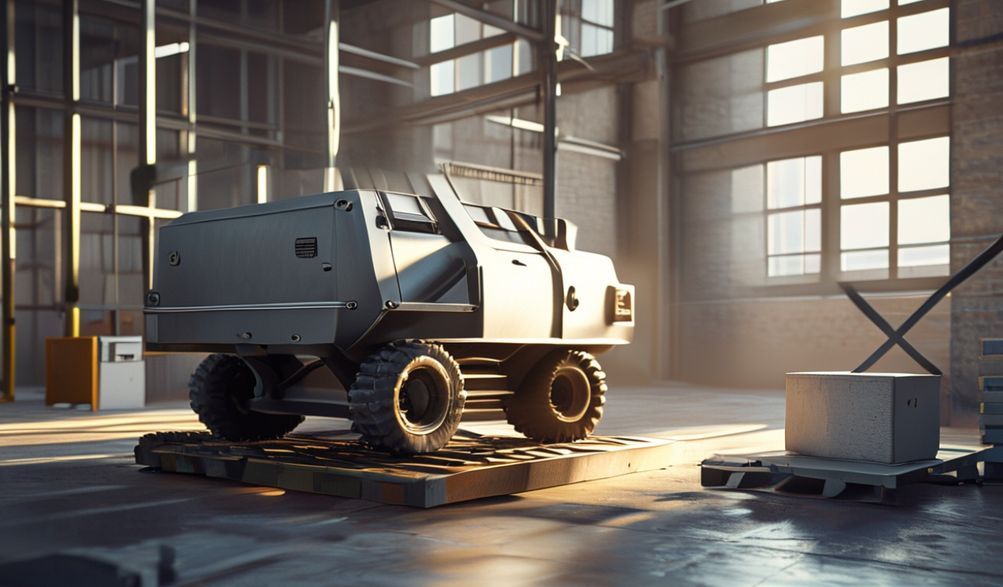
دليلك الشامل لآلات صناعة الطوب في المملكة المتحدة: تسليط الضوء على مصنع فودا
مقدمة
يشهد قطاع البناء في المملكة المتحدة مسارًا تصاعديًا ثابتًا، مدفوعًا بمشاريع البنية التحتية والطلب على المساكن والتطوير التجاري. وفي صميم هذا النمو تكمن حاجة حرجة ومستمرة لمواد بناء موثوقة وعالية الجودة. حيث تزداد الطلب أكثر من أي وقت مضى على الكتل الخرسانية، التي تشكل العمود الفقري المنتشر للبناء الحديث.
للبنائين والمقاولين ورجال الأعمال، يمثل هذا الطلب فرصة وتحدياً في آن واحد. قد يؤدي استيراد الكتل من مصادر خارجية إلى تأخيرات في سلسلة التوريد وتكاليف متقلبة وجودة متفاوتة. لذا يتجه الكثيرون الآن إلى النظر داخلياً، حيث يفكرون في الخطوة الاستراتيجية المتمثلة في إنتاج الكتل بأنفسهم. ومع ذلك، يمكن أن يكون التنقل في سوق معدات صناعة الكتل في المملكة المتحدة أمراً شاقاً. فما هي التحديات الرئيسية؟ تكمن في العثور على آلات ليست فعالة من حيث التكلفة والكفاءة فحسب، بل أيضاً متينة بما يكفي لتحمل الاستخدام المكثف ومتوافقة مع اللوائح الصارمة في المملكة المتحدة.
يكمن الحل في الاستثمار في آلة صناعة البلوك ذات الجودة الاحترافية. هذا ليس مجرد شراء؛ بل هو قرار استراتيجي لتحقيق إنتاجية أكبر، ورقابة جودة أكثر صرامة، ومرونة أعمال طويلة الأمد. عند استكشاف المصنّعين، يبرز اسم واحد باستمرار على الساحة العالمية وهو مصنع فودا لصناعة البلوك. معروف بهندسته القوية ومجموعة منتجاته الواسعة، صممت فودا عروضها لتلبية المتطلبات والمعايير الخاصة بسوق المملكة المتحدة.
يخدم هذا الدليل كمرجع خبير وحيادي لك. سنقوم بتحليل أنواع الآلات، والتعمق في العوامل الحاسمة للمشترين في المملكة المتحدة، ونقدم نظرة مفصلة وشفافة حول ما تقدمه مصانع فودا، مما يمكنك من اتخاذ قرار استثماري مدروس بشكل شامل.
فهم آلات صناعة الطوب: الأنواع والتطبيقات
قبل الاستثمار، من الضروري فهم التكنولوجيا وإمكانياتها. هذه المعرفة الأساسية تميز المشتري الذكي عن المضارب.
كيف تعمل آلات صناعة البلوك؟
في صميم عملها، تقوم آلة صناعة الطوب بأتمتة عملية تحويل خليط الخرسانة الخام إلى طوب بناء صلب ودقيق. يبقى المبدأ ثابتًا في معظم الآلات، رغم اختلاف مستوى الأتمتة.
- الخلط والتغذية:يتم تحميل خليط الخرسانة الجاهز الجاف (الركام، الرمل، الأسمنت) في قادوس الآلة.
- صبيتم تغذية الخليط في صندوق القالب. تصميم هذا القالب يحدد شكل البلوك النهائي (مجوف، صلب، بلاط، إلخ).
- الضغط:هذه هي المرحلة الحرجة. حيث يؤدي مزيج من الاهتزاز والضغط الهيدروليكي العالي إلى ضغط الخليط بكثافة في القالب، مما يزيل جيوب الهواء ويضمن السلامة الهيكلية.
- الطرد والمعالجة:يتم إخراج البلوك "الأخضر" حديث التشكيل على منصة أو الأرضية. ثم يخضع لعملية معالجة، تتضمن عادةً الاحتفاظ بالرطوبة لعدة أيام، ليصل إلى قوته الكاملة.
المكونات الرئيسية التي ستسمع عنها تشمل قادوس التغذية، نظام القالب، وحدة الطاقة الهيدروليكية، محركات الاهتزاز، وجهاز التحكم المنطقي القابل للبرمجة (PLC) الذي ينظم كل ذلك.
أنواع الآلات الرئيسية للعمليات في المملكة المتحدة
يعتمد اختيار النوع المناسب من الآلة بشكل كامل على الإنتاج المتوقع والميزانية ونموذج العمالة.
-
الآلات اليدوية وشبه الآلية:
- الأفضل لـ:المشاريع الناشئة، والمشاريع الصغيرة، وخطوط المنتجات المتخصصة (مثل الكتل الزخرفية)، أو الشركات التي تختبر السوق.
- العملية:يتطلب المزيد من التدخل اليدوي لتغذية الخليط وإزالة الكتل النهائية. وغالبًا ما يتم الدمج بواسطة قوة ميكانيكية أو هيدروليكية.
- اعتبارات المملكة المتحدة:مثالي حيث يتم إدارة تكاليف العمالة ومساحة الإنتاج محدودة. وتمثل استثمارًا رأسماليًا أوليًا أقل.
-
آلات أوتوماتيكية بالكامل:
- الأفضل لـ:الإنتاج التجاري متوسط إلى كبير النطاق لتزويد التجار أو المشاريع الكبيرة.
- العملية:هذه خطوط إنتاج. تقوم تلقائياً بخلط وتغذية وقولبة وضغط وتراصف البلوكات بأقل قدر من الإشراف البشري. وهي تتكامل مع مغذيات البالتات وأجهزة التراصف.
- اعتبارات المملكة المتحدة:الإنتاجية العالية والاتساق يبرران الاستثمار. فهما أساسيان للمنافسة على السعر والحجم في السوق الأوسع. تأكد من أن موقعك يحتوي على إمداد الطاقة الصناعي اللازم (عادةً ما يكون ثلاثي الأطوار).
-
آلات تصنيع الكتل المتنقلة:
- الأفضل لـ:مواقع البناء الكبيرة، مثل المجمعات السكنية الجديدة أو مشاريع البنية التحتية النائية.
- ميزةيتم إنتاج الكتل مباشرة في الموقع، مما يقلل بشكل كبير من تكاليف النقل واللوجستيات لكميات كبيرة من المواد. وغالبًا ما يتم تركيبها على مقطورات.
- اعتبارات المملكة المتحدة:مثالي للمطورين الذين لديهم خطة موقع متعددة السنوات. ضع في الاعتبار الوصول، وظروف الأرض، وتخزين المواد في الموقع.
الأنواع الشائعة للكتل المنتجة
الآلات الحديثة متعددة الاستخدامات. فهي لا تنتج الكتل القياسية فحسب، بل يمكنها أيضًا إنتاج مجموعة من المنتجات عالية الطلب.
- الكتل الخرسانية الصلبة والمجوفة:المواد الأساسية للجدران الحاملة وجدران الفواصل.
- بلاطات الرصف وأحجار الرصيف:لأعمال تنسيق الحدائق، والممرات، والمشاريع المدنية.
- الكتل المتشابكة: Used for retaining walls, flood defences, and storage bays without mortar.
- Specialist Shapes: Including grass blocks (for permeable paving), chimney blocks, and architectural decorative blocks.
Why Choose a FUDA Block Making Machine for the UK Market?
FUDA has built its reputation on serving diverse international markets. Here’s how their approach aligns with the needs of a UK-based operation.
Engineering for Durability and UK Conditions
The UK’s variable climate, with its dampness and potential for cold temperatures, demands robust equipment.
* البناء الثقيل FUDA machines are built with high-grade steel at critical stress points, designed to endure the constant vibration and pressure of block production.
* مقاومة التآكل: Look for powder-coated finishes and treatments on frames and components to combat moisture, a vital feature for machines operating in open-sided sheds or across seasons in the UK.
* جودة المكونات The use of reputable brand hydraulics, motors, and PLCs (e.g., Siemens, Schneider) is a sign of a machine built for longevity, not just a low sticker price.
Focus on Efficiency and Output
Profitability hinges on output per hour and operational cost.
* Fast Cycle Times: Efficient hydraulic systems and mold design allow for quicker block formation and ejection, maximising daily production.
* قوالب متعددة التجاويف: Many FUDA models can produce multiple blocks (e.g., 4, 6, 10) per machine cycle, significantly boosting output without increasing machine footprint.
* Low Waste & Energy Efficiency: Precise mix feeding and compaction reduce material waste. Modern, well-calibrated hydraulic systems are designed to be energy efficient, a key factor given UK industrial electricity costs.
Versatility and Customisation
Your product line may need to evolve.
* القوالب القابلة للتبديل The ability to switch molds allows one machine to produce different block types, from standard 100mm solids to 200mm hollow blocks or paving flags.
* Custom Mold Development: For unique architectural or civil specifications, FUDA can often engineer custom molds. This is a significant advantage for businesses targeting niche markets or fulfilling specific contract requirements.
Technological Integration
Ease of use and safety are non-negotiable.
* User-Friendly PLC Controls: Touchscreen panels allow operators to set parameters, monitor production, and diagnose issues. Clear fault displays minimise downtime.
* Safety Features: Integrated safety guards, emergency stop buttons, and hydraulic safety locks are standard on professional machines, helping you comply with UK workplace HSE regulations from day one.
* System Integration: Machines can be designed to connect with automated batching plants and robotic pallet stackers, creating a seamless production line.
Critical Factors for UK Buyers: Beyond the Machine
The machine’s price tag is just the beginning. Your due diligence here separates a successful investment from a costly mistake.
Navigating UK Regulations and Standards
Compliance is legal and commercial necessity.
* CE/UKCA Marking: This is mandatory. It certifies the machine meets the essential health and safety requirements of the Machinery Directive (2006/42/EC). Never purchase a machine without this certification. A reputable manufacturer like FUDA will provide full documentation.
* Noise and Vibration: Ensure the machine’s specifications are within acceptable limits for an industrial workplace, considering both operator health and potential site neighbour issues.
* Electrical Compliance: The machine must be supplied wired for UK voltage standards (typically 400V 3-phase) or easily adaptable by a qualified UK electrician.
تحليل التكلفة الإجمالية للملكية
Think in terms of total investment over 5-10 years.
* Upfront Costs: Machine price + shipping (CIF/FOB terms matter) + UK import duty and VAT (currently 20%) + delivery to your site.
* Setup Costs: Foundation preparation (a level, reinforced concrete pad is typical), electrical connection by a certified engineer, and possible crane hire for installation.
* Ongoing Costs: Regular maintenance (filters, hydraulic oil), wear parts (mold liners, vibration motors), energy consumption, and labour.
* The Value Proposition: A slightly more expensive, well-built machine with lower failure rates and higher efficiency will almost always outperform a cheaper alternative in the long run.
After-Sales Support: Your UK Lifeline
This is the single most critical factor in your decision. A machine without support is a future paperweight.
* الدعم الفني المحلي: Does FUDA have a dedicated UK agent or partner with engineers who can provide phone support and, if needed, site visits? What are the response time guarantees?
* توفر قطع الغيار Are common wear parts (seals, bearings, liner plates) held in UK stock? If not, what is the typical shipping time from the factory? A reliable parts pipeline is essential for minimising downtime.
* تدريب شامل: What training is provided? It should cover operation, routine maintenance, basic troubleshooting, and safety procedures. Is it on-site, at the factory, or via detailed video manuals?
* Warranty Terms: Get the warranty terms in writing. What is covered (parts, labour)? How long does it last? What is the process for making a claim?
The FUDA Factory Advantage: A Closer Look
Let’s examine the manufacturer’s credentials and the practical journey of procurement.
Manufacturing Expertise and Quality Control
FUDA operates as a full-scale manufacturing facility, not just an assembler.
* In-House Production: Controlling the production of key components like mold boxes and frames allows for stricter quality oversight.
* اختبارات صارمة: Machines should undergo running tests before shipment. Inquire about their quality control protocols—do they test hydraulic pressure, vibration frequency, and control system sequences?
* الاستثمار في البحث والتطوير: A manufacturer that invests in research and development is more likely to offer modern, efficient technology. Ask about recent innovations in their model range.
Global Reputation and UK References
A global footprint indicates experience, but local proof is king.
* Export History: FUDA’s presence in multiple continents suggests an ability to adapt machinery to different market standards.
* The Crucial Step – Verification: You must seek and verify UK-based references. A credible supplier should be able to connect you with existing UK customers. Ask those customers pointed questions about machine reliability, output accuracy, and, most importantly, the quality of after-sales support. If possible, arrange to visit a working FUDA machine in the UK.
The Procurement Process: From Inquiry to Installation
Understanding this flow prevents surprises.
1. Consultation: Provide details on your desired output, block types, and site specifications.
2. Quotation: You should receive a detailed quote including machine specs, optional extras, shipping terms (e.g., FOB Shanghai), and a proposed delivery timeline.
3. Order & Payment: Terms are agreed upon (often a deposit followed by balance before shipment).
4. Manufacturing & Pre-Shipment Testing: The machine is built and tested. Request photos or video of the final product before it’s crated.
5. Shipping & Customs: The machine is shipped. As the UK importer, you or your agent will handle customs clearance and pay due taxes.
6. Delivery & Installation: The machine is delivered to your site. Clarify in advance: will a FUDA engineer supervise installation and commissioning, or will you need to hire a local specialist with the provided manuals?
الأسئلة الشائعة (FAQ)
What is the lead time for a FUDA machine to be delivered to the UK?
Lead times vary. A standard model might be shipped in 4-6 weeks, while a fully customised line could take 8-12 weeks. Factor in an additional 2-4 weeks for sea freight and customs clearance. Always get a written timeline estimate.
Can FUDA machines use UK-standard raw materials (aggregates, cement)?
Yes, they are designed to be adaptable. However, the optimal mix design (cement-to-aggregate ratio, moisture content) is crucial for block quality and machine performance. FUDA should provide baseline mix guidelines, but you may need to fine-tune it with your local materials.
Who will install and commission the machine in the UK?
This must be clarified in your contract. Options include: FUDA sending an engineer, their UK agent providing the service, or you hiring a qualified local engineer using FUDA’s comprehensive installation manual. The first option, while potentially an extra cost, is often the smoothest.
How do I source spare parts once the machine is in the UK?
Establish the process before buying. Ideally, a UK-based agent holds common parts. If not, you’ll order directly from the factory. Ask for a list of common wear parts and their estimated lifespans to help you plan and budget.
What training is provided for my operators?
Training should be comprehensive. It often includes detailed operation manuals, instructional videos, and, ideally, on-site training during commissioning covering daily operation, lubrication, routine maintenance, and safety procedures.
Are there any grants or financing options available in the UK for this equipment?
This is outside a manufacturer’s direct scope. However, investing in capital equipment for business growth may qualify for government-backed schemes or finance leases. We strongly recommend consulting with a UK business advisor, accountant, or specialist equipment finance broker to explore options.
خاتمة
Selecting a block making machine for your UK operation is a significant strategic investment. The decision must balance upfront cost with long-term durability, efficiency, and crucially, the quality of after-sales support. It’s about finding a partner in production, not just a supplier of machinery.
FUDA Block Making Factory presents itself as a viable contender, with its engineering focus on robust construction, efficiency, and versatility. Their experience in international markets suggests an ability to meet varied demands. However, the cornerstone of a successful purchase for any UK buyer is verifiable, on-the-ground support.
Therefore, your final step must be one of thorough due diligence. Request detailed specifications and a full breakdown of all costs. Get all support promises—response times, parts availability, warranty—in writing. Most importantly, act on the advice to seek out and speak directly with existing UK customers. Their firsthand experience is the most valuable specification sheet you can read.
Ready to take the next step? Contact a FUDA representative with your specific project requirements, and be sure to ask for a detailed proposal alongside references from their current UK client base.
<