
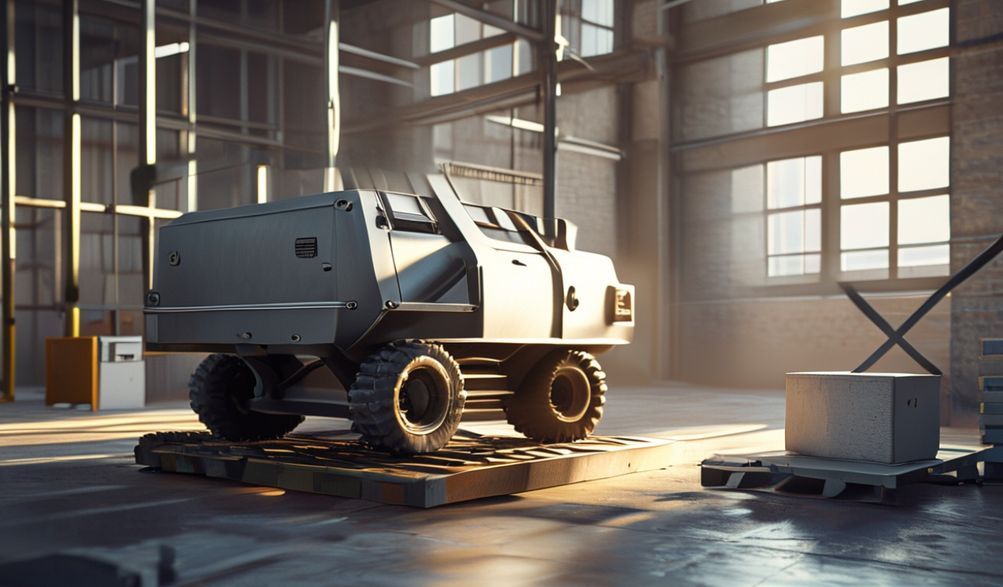
Hướng Dẫn Toàn Diện Về Máy Sản Xuất Gạch Tại Vương Quốc Anh: Điểm Nhấn Từ Nhà Máy FUDA
Giới thiệu
Ngành xây dựng Vương quốc Anh đang trên đà tăng trưởng ổn định, được thúc đẩy bởi các dự án hạ tầng, nhu cầu nhà ở và phát triển thương mại. Trọng tâm của sự tăng trưởng này là nhu cầu cấp thiết, liên tục về vật liệu xây dựng chất lượng cao, đáng tin cậy. Các khối bê tông, xương sống phổ biến của công trình hiện đại, đang được săn đón hơn bao giờ hết.
Đối với các nhà xây dựng, nhà thầu và doanh nhân, nhu cầu này vừa là cơ hội vừa là thách thức. Việc tìm nguồn cung ứng khối xây từ bên ngoài có thể dẫn đến chậm trễ trong chuỗi cung ứng, chi phí biến động và chất lượng không ổn định. Nhiều người hiện đang hướng nội, cân nhắc bước đi chiến lược là tự sản xuất. Tuy nhiên, việc tìm hiểu thị trường thiết bị sản xuất khối xây tại Vương quốc Anh có thể là một thách thức không nhỏ. Những thách thức chính là gì? Đó là tìm kiếm máy móc không chỉ hiệu quả về chi phí và năng suất mà còn phải bền bỉ để chịu được cường độ sử dụng cao và tuân thủ các quy định nghiêm ngặt của Vương quốc Anh.
Giải pháp nằm ở việc đầu tư vào một máy làm khối chuyên nghiệp. Đây không chỉ là một giao dịch mua hàng; mà là một quyết định chiến lược nhằm nâng cao năng suất, kiểm soát chất lượng chặt chẽ hơn và xây dựng khả năng phục hồi lâu dài cho doanh nghiệp. Khi tìm hiểu về các nhà sản xuất, một cái tên thường xuyên xuất hiện trên bình diện toàn cầu là Nhà máy Sản xuất Khối FUDA. Được đánh giá cao nhờ kỹ thuật vững chắc và dải sản phẩm đa dạng, FUDA đã điều chỉnh các sản phẩm của mình để đáp ứng những yêu cầu và tiêu chuẩn cụ thể của thị trường Vương quốc Anh.
Hướng dẫn này đóng vai trò là nguồn thông tin chuyên gia, khách quan dành cho bạn. Chúng tôi sẽ phân tích các loại máy móc, đi sâu vào những yếu tố then chốt dành cho người mua tại Anh, đồng thời cung cấp cái nhìn chi tiết, minh bạch về những gì nhà máy FUDA mang lại, giúp bạn đưa ra quyết định đầu tư được trang bị đầy đủ thông tin.
Tìm Hiểu Về Máy Sản Xuất Gạch: Các Loại và Ứng Dụng
Trước khi đầu tư, việc hiểu rõ công nghệ và tiềm năng của nó là vô cùng quan trọng. Kiến thức nền tảng này phân biệt một nhà đầu tư sáng suốt với một người đầu cơ mạo hiểm.
Máy Sản Xuất Gạch Hoạt Động Như Thế Nào?
Về cốt lõi, một máy làm gạch tự động hóa quá trình biến hỗn hợp bê tông thô thành những viên gạch xây dựng rắn chắc và chính xác. Nguyên lý hoạt động này nhất quán ở hầu hết các loại máy, dù mức độ tự động hóa có khác nhau.
- Pha trộn & Cho ăn:Hỗn hợp bê tông khô trộn sẵn (cốt liệu, cát, xi măng) được đổ vào phễu của máy.
- Đúc khuônHỗn hợp được đổ vào hộp khuôn. Thiết kế của khuôn này quyết định hình dạng cuối cùng của khối (rỗng, đặc, lát vỉa hè, v.v.).
- Nén chặt:Đây là giai đoạn then chốt. Sự kết hợp giữa rung động và áp lực thủy lực cao giúp nén chặt hỗn hợp vào khuôn, loại bỏ các lỗ khí và đảm bảo tính toàn vẹn của cấu trúc.
- Đẩy & Đóng rắn:Khối bê tông mới đúc, "xanh" được đẩy ra nền pallet hoặc sàn nhà. Sau đó, nó trải qua quá trình bảo dưỡng, thường bao gồm việc giữ ẩm trong vài ngày, để đạt cường độ tối đa.
Các thành phần chính bạn sẽ nghe đến bao gồm phễu cấp liệu, hệ thống khuôn, tủ thủy lực, động cơ rung và bộ điều khiển logic khả trình (PLC) - yếu tố điều phối toàn bộ hệ thống.
Các Loại Máy Móc Chính cho Hoạt động tại Vương quốc Anh
Việc lựa chọn loại máy móc phù hợp phụ thuộc hoàn toàn vào sản lượng dự kiến, ngân sách và mô hình lao động của bạn.
-
Máy Thủ Công & Bán Tự Động
- Tốt nhất cho:Khởi nghiệp, dự án quy mô nhỏ, dòng sản phẩm chuyên biệt (ví dụ: gạch trang trí), hoặc doanh nghiệp thử nghiệm thị trường.
- Hoạt động:Yêu cầu can thiệp thủ công nhiều hơn cho việc cấp liệu hỗn hợp và tháo dỡ các khối đã hoàn thành. Quá trình nén thường được vận hành bằng cơ khí hoặc thủy lực.
- Xem xét của Vương quốc Anh:Lý tưởng khi chi phí lao động được quản lý và không gian sản xuất bị hạn chế. Chúng đại diện cho mức vốn đầu tư ban đầu thấp hơn.
-
Máy Móc Tự Động Hoàn Toàn:
- Tốt nhất cho:Sản xuất thương mại quy mô trung bình đến lớn cung cấp cho các thương nhân hoặc dự án lớn.
- Hoạt động:Đây là các dây chuyền sản xuất. Chúng tự động trộn, cấp liệu, đúc khuôn, nén chặt và xếp gạch với sự giám sát tối thiểu của con người. Chúng tích hợp với hệ thống cấp pallet và máy xếp.
- Xem xét của Vương quốc Anh: The high output and consistency justify the investment. They are essential for competing on price and volume in the wider market. Ensure your site has the necessary industrial power supply (typically three-phase).
-
Máy đúc khối di động:
- Tốt nhất cho: Large construction sites, like new housing estates or remote infrastructure projects.
- Lợi thế: Produce blocks directly on-site, dramatically reducing transport costs and logistics for large quantities of material. They are often mounted on trailers.
- Xem xét của Vương quốc Anh: Perfect for developers with a multi-year site plan. Consider access, ground conditions, and on-site material storage.
Các Loại Khối Thông Dụng Được Tạo Ra
Modern machines are versatile. Beyond standard blocks, they can produce a range of high-demand products:
- Khối Bê Tông Đặc và Rỗng: The staple for load-bearing and partition walls.
- Paving Slabs & Kerbstones: For landscaping, driveways, and civil projects.
- Khối Gạch Lắp Ghép: Used for retaining walls, flood defences, and storage bays without mortar.
- Specialist Shapes: Including grass blocks (for permeable paving), chimney blocks, and architectural decorative blocks.
Why Choose a FUDA Block Making Machine for the UK Market?
FUDA has built its reputation on serving diverse international markets. Here’s how their approach aligns with the needs of a UK-based operation.
Engineering for Durability and UK Conditions
The UK’s variable climate, with its dampness and potential for cold temperatures, demands robust equipment.
* Xây Dựng Chịu Lực Nặng: FUDA machines are built with high-grade steel at critical stress points, designed to endure the constant vibration and pressure of block production.
* Khả năng chống ăn mòn: Look for powder-coated finishes and treatments on frames and components to combat moisture, a vital feature for machines operating in open-sided sheds or across seasons in the UK.
* Chất Lượng Linh Kiện The use of reputable brand hydraulics, motors, and PLCs (e.g., Siemens, Schneider) is a sign of a machine built for longevity, not just a low sticker price.
Focus on Efficiency and Output
Profitability hinges on output per hour and operational cost.
* Fast Cycle Times: Efficient hydraulic systems and mold design allow for quicker block formation and ejection, maximising daily production.
* Multi-Cavity Molds: Many FUDA models can produce multiple blocks (e.g., 4, 6, 10) per machine cycle, significantly boosting output without increasing machine footprint.
* Low Waste & Energy Efficiency: Precise mix feeding and compaction reduce material waste. Modern, well-calibrated hydraulic systems are designed to be energy efficient, a key factor given UK industrial electricity costs.
Versatility and Customisation
Your product line may need to evolve.
* Khuôn có thể thay thế lẫn nhau: The ability to switch molds allows one machine to produce different block types, from standard 100mm solids to 200mm hollow blocks or paving flags.
* Custom Mold Development: For unique architectural or civil specifications, FUDA can often engineer custom molds. This is a significant advantage for businesses targeting niche markets or fulfilling specific contract requirements.
Technological Integration
Ease of use and safety are non-negotiable.
* User-Friendly PLC Controls: Touchscreen panels allow operators to set parameters, monitor production, and diagnose issues. Clear fault displays minimise downtime.
* Safety Features: Integrated safety guards, emergency stop buttons, and hydraulic safety locks are standard on professional machines, helping you comply with UK workplace HSE regulations from day one.
* System Integration: Machines can be designed to connect with automated batching plants and robotic pallet stackers, creating a seamless production line.
Critical Factors for UK Buyers: Beyond the Machine
The machine’s price tag is just the beginning. Your due diligence here separates a successful investment from a costly mistake.
Navigating UK Regulations and Standards
Compliance is legal and commercial necessity.
* CE/UKCA Marking: This is mandatory. It certifies the machine meets the essential health and safety requirements of the Machinery Directive (2006/42/EC). Never purchase a machine without this certification. A reputable manufacturer like FUDA will provide full documentation.
* Noise and Vibration: Ensure the machine’s specifications are within acceptable limits for an industrial workplace, considering both operator health and potential site neighbour issues.
* Electrical Compliance: The machine must be supplied wired for UK voltage standards (typically 400V 3-phase) or easily adaptable by a qualified UK electrician.
Total Cost of Ownership Analysis
Think in terms of total investment over 5-10 years.
* Upfront Costs: Machine price + shipping (CIF/FOB terms matter) + UK import duty and VAT (currently 20%) + delivery to your site.
* Setup Costs: Foundation preparation (a level, reinforced concrete pad is typical), electrical connection by a certified engineer, and possible crane hire for installation.
* Ongoing Costs: Regular maintenance (filters, hydraulic oil), wear parts (mold liners, vibration motors), energy consumption, and labour.
* The Value Proposition: A slightly more expensive, well-built machine with lower failure rates and higher efficiency will almost always outperform a cheaper alternative in the long run.
After-Sales Support: Your UK Lifeline
This is the single most critical factor in your decision. A machine without support is a future paperweight.
* Hỗ trợ Kỹ thuật Địa phương: Does FUDA have a dedicated UK agent or partner with engineers who can provide phone support and, if needed, site visits? What are the response time guarantees?
* Sẵn có Phụ tùng Thay thế: Are common wear parts (seals, bearings, liner plates) held in UK stock? If not, what is the typical shipping time from the factory? A reliable parts pipeline is essential for minimising downtime.
* Đào tạo Toàn diện: What training is provided? It should cover operation, routine maintenance, basic troubleshooting, and safety procedures. Is it on-site, at the factory, or via detailed video manuals?
* Warranty Terms: Get the warranty terms in writing. What is covered (parts, labour)? How long does it last? What is the process for making a claim?
The FUDA Factory Advantage: A Closer Look
Let’s examine the manufacturer’s credentials and the practical journey of procurement.
Manufacturing Expertise and Quality Control
FUDA operates as a full-scale manufacturing facility, not just an assembler.
* In-House Production: Controlling the production of key components like mold boxes and frames allows for stricter quality oversight.
* Kiểm Tra Nghiêm Ngặt: Machines should undergo running tests before shipment. Inquire about their quality control protocols—do they test hydraulic pressure, vibration frequency, and control system sequences?
* Đầu tư vào Nghiên cứu và Phát triển: A manufacturer that invests in research and development is more likely to offer modern, efficient technology. Ask about recent innovations in their model range.
Global Reputation and UK References
A global footprint indicates experience, but local proof is king.
* Export History: FUDA’s presence in multiple continents suggests an ability to adapt machinery to different market standards.
* The Crucial Step – Verification: You must seek and verify UK-based references. A credible supplier should be able to connect you with existing UK customers. Ask those customers pointed questions about machine reliability, output accuracy, and, most importantly, the quality of after-sales support. If possible, arrange to visit a working FUDA machine in the UK.
The Procurement Process: From Inquiry to Installation
Understanding this flow prevents surprises.
1. Consultation: Provide details on your desired output, block types, and site specifications.
2. Quotation: You should receive a detailed quote including machine specs, optional extras, shipping terms (e.g., FOB Shanghai), and a proposed delivery timeline.
3. Order & Payment: Terms are agreed upon (often a deposit followed by balance before shipment).
4. Manufacturing & Pre-Shipment Testing: The machine is built and tested. Request photos or video of the final product before it’s crated.
5. Shipping & Customs: The machine is shipped. As the UK importer, you or your agent will handle customs clearance and pay due taxes.
6. Delivery & Installation: The machine is delivered to your site. Clarify in advance: will a FUDA engineer supervise installation and commissioning, or will you need to hire a local specialist with the provided manuals?
Các Câu Hỏi Thường Gặp (FAQ)
What is the lead time for a FUDA machine to be delivered to the UK?
Lead times vary. A standard model might be shipped in 4-6 weeks, while a fully customised line could take 8-12 weeks. Factor in an additional 2-4 weeks for sea freight and customs clearance. Always get a written timeline estimate.
Can FUDA machines use UK-standard raw materials (aggregates, cement)?
Yes, they are designed to be adaptable. However, the optimal mix design (cement-to-aggregate ratio, moisture content) is crucial for block quality and machine performance. FUDA should provide baseline mix guidelines, but you may need to fine-tune it with your local materials.
Who will install and commission the machine in the UK?
This must be clarified in your contract. Options include: FUDA sending an engineer, their UK agent providing the service, or you hiring a qualified local engineer using FUDA’s comprehensive installation manual. The first option, while potentially an extra cost, is often the smoothest.
How do I source spare parts once the machine is in the UK?
Establish the process before buying. Ideally, a UK-based agent holds common parts. If not, you’ll order directly from the factory. Ask for a list of common wear parts and their estimated lifespans to help you plan and budget.
What training is provided for my operators?
Training should be comprehensive. It often includes detailed operation manuals, instructional videos, and, ideally, on-site training during commissioning covering daily operation, lubrication, routine maintenance, and safety procedures.
Are there any grants or financing options available in the UK for this equipment?
This is outside a manufacturer’s direct scope. However, investing in capital equipment for business growth may qualify for government-backed schemes or finance leases. We strongly recommend consulting with a UK business advisor, accountant, or specialist equipment finance broker to explore options.
Conclusion
Selecting a block making machine for your UK operation is a significant strategic investment. The decision must balance upfront cost with long-term durability, efficiency, and crucially, the quality of after-sales support. It’s about finding a partner in production, not just a supplier of machinery.
FUDA Block Making Factory presents itself as a viable contender, with its engineering focus on robust construction, efficiency, and versatility. Their experience in international markets suggests an ability to meet varied demands. However, the cornerstone of a successful purchase for any UK buyer is verifiable, on-the-ground support.
Therefore, your final step must be one of thorough due diligence. Request detailed specifications and a full breakdown of all costs. Get all support promises—response times, parts availability, warranty—in writing. Most importantly, act on the advice to seek out and speak directly with existing UK customers. Their firsthand experience is the most valuable specification sheet you can read.
Ready to take the next step? Contact a FUDA representative with your specific project requirements, and be sure to ask for a detailed proposal alongside references from their current UK client base.
<