
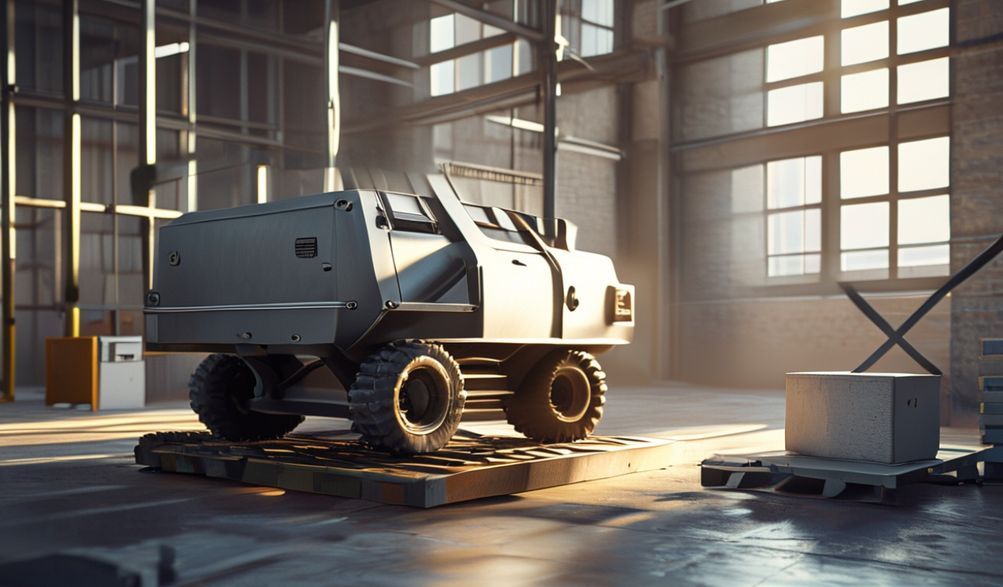
คู่มือฉบับสมบูรณ์ของคุณสำหรับเครื่องทำบล็อกในสหราชอาณาจักร: เน้นที่โรงงานฟู่ต้า
บทนำ
ภาคการก่อสร้างของสหราชอาณาจักรกำลังอยู่ในแนวโน้มขยายตัวที่มั่นคง เนื่องมาจากโครงการโครงสร้างพื้นฐาน ความต้องการที่อยู่อาศัย และการพัฒนาพาณิชยกรรม แกนหลักของการเติบโตนี้คือความต้องการที่สำคัญและต่อเนื่องสำหรับวัสดุก่อสร้างคุณภาพสูงและเชื่อถือได้ ซึ่งบล็อกคอนกรีต วัสดุโครงสร้างหลักในงานก่อสร้างยุคใหม่ กำลังเป็นที่ต้องการมากกว่าที่เคย
สำหรับผู้สร้าง ผู้รับเหมา และผู้ประกอบการ ความต้องการนี้ได้นำมาซึ่งทั้งโอกาสและความท้าทาย การจัดหาแผ่นคอนกรีตจากภายนอกอาจนำไปสู่ความล่าช้าในห่วงโซ่อุปทาน ต้นทุนที่ผันผวน และคุณภาพที่ไม่แน่นอน หลายคนจึงหันมามองทางเลือกภายใน โดยพิจารณาถึงการเคลื่อนไหวเชิงกลยุทธ์ในการผลิตแผ่นคอนกรีตด้วยตนเอง อย่างไรก็ตาม การเดินทางในตลาดอุปกรณ์ทำแผ่นคอนกรีตในสหราชอาณาจักรอาจเป็นเรื่องที่น่าวิตก ความท้าทายหลักคือ การค้นหาเครื่องจักรที่ไม่เพียงแต่มีต้นทุนประสิทธิภาพและประสิทธิภาพสูง แต่ยังต้องมีความทนทานเพียงพอที่จะรับมือกับการใช้งานอย่างหนักและเป็นไปตามข้อกำหนดที่เข้มงวดของสหราชอาณาจักร
ทางออกอยู่ที่การลงทุนในเครื่องผลิตบล็อกระดับมืออาชีพ นี่ไม่ใช่เพียงการซื้อ แต่เป็นการตัดสินใจเชิงกลยุทธ์เพื่อเพิ่มผลผลิตสูงขึ้น การควบคุมคุณภาพที่เข้มงวด และความยืดหยุ่นทางธุรกิจในระยะยาว เมื่อสำรวจผู้ผลิต ชื่อหนึ่งที่ปรากฏอย่างต่อเนื่องในเวทีโลกคือ โรงงานผลิตบล็อกฟูด้า ด้วยชื่อเสียงด้านวิศวกรรมที่แข็งแกร่งและผลิตภัณฑ์หลากหลาย ฟูด้าได้ปรับแต่งข้อเสนอให้ตรงกับความต้องการและมาตรฐานเฉพาะของตลาดสหราชอาณาจักร
คู่มือนี้ทำหน้าที่เป็นแหล่งข้อมูลผู้เชี่ยวชาญที่เป็นกลางสำหรับคุณ เราจะวิเคราะห์ประเภทของเครื่องจักรต่างๆ ลงลึกในปัจจัยสำคัญสำหรับผู้ซื้อในสหราชอาณาจักร และนำเสนอมุมมองที่ละเอียดและโปร่งใสเกี่ยวกับสิ่งที่โรงงาน FUDA นำเสนอ เพื่อให้คุณสามารถตัดสินใจลงทุนได้อย่างรอบรู้
ทำความเข้าใจเครื่องจักรผลิตบล็อก: ประเภทและการใช้งาน
ก่อนการลงทุน การเข้าใจเทคโนโลยีและความเป็นไปได้ของมันเป็นสิ่งสำคัญ ความรู้พื้นฐานนี้แยกแยะผู้ซื้อที่รอบรู้ออกจากผู้ที่ซื้อเพียงเพราะคาดเดา
เครื่องจักรผลิตบล็อกทำงานอย่างไร?
โดยพื้นฐานแล้ว เครื่องทำบล็อกจะทำงานอัตโนมัติในการเปลี่ยนส่วนผสมคอนกรีตดิบให้กลายเป็นบล็อกก่อสร้างที่แข็งแรงและแม่นยำ หลักการทำงานของเครื่องจักรส่วนใหญ่จะคล้ายคลึงกัน แม้ว่าระดับการทำงานอัตโนมัติจะแตกต่างกันไป
- การผสมและการให้อาหารคอนกรีตผสมแห้งสำเร็จรูป (หิน, ทราย, ปูนซีเมนต์) ถูกบรรจุลงในถังรับของเครื่องจักร
- การขึ้นรูปส่วนผสมถูกป้อนลงในกล่องแม่พิมพ์ การออกแบบแม่พิมพ์นี้กำหนดรูปร่างสุดท้ายของบล็อก (กลวง, ตัน, แผ่นทางเดิน, ฯลฯ)
- การบดอัด:นี่คือช่วงวิกฤติ การสั่นสะเทือนร่วมกับแรงดันไฮดรอลิกสูงอัดแน่นส่วนผสมให้แน่นเข้าไปในแม่พิมพ์ ขจัดฟองอากาศและรับประกันความสมบูรณ์ของโครงสร้าง
- การปลดออกและบำบัดรักษาบล็อก "เขียว" ที่เพิ่งขึ้นรูปใหม่จะถูกปล่อยลงบนพาเลทหรือพื้น จากนั้นจะเข้าสู่กระบวนการบ่ม ซึ่งโดยทั่วไปจะเกี่ยวข้องกับการรักษาความชื้นไว้เป็นเวลาหลายวัน เพื่อให้ได้ความแข็งแรงเต็มที่
ส่วนประกอบสำคัญที่คุณจะได้ยินเกี่ยวกับ ได้แก่ ถังป้อนอาหาร ระบบแม่พิมพ์ ชุดพลังงานไฮดรอลิก มอเตอร์สั่นสะเทือน และตัวควบคุมตรรกะแบบโปรแกรมได้ (PLC) ที่ควบคุมการทำงานทั้งหมด
ประเภทเครื่องจักรหลักสำหรับการดำเนินงานในสหราชอาณาจักร
การเลือกประเภทเครื่องจักรที่เหมาะสมขึ้นอยู่กับผลผลิตที่คาดการณ์ไว้ งบประมาณ และรูปแบบแรงงานของคุณโดยสิ้นเชิง
-
เครื่องจักรแบบใช้มือและกึ่งอัตโนมัติ
- เหมาะที่สุดสำหรับ:สตาร์ทอัพ โครงการขนาดเล็ก สายผลิตภัณฑ์เฉพาะทาง (เช่น บล็อกตกแต่ง) หรือธุรกิจที่กำลังทดสอบตลาด
- ปฏิบัติการ:ต้องการการแทรกแซงด้วยมือมากขึ้นสำหรับการป้อนส่วนผสมและการนำบล็อกที่เสร็จแล้วออก การอัดแน่นมักใช้พลังงานกลหรือไฮดรอลิก
- ข้อพิจารณาของสหราชอาณาจักร:เหมาะสำหรับสถานที่ที่มีการจัดการต้นทุนแรงงานและพื้นที่การผลิตจำกัด ซึ่งแสดงถึงการลงทุนเริ่มต้นที่ต่ำกว่า
-
เครื่องจักรอัตโนมัติสมบูรณ์แบบ:
- เหมาะที่สุดสำหรับ:การผลิตเชิงพาณิชย์ขนาดกลางถึงขนาดใหญ่เพื่อจัดหาสินค้าให้กับผู้ค้าหรือโครงการขนาดใหญ่
- ปฏิบัติการ:นี่คือสายการผลิต พวกมันผสม ป้อน ขึ้นรูป อัดแน่น และจัดเรียงบล็อกโดยอัตโนมัติ โดยใช้การดูแลจากมนุษย์น้อยที่สุด และยังสามารถเชื่อมต่อกับเครื่องป้อนพาเลทและเครื่องจัดเรียงได้อีกด้วย
- ข้อพิจารณาของสหราชอาณาจักร:ผลผลิตสูงและความสม่ำเสมอเป็นเหตุผลที่คุ้มค่ากับการลงทุน สิ่งเหล่านี้มีความจำเป็นในการแข่งขันด้านราคาและปริมาณในตลาดที่กว้างขึ้น ตรวจสอบให้แน่ใจว่าพื้นที่ของคุณมีแหล่งจ่ายไฟอุตสาหกรรมที่จำเป็น (โดยทั่วไปคือระบบสามเฟส)
-
เครื่องอัดบล็อกเคลื่อนที่:
- เหมาะที่สุดสำหรับ:ไซต์ก่อสร้างขนาดใหญ่ เช่น หมู่บ้านจัดสรรใหม่หรือโครงการโครงสร้างพื้นฐานในพื้นที่ห่างไกล
- ข้อได้เปกิดผลิตบล็อกได้โดยตรงในสถานที่ก่อสร้าง ลดต้นทุนการขนส่งและโลจิสติกส์สำหรับวัสดุจำนวนมากได้อย่างมาก โดยมักติดตั้งบนรถพ่วง
- ข้อพิจารณาของสหราชอาณาจักร:เหมาะสำหรับนักพัฒนาที่มีแผนก่อสร้างหลายปี พิจารณาการเข้าถึง สภาพพื้นที่ และการจัดเก็บวัสดุในสถานที่
บล็อกประเภททั่วไปที่ผลิตได้
เครื่องจักรสมัยใหม่มีความหลากหลายในการใช้งาน นอกเหนือจากการผลิตชิ้นส่วนมาตรฐานแล้ว ยังสามารถผลิตผลิตภัณฑ์ที่มีความต้องการสูงได้หลากหลายประเภท
- บล็อกคอนกรีตแบบตันและแบบกลวงวัสดุหลักสำหรับผนังรับน้ำหนักและผนังกั้น
- แผ่นปูพื้นและขอบทางเท้า:สำหรับงานจัดสวน ถนนรถแล่น และโครงการโยธา
- บล็อคต่อเชื่อม:ใช้สำหรับกำแพงกันดิน ระบบป้องกันน้ำท่วม และพื้นที่เก็บของโดยไม่ใช้ปูน
- เชฟพิเศษ Including grass blocks (for permeable paving), chimney blocks, and architectural decorative blocks.
Why Choose a FUDA Block Making Machine for the UK Market?
FUDA has built its reputation on serving diverse international markets. Here’s how their approach aligns with the needs of a UK-based operation.
Engineering for Durability and UK Conditions
The UK’s variable climate, with its dampness and potential for cold temperatures, demands robust equipment.
* การก่อสร้างที่ทนทาน FUDA machines are built with high-grade steel at critical stress points, designed to endure the constant vibration and pressure of block production.
* ความต้านทานการกัดกร่อน: Look for powder-coated finishes and treatments on frames and components to combat moisture, a vital feature for machines operating in open-sided sheds or across seasons in the UK.
* คุณภาพของส่วนประกอบ The use of reputable brand hydraulics, motors, and PLCs (e.g., Siemens, Schneider) is a sign of a machine built for longevity, not just a low sticker price.
Focus on Efficiency and Output
Profitability hinges on output per hour and operational cost.
* Fast Cycle Times: Efficient hydraulic systems and mold design allow for quicker block formation and ejection, maximising daily production.
* Multi-Cavity Molds: Many FUDA models can produce multiple blocks (e.g., 4, 6, 10) per machine cycle, significantly boosting output without increasing machine footprint.
* Low Waste & Energy Efficiency: Precise mix feeding and compaction reduce material waste. Modern, well-calibrated hydraulic systems are designed to be energy efficient, a key factor given UK industrial electricity costs.
Versatility and Customisation
Your product line may need to evolve.
* แม่พิมพ์ที่สามารถเปลี่ยนได้ The ability to switch molds allows one machine to produce different block types, from standard 100mm solids to 200mm hollow blocks or paving flags.
* Custom Mold Development: For unique architectural or civil specifications, FUDA can often engineer custom molds. This is a significant advantage for businesses targeting niche markets or fulfilling specific contract requirements.
Technological Integration
Ease of use and safety are non-negotiable.
* User-Friendly PLC Controls: Touchscreen panels allow operators to set parameters, monitor production, and diagnose issues. Clear fault displays minimise downtime.
* Safety Features: Integrated safety guards, emergency stop buttons, and hydraulic safety locks are standard on professional machines, helping you comply with UK workplace HSE regulations from day one.
* System Integration: Machines can be designed to connect with automated batching plants and robotic pallet stackers, creating a seamless production line.
Critical Factors for UK Buyers: Beyond the Machine
The machine’s price tag is just the beginning. Your due diligence here separates a successful investment from a costly mistake.
Navigating UK Regulations and Standards
Compliance is legal and commercial necessity.
* CE/UKCA Marking: This is mandatory. It certifies the machine meets the essential health and safety requirements of the Machinery Directive (2006/42/EC). Never purchase a machine without this certification. A reputable manufacturer like FUDA will provide full documentation.
* Noise and Vibration: Ensure the machine’s specifications are within acceptable limits for an industrial workplace, considering both operator health and potential site neighbour issues.
* Electrical Compliance: The machine must be supplied wired for UK voltage standards (typically 400V 3-phase) or easily adaptable by a qualified UK electrician.
การวิเคราะห์ต้นทุนรวมในการเป็นเจ้าของ
Think in terms of total investment over 5-10 years.
* Upfront Costs: Machine price + shipping (CIF/FOB terms matter) + UK import duty and VAT (currently 20%) + delivery to your site.
* Setup Costs: Foundation preparation (a level, reinforced concrete pad is typical), electrical connection by a certified engineer, and possible crane hire for installation.
* Ongoing Costs: Regular maintenance (filters, hydraulic oil), wear parts (mold liners, vibration motors), energy consumption, and labour.
* The Value Proposition: A slightly more expensive, well-built machine with lower failure rates and higher efficiency will almost always outperform a cheaper alternative in the long run.
After-Sales Support: Your UK Lifeline
This is the single most critical factor in your decision. A machine without support is a future paperweight.
* การสนับสนุนทางเทคนิคในท้องถิ่น Does FUDA have a dedicated UK agent or partner with engineers who can provide phone support and, if needed, site visits? What are the response time guarantees?
* ความพร้อมของอะไหล่ Are common wear parts (seals, bearings, liner plates) held in UK stock? If not, what is the typical shipping time from the factory? A reliable parts pipeline is essential for minimising downtime.
* การฝึกอบรมอย่างครอบคลุม What training is provided? It should cover operation, routine maintenance, basic troubleshooting, and safety procedures. Is it on-site, at the factory, or via detailed video manuals?
* ข้อกำหนดการรับประกัน: Get the warranty terms in writing. What is covered (parts, labour)? How long does it last? What is the process for making a claim?
The FUDA Factory Advantage: A Closer Look
Let’s examine the manufacturer’s credentials and the practical journey of procurement.
Manufacturing Expertise and Quality Control
FUDA operates as a full-scale manufacturing facility, not just an assembler.
* In-House Production: Controlling the production of key components like mold boxes and frames allows for stricter quality oversight.
* การทดสอบอย่างเข้มงวด Machines should undergo running tests before shipment. Inquire about their quality control protocols—do they test hydraulic pressure, vibration frequency, and control system sequences?
* การลงทุนด้านการวิจัยและพัฒนา: A manufacturer that invests in research and development is more likely to offer modern, efficient technology. Ask about recent innovations in their model range.
Global Reputation and UK References
A global footprint indicates experience, but local proof is king.
* Export History: FUDA’s presence in multiple continents suggests an ability to adapt machinery to different market standards.
* The Crucial Step – Verification: You must seek and verify UK-based references. A credible supplier should be able to connect you with existing UK customers. Ask those customers pointed questions about machine reliability, output accuracy, and, most importantly, the quality of after-sales support. If possible, arrange to visit a working FUDA machine in the UK.
The Procurement Process: From Inquiry to Installation
Understanding this flow prevents surprises.
1. Consultation: Provide details on your desired output, block types, and site specifications.
2. Quotation: You should receive a detailed quote including machine specs, optional extras, shipping terms (e.g., FOB Shanghai), and a proposed delivery timeline.
3. Order & Payment: Terms are agreed upon (often a deposit followed by balance before shipment).
4. Manufacturing & Pre-Shipment Testing: The machine is built and tested. Request photos or video of the final product before it’s crated.
5. Shipping & Customs: The machine is shipped. As the UK importer, you or your agent will handle customs clearance and pay due taxes.
6. Delivery & Installation: The machine is delivered to your site. Clarify in advance: will a FUDA engineer supervise installation and commissioning, or will you need to hire a local specialist with the provided manuals?
คำถามที่พบบ่อย (FAQ)
What is the lead time for a FUDA machine to be delivered to the UK?
Lead times vary. A standard model might be shipped in 4-6 weeks, while a fully customised line could take 8-12 weeks. Factor in an additional 2-4 weeks for sea freight and customs clearance. Always get a written timeline estimate.
Can FUDA machines use UK-standard raw materials (aggregates, cement)?
Yes, they are designed to be adaptable. However, the optimal mix design (cement-to-aggregate ratio, moisture content) is crucial for block quality and machine performance. FUDA should provide baseline mix guidelines, but you may need to fine-tune it with your local materials.
Who will install and commission the machine in the UK?
This must be clarified in your contract. Options include: FUDA sending an engineer, their UK agent providing the service, or you hiring a qualified local engineer using FUDA’s comprehensive installation manual. The first option, while potentially an extra cost, is often the smoothest.
How do I source spare parts once the machine is in the UK?
Establish the process before buying. Ideally, a UK-based agent holds common parts. If not, you’ll order directly from the factory. Ask for a list of common wear parts and their estimated lifespans to help you plan and budget.
What training is provided for my operators?
Training should be comprehensive. It often includes detailed operation manuals, instructional videos, and, ideally, on-site training during commissioning covering daily operation, lubrication, routine maintenance, and safety procedures.
Are there any grants or financing options available in the UK for this equipment?
This is outside a manufacturer’s direct scope. However, investing in capital equipment for business growth may qualify for government-backed schemes or finance leases. We strongly recommend consulting with a UK business advisor, accountant, or specialist equipment finance broker to explore options.
สรุป
Selecting a block making machine for your UK operation is a significant strategic investment. The decision must balance upfront cost with long-term durability, efficiency, and crucially, the quality of after-sales support. It’s about finding a partner in production, not just a supplier of machinery.
FUDA Block Making Factory presents itself as a viable contender, with its engineering focus on robust construction, efficiency, and versatility. Their experience in international markets suggests an ability to meet varied demands. However, the cornerstone of a successful purchase for any UK buyer is verifiable, on-the-ground support.
Therefore, your final step must be one of thorough due diligence. Request detailed specifications and a full breakdown of all costs. Get all support promises—response times, parts availability, warranty—in writing. Most importantly, act on the advice to seek out and speak directly with existing UK customers. Their firsthand experience is the most valuable specification sheet you can read.
พร้อมที่จะก้าวไปสู่ขั้นต่อไปหรือยัง? Contact a FUDA representative with your specific project requirements, and be sure to ask for a detailed proposal alongside references from their current UK client base.
<