
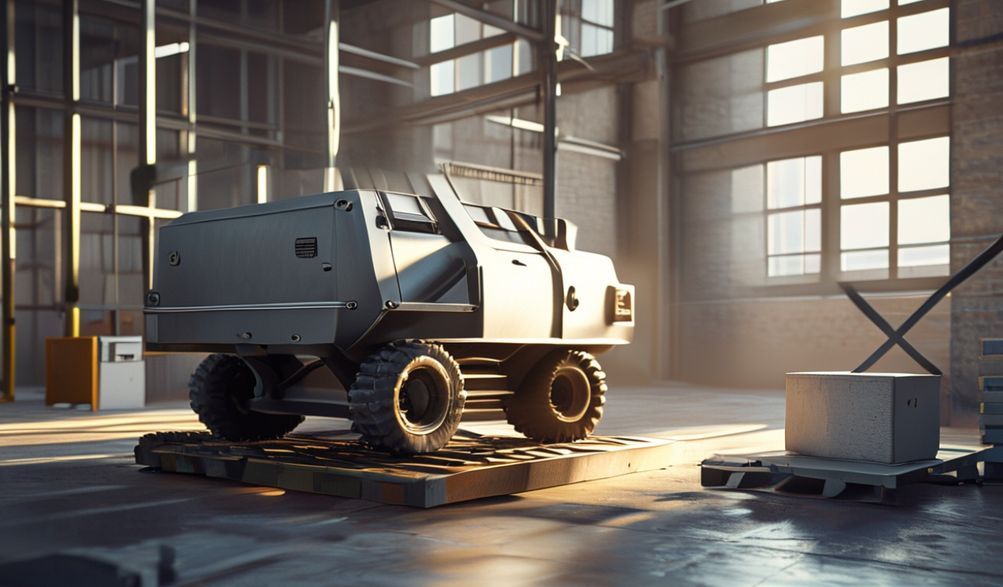
Jou Ultieme Gids vir Blokmaakmasjiene in die VK: Kollig op FUDA Fabriek
Inleiding
Die Britse konstruksiesektor is op 'n bestendige opwaartse trajek, aangevuur deur infrastruktuurprojekte, behuisingsbehoeftes en kommersiële ontwikkeling. In die hart van hierdie groei lê 'n kritiese, konstante behoefte aan betroubare, hoë-gehalte boumateriale. Betonblokke, die alomteenwoordige ruggraat van moderne konstruksie, is meer in aanvraag as ooit tevore.
Vir bouers, kontrakteurs en entrepreneurs bied hierdie vraag sowel 'n geleentheid as 'n uitdaging. Die verkryging van blokke ekstern kan lei tot versuimings in die voorsieningsketting, wisselende koste en wisselvallige kwaliteit. Baie kyk nou na binne, en oorweeg die strategiese skuif om hul eie te produseer. Die navigering van die mark vir blokvervaardigingstoerusting in die VK kan egter ontmoedigend wees. Die sleuteluitdagings? Om masjinerie te vind wat nie net koste-effektief en doeltreffend is nie, maar ook duursaam genoeg om streng gebruik te weerstaan en voldoen aan streng VK-regulasies.
Die oplossing lê in die belegging in 'n professionele graad blokmasjien. Dit is nie net 'n aankoop nie; dit is 'n strategiese besluit vir groter produktiwiteit, strenger kwaliteitsbeheer en langtermyn besigheidsveerkragtigheid. Wanneer jy vervaardigers verken, is een naam wat konsekwent op die globale verhoog verskyn die FUDA Blokmaakfabriek. Bekend vir robuuste ingenieurswese en 'n wye produkreeks, het FUDA sy aanbiedinge aangepas om aan die spesifieke vereistes en standaarde van die Britse mark te voldoen.
Hierdie gids dien as jou kundige, onbevooroordeelde hulpbron. Ons sal die tipes masjiene ontleed, die kritieke faktore vir Britse kopers ondersoek, en 'n gedetailleerde, deursigtige blik bied op wat die FUDA-fabriek bied, sodat jy 'n deeglik ingeligte beleggingsbesluit kan neem.
Verstaan van Blokmaakmasjiene: Tipes en Toepassings
Voordat jy belê, is dit noodsaaklik om die tegnologie en sy moontlikhede te verstaan. Hierdie grondliggende kennis skei 'n slim koper van 'n spekulatiewe een.
Hoe Werk Blokmaakmasjiene?
Kernsaaklik outomatiseer 'n blokmasjien die proses om rou betonmengsel in presiese, soliede boublokke te omskep. Die beginsel is konsekwent oor die meeste masjiene, hoewel die vlak van outomatisering verskil:
- Meng & Voer:'n Voorbereide droëmengsel beton (aggregaat, sand, sement) word in die masjien se hopper gelaai.
- Vorming:Die mengsel word in 'n vormkas gevoer. Die ontwerp van hierdie vorm bepaal die finale blok se vorm (hol, solied, plaveisel, ens.).
- Verdigting:Dit is die kritieke fase. ’n Kombinasie van vibrasie en hoë hidrouliese druk druk die mengsel dig in die vorm, verwyder lugsakke en verseker strukturele integriteit.
- Uitskiet & Uitharding:Die nuutgevormde, "groen" blok word op 'n pallet of die vloer uitgestoot. Dit ondergaan dan 'n verhardingsproses, wat gewoonlik die behoud van vog vir etlike dae behels, om sy volle sterkte te bereik.
Belangrike komponente waaroor jy sal hoor, sluit in die voerbunker, gietstelsel, hidrouliese kragpakket, vibrasiemotors en die programmeerbare logiese beheerder (PLC) wat dit alles orkestreer.
Sleutel Masjien Tipes vir VK Bedrywighede
Die keuse van die regte tipe masjien hang heeltemal af van jou voorsiene produksie, begroting en arbeidsmodel.
-
Handmatige & Semi-outomatiese Masjiene:
- Beste vir:Beginnende ondernemings, kleinskaalse projekte, gespesialiseerde produklyne (bv. dekoratiewe blokke), of besighede wat die mark toets.
- Operasie:Vereis meer handmatige ingryping vir die voer van die mengsel en die verwydering van voltooide blokke. Die verdigting word dikwels meganies of hidroulies aangedryf.
- Verenigde Koninkryk Oorweging:Ideaal waar arbeidskoste bestuur word en produksieruimte beperk is. Hulle verteenwoordig 'n laer aanvanklike kapitaaluitgawes.
-
Volledig Outomatiese Masjiene:
- Beste vir:Medium tot grootskaalse kommersiële produksie wat handelaars of groot projekte voorsien.
- Operasie:Dit is produksielyne. Hulle meng, voer, vorm, kompakteer en stapel blokke outomaties met minimale menslike toesig. Hulle integreer met palettoevoerders en stapelaars.
- Verenigde Koninkryk Oorweging:Die hoë uitset en konsekwentheid regverdig die belegging. Dit is noodsaaklik om op prys en volume in die breër mark mee te ding. Maak seker jou terrein het die nodige industriële kragtoevoer (tipies driefase).
-
Mobiele Blokmasjiene:
- Beste vir:Groot konstruksieterreine, soos nuwe behuisingslandgoedere of afgeleë infrastruktuurprojekte.
- Voordeel:Produseer blokke direk op die perseel, wat vervoerkoste en logistiek vir groot hoeveelhede materiaal aansienlik verminder. Hulle word dikwels op sleepwaens gemonteer.
- Verenigde Koninkryk Oorweging:Ideal vir ontwikkelaars met 'n meerjarige terreinplan. Oorweeg toegang, grondtoestande en berging van materiaal op die terrein.
Gewone Bloktipes Geproduseer
Moderne masjiene is veelsydig. Behalwe standaardblokke kan hulle 'n reeks hoë-aanvraag produkte vervaardig:
- Soliede & Hol Betonblokke:Die stapelvoedsel vir draende en skeidingsmure.
- Geplaveide Slytstene & Randstene:Vir landskap, opritte en siviele projekte.
- Inmekaar-sluitende Blokke:Gebruik vir keermure, vloedverdediging en opbergingsbakke sonder mortel.
- Spesialis Vorms: Including grass blocks (for permeable paving), chimney blocks, and architectural decorative blocks.
Why Choose a FUDA Block Making Machine for the UK Market?
FUDA has built its reputation on serving diverse international markets. Here’s how their approach aligns with the needs of a UK-based operation.
Engineering for Durability and UK Conditions
The UK’s variable climate, with its dampness and potential for cold temperatures, demands robust equipment.
* Swaar-Konstruksie: FUDA machines are built with high-grade steel at critical stress points, designed to endure the constant vibration and pressure of block production.
* Corrosion Resistance: Look for powder-coated finishes and treatments on frames and components to combat moisture, a vital feature for machines operating in open-sided sheds or across seasons in the UK.
* Komponentkwaliteit: The use of reputable brand hydraulics, motors, and PLCs (e.g., Siemens, Schneider) is a sign of a machine built for longevity, not just a low sticker price.
Focus on Efficiency and Output
Profitability hinges on output per hour and operational cost.
* Fast Cycle Times: Efficient hydraulic systems and mold design allow for quicker block formation and ejection, maximising daily production.
* Multi-Holte Vorms: Many FUDA models can produce multiple blocks (e.g., 4, 6, 10) per machine cycle, significantly boosting output without increasing machine footprint.
* Low Waste & Energy Efficiency: Precise mix feeding and compaction reduce material waste. Modern, well-calibrated hydraulic systems are designed to be energy efficient, a key factor given UK industrial electricity costs.
Versatility and Customisation
Your product line may need to evolve.
* Verwisselbare Vorms: The ability to switch molds allows one machine to produce different block types, from standard 100mm solids to 200mm hollow blocks or paving flags.
* Custom Mold Development: For unique architectural or civil specifications, FUDA can often engineer custom molds. This is a significant advantage for businesses targeting niche markets or fulfilling specific contract requirements.
Technological Integration
Ease of use and safety are non-negotiable.
* User-Friendly PLC Controls: Touchscreen panels allow operators to set parameters, monitor production, and diagnose issues. Clear fault displays minimise downtime.
* Safety Features: Integrated safety guards, emergency stop buttons, and hydraulic safety locks are standard on professional machines, helping you comply with UK workplace HSE regulations from day one.
* System Integration: Machines can be designed to connect with automated batching plants and robotic pallet stackers, creating a seamless production line.
Critical Factors for UK Buyers: Beyond the Machine
The machine’s price tag is just the beginning. Your due diligence here separates a successful investment from a costly mistake.
Navigating UK Regulations and Standards
Compliance is legal and commercial necessity.
* CE/UKCA Marking: This is mandatory. It certifies the machine meets the essential health and safety requirements of the Machinery Directive (2006/42/EC). Never purchase a machine without this certification. A reputable manufacturer like FUDA will provide full documentation.
* Noise and Vibration: Ensure the machine’s specifications are within acceptable limits for an industrial workplace, considering both operator health and potential site neighbour issues.
* Electrical Compliance: The machine must be supplied wired for UK voltage standards (typically 400V 3-phase) or easily adaptable by a qualified UK electrician.
Totale Eienaarskapskoste-analise
Think in terms of total investment over 5-10 years.
* Upfront Costs: Machine price + shipping (CIF/FOB terms matter) + UK import duty and VAT (currently 20%) + delivery to your site.
* Setup Costs: Foundation preparation (a level, reinforced concrete pad is typical), electrical connection by a certified engineer, and possible crane hire for installation.
* Ongoing Costs: Regular maintenance (filters, hydraulic oil), wear parts (mold liners, vibration motors), energy consumption, and labour.
* The Value Proposition: A slightly more expensive, well-built machine with lower failure rates and higher efficiency will almost always outperform a cheaper alternative in the long run.
After-Sales Support: Your UK Lifeline
This is the single most critical factor in your decision. A machine without support is a future paperweight.
* Plaaslike Tegniese Ondersteuning: Does FUDA have a dedicated UK agent or partner with engineers who can provide phone support and, if needed, site visits? What are the response time guarantees?
* Onderdele Beskikbaarheid: Are common wear parts (seals, bearings, liner plates) held in UK stock? If not, what is the typical shipping time from the factory? A reliable parts pipeline is essential for minimising downtime.
* Omvattende Opleiding: What training is provided? It should cover operation, routine maintenance, basic troubleshooting, and safety procedures. Is it on-site, at the factory, or via detailed video manuals?
* Warranty Terms: Get the warranty terms in writing. What is covered (parts, labour)? How long does it last? What is the process for making a claim?
The FUDA Factory Advantage: A Closer Look
Let’s examine the manufacturer’s credentials and the practical journey of procurement.
Manufacturing Expertise and Quality Control
FUDA operates as a full-scale manufacturing facility, not just an assembler.
* In-House Production: Controlling the production of key components like mold boxes and frames allows for stricter quality oversight.
* Streng Toetsing: Machines should undergo running tests before shipment. Inquire about their quality control protocols—do they test hydraulic pressure, vibration frequency, and control system sequences?
* Navorsing en Ontwikkeling Investering: A manufacturer that invests in research and development is more likely to offer modern, efficient technology. Ask about recent innovations in their model range.
Global Reputation and UK References
A global footprint indicates experience, but local proof is king.
* Export History: FUDA’s presence in multiple continents suggests an ability to adapt machinery to different market standards.
* The Crucial Step – Verification: You must seek and verify UK-based references. A credible supplier should be able to connect you with existing UK customers. Ask those customers pointed questions about machine reliability, output accuracy, and, most importantly, the quality of after-sales support. If possible, arrange to visit a working FUDA machine in the UK.
The Procurement Process: From Inquiry to Installation
Understanding this flow prevents surprises.
1. Consultation: Provide details on your desired output, block types, and site specifications.
2. Quotation: You should receive a detailed quote including machine specs, optional extras, shipping terms (e.g., FOB Shanghai), and a proposed delivery timeline.
3. Order & Payment: Terms are agreed upon (often a deposit followed by balance before shipment).
4. Manufacturing & Pre-Shipment Testing: The machine is built and tested. Request photos or video of the final product before it’s crated.
5. Shipping & Customs: The machine is shipped. As the UK importer, you or your agent will handle customs clearance and pay due taxes.
6. Delivery & Installation: The machine is delivered to your site. Clarify in advance: will a FUDA engineer supervise installation and commissioning, or will you need to hire a local specialist with the provided manuals?
Frequently Asked Questions (FAQ)
What is the lead time for a FUDA machine to be delivered to the UK?
Lead times vary. A standard model might be shipped in 4-6 weeks, while a fully customised line could take 8-12 weeks. Factor in an additional 2-4 weeks for sea freight and customs clearance. Always get a written timeline estimate.
Can FUDA machines use UK-standard raw materials (aggregates, cement)?
Yes, they are designed to be adaptable. However, the optimal mix design (cement-to-aggregate ratio, moisture content) is crucial for block quality and machine performance. FUDA should provide baseline mix guidelines, but you may need to fine-tune it with your local materials.
Who will install and commission the machine in the UK?
This must be clarified in your contract. Options include: FUDA sending an engineer, their UK agent providing the service, or you hiring a qualified local engineer using FUDA’s comprehensive installation manual. The first option, while potentially an extra cost, is often the smoothest.
How do I source spare parts once the machine is in the UK?
Establish the process before buying. Ideally, a UK-based agent holds common parts. If not, you’ll order directly from the factory. Ask for a list of common wear parts and their estimated lifespans to help you plan and budget.
What training is provided for my operators?
Training should be comprehensive. It often includes detailed operation manuals, instructional videos, and, ideally, on-site training during commissioning covering daily operation, lubrication, routine maintenance, and safety procedures.
Are there any grants or financing options available in the UK for this equipment?
This is outside a manufacturer’s direct scope. However, investing in capital equipment for business growth may qualify for government-backed schemes or finance leases. We strongly recommend consulting with a UK business advisor, accountant, or specialist equipment finance broker to explore options.
Conclusion
Selecting a block making machine for your UK operation is a significant strategic investment. The decision must balance upfront cost with long-term durability, efficiency, and crucially, the quality of after-sales support. It’s about finding a partner in production, not just a supplier of machinery.
FUDA Block Making Factory presents itself as a viable contender, with its engineering focus on robust construction, efficiency, and versatility. Their experience in international markets suggests an ability to meet varied demands. However, the cornerstone of a successful purchase for any UK buyer is verifiable, on-the-ground support.
Therefore, your final step must be one of thorough due diligence. Request detailed specifications and a full breakdown of all costs. Get all support promises—response times, parts availability, warranty—in writing. Most importantly, act on the advice to seek out and speak directly with existing UK customers. Their firsthand experience is the most valuable specification sheet you can read.
Ready to take the next step? Contact a FUDA representative with your specific project requirements, and be sure to ask for a detailed proposal alongside references from their current UK client base.
<