
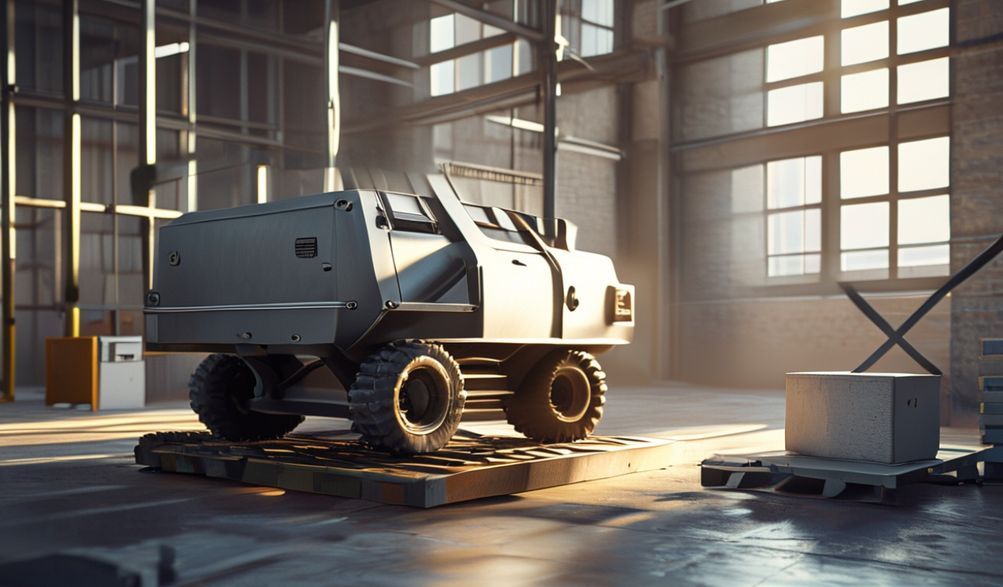
Hagahaada Ugu Wanaagsan ee Makiinadaha Sameynta Boodhka ee UK: Dhalaalaya FUDA Factory
Hordhac
Qeybta dhismaha ee UK waxay si joogto ah u koraysaa, taas oo ay gacan ka geysanayaan mashruucyada dhismaha, baahiyaha guryaha, iyo horumar ganacsi. Dhexda koritaankan waxaa ku jira baahida muhiimka ah ee joogtada ah ee alaab-qeybiyeyaasha dhismaha lagu kalsoonaan karo oo tayo sare leh. Boodhadhka simenti, oo ah xididka caadiga ah ee dhismaha casriga ah, waxaa laga baahan yahay wakhtiyadan inta badan.
Dhismayaalayaasha, kafileyaasha, iyo ganacsatada, baahidan waxay u soo bandhigtay fursad iyo caqabad. Soo saarista blookyada dibedda ah waxay keeni karta dib u dhaca silsiladda wax soo saarka, kharashyo kala duwan, iyo tayo kala geddisan. Badan baa hadda fiirista gudaha, ayagoo ka fikirista tallaabada hagar la'aan ee u soo saarista kuwa ay leeyihiin. Si kastaba ha ahaatee, dhaqdhaqaaqa suuqa qalabka sameynta blookyada ee UK waxay noqon kartaa mid cabsi gelinaya. Caqabadaha muhiimka ah? Waa in la helo mashiinno aan oo keliya ahayn kuwo qiimo jaban oo waxtar leh, laakiin sidoo kale kuwo adag oo u qalma isticmaalka xooggan iyo kuwo u hoggaansan xeerarka adag ee UK.
Xalku waxa uu ku jiraa maalgashada makiinada sameynta birta heerka xirfadeed. Tani ma iib kaliye ahayn; waa go’aan siyaasadeed oo loo qaado si loo helo wax soo saar dheeraad ah, xakamaynta tayada si adag, iyo adkaysi ganacsi oo muddo dheer. Marka la baarayo warshadaha, magac ka mid ah oo si joogto ah u soo baxa heerka caalamka waa Warshadaha Sameynta Birta FUDA. Loo yaqaan 'handasaadka xooggan' iyo kala duwanaanshaha wax soo saarka, FUDA waxay u habaysiiyay wax soo saaradeeda si ay ula macaamilaato baahiyaha iyo heerarka gaarka ah ee suuqa UK.
Tilmaamahan waa ilo aad u khabiir ah oo aan dan lahayn. Waxaan ku faahfaahin doonaa noocyada mashiinnada, waxaanu si qoto dheer u eegi doonaa arrimaha muhiimka ah ee ay leeyihiin iibsadayaashu UK, waxaana si faahfaahsan, cad ah ugu soo bandhigi doonnaa waxa ay warshadda FUDA siisay, si aad ugu xoojiso go’aankaaga maalgelinta oo aad ugu talo galato.
Fahamka Makiinadaha Sameynta Blookada: Noocyada iyo Codsiyada
Ka hor inta aadan maal gelin, waxaa muhiim ah inaad fahanto teknolojiyada iyo awooddeeda. Aqoonta aasaasiga ah ayaa kala saarta iibsade fahamsan iyo mid dharbaaxan.
Sidee U Shaqeeyaan Makiinadaha Sameynta Biriqyo?
Qeybta aasaasiga ah, makiinada sameynta bulookada waxay u dhaqaaqdaa habka uu cunnooyinka simento ee dabiiciga ah ugu beddelo bulooko dhismo oo adag oo sax ah. Mabaadi'da ayaa isku mid ah makiinada intiisa badan, inkasta oo heerka u dhaqaaqdaa uu kala duwan yahay:
- Isku Dhafka & Quudinta:Qalabka dhismaha ee la diyaariyay (dhagax, ciid, siman) ayaa lagu shubay hopperka mashiinka.
- Qaab-dhismeedka:Waxaa lagu dhejiyaa sanduuqa qalabka. Qaabka qalabkan ayaa go'aamiya qaabka ugu dambeeya ee boolka (dillaac, adag, fadhiga, iwm).
- Daboolid:Tani waa heerka muhiimka ah. Isku-darka gariirka iyo cadaadiska sare ee biyaha ayaa ku qasbaa isku-darka si qoto dheer galay qaabka, ka saaraya hawooyinka iyo hubinta qaab dhismeedka.
- Bixinta & Daawaynta: The newly formed, “green” block is ejected onto a pallet or the floor. It then undergoes a curing process, typically involving moisture retention for several days, to reach its full strength.
Key components you’ll hear about include the feed hopper, mold system, hydraulic power pack, vibration motors, and the programmable logic controller (PLC) that orchestrates it all.
Key Machine Types for UK Operations
Choosing the right type of machine depends entirely on your projected output, budget, and labour model.
-
Qalabka Gacanta iyo Kuwo Nus-otomaatik ah:
- Ugu Fiican: Startups, small-scale projects, specialist product lines (e.g., decorative blocks), or businesses testing the market.
- Hawlgalka: Require more manual intervention for feeding mix and removing finished blocks. The compaction is often mechanically or hydraulically powered.
- UK Consideration: Ideal where labour costs are managed and production space is limited. They represent a lower initial capital outlay.
-
Makiinadaha Tooska ah ee Si Fudud:
- Ugu Fiican: Medium to large-scale commercial production supplying merchants or large projects.
- Hawlgalka: These are production lines. They automatically mix, feed, mold, compact, and stack blocks with minimal human oversight. They integrate with pallet feeders and stackers.
- UK Consideration: The high output and consistency justify the investment. They are essential for competing on price and volume in the wider market. Ensure your site has the necessary industrial power supply (typically three-phase).
-
Mashinooyinka Block-ka Mobilada:
- Ugu Fiican: Large construction sites, like new housing estates or remote infrastructure projects.
- Faa'iido: Produce blocks directly on-site, dramatically reducing transport costs and logistics for large quantities of material. They are often mounted on trailers.
- UK Consideration: Perfect for developers with a multi-year site plan. Consider access, ground conditions, and on-site material storage.
Noocyada Guud ee La Soo Saaro
Modern machines are versatile. Beyond standard blocks, they can produce a range of high-demand products:
- Qoryaha Siman ee Buuxa iyo Kuwa Dhexdooda Madhan: The staple for load-bearing and partition walls.
- Paving Slabs & Kerbstones: For landscaping, driveways, and civil projects.
- Guddiyo Isku-xidhan: Used for retaining walls, flood defences, and storage bays without mortar.
- Specialist Shapes: Including grass blocks (for permeable paving), chimney blocks, and architectural decorative blocks.
Why Choose a FUDA Block Making Machine for the UK Market?
FUDA has built its reputation on serving diverse international markets. Here’s how their approach aligns with the needs of a UK-based operation.
Engineering for Durability and UK Conditions
The UK’s variable climate, with its dampness and potential for cold temperatures, demands robust equipment.
* Dhismaha Culus: FUDA machines are built with high-grade steel at critical stress points, designed to endure the constant vibration and pressure of block production.
* Iska Caabbinta Daxalka Look for powder-coated finishes and treatments on frames and components to combat moisture, a vital feature for machines operating in open-sided sheds or across seasons in the UK.
* Tayada Qaybaha The use of reputable brand hydraulics, motors, and PLCs (e.g., Siemens, Schneider) is a sign of a machine built for longevity, not just a low sticker price.
Focus on Efficiency and Output
Profitability hinges on output per hour and operational cost.
* Fast Cycle Times: Efficient hydraulic systems and mold design allow for quicker block formation and ejection, maximising daily production.
* Multi-Cavity Molds: Many FUDA models can produce multiple blocks (e.g., 4, 6, 10) per machine cycle, significantly boosting output without increasing machine footprint.
* Low Waste & Energy Efficiency: Precise mix feeding and compaction reduce material waste. Modern, well-calibrated hydraulic systems are designed to be energy efficient, a key factor given UK industrial electricity costs.
Versatility and Customisation
Your product line may need to evolve.
* Interchangeable Molds: The ability to switch molds allows one machine to produce different block types, from standard 100mm solids to 200mm hollow blocks or paving flags.
* Custom Mold Development: For unique architectural or civil specifications, FUDA can often engineer custom molds. This is a significant advantage for businesses targeting niche markets or fulfilling specific contract requirements.
Technological Integration
Ease of use and safety are non-negotiable.
* User-Friendly PLC Controls: Touchscreen panels allow operators to set parameters, monitor production, and diagnose issues. Clear fault displays minimise downtime.
* Safety Features: Integrated safety guards, emergency stop buttons, and hydraulic safety locks are standard on professional machines, helping you comply with UK workplace HSE regulations from day one.
* System Integration: Machines can be designed to connect with automated batching plants and robotic pallet stackers, creating a seamless production line.
Critical Factors for UK Buyers: Beyond the Machine
The machine’s price tag is just the beginning. Your due diligence here separates a successful investment from a costly mistake.
Navigating UK Regulations and Standards
Compliance is legal and commercial necessity.
* CE/UKCA Marking: This is mandatory. It certifies the machine meets the essential health and safety requirements of the Machinery Directive (2006/42/EC). Never purchase a machine without this certification. A reputable manufacturer like FUDA will provide full documentation.
* Noise and Vibration: Ensure the machine’s specifications are within acceptable limits for an industrial workplace, considering both operator health and potential site neighbour issues.
* Electrical Compliance: The machine must be supplied wired for UK voltage standards (typically 400V 3-phase) or easily adaptable by a qualified UK electrician.
Total Cost of Ownership Analysis
Think in terms of total investment over 5-10 years.
* Upfront Costs: Machine price + shipping (CIF/FOB terms matter) + UK import duty and VAT (currently 20%) + delivery to your site.
* Setup Costs: Foundation preparation (a level, reinforced concrete pad is typical), electrical connection by a certified engineer, and possible crane hire for installation.
* Ongoing Costs: Regular maintenance (filters, hydraulic oil), wear parts (mold liners, vibration motors), energy consumption, and labour.
* The Value Proposition: A slightly more expensive, well-built machine with lower failure rates and higher efficiency will almost always outperform a cheaper alternative in the long run.
After-Sales Support: Your UK Lifeline
This is the single most critical factor in your decision. A machine without support is a future paperweight.
* Taageerada Farsamada ee Degmada Does FUDA have a dedicated UK agent or partner with engineers who can provide phone support and, if needed, site visits? What are the response time guarantees?
* La Helitaanka Qaybaha Gadaal Are common wear parts (seals, bearings, liner plates) held in UK stock? If not, what is the typical shipping time from the factory? A reliable parts pipeline is essential for minimising downtime.
* Tababarka Guud What training is provided? It should cover operation, routine maintenance, basic troubleshooting, and safety procedures. Is it on-site, at the factory, or via detailed video manuals?
* Warranty Terms: Get the warranty terms in writing. What is covered (parts, labour)? How long does it last? What is the process for making a claim?
The FUDA Factory Advantage: A Closer Look
Let’s examine the manufacturer’s credentials and the practical journey of procurement.
Manufacturing Expertise and Quality Control
FUDA operates as a full-scale manufacturing facility, not just an assembler.
* In-House Production: Controlling the production of key components like mold boxes and frames allows for stricter quality oversight.
* Tijaabada Qoto Dheer Machines should undergo running tests before shipment. Inquire about their quality control protocols—do they test hydraulic pressure, vibration frequency, and control system sequences?
* Maalgashiga Cilmi-baarista iyo Horumarinta A manufacturer that invests in research and development is more likely to offer modern, efficient technology. Ask about recent innovations in their model range.
Global Reputation and UK References
A global footprint indicates experience, but local proof is king.
* Export History: FUDA’s presence in multiple continents suggests an ability to adapt machinery to different market standards.
* The Crucial Step – Verification: You must seek and verify UK-based references. A credible supplier should be able to connect you with existing UK customers. Ask those customers pointed questions about machine reliability, output accuracy, and, most importantly, the quality of after-sales support. If possible, arrange to visit a working FUDA machine in the UK.
The Procurement Process: From Inquiry to Installation
Understanding this flow prevents surprises.
1. Consultation: Provide details on your desired output, block types, and site specifications.
2. Quotation: You should receive a detailed quote including machine specs, optional extras, shipping terms (e.g., FOB Shanghai), and a proposed delivery timeline.
3. Order & Payment: Terms are agreed upon (often a deposit followed by balance before shipment).
4. Manufacturing & Pre-Shipment Testing: The machine is built and tested. Request photos or video of the final product before it’s crated.
5. Shipping & Customs: The machine is shipped. As the UK importer, you or your agent will handle customs clearance and pay due taxes.
6. Delivery & Installation: The machine is delivered to your site. Clarify in advance: will a FUDA engineer supervise installation and commissioning, or will you need to hire a local specialist with the provided manuals?
Su'aalaha Inta Badan La Is Weydiiyo (FAQ)
What is the lead time for a FUDA machine to be delivered to the UK?
Lead times vary. A standard model might be shipped in 4-6 weeks, while a fully customised line could take 8-12 weeks. Factor in an additional 2-4 weeks for sea freight and customs clearance. Always get a written timeline estimate.
Can FUDA machines use UK-standard raw materials (aggregates, cement)?
Yes, they are designed to be adaptable. However, the optimal mix design (cement-to-aggregate ratio, moisture content) is crucial for block quality and machine performance. FUDA should provide baseline mix guidelines, but you may need to fine-tune it with your local materials.
Who will install and commission the machine in the UK?
This must be clarified in your contract. Options include: FUDA sending an engineer, their UK agent providing the service, or you hiring a qualified local engineer using FUDA’s comprehensive installation manual. The first option, while potentially an extra cost, is often the smoothest.
How do I source spare parts once the machine is in the UK?
Establish the process before buying. Ideally, a UK-based agent holds common parts. If not, you’ll order directly from the factory. Ask for a list of common wear parts and their estimated lifespans to help you plan and budget.
What training is provided for my operators?
Training should be comprehensive. It often includes detailed operation manuals, instructional videos, and, ideally, on-site training during commissioning covering daily operation, lubrication, routine maintenance, and safety procedures.
Are there any grants or financing options available in the UK for this equipment?
This is outside a manufacturer’s direct scope. However, investing in capital equipment for business growth may qualify for government-backed schemes or finance leases. We strongly recommend consulting with a UK business advisor, accountant, or specialist equipment finance broker to explore options.
Gabagabo
Selecting a block making machine for your UK operation is a significant strategic investment. The decision must balance upfront cost with long-term durability, efficiency, and crucially, the quality of after-sales support. It’s about finding a partner in production, not just a supplier of machinery.
FUDA Block Making Factory presents itself as a viable contender, with its engineering focus on robust construction, efficiency, and versatility. Their experience in international markets suggests an ability to meet varied demands. However, the cornerstone of a successful purchase for any UK buyer is verifiable, on-the-ground support.
Therefore, your final step must be one of thorough due diligence. Request detailed specifications and a full breakdown of all costs. Get all support promises—response times, parts availability, warranty—in writing. Most importantly, act on the advice to seek out and speak directly with existing UK customers. Their firsthand experience is the most valuable specification sheet you can read.
Ready to take the next step? Contact a FUDA representative with your specific project requirements, and be sure to ask for a detailed proposal alongside references from their current UK client base.
<