
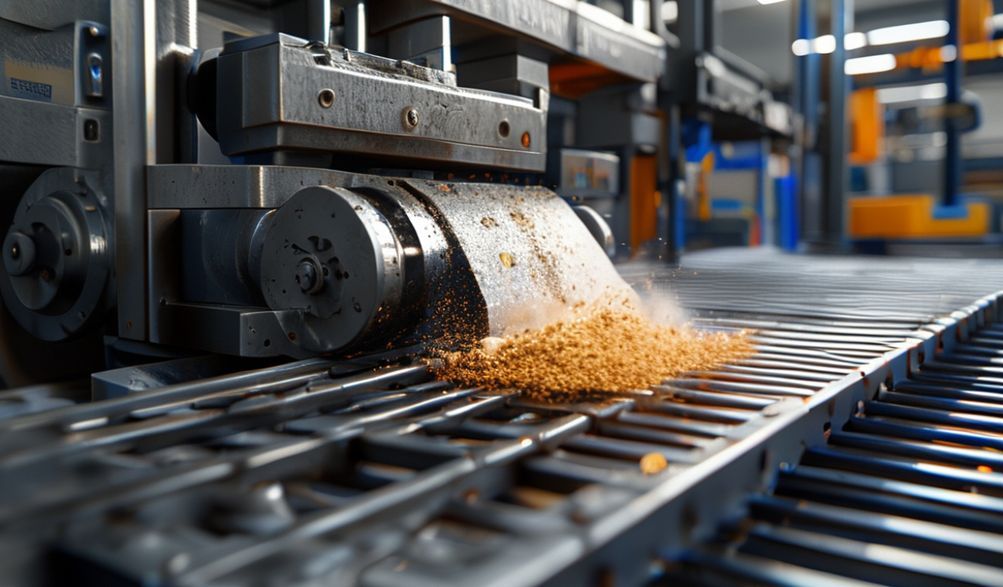
Dulmar Dhexdiisa: Muuqaalka Mashinka Sameynta Boodhka ee Warshada Boodhka FUDA
Dhismayaal, kafileel, iyo ganacsato, raadinta qalabka dhismaha saxda ah waa layli khatar ah. Waxaad ku dhex milmeysaa qiimaha hore, wax-soo-saarka muddada dheer, iyo cadaadiska aan dhammaad lahayn ee in la qabto mashruucyada waqtigii loo qoondeeyay iyo miisaaniyadii loo qorsheeyay. Warqadaha faahfaahinta ayaa ka buuxa tilmaamo yaab leh, laakiin badanaa waxay ka tagaan su'aal muhiim ah oo aan la jawaabin: "Sidee ayuu qalabkani u shaqeyn doonaa..."dhab ahaanma ahaa kuwa ku shaqeeya goobta dhabta ah, maalin kasta, hawsha maalmeedka?
Qoraalkan wuxuu ka hadlaa arrimaha muhiimka ah. Waxaan bixineynaa faallo gaar ah oo faahfaahsan oo ku salaysan.fiidiyo makiinada sameynta bulookadakaWarshada Qorista Lebiska FUDAUjeedadeena ma aha in aan ku geynno mashiin, ee waxaan kuu siinaynaa faham dhab ah. Iyadoo aan isticmaalno shax macalin oo ku saabsan sawirro dhab ah oo warshadeed, waxaan u turjumi doonnaa caddaymo muuqaal ah si loo fahmo wax lagu qabanayo, taasoo ku caawinaysa inaad go'aansato ku saleysan muuqaal muuqaal ah, aan ahayn ballan qaadyo kaliya. Waxaad baran doontaa waxa aad raadinayso fiidiyo warshad kasta, waxaad heli doontaa qayb farsamo oo ku saabsan mashiinka FUDA oo firfircooni, waxaana aad ogaandoontaa talaabooyinka muhiimka ah ee xaqiijinta ee soo socda.
Maxaad u Muhiimsan Tahay Falanqaynta Fiidiyowga Markaad Xulayso Mashinka Sameynta Bileydka
Wax soo saar ganacsi oo qalabku uu yahay maalgelin muhiim ah, baaritaan la taaban karo ma aha mid la iska dhaafi karo. In kasta oo warqooyinka tilmaamuhu bixiyaan saldhig loo baahan yahay, waxay yihiin sawir laba-geesood ah oo laga qaaday hab saddex-geesood ah oo kacsan. Falanqaynta fiidiyowga ayaa buuxiya farqigan, ku beddelaya adiga ka dibiiriye joogto ah oo xogta laga fiiriyo ilaa kormeer firfircoon oo waxqabadka la sameeyo.
Ka Dib Buug-yada: Aragtida ayaa Rumaysa
Warqad warbaahin ayaa ku sheegi kartaa waqti wareeg ah 20 ilbiriqsi. Muuqaal ayaa ku tusaya haddii waqtigaas wareeggu uu si joogto ah ugu socdo 50 wareeg ama haddii uu isbeddelo iyadoo la kaashanayo hawlwadeenka. Waxay muujisaa habka mashiinku u dhaqmo – jilbaha isku dhafan ee macaan (ama talaabooyinka jaban ee shaki ku jiro) ee u dhexeeya soo daliinta, qaabeynta, adkeysiga, iyo saaridda.
Xaddidada muhiimka ah ee macluumaadka joogtada ah ee muuqaalku ka gudbo:
* Hagaajinta Habka Hawlaha:Mashinadu sidee ku haboon tahay taxanaha wax soo saarka? Ma hufan tahay qaadista alaabta, mise waxaa jira dhibaatooyin cad oo ka dhexeeya?
* Tayada Soo saarka Dhabta ah:Waxaad aragtaa bulookada marka la saaro. Miyay qaabkooda haystaan? Miyay dusha sare u qurux badan tahay iyo geesaha u dhuuban yihiin?
* Fudaydda Hawlgalka:Ku soco isticmaalaha isdhexgalka. Ma shaybaanka maamulka wuxuu u muuqdaa mid fudud? Ma qaadista gacanta waa mid dhib badan mise yar?
Tilmaamaha Waxqabadka ee Loo Baahan Yahay in La Fiiriyo Muuqaalka Giddi Wax-soo-saarka
Marka aad daawato fiidiyow beerooleed, ha daawan oo keliya mashiinka—la tijaabiyo. Baro indhahaaga inay raadiyaan tilmaamaha muhiimka ah ee soo socda:
- Waqtiga Wareegga Isku Midka Ah:Waqti ku celceli dhowr jeer socod. Isku dhacaan ayaa ka muujin karaa dhibaatooyinka nidaamka maamulka ama dhibaatooyinka soo saarista qalabka.
- Gariir & Xasiloonida:Mishiinka miyuu gariir gariirsan yahay, mise gariirkaas la xakameeyay oo kooban qalabka? Isbeddelka qaabka oo aad u badan waxay muujin kartaa naqsi ama qaab dhismeed xun.
- Alaabta La Dhameeyay Markaad Ka Baxdo:Jooji fiidiyowga marka la tuuro bulookada. Raadi:
- Qaab dhismeedka (aan la dumin ama jaro).
- Qulqulka cabbirka ah ee dhammaan godadka qolka.
- Qalooc, qumman oo qeexan geesaha iyo xaglooyinka.
- Shaqada IsgaadhistaWaa immisa shaqaalaha ku hawlan? Ma waxay sameynayaan ilaalin fudud ama shaqo adag oo gacanta?
Faahfaahin Sawirada: Mashinka Abuurista Boodhka FUDA Oo Shaqeynaysa
Aan ku dhaqaaqno qaabkan falanqaynta ku saabsan mid caadi ah oo...fiidiyo makiinada sameynta bulookadalaga soo bilaashoWarshada Qorista Lebiska FUDAWaxaanu kala soocaynaa habka laga soo gaaro qalabka bilaa ah ilaa baraha la dhammeeyay.
Qalabka Mashinka: Qaabka iyo Qeexitaannada Xoogga
Marka laga reebo qaababka gaar ah, FUDA waxay inta badan ku jirtaa qaababka naafada iyo kuwa si toos ah u shaqeeya sida QT4-25 ama QT6-15 oo lagu bandhigo bandhigyadooda. Muuqaal caadi ah oo laga heli karo, waxaan ka soo qaadi karnaa sifadaha muhiimka ah:
- Noqo:Waxaa laga yaabaa inay tahay makiinad xoog leh oo joogto ah oo gariir sarreeya leh (heer caadi ah oo loogu talagalay buraashad tayo sare leh ee buundooyinka adag/faaruqa).
- Wax Soo SaarkaKu xisaabinta nooca qalabka, wax soo saarka ayaa ka kala duwan kara 1,500 ilaa 6,000 oo kuub caadi ah ku dhawrka 8 saac ee shaqada.
- Heerka Automationka: Videos often show a semi-automatic system, where an operator initiates the cycle and may handle raw material feeding, but the molding, compaction, and ejection are automated.
- Kala duwanaanshaha Block-ka These machines typically use interchangeable molds to produce a range of products: solid blocks, hollow blocks, paving stones, and curbstones.
The Raw Material Process: From Mix to Hopper
The journey begins before the machine. In a well-organized factory like FUDA’s, you’ll see:
- Raw Material Storage: Bins or sacks of cement, fly ash (a common eco-friendly additive), and aggregates (sand, stone chips).
- Isku-dhafka: A separate mixer (pan or planetary) combines materials with water to achieve a uniform, semi-dry concrete consistency. This mix is critical—too wet, and blocks slump; too dry, and they won’t compact properly.
- Cunto-siin: The mixed material is conveyed or fed into the block machine’s hopper. In the video, note the consistency of the feed. A steady, uninterrupted flow is a sign of good material preparation and hopper design.
The Heart of the Operation: Molding and Compaction
This is the core of the fiidiyo makiinada sameynta bulookada. The hopper feeds material into the mold chamber on a steel pallet. Then, a two-stage process begins:
- Gariir High-frequency, directed vibrations fluidize the concrete mix, allowing it to flow into every corner of the mold cavity. This ensures density and eliminates air pockets.
- Waxaad ku dhejin kartaa: A hydraulic ram then applies substantial downward pressure (measurable in tons) to the material. This simultaneous vibration and pressure is what creates a densely compacted, strong block with a smooth surface finish.
What to observe: The stability of the mold table during this phase. Effective vibration should be intense but contained, not causing the entire machine frame to shudder.
Ejection and Handling: Assessing Stability and Finish
After compaction, the mold rises, leaving the freshly formed blocks on the steel pallet. This is a telling moment.
- Ku bixid: The pallet, with blocks, is smoothly transferred out of the press area. A well-tuned machine does this without any jarring that could damage the green (uncured) blocks.
- Initial Quality Check: At this point, you can visually assess:
- Edge Sharpness: Blocks should have clean, 90-degree edges.
- Qaabka Dhulka: Top and bottom surfaces should be smooth and even.
- Qaabka Dhismaha: No cracks or deformities should be visible.
- Handling: The pallet is then moved by a forklift or roller conveyor to a curing area. This highlights the need for a logical factory layout to support the machine’s output.
Expertise Insights: What This FUDA Machine Video Tells Us About Quality
Translating observations into insights separates casual viewing from expert analysis. Here’s what a detailed look at the FUDA operation suggests.
Design Features for Efficiency and Durability
- Dhismeedka Adag: The machine frame visible in these videos is typically made from heavy-duty steel plates and profiles, designed to withstand constant vibration. Look for clean, substantial welds.
- Nidaamka Maamulka: The operator panel is usually centralized and accessible. While we can’t see the software, the repetitive, consistent cycle suggests reliable PLC (Programmable Logic Controller) automation.
- Integration Focus: The fact that the video shows material handling and curing hints at FUDA’s understanding that a machine is part of a system, not an isolated island.
Output Quality Analysis from the Video Feed
Zooming in on the finished product in the video reveals key quality markers:
- Qeybinta Cabbirka: Blocks appear uniform in size, suggesting precise mold machining and stable vibration.
- Isku xigxiga: From the first block to the last in a batch, there is no visible deviation in form or finish, indicating a stable and repeatable process.
- Surface Density: The blocks have a sheen of cement paste on the surface, a sign of good compaction that leads to higher strength and better weather resistance.
Comparative Context: How This Machine Stacks Up
A balanced view is essential. Based on typical FUDA factory videos:
- Potential Strengths:
- Simplicity & Reliability: The semi-automatic operation is less complex than a fully robotic line, which can mean easier maintenance and lower initial cost.
- Solid Output Quality: The core vibration and hydraulic process appears effective for producing standard construction blocks.
- System Awareness: Demonstrating the production line context is a mark of a knowledgeable manufacturer.
- Questions for Further Inquiry:
- Long-Term Wear: How accessible are key wear parts like mold liners, vibration motors, and hydraulic seals?
- Noise and Dust: The video may not convey operational noise levels or dust generation, important for workshop planning.
- Changeover Time: How long does it take to switch molds for a different block product?
Trust and Verification: Next Steps After Watching a Factory Video
A compelling factory video is an excellent first step, but it is just the beginning of your verification process. Here’s how to build on that foundation.
Questions to Ask the Manufacturer (Like FUDA)
When you contact FUDA or any manufacturer, use this checklist. Their willingness and ability to answer thoroughly is a major trust signal.
- Specifications & Performance: “Can you provide a certified test report for the compressive strength of blocks produced by this specific model?”
- Support & Warranty: “What is the detailed warranty coverage? What is your guaranteed response time for technical support?”
- Logistics & Parts: “What is the lead time for critical spare parts? Do you provide a recommended spare parts list for the first two years of operation?”
- Xaqiijinta: “Can you connect me with a current customer in a region with similar climate/raw materials to mine?”
The Importance of Factory Visits and Customer Testimonials
- The Gold Standard: A Physical Visit. If the investment is significant, arrange a factory visit. It allows you to inspect build quality up close, hear the machine run, and gauge the company’s operational culture.
- Virtual Alternative: If travel isn’t feasible, request a live video tour or a video call with their technical team.
- Seek Independent Voices: Search for reviews and videos not published by the manufacturer. Forum discussions, LinkedIn testimonials, and YouTube videos from factory tour vloggers can provide unfiltered perspectives.
Su'aalaha Inta Badan La Is Weydiiyo (FAQ)
Q1: What is the estimated production capacity of the FUDA block machine shown in the video?
A: Based on common models like the QT4-25 featured in many videos, capacity can range from approximately 3,000 to 5,000 standard blocks per 8-hour shift, depending on block type and operator efficiency. Always confirm the exact model number with the factory for precise, guaranteed output figures.
Q2: Can this type of machine produce different block sizes and shapes?
A: Yes. Modern block makers like those from FUDA use a system of interchangeable steel molds. The video typically showcases one product. Be sure to inquire about their available mold library and the time required to change molds for different production runs.
Q3: How automated is the process shown? Does it require many operators?
A: The typical FUDA factory video shows a semi-automatic system. This level of automation usually requires 1-3 operators for tasks like feeding raw material into the mixer or hopper, monitoring the machine cycle, and handling pallets of finished green blocks.
Q4: What kind of after-sales service can be expected from a manufacturer like FUDA?
A: Reputable manufacturers should offer comprehensive service packages, including installation guidance (via video or manual), operator training documentation, detailed technical manuals, and a reliable supply of spare parts. Before purchasing, explicitly discuss service level agreements, communication channels, and the availability of local or regional technical agents.
Q5: Where can I find more authentic videos of block making machines in operation?
A: For a well-rounded view, look beyond official channels. Search for:
* Trade Show Footage: Videos from industry exhibitions like BAUMA or Conexpo.
* Independent Reviewers: Channels dedicated to construction machinery.
* End-User Uploads: The most credible sources are often videos posted by current factory owners, which show real, long-term use.
Gabagabo
Choosing a block making machine is a decision that reverberates through your projects and profitability for years. As we’ve demonstrated through this breakdown of a FUDA brick making factory video, moving beyond specifications to analyze real-world operation is not just helpful—it’s essential. By focusing on workflow rhythm, machine stability, and tangible output quality, you gain a profound advantage.
Informed decisions are built on a combination of Khibrad (seeing the machine work), Khibrad (understanding the technical process), Awoodda (evaluating the manufacturer’s reputation), and Aamin (conducting thorough verification). Use the framework from this post as a guide to critically evaluate any equipment video you encounter.
Your next step is clear: Take these insights and engage with manufacturers from a position of knowledge. Seek multiple quotations, demand detailed answers to the questions outlined above, and wherever possible, validate claims through factory audits or independent customer references. Your ideal machine is out there—equip yourself to find it.
<