
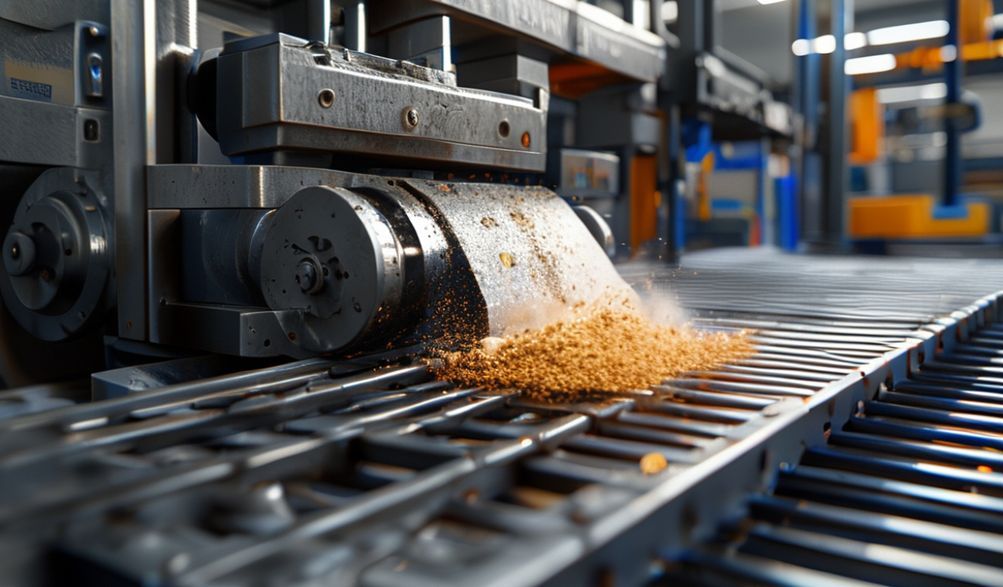
ພາຍໃນ: ວິດີໂອເຄື່ອງຈັກຜະລິດບລັອກຈາກໂຮງງານຜະລິດດິນຈີ່ FUDA
For builders, contractors, and entrepreneurs, the search for the right construction equipment is a high-stakes puzzle. You’re balancing upfront costs, long-term productivity, and the relentless pressure to deliver projects on time and on budget. Brochures are filled with impressive specifications, but they often leave a critical question unanswered: “How will this machine ຕົວຈິງແລ້ວປະຕິບັດໃນການດຳເນີນງານຕົວຈິງ, ມື້ເຂົ້າມື້ອອກແບບໃດ?
ຂໍ້ຄວາມນີ້ຕັດຜ່າສິ່ງລົບກວນ. ພວກເຮົາກຳລັງສະເໜີການວິເຄາະທີ່ເປັນສະເພາະ ແລະ ລະອຽດ ອີງໃສ່ພື້ນຖານຂອງ...ວິດີໂອເຄື່ອງຈັກຜະລິດບລັອກຈາກບໍລິສັດຜະລິດດິນຈີ່ຟູດາ. Our goal is not to sell you a machine, but to empower you with genuine insight. By applying an expert lens to real factory footage, we’ll translate visual evidence into actionable understanding, helping you make a decision based on demonstrated performance, not just promises. You’ll learn what to look for in any factory video, get a technical breakdown of a FUDA machine in action, and discover the crucial verification steps that follow.
ວິດີໂອວິເຄົາລິຊິສຊ່ວຍເລືອກເຄື່ອງຜະລິດບລັອກໄດ້ດີຂຶ້ນແນວໃດ
In an industry where equipment is a significant investment, due diligence is non-negotiable. While specification sheets provide a necessary baseline, they are a two-dimensional snapshot of a dynamic, three-dimensional process. Video analysis bridges this gap, transforming you from a passive reviewer of data into an active auditor of performance.
ພິເສດກວ່າໜັງສືໂຄສະນາ: ການເຫັນແມ່ນການເຊື່ອ
A brochure can list a cycle time of 20 seconds. A video shows you if that cycle time is consistent over 50 cycles or if it fluctuates with operator intervention. It reveals the machine’s rhythm—the smooth, synchronized dance (or jarring, hesitant steps) between feeding, molding, compacting, and ejection.
ຂໍ້ຈຳກັດຕົ້ນຕໍຂອງຂໍ້ມູນສະຖິຕິທີ່ວິດີໂອຊ່ວຍແກ້ໄຂໄດ້:
* ການປະສົມປະສານກະບວງການເຮັດວຽກ:ເຄື່ອງຈັກນີ້ສາມາດປະສົມປະສານເຂົ້າກັບເສັ້ນການຜະລິດໄດ້ດີຫຼາຍຫຼືບໍ່? ການຈັດການວັດສະດຸເປັນໄປຢ່າງມີປະສິດທິພາບ, ຫຼືມີຈຸດອ່ອນທີ່ຊັດເຈນໃດໆຢູ່?
* ຜົນຜະລິດຕົວຈິງທີ່ມີຄຸນນະພາບທ່ານສາມາດເຫັນບລັອກເມື່ອພວກມັນຖືກຍິງອອກ. ພວກມັນຮັກສາຮູບຮ່າງຂອງພວກມັນບໍ? ພື້ນຜິວແມ່ນເລື່ອນແລະຂອບແຫຼມຄົມບໍ?
* ងាយស្រួលប្រើប្រាស់។ສັງເກດການຕິດຕໍ່ປະສານງານຂອງຜູ້ປະຕິບັດງານ. ແຜງຄວບຄຸມດູແລວ່າຈະເຂົ້າໃຈໄດ້ງ່າຍບໍ? ການຈັບຈັບດ້ວຍມືເປັນການອຶດຢາກຫຼືໜ້ອຍ?
សូចនាករដំណើរការសំខាន់ៗដែលត្រូវអង្កេតក្នុងវីដេអូរាល់រោងចក្រ
ເມື່ອເຈົ້າຊົມວິດີໂອໂຮງງານ, ຢ່າເບິ່ງແຕ່ເຄື່ອງຈັກ—ໃຫ້ວິເຄາະມັນ. ຝຶກຕາຂອງເຈົ້າໃຫ້ສັງເກດເບິ່ງຕົວຊີ້ວັດສຳຄັນເຫຼົ່ານີ້:
- ຄວາມສອດຄ່ອງຂອງເວລາຮອບວຽນເວລາຫຼາຍຮອບຕໍ່ເນື່ອງກັນ. ຄວາມບໍ່ສອດຄ່ອງສາມາດຊີ້ບອກເຖິງບັນຫາລະບົບຄວບຄຸມ ຫຼື ບັນຫາການສະໜອງວັດຖຸດິບ.
- ການສັ່ນສະເທືອນ & ຄວາມໝັ້ນຄົງ: Does the machine shake violently, or is the vibration controlled and focused on the mold? Excessive frame movement can indicate poor design or wear.
- Finished Product Upon Exit: Pause the video when blocks are ejected. Look for:
- Structural integrity (no slumping or cracks).
- Dimensional consistency across all cavities in the mold.
- Sharp, well-defined edges and corners.
- Operator Workload: How many operators are actively engaged? Are they performing simple monitoring or strenuous manual labor?
Detailed Breakdown: The FUDA Factory Block Making Machine in Action
Let’s apply this analytical framework to a typical ວິດີໂອເຄື່ອງຈັກຜະລິດບລັອກ from a ບໍລິສັດຜະລິດດິນຈີ່ຟູດາ. We’ll dissect the process from raw material to finished block.
Machine Profile: Model and Core Specifications
While specific models vary, FUDA commonly features semi-automatic and fully automatic models like the QT4-25 or QT6-15 in their demonstrations. From a typical video, we can infer key specs:
- ກະລຸນາໃສ່ຂໍ້ຄວາມທີ່ຕ້ອງການແປເປັນພາສາລາວ. Likely a stationary hydraulic press with high-frequency vibration (a standard for quality solid/hollow blocks).
- ກຳລັງການຜະລິດ: Depending on the model, output can range from 1,500 to 6,000 standard blocks per 8-hour shift.
- ລະດັບການອັດຕະໂນມັດ Videos often show a semi-automatic system, where an operator initiates the cycle and may handle raw material feeding, but the molding, compaction, and ejection are automated.
- Block Variety: These machines typically use interchangeable molds to produce a range of products: solid blocks, hollow blocks, paving stones, and curbstones.
The Raw Material Process: From Mix to Hopper
The journey begins before the machine. In a well-organized factory like FUDA’s, you’ll see:
- Raw Material Storage: Bins or sacks of cement, fly ash (a common eco-friendly additive), and aggregates (sand, stone chips).
- ປະສົມ A separate mixer (pan or planetary) combines materials with water to achieve a uniform, semi-dry concrete consistency. This mix is critical—too wet, and blocks slump; too dry, and they won’t compact properly.
- ການກິນອາຫານ: The mixed material is conveyed or fed into the block machine’s hopper. In the video, note the consistency of the feed. A steady, uninterrupted flow is a sign of good material preparation and hopper design.
The Heart of the Operation: Molding and Compaction
This is the core of the ວິດີໂອເຄື່ອງຈັກຜະລິດບລັອກ. The hopper feeds material into the mold chamber on a steel pallet. Then, a two-stage process begins:
- ສັ່ນ High-frequency, directed vibrations fluidize the concrete mix, allowing it to flow into every corner of the mold cavity. This ensures density and eliminates air pockets.
- ການອັດແບບໄຮໂດຼລິກ: A hydraulic ram then applies substantial downward pressure (measurable in tons) to the material. This simultaneous vibration and pressure is what creates a densely compacted, strong block with a smooth surface finish.
What to observe: The stability of the mold table during this phase. Effective vibration should be intense but contained, not causing the entire machine frame to shudder.
Ejection and Handling: Assessing Stability and Finish
After compaction, the mold rises, leaving the freshly formed blocks on the steel pallet. This is a telling moment.
- ການຂັບໄລ່ອອກ The pallet, with blocks, is smoothly transferred out of the press area. A well-tuned machine does this without any jarring that could damage the green (uncured) blocks.
- Initial Quality Check: At this point, you can visually assess:
- Edge Sharpness: Blocks should have clean, 90-degree edges.
- ພື້ນຜິວສຳເລັດຮູບ: Top and bottom surfaces should be smooth and even.
- ຄວາມໝັ້ນຄົງຂອງໂຄງສ້າງ No cracks or deformities should be visible.
- Handling: The pallet is then moved by a forklift or roller conveyor to a curing area. This highlights the need for a logical factory layout to support the machine’s output.
Expertise Insights: What This FUDA Machine Video Tells Us About Quality
Translating observations into insights separates casual viewing from expert analysis. Here’s what a detailed look at the FUDA operation suggests.
Design Features for Efficiency and Durability
- Robust Construction: The machine frame visible in these videos is typically made from heavy-duty steel plates and profiles, designed to withstand constant vibration. Look for clean, substantial welds.
- ລະບົບຄວບຄຸມ: The operator panel is usually centralized and accessible. While we can’t see the software, the repetitive, consistent cycle suggests reliable PLC (Programmable Logic Controller) automation.
- Integration Focus: The fact that the video shows material handling and curing hints at FUDA’s understanding that a machine is part of a system, not an isolated island.
Output Quality Analysis from the Video Feed
Zooming in on the finished product in the video reveals key quality markers:
- ຄວາມຖືກຕ້ອງຂອງຂະໜາດ Blocks appear uniform in size, suggesting precise mold machining and stable vibration.
- ສອດຄ່ອງ From the first block to the last in a batch, there is no visible deviation in form or finish, indicating a stable and repeatable process.
- Surface Density: The blocks have a sheen of cement paste on the surface, a sign of good compaction that leads to higher strength and better weather resistance.
Comparative Context: How This Machine Stacks Up
A balanced view is essential. Based on typical FUDA factory videos:
- Potential Strengths:
- Simplicity & Reliability: The semi-automatic operation is less complex than a fully robotic line, which can mean easier maintenance and lower initial cost.
- Solid Output Quality: The core vibration and hydraulic process appears effective for producing standard construction blocks.
- System Awareness: Demonstrating the production line context is a mark of a knowledgeable manufacturer.
- Questions for Further Inquiry:
- Long-Term Wear: How accessible are key wear parts like mold liners, vibration motors, and hydraulic seals?
- Noise and Dust: The video may not convey operational noise levels or dust generation, important for workshop planning.
- Changeover Time: How long does it take to switch molds for a different block product?
Trust and Verification: Next Steps After Watching a Factory Video
A compelling factory video is an excellent first step, but it is just the beginning of your verification process. Here’s how to build on that foundation.
Questions to Ask the Manufacturer (Like FUDA)
When you contact FUDA or any manufacturer, use this checklist. Their willingness and ability to answer thoroughly is a major trust signal.
- Specifications & Performance: “Can you provide a certified test report for the compressive strength of blocks produced by this specific model?”
- Support & Warranty: “What is the detailed warranty coverage? What is your guaranteed response time for technical support?”
- Logistics & Parts: “What is the lead time for critical spare parts? Do you provide a recommended spare parts list for the first two years of operation?”
- Verification: “Can you connect me with a current customer in a region with similar climate/raw materials to mine?”
The Importance of Factory Visits and Customer Testimonials
- The Gold Standard: A Physical Visit. If the investment is significant, arrange a factory visit. It allows you to inspect build quality up close, hear the machine run, and gauge the company’s operational culture.
- Virtual Alternative: If travel isn’t feasible, request a live video tour or a video call with their technical team.
- Seek Independent Voices: Search for reviews and videos not published by the manufacturer. Forum discussions, LinkedIn testimonials, and YouTube videos from factory tour vloggers can provide unfiltered perspectives.
Frequently Asked Questions (FAQ)
Q1: What is the estimated production capacity of the FUDA block machine shown in the video?
A: Based on common models like the QT4-25 featured in many videos, capacity can range from approximately 3,000 to 5,000 standard blocks per 8-hour shift, depending on block type and operator efficiency. Always confirm the exact model number with the factory for precise, guaranteed output figures.
Q2: Can this type of machine produce different block sizes and shapes?
A: Yes. Modern block makers like those from FUDA use a system of interchangeable steel molds. The video typically showcases one product. Be sure to inquire about their available mold library and the time required to change molds for different production runs.
Q3: How automated is the process shown? Does it require many operators?
A: The typical FUDA factory video shows a semi-automatic system. This level of automation usually requires 1-3 operators for tasks like feeding raw material into the mixer or hopper, monitoring the machine cycle, and handling pallets of finished green blocks.
Q4: What kind of after-sales service can be expected from a manufacturer like FUDA?
A: Reputable manufacturers should offer comprehensive service packages, including installation guidance (via video or manual), operator training documentation, detailed technical manuals, and a reliable supply of spare parts. Before purchasing, explicitly discuss service level agreements, communication channels, and the availability of local or regional technical agents.
Q5: Where can I find more authentic videos of block making machines in operation?
A: For a well-rounded view, look beyond official channels. Search for:
* Trade Show Footage: Videos from industry exhibitions like BAUMA or Conexpo.
* Independent Reviewers: Channels dedicated to construction machinery.
* End-User Uploads: The most credible sources are often videos posted by current factory owners, which show real, long-term use.
ສະຫຼຸບ
Choosing a block making machine is a decision that reverberates through your projects and profitability for years. As we’ve demonstrated through this breakdown of a FUDA brick making factory video, moving beyond specifications to analyze real-world operation is not just helpful—it’s essential. By focusing on workflow rhythm, machine stability, and tangible output quality, you gain a profound advantage.
Informed decisions are built on a combination of ປະສົບການ (seeing the machine work), ຄວາມຊ່ຽວຊານ (understanding the technical process), ອຳນາດອຳນາດ (evaluating the manufacturer’s reputation), and ຄວາມໜ້າເຊື່ອຖື (conducting thorough verification). Use the framework from this post as a guide to critically evaluate any equipment video you encounter.
Your next step is clear: Take these insights and engage with manufacturers from a position of knowledge. Seek multiple quotations, demand detailed answers to the questions outlined above, and wherever possible, validate claims through factory audits or independent customer references. Your ideal machine is out there—equip yourself to find it.
<