
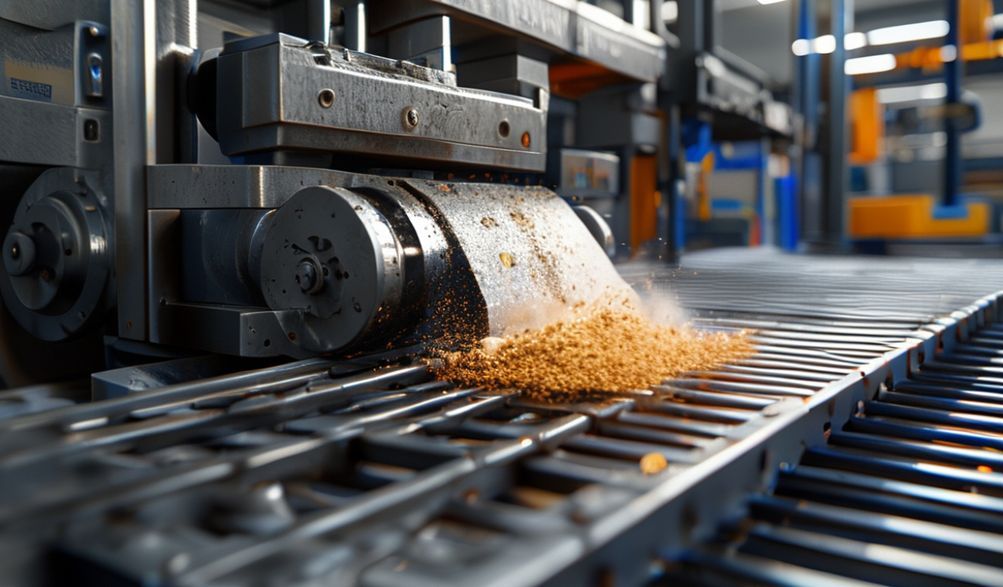
Ішкі көрініс: FUDA Кірпіш Өндіру Зауытының Блок Өндіру Машинасының Бейнесі
Құрылысшылар, подрядчи және кәсіпкерлер үшін дұрыс құрылыс жабдықтарын іздеу маңызды мәселе болып табылады. Сіз бастапқы шығындарды, ұзақ мерзімді өнімділікті және жобаларды уақытында және бюджет шегінде орындау үшін тұрақты қысымды теңгеруге тап боласыз. Брошюралар әсерлі техникалық сипаттамаларға толы, бірақ олар жиі маңызды сұраққа жауап бермейді: "Бұл машина қалай жұмыс істейді?"нақтыНақты өмірде, күн сайынғы жұмыс істеуде қалай жүзеге асырылады?
Бұл жазба шуылдың артындағы шындықты ашады. Біз сізге нақты деректерге негізделген эксклюзивті, егжей-тегжейлі талдауды ұсынамыз.Блок жасау машинасының бейнесібастапФУДА кірпіш жасау зауытыБіздің мақсатымыз сізге машина сату емес, нақты түсінік беру. Шынайы зауыт бейнелеріне сарапшылық көзқараспен қарап, біз көрнекі дәлелдерді іс-әрекетке бағытталған түсінікке айналдырамыз, сізге тек уәделерге емес, көрсетілген өнімділікке негізделген шешім қабылдауға көмектесеміз. Сіз кез келген зауыт бейнесінде нені байқау керектігін білесіз, FUDA машинасының жұмыс істеуін техникалық талдаумен танысасыз және одан әрі қандай маңызды тексеру қадамдары бар екенін білесіз.
Блок жасау машинасын таңдау үшін бейне талдау неге маңызды
Жабдыққа елеулі инвестиция салынатын салада мұқият тексеру міндетті болып табылады. Техникалық сипаттамалар қажетті базалық деңгейді ұсынса да, олар динамикалық, үш өлшемді процестің екі өлшемді сәттік көрінісі ғана. Бейне талдау осы алшақтықты толтырады, сізді деректерді пассивті қарап шығушыдан өнімділікті белсенді аудиттеушіге айналдырады.
Брошюралардан асып: Көзбен көргенге сенеді
Брошюрада цикл уақыты 20 секунд деп көрсетілуі мүмкін. Бірақ бейне 50 цикл бойы сол уақыттың тұрақты сақталатынын немесе оператордың араласуына байланысты өзгеретінін көрсетеді. Ол машинаның ритмін – жеткізу, қалыптау, тығыздау және шығару арасындағы үйлесімді, синхронды биді (немесе үзілген, баяу қадамдарды) ашып көрсетеді.
Статикалық ақпараттың негізгі шектеулері, оны бейне жеңетіндер:
* Жұмыс ағынын біріктіру:Машина өндіріс желісіне қалай бейімделеді? Материалдарды өңдеу тиімді ме, әлде айқын тарылулар бар ма?
* Нақты шығарылым сапасы:Сіз оларды шығарылған сәтте блоктарды көре аласыз. Олар өз пішінін сақтай ма? Беттері тегіс және шеттері өткір ме?
* Операциялаудың оңайлығы:Оператордың әрекеттерін бақылаңыз. Басқару тақтасы интуитивті көріне ме? Қолмен басқару қиын ба, әлде ең аз күш жұмсалады ма?
Кез келген зауыттың бейнесінде бақылауға арналған негізгі өнімділік көрсеткіштері
Зауыт бейнесін көргенде, тек машинаға қарамаңыз — оны талдаңыз. Көзіңізді мына маңызды көрсеткіштерді іздеуге үйретіңіз:
- Цикл уақытының тұрақтылығы:Бірнеше қатарынан циклдардың уақытын өлшеңіз. Сәйкессіздік басқару жүйесінің мәселелерін немесе материалды беру проблемаларын көрсетуі мүмкін.
- Діріл және Тұрақтылық:Машина қатты дірілдеп тітірей ме, әлде діріл бақыланатын және қалыпқа шоғырланған ба? Раманың шамадан тыс қозғалысы нашар дизайн немесе тозуды көрсетуі мүмкін.
- Шығу кезіндегі дайын өнім:Блоктар лақтырылған кезде бейнені тоқтатыңыз. Мынаны іздеңіз:
- Құрылымдық тұтастық (құламау немесе жарықтарсыз).
- Қалыптағы барлық қуыстардың өлшемдік сәйкестігі.
- Өткір, анық анықталған жиектер мен бұрыштар.
- Оператор жұмысының жүктемесі:Қанша оператор белсенді түрде жұмыс істеп жатыр? Олар жай мониторинг жасап жатыр ма, әлде ауыр физикалық еңбек атқарып жатыр ма?
Detailed Breakdown: The FUDA Factory Block Making Machine in Action
Let’s apply this analytical framework to a typical Блок жасау машинасының бейнесі from a ФУДА кірпіш жасау зауыты. We’ll dissect the process from raw material to finished block.
Machine Profile: Model and Core Specifications
While specific models vary, FUDA commonly features semi-automatic and fully automatic models like the QT4-25 or QT6-15 in their demonstrations. From a typical video, we can infer key specs:
- Түрі: Likely a stationary hydraulic press with high-frequency vibration (a standard for quality solid/hollow blocks).
- Өндірістік қуат: Depending on the model, output can range from 1,500 to 6,000 standard blocks per 8-hour shift.
- Автоматтандыру деңгейі: Videos often show a semi-automatic system, where an operator initiates the cycle and may handle raw material feeding, but the molding, compaction, and ejection are automated.
- Блок түрлері: These machines typically use interchangeable molds to produce a range of products: solid blocks, hollow blocks, paving stones, and curbstones.
The Raw Material Process: From Mix to Hopper
The journey begins before the machine. In a well-organized factory like FUDA’s, you’ll see:
- Raw Material Storage: Bins or sacks of cement, fly ash (a common eco-friendly additive), and aggregates (sand, stone chips).
- Араластыру: A separate mixer (pan or planetary) combines materials with water to achieve a uniform, semi-dry concrete consistency. This mix is critical—too wet, and blocks slump; too dry, and they won’t compact properly.
- Тамақтандыру: The mixed material is conveyed or fed into the block machine’s hopper. In the video, note the consistency of the feed. A steady, uninterrupted flow is a sign of good material preparation and hopper design.
The Heart of the Operation: Molding and Compaction
This is the core of the Блок жасау машинасының бейнесі. The hopper feeds material into the mold chamber on a steel pallet. Then, a two-stage process begins:
- Діріл: High-frequency, directed vibrations fluidize the concrete mix, allowing it to flow into every corner of the mold cavity. This ensures density and eliminates air pockets.
- Гидравлик престеу: A hydraulic ram then applies substantial downward pressure (measurable in tons) to the material. This simultaneous vibration and pressure is what creates a densely compacted, strong block with a smooth surface finish.
What to observe: The stability of the mold table during this phase. Effective vibration should be intense but contained, not causing the entire machine frame to shudder.
Ejection and Handling: Assessing Stability and Finish
After compaction, the mold rises, leaving the freshly formed blocks on the steel pallet. This is a telling moment.
- Атқылау: The pallet, with blocks, is smoothly transferred out of the press area. A well-tuned machine does this without any jarring that could damage the green (uncured) blocks.
- Initial Quality Check: At this point, you can visually assess:
- Edge Sharpness: Blocks should have clean, 90-degree edges.
- Беттік өңдеу: Top and bottom surfaces should be smooth and even.
- Құрылымдық тұтастық: No cracks or deformities should be visible.
- Handling: The pallet is then moved by a forklift or roller conveyor to a curing area. This highlights the need for a logical factory layout to support the machine’s output.
Expertise Insights: What This FUDA Machine Video Tells Us About Quality
Translating observations into insights separates casual viewing from expert analysis. Here’s what a detailed look at the FUDA operation suggests.
Design Features for Efficiency and Durability
- Берік Құрылыс: The machine frame visible in these videos is typically made from heavy-duty steel plates and profiles, designed to withstand constant vibration. Look for clean, substantial welds.
- Басқару жүйесі: The operator panel is usually centralized and accessible. While we can’t see the software, the repetitive, consistent cycle suggests reliable PLC (Programmable Logic Controller) automation.
- Integration Focus: The fact that the video shows material handling and curing hints at FUDA’s understanding that a machine is part of a system, not an isolated island.
Output Quality Analysis from the Video Feed
Zooming in on the finished product in the video reveals key quality markers:
- Өлшемдік дәлдік: Blocks appear uniform in size, suggesting precise mold machining and stable vibration.
- Тұрақтылық: From the first block to the last in a batch, there is no visible deviation in form or finish, indicating a stable and repeatable process.
- Surface Density: The blocks have a sheen of cement paste on the surface, a sign of good compaction that leads to higher strength and better weather resistance.
Comparative Context: How This Machine Stacks Up
A balanced view is essential. Based on typical FUDA factory videos:
- Potential Strengths:
- Simplicity & Reliability: The semi-automatic operation is less complex than a fully robotic line, which can mean easier maintenance and lower initial cost.
- Solid Output Quality: The core vibration and hydraulic process appears effective for producing standard construction blocks.
- System Awareness: Demonstrating the production line context is a mark of a knowledgeable manufacturer.
- Questions for Further Inquiry:
- Long-Term Wear: How accessible are key wear parts like mold liners, vibration motors, and hydraulic seals?
- Noise and Dust: The video may not convey operational noise levels or dust generation, important for workshop planning.
- Changeover Time: How long does it take to switch molds for a different block product?
Trust and Verification: Next Steps After Watching a Factory Video
A compelling factory video is an excellent first step, but it is just the beginning of your verification process. Here’s how to build on that foundation.
Questions to Ask the Manufacturer (Like FUDA)
When you contact FUDA or any manufacturer, use this checklist. Their willingness and ability to answer thoroughly is a major trust signal.
- Specifications & Performance: “Can you provide a certified test report for the compressive strength of blocks produced by this specific model?”
- Support & Warranty: “What is the detailed warranty coverage? What is your guaranteed response time for technical support?”
- Logistics & Parts: “What is the lead time for critical spare parts? Do you provide a recommended spare parts list for the first two years of operation?”
- Тексеру: “Can you connect me with a current customer in a region with similar climate/raw materials to mine?”
The Importance of Factory Visits and Customer Testimonials
- The Gold Standard: A Physical Visit. If the investment is significant, arrange a factory visit. It allows you to inspect build quality up close, hear the machine run, and gauge the company’s operational culture.
- Virtual Alternative: If travel isn’t feasible, request a live video tour or a video call with their technical team.
- Seek Independent Voices: Search for reviews and videos not published by the manufacturer. Forum discussions, LinkedIn testimonials, and YouTube videos from factory tour vloggers can provide unfiltered perspectives.
Жиі қойылатын сұрақтар (ЖҚС)
Q1: What is the estimated production capacity of the FUDA block machine shown in the video?
A: Based on common models like the QT4-25 featured in many videos, capacity can range from approximately 3,000 to 5,000 standard blocks per 8-hour shift, depending on block type and operator efficiency. Always confirm the exact model number with the factory for precise, guaranteed output figures.
Q2: Can this type of machine produce different block sizes and shapes?
A: Yes. Modern block makers like those from FUDA use a system of interchangeable steel molds. The video typically showcases one product. Be sure to inquire about their available mold library and the time required to change molds for different production runs.
Q3: How automated is the process shown? Does it require many operators?
A: The typical FUDA factory video shows a semi-automatic system. This level of automation usually requires 1-3 operators for tasks like feeding raw material into the mixer or hopper, monitoring the machine cycle, and handling pallets of finished green blocks.
Q4: What kind of after-sales service can be expected from a manufacturer like FUDA?
A: Reputable manufacturers should offer comprehensive service packages, including installation guidance (via video or manual), operator training documentation, detailed technical manuals, and a reliable supply of spare parts. Before purchasing, explicitly discuss service level agreements, communication channels, and the availability of local or regional technical agents.
Q5: Where can I find more authentic videos of block making machines in operation?
A: For a well-rounded view, look beyond official channels. Search for:
* Trade Show Footage: Videos from industry exhibitions like BAUMA or Conexpo.
* Independent Reviewers: Channels dedicated to construction machinery.
* End-User Uploads: The most credible sources are often videos posted by current factory owners, which show real, long-term use.
Қорытынды
Choosing a block making machine is a decision that reverberates through your projects and profitability for years. As we’ve demonstrated through this breakdown of a FUDA brick making factory video, moving beyond specifications to analyze real-world operation is not just helpful—it’s essential. By focusing on workflow rhythm, machine stability, and tangible output quality, you gain a profound advantage.
Informed decisions are built on a combination of Тәжірибе (seeing the machine work), Біліктілік (understanding the technical process), Сенімділік (evaluating the manufacturer’s reputation), and Сенімділік (conducting thorough verification). Use the framework from this post as a guide to critically evaluate any equipment video you encounter.
Your next step is clear: Take these insights and engage with manufacturers from a position of knowledge. Seek multiple quotations, demand detailed answers to the questions outlined above, and wherever possible, validate claims through factory audits or independent customer references. Your ideal machine is out there—equip yourself to find it.
<