
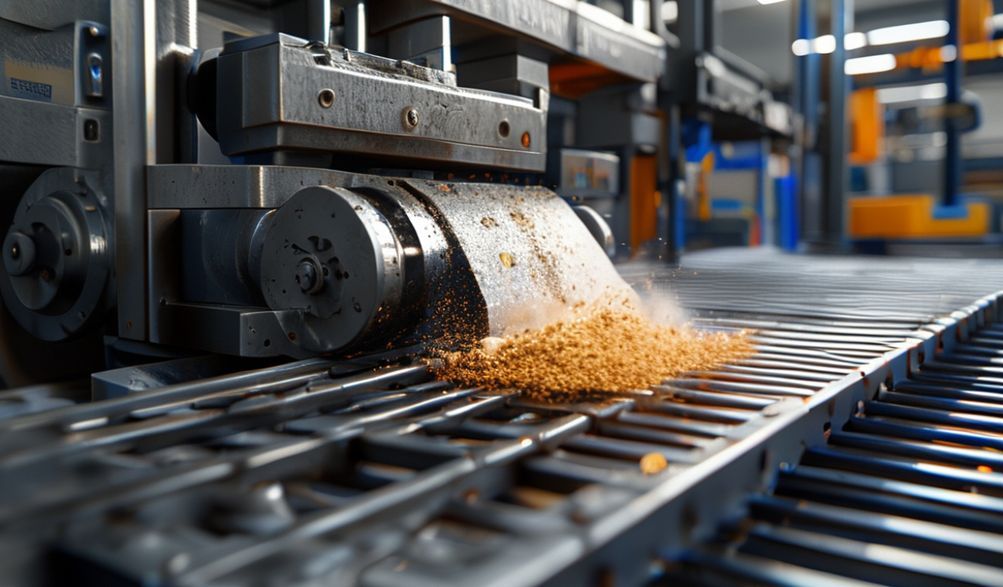
Tampilan Dalam: Video Mesin Pembuat Blok dari Pabrik Pembuatan Batu Bata FUDA
Bagi para pembangun, kontraktor, dan pengusaha, pencarian peralatan konstruksi yang tepat adalah teka-teki berisiko tinggi. Anda harus menyeimbangkan biaya awal, produktivitas jangka panjang, dan tekanan tak henti untuk menyelesaikan proyek tepat waktu dan sesuai anggaran. Brosur dipenuhi spesifikasi yang mengesankan, tetapi sering kali meninggalkan pertanyaan kritis yang tak terjawab: "Bagaimana mesin ini akan..."sebenarnyaberkinerja dalam operasi dunia nyata, sehari-hari?
Postingan ini menembus kebisingan informasi. Kami menyajikan analisis eksklusif dan mendalam yang didasarkan pada sebuah—video mesin pembuat blokdariPabrik pembuatan bata FUDATujuan kami bukan menjual mesin, melainkan membekali Anda dengan wawasan sejati. Dengan menerapkan sudut pandang ahli pada rekaman nyata pabrik, kami mengubah bukti visual menjadi pemahaman yang dapat ditindaklanjuti, membantu Anda mengambil keputusan berdasarkan kinerja yang terbukti, bukan sekadar janji. Anda akan belajar hal-hal yang perlu diperhatikan dalam video pabrik apa pun, mendapatkan analisis teknis mesin FUDA yang beroperasi, serta menemukan langkah-langkah verifikasi krusial yang menyusul.
Mengapa Analisis Video Penting untuk Memilih Mesin Pembuat Blok
Dalam industri di mana peralatan merupakan investasi signifikan, uji tuntas adalah hal mutlak. Meski lembar spesifikasi memberikan dasar yang diperlukan, mereka hanyalah gambaran statis dua dimensi dari proses dinamis tiga dimensi. Analisis video menjembatani kesenjangan ini, mengubah Anda dari pengulas data yang pasif menjadi auditor kinerja yang aktif.
Melampaui Brosur: Melihat adalah Percaya
Sebuah brosur dapat mencantumkan waktu siklus 20 detik. Sebuah video menunjukkan apakah waktu siklus tersebut konsisten selama 50 siklus atau berfluktuasi dengan intervensi operator. Video itu mengungkap ritme mesin—tarian yang mulus dan tersinkronisasi (atau langkah-langkah yang tersendat dan ragu) antara pengisian, pencetakan, pemadatan, dan pengeluaran.
Keterbatasan utama informasi statis yang diatasi oleh video:
* Integrasi Alur Kerja:Bagaimana mesin ini terintegrasi ke dalam lini produksi? Apakah penanganan materialnya efisien, atau ada kemacetan yang jelas terlihat?
* Kualitas Output Aktual:Anda dapat melihat blok-blok itu saat mereka terlontar. Apakah mereka mempertahankan bentuknya? Apakah permukaannya halus dan tepiannya tajam?
* Kemudahan Pengoperasian:Perhatikan interaksi operator. Apakah panel kontrol terlihat intuitif? Apakah penanganan manual melelahkan atau minimal?
Indikator Kinerja Utama yang Perlu Diperhatikan dalam Video Pabrik Apa Pun
Saat menonton video pabrik, jangan sekadar melihat mesinnya—analisislah. Latih mata Anda untuk mencari indikator-indikator kritis ini:
- Konsistensi Waktu Siklus:Waktukan beberapa siklus berturut-turut. Ketidakkonsistenan dapat menandakan masalah sistem kontrol atau masalah pengumpanan material.
- Getaran & Stabilitas:Apakah mesin bergetar dengan keras, atau getarannya terkendali dan terfokus pada cetakan? Gerakan rangka yang berlebihan dapat mengindikasikan desain yang buruk atau keausan.
- Produk Jadi Saat Keluar:Jeda video saat balok terlempar keluar. Perhatikan:
- Integritas struktural (tidak ada penurunan atau retakan).
- Konsistensi dimensi di semua rongga dalam cetakan.
- Tajam, tepian dan sudut yang terdefinisi dengan baik.
- Beban Kerja Operator:Berapa banyak operator yang aktif terlibat? Apakah mereka melakukan pemantauan sederhana atau pekerjaan manual yang berat?
Rincian Rinci: Mesin Pembuat Blok Pabrik FUDA dalam Aksi
Mari kita terapkan kerangka analisis ini pada kasus yang umum.video mesin pembuat blokdari sebuahPabrik pembuatan bata FUDAKita akan menguraikan proses dari bahan baku hingga balok jadi.
Profil Mesin: Model dan Spesifikasi Inti
Meskipun model spesifik bervariasi, FUDA umumnya menampilkan model semi-otomatis dan otomatis penuh seperti QT4-25 atau QT6-15 dalam demonstrasi mereka. Dari video yang umum, kita dapat menyimpulkan spesifikasi kunci:
- Tipe:Kemungkinan sebuah mesin press hidrolik stasioner dengan getaran frekuensi tinggi (standar untuk blok padat/berongga berkualitas).
- Kapasitas Produksi:Tergantung pada model, keluaran dapat berkisar dari 1.500 hingga 6.000 blok standar per shift 8 jam.
- Tingkat Otomasi: Videos often show a semi-automatic system, where an operator initiates the cycle and may handle raw material feeding, but the molding, compaction, and ejection are automated.
- Varietas Blok These machines typically use interchangeable molds to produce a range of products: solid blocks, hollow blocks, paving stones, and curbstones.
The Raw Material Process: From Mix to Hopper
The journey begins before the machine. In a well-organized factory like FUDA’s, you’ll see:
- Raw Material Storage: Bins or sacks of cement, fly ash (a common eco-friendly additive), and aggregates (sand, stone chips).
- Mencampur: A separate mixer (pan or planetary) combines materials with water to achieve a uniform, semi-dry concrete consistency. This mix is critical—too wet, and blocks slump; too dry, and they won’t compact properly.
- Pemberian Makan: The mixed material is conveyed or fed into the block machine’s hopper. In the video, note the consistency of the feed. A steady, uninterrupted flow is a sign of good material preparation and hopper design.
The Heart of the Operation: Molding and Compaction
This is the core of the video mesin pembuat blok. The hopper feeds material into the mold chamber on a steel pallet. Then, a two-stage process begins:
- Getaran: High-frequency, directed vibrations fluidize the concrete mix, allowing it to flow into every corner of the mold cavity. This ensures density and eliminates air pockets.
- Penekanan Hidrolik: A hydraulic ram then applies substantial downward pressure (measurable in tons) to the material. This simultaneous vibration and pressure is what creates a densely compacted, strong block with a smooth surface finish.
What to observe: The stability of the mold table during this phase. Effective vibration should be intense but contained, not causing the entire machine frame to shudder.
Ejection and Handling: Assessing Stability and Finish
After compaction, the mold rises, leaving the freshly formed blocks on the steel pallet. This is a telling moment.
- Pengusiran: The pallet, with blocks, is smoothly transferred out of the press area. A well-tuned machine does this without any jarring that could damage the green (uncured) blocks.
- Initial Quality Check: At this point, you can visually assess:
- Edge Sharpness: Blocks should have clean, 90-degree edges.
- Finishing Permukaan: Top and bottom surfaces should be smooth and even.
- Integritas Struktural: No cracks or deformities should be visible.
- Handling: The pallet is then moved by a forklift or roller conveyor to a curing area. This highlights the need for a logical factory layout to support the machine’s output.
Expertise Insights: What This FUDA Machine Video Tells Us About Quality
Translating observations into insights separates casual viewing from expert analysis. Here’s what a detailed look at the FUDA operation suggests.
Design Features for Efficiency and Durability
- Konstruksi Kokoh: The machine frame visible in these videos is typically made from heavy-duty steel plates and profiles, designed to withstand constant vibration. Look for clean, substantial welds.
- Sistem Kontrol: The operator panel is usually centralized and accessible. While we can’t see the software, the repetitive, consistent cycle suggests reliable PLC (Programmable Logic Controller) automation.
- Integration Focus: The fact that the video shows material handling and curing hints at FUDA’s understanding that a machine is part of a system, not an isolated island.
Output Quality Analysis from the Video Feed
Zooming in on the finished product in the video reveals key quality markers:
- Akurasi Dimensi: Blocks appear uniform in size, suggesting precise mold machining and stable vibration.
- Konsistensi: From the first block to the last in a batch, there is no visible deviation in form or finish, indicating a stable and repeatable process.
- Surface Density: The blocks have a sheen of cement paste on the surface, a sign of good compaction that leads to higher strength and better weather resistance.
Comparative Context: How This Machine Stacks Up
A balanced view is essential. Based on typical FUDA factory videos:
- Potential Strengths:
- Simplicity & Reliability: The semi-automatic operation is less complex than a fully robotic line, which can mean easier maintenance and lower initial cost.
- Solid Output Quality: The core vibration and hydraulic process appears effective for producing standard construction blocks.
- System Awareness: Demonstrating the production line context is a mark of a knowledgeable manufacturer.
- Questions for Further Inquiry:
- Long-Term Wear: How accessible are key wear parts like mold liners, vibration motors, and hydraulic seals?
- Noise and Dust: The video may not convey operational noise levels or dust generation, important for workshop planning.
- Changeover Time: How long does it take to switch molds for a different block product?
Trust and Verification: Next Steps After Watching a Factory Video
A compelling factory video is an excellent first step, but it is just the beginning of your verification process. Here’s how to build on that foundation.
Questions to Ask the Manufacturer (Like FUDA)
When you contact FUDA or any manufacturer, use this checklist. Their willingness and ability to answer thoroughly is a major trust signal.
- Specifications & Performance: “Can you provide a certified test report for the compressive strength of blocks produced by this specific model?”
- Support & Warranty: “What is the detailed warranty coverage? What is your guaranteed response time for technical support?”
- Logistics & Parts: “What is the lead time for critical spare parts? Do you provide a recommended spare parts list for the first two years of operation?”
- Verifikasi: “Can you connect me with a current customer in a region with similar climate/raw materials to mine?”
The Importance of Factory Visits and Customer Testimonials
- The Gold Standard: A Physical Visit. If the investment is significant, arrange a factory visit. It allows you to inspect build quality up close, hear the machine run, and gauge the company’s operational culture.
- Virtual Alternative: If travel isn’t feasible, request a live video tour or a video call with their technical team.
- Seek Independent Voices: Search for reviews and videos not published by the manufacturer. Forum discussions, LinkedIn testimonials, and YouTube videos from factory tour vloggers can provide unfiltered perspectives.
Pertanyaan yang Sering Diajukan (FAQ)
Q1: What is the estimated production capacity of the FUDA block machine shown in the video?
A: Based on common models like the QT4-25 featured in many videos, capacity can range from approximately 3,000 to 5,000 standard blocks per 8-hour shift, depending on block type and operator efficiency. Always confirm the exact model number with the factory for precise, guaranteed output figures.
Q2: Can this type of machine produce different block sizes and shapes?
A: Yes. Modern block makers like those from FUDA use a system of interchangeable steel molds. The video typically showcases one product. Be sure to inquire about their available mold library and the time required to change molds for different production runs.
Q3: How automated is the process shown? Does it require many operators?
A: The typical FUDA factory video shows a semi-automatic system. This level of automation usually requires 1-3 operators for tasks like feeding raw material into the mixer or hopper, monitoring the machine cycle, and handling pallets of finished green blocks.
Q4: What kind of after-sales service can be expected from a manufacturer like FUDA?
A: Reputable manufacturers should offer comprehensive service packages, including installation guidance (via video or manual), operator training documentation, detailed technical manuals, and a reliable supply of spare parts. Before purchasing, explicitly discuss service level agreements, communication channels, and the availability of local or regional technical agents.
Q5: Where can I find more authentic videos of block making machines in operation?
A: For a well-rounded view, look beyond official channels. Search for:
* Trade Show Footage: Videos from industry exhibitions like BAUMA or Conexpo.
* Independent Reviewers: Channels dedicated to construction machinery.
* End-User Uploads: The most credible sources are often videos posted by current factory owners, which show real, long-term use.
Kesimpulan
Choosing a block making machine is a decision that reverberates through your projects and profitability for years. As we’ve demonstrated through this breakdown of a FUDA brick making factory video, moving beyond specifications to analyze real-world operation is not just helpful—it’s essential. By focusing on workflow rhythm, machine stability, and tangible output quality, you gain a profound advantage.
Informed decisions are built on a combination of Pengalaman (seeing the machine work), Keahlian (understanding the technical process), Otoritas (evaluating the manufacturer’s reputation), and Kepercayaan (conducting thorough verification). Use the framework from this post as a guide to critically evaluate any equipment video you encounter.
Your next step is clear: Take these insights and engage with manufacturers from a position of knowledge. Seek multiple quotations, demand detailed answers to the questions outlined above, and wherever possible, validate claims through factory audits or independent customer references. Your ideal machine is out there—equip yourself to find it.
<