
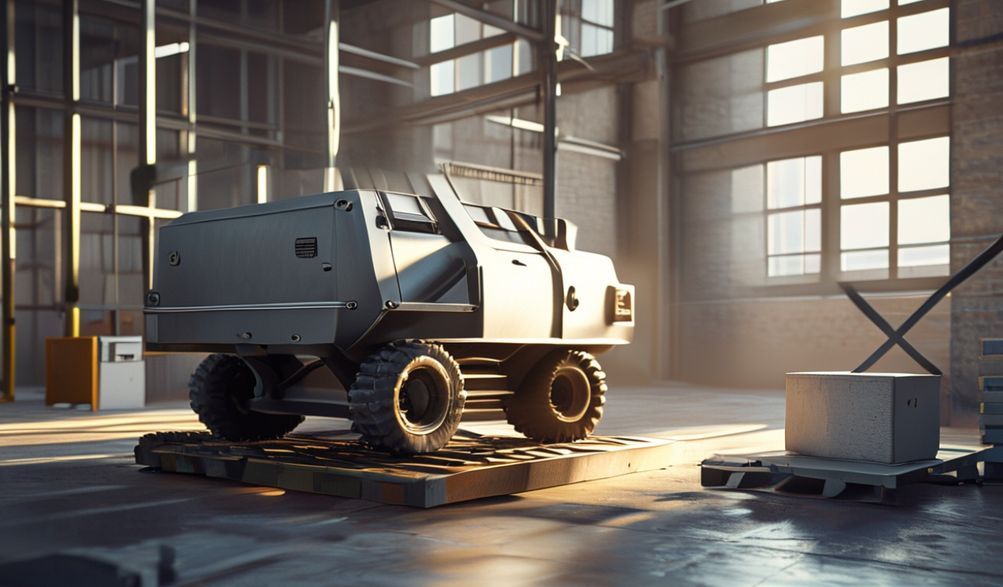
Tu Guía Definitiva sobre Máquinas para Hacer Bloques en el Reino Unido: Enfoque en la Fábrica FUDA
Introducción
El sector de la construcción del Reino Unido sigue una trayectoria ascendente constante, impulsado por proyectos de infraestructura, demanda de vivienda y desarrollo comercial. En el centro de este crecimiento se encuentra una necesidad crítica y constante de materiales de construcción fiables y de alta calidad. Los bloques de hormigón, la columna vertebral omnipresente de la construcción moderna, están más demandados que nunca.
Para constructores, contratistas y emprendedores, esta demanda presenta tanto una oportunidad como un desafío. Abastecerse de bloques externamente puede generar retrasos en la cadena de suministro, costos fluctuantes y calidad variable. Muchos ahora están mirando hacia adentro, considerando el movimiento estratégico de producir los suyos propios. Sin embargo, navegar por el mercado de equipos para fabricar bloques en el Reino Unido puede ser abrumador. ¿Los principales desafíos? Encontrar maquinaria que no solo sea rentable y eficiente, sino también lo suficientemente duradera para resistir un uso riguroso y cumplir con las estrictas regulaciones del Reino Unido.
La solución radica en invertir en una máquina profesional para fabricar bloques. Esto no es solo una compra; es una decisión estratégica para una mayor productividad, un control de calidad más estricto y una resiliencia empresarial a largo plazo. Al explorar fabricantes, un nombre que aparece consistentemente en el escenario global es la Fábrica de Bloques FUDA. Reconocida por su ingeniería robusta y una amplia gama de productos, FUDA ha adaptado sus ofertas para satisfacer las demandas y estándares específicos del mercado del Reino Unido.
Esta guía sirve como su recurso experto e imparcial. Analizaremos los tipos de máquinas, profundizaremos en los factores críticos para los compradores del Reino Unido y ofreceremos una visión detallada y transparente de lo que ofrece la fábrica FUDA, permitiéndole tomar una decisión de inversión completamente informada.
Comprensión de las Máquinas para Fabricar Bloques: Tipos y Aplicaciones
Antes de invertir, es crucial comprender la tecnología y sus posibilidades. Este conocimiento fundamental separa a un comprador astuto de uno especulativo.
¿Cómo Funcionan las Máquinas de Fabricación de Bloques?
En esencia, una máquina para fabricar bloques automatiza el proceso de transformar mezcla de concreto crudo en bloques de construcción sólidos y precisos. El principio es consistente en la mayoría de las máquinas, aunque el nivel de automatización varía.
- Mezcla y Alimentación:Una mezcla de concreto seco preparada (agregado, arena, cemento) se carga en la tolva de la máquina.
- Moldeo:La mezcla se vierte en un molde. El diseño de este molde determina la forma final del bloque (hueco, sólido, de pavimentación, etc.).
- Compactación:Esta es la fase crítica. Una combinación de vibración y alta presión hidráulica compacta la mezcla densamente en el molde, eliminando las bolsas de aire y asegurando la integridad estructural.
- Eyección y Curado:El bloque recién formado, "verde", es expulsado sobre un palé o el suelo. Luego, se somete a un proceso de curado, que generalmente implica la retención de humedad durante varios días, para alcanzar su máxima resistencia.
Los componentes clave que escucharás incluyen la tolva de alimentación, el sistema de moldes, la unidad hidráulica, los motores de vibración y el controlador lógico programable (PLC) que lo orquesta todo.
Tipos de Máquinas Clave para Operaciones en el Reino Unido
La elección del tipo de máquina adecuada depende completamente de su producción proyectada, presupuesto y modelo de mano de obra.
-
Máquinas Manuales y Semiautomáticas:
- Mejor para:Nuevas empresas, proyectos a pequeña escala, líneas de productos especializadas (por ejemplo, bloques decorativos) o negocios que están probando el mercado.
- Operación:Requiere más intervención manual para la mezcla de alimentación y la extracción de bloques terminados. La compactación suele ser accionada mecánica o hidráulicamente.
- Consideración del Reino Unido:Ideal donde los costos laborales están gestionados y el espacio de producción es limitado. Representan un desembolso inicial de capital más bajo.
-
Máquinas Completamente Automáticas:
- Mejor para:Producción comercial a mediana o gran escala que abastece a comerciantes o grandes proyectos.
- Operación:Estas son líneas de producción. Mezclan, alimentan, moldean, compactan y apilan bloques automáticamente con supervisión humana mínima. Se integran con alimentadores de paletas y apiladores.
- Consideración del Reino Unido:La alta producción y consistencia justifican la inversión. Son esenciales para competir en precio y volumen en el mercado más amplio. Asegúrese de que su sitio cuente con el suministro de energía industrial necesario (normalmente trifásico).
-
Máquinas de Bloques Móviles:
- Mejor para:Grandes obras de construcción, como nuevas urbanizaciones o proyectos de infraestructura remotos.
- Ventaja:Producen bloques directamente en el sitio, reduciendo drásticamente los costos de transporte y la logística para grandes cantidades de material. A menudo se montan sobre remolques.
- Consideración del Reino Unido:Perfecto para desarrolladores con un plan de sitio a varios años. Considere el acceso, las condiciones del terreno y el almacenamiento de materiales en el sitio.
Tipos Comunes de Bloques Producidos
Las máquinas modernas son versátiles. Más allá de los bloques estándar, pueden producir una gama de productos de alta demanda:
- Bloques de Concreto Macizos y Huecos: The staple for load-bearing and partition walls.
- Paving Slabs & Kerbstones: For landscaping, driveways, and civil projects.
- Bloques de Interconexión: Used for retaining walls, flood defences, and storage bays without mortar.
- Specialist Shapes: Including grass blocks (for permeable paving), chimney blocks, and architectural decorative blocks.
Why Choose a FUDA Block Making Machine for the UK Market?
FUDA has built its reputation on serving diverse international markets. Here’s how their approach aligns with the needs of a UK-based operation.
Engineering for Durability and UK Conditions
The UK’s variable climate, with its dampness and potential for cold temperatures, demands robust equipment.
* Construcción de Alta Resistencia: FUDA machines are built with high-grade steel at critical stress points, designed to endure the constant vibration and pressure of block production.
* Resistencia a la Corrosión: Look for powder-coated finishes and treatments on frames and components to combat moisture, a vital feature for machines operating in open-sided sheds or across seasons in the UK.
* Calidad del Componente: The use of reputable brand hydraulics, motors, and PLCs (e.g., Siemens, Schneider) is a sign of a machine built for longevity, not just a low sticker price.
Focus on Efficiency and Output
Profitability hinges on output per hour and operational cost.
* Fast Cycle Times: Efficient hydraulic systems and mold design allow for quicker block formation and ejection, maximising daily production.
* Moldes de Múltiples Cavidades: Many FUDA models can produce multiple blocks (e.g., 4, 6, 10) per machine cycle, significantly boosting output without increasing machine footprint.
* Low Waste & Energy Efficiency: Precise mix feeding and compaction reduce material waste. Modern, well-calibrated hydraulic systems are designed to be energy efficient, a key factor given UK industrial electricity costs.
Versatility and Customisation
Your product line may need to evolve.
* Moldes Intercambiables: The ability to switch molds allows one machine to produce different block types, from standard 100mm solids to 200mm hollow blocks or paving flags.
* Custom Mold Development: For unique architectural or civil specifications, FUDA can often engineer custom molds. This is a significant advantage for businesses targeting niche markets or fulfilling specific contract requirements.
Technological Integration
Ease of use and safety are non-negotiable.
* User-Friendly PLC Controls: Touchscreen panels allow operators to set parameters, monitor production, and diagnose issues. Clear fault displays minimise downtime.
* Safety Features: Integrated safety guards, emergency stop buttons, and hydraulic safety locks are standard on professional machines, helping you comply with UK workplace HSE regulations from day one.
* Integración de Sistemas: Machines can be designed to connect with automated batching plants and robotic pallet stackers, creating a seamless production line.
Critical Factors for UK Buyers: Beyond the Machine
The machine’s price tag is just the beginning. Your due diligence here separates a successful investment from a costly mistake.
Navigating UK Regulations and Standards
Compliance is legal and commercial necessity.
* CE/UKCA Marking: This is mandatory. It certifies the machine meets the essential health and safety requirements of the Machinery Directive (2006/42/EC). Never purchase a machine without this certification. A reputable manufacturer like FUDA will provide full documentation.
* Noise and Vibration: Ensure the machine’s specifications are within acceptable limits for an industrial workplace, considering both operator health and potential site neighbour issues.
* Electrical Compliance: The machine must be supplied wired for UK voltage standards (typically 400V 3-phase) or easily adaptable by a qualified UK electrician.
Análisis del Costo Total de Propiedad
Think in terms of total investment over 5-10 years.
* Upfront Costs: Machine price + shipping (CIF/FOB terms matter) + UK import duty and VAT (currently 20%) + delivery to your site.
* Setup Costs: Foundation preparation (a level, reinforced concrete pad is typical), electrical connection by a certified engineer, and possible crane hire for installation.
* Ongoing Costs: Regular maintenance (filters, hydraulic oil), wear parts (mold liners, vibration motors), energy consumption, and labour.
* The Value Proposition: A slightly more expensive, well-built machine with lower failure rates and higher efficiency will almost always outperform a cheaper alternative in the long run.
After-Sales Support: Your UK Lifeline
This is the single most critical factor in your decision. A machine without support is a future paperweight.
* Soporte Técnico Local: Does FUDA have a dedicated UK agent or partner with engineers who can provide phone support and, if needed, site visits? What are the response time guarantees?
* Disponibilidad de Repuestos: Are common wear parts (seals, bearings, liner plates) held in UK stock? If not, what is the typical shipping time from the factory? A reliable parts pipeline is essential for minimising downtime.
* Entrenamiento Integral: What training is provided? It should cover operation, routine maintenance, basic troubleshooting, and safety procedures. Is it on-site, at the factory, or via detailed video manuals?
* Warranty Terms: Get the warranty terms in writing. What is covered (parts, labour)? How long does it last? What is the process for making a claim?
The FUDA Factory Advantage: A Closer Look
Let’s examine the manufacturer’s credentials and the practical journey of procurement.
Experiencia en fabricación y control de calidad
FUDA operates as a full-scale manufacturing facility, not just an assembler.
* In-House Production: Controlling the production of key components like mold boxes and frames allows for stricter quality oversight.
* Pruebas Rigorosas: Machines should undergo running tests before shipment. Inquire about their quality control protocols—do they test hydraulic pressure, vibration frequency, and control system sequences?
* Inversión en I+D: A manufacturer that invests in research and development is more likely to offer modern, efficient technology. Ask about recent innovations in their model range.
Global Reputation and UK References
A global footprint indicates experience, but local proof is king.
* Export History: FUDA’s presence in multiple continents suggests an ability to adapt machinery to different market standards.
* The Crucial Step – Verification:Debesseek and verify UK-based references. A credible supplier should be able to connect you with existing UK customers. Ask those customers pointed questions about machine reliability, output accuracy, and, most importantly, the quality of after-sales support. If possible, arrange to visit a working FUDA machine in the UK.
The Procurement Process: From Inquiry to Installation
Understanding this flow prevents surprises.
1. Consultation: Provide details on your desired output, block types, and site specifications.
2. Quotation: You should receive a detailed quote including machine specs, optional extras, shipping terms (e.g., FOB Shanghai), and a proposed delivery timeline.
3. Order & Payment: Terms are agreed upon (often a deposit followed by balance before shipment).
4. Manufacturing & Pre-Shipment Testing: The machine is built and tested. Request photos or video of the final product before it’s crated.
5. Shipping & Customs: The machine is shipped. As the UK importer, you or your agent will handle customs clearance and pay due taxes.
6. Delivery & Installation: The machine is delivered to your site. Clarify in advance: will a FUDA engineer supervise installation and commissioning, or will you need to hire a local specialist with the provided manuals?
Frequently Asked Questions (FAQ)
What is the lead time for a FUDA machine to be delivered to the UK?
Lead times vary. A standard model might be shipped in 4-6 weeks, while a fully customised line could take 8-12 weeks. Factor in an additional 2-4 weeks for sea freight and customs clearance. Always get a written timeline estimate.
Can FUDA machines use UK-standard raw materials (aggregates, cement)?
Yes, they are designed to be adaptable. However, the optimal mix design (cement-to-aggregate ratio, moisture content) is crucial for block quality and machine performance. FUDA should provide baseline mix guidelines, but you may need to fine-tune it with your local materials.
Who will install and commission the machine in the UK?
This must be clarified in your contract. Options include: FUDA sending an engineer, their UK agent providing the service, or you hiring a qualified local engineer using FUDA’s comprehensive installation manual. The first option, while potentially an extra cost, is often the smoothest.
How do I source spare parts once the machine is in the UK?
Establish the process before buying. Ideally, a UK-based agent holds common parts. If not, you’ll order directly from the factory. Ask for a list of common wear parts and their estimated lifespans to help you plan and budget.
What training is provided for my operators?
Training should be comprehensive. It often includes detailed operation manuals, instructional videos, and, ideally, on-site training during commissioning covering daily operation, lubrication, routine maintenance, and safety procedures.
Are there any grants or financing options available in the UK for this equipment?
This is outside a manufacturer’s direct scope. However, investing in capital equipment for business growth may qualify for government-backed schemes or finance leases. We strongly recommend consulting with a UK business advisor, accountant, or specialist equipment finance broker to explore options.
Conclusión
Selecting a block making machine for your UK operation is a significant strategic investment. The decision must balance upfront cost with long-term durability, efficiency, and crucially, the quality of after-sales support. It’s about finding a partner in production, not just a supplier of machinery.
FUDA Block Making Factory presents itself as a viable contender, with its engineering focus on robust construction, efficiency, and versatility. Their experience in international markets suggests an ability to meet varied demands. However, the cornerstone of a successful purchase for any UK buyer is verifiable, on-the-ground support.
Therefore, your final step must be one of thorough due diligence. Request detailed specifications and a full breakdown of all costs. Get all support promises—response times, parts availability, warranty—in writing. Most importantly, act on the advice to seek out and speak directly with existing UK customers. Their firsthand experience is the most valuable specification sheet you can read.
Ready to take the next step? Contact a FUDA representative with your specific project requirements, and be sure to ask for a detailed proposal alongside references from their current UK client base.
<