
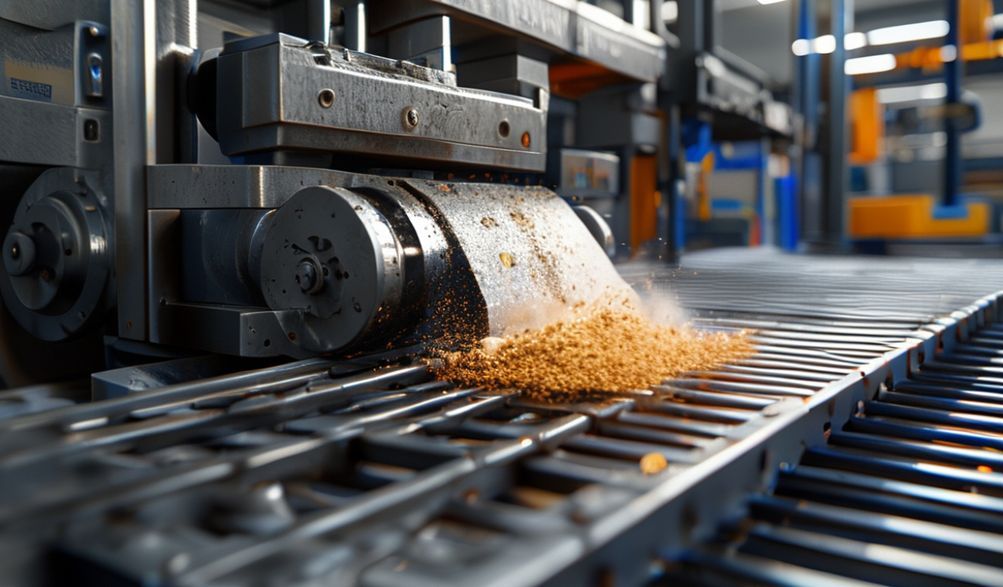
Binneblik: Blokmaakmasjien Video van FUDA Baksteenmaakfabriek
Vir bouers, kontrakteurs en entrepreneurs is die soeke na die regte konstruksie-toerusting 'n hoërisiko-raaisel. Jy balanseer voorafkoste, langtermynproduktiwiteit en die onverbiddelike druk om projekte betyds en binne begroting te lewer. Brosjures is gevul met indrukwekkende spesifikasies, maar hulle laat dikwels 'n kritieke vraag onbeantwoord: "Hoe sal hierdie masjieneintlikpresteer in 'n werklike, daaglikse bedryf?
Hierdie pos sny deur die statika. Ons bied 'n eksklusiewe, gedetailleerde analise wat gegrond is in 'nblokmasjien videovan dieFUDA baksteenvervaardigingsfabriekOns doel is nie om vir jou 'n masjien te verkoop nie, maar om jou met ware insig toe te rus. Deur 'n kundige lens op werklike fabrieksbeelde toe te pas, sal ons visuele bewyse omskep in bruikbare begrip, wat jou help om 'n besluit te neem gebaseer op gedemonstreerde werkverrigting, nie net beloftes nie. Jy sal leer waarna om te soek in enige fabrieksvideo, 'n tegniese uiteensetting kry van 'n FUDA-masjien in aksie, en die deurslaggewende verifikasiestappe ontdek wat daarop volg.
Hoekom Video-Ontleding Krities is vir die Kies van 'n Blokmaakmasjien
In 'n bedryf waar toerusting 'n aansienlike belegging is, is behoorlike sorgvuldigheid nie-onderhandelbaar nie. Terwyl spesifikasievelle 'n noodsaaklike basislyn bied, is dit 'n tweedimensionele momentopname van 'n dinamiese, driedimensionele proses. Video-analise oorbrug hierdie gaping en verander jou van 'n passiewe beoordelaar van data in 'n aktiewe ouditeur van prestasie.
Verby Brochures: Sien is Glo
'n Brochure kan 'n siklustyd van 20 sekondes lys. 'n Video wys jou of daardie siklustyd konsekwent is oor 50 siklusse of of dit wissel met operateur-ingryping. Dit openbaar die masjien se ritme—die gladde, gesinchroniseerde dans (of skokkerige, huiwerige treë) tussen voeding, vorming, verdigting en uitwerping.
Sleutelbeperkings van statiese inligting wat video oorkom:
* Werkvloei-integrasie:Hoe pas die masjien in by die produksielyn? Is materiaalhantering doeltreffend, of is daar duidelike knelpunte?
* Werklike Uitsetkwaliteit:Jy kan die blokke sien die oomblik wanneer hulle uitgestoot word. Hou hulle hul vorm? Is oppervlaktes glad en rande skerp?
* Gebruiksgemak:Let op die operateur se interaksies. Lyk die beheerpaneel intuïtief? Is handhanteer aansienlik of minimaal?
Kern Prestasie Aanwysers om in enige Fabrieksvideo Dop te Hou
Wanneer jy 'n fabrieksvideo kyk, moet jy nie net na die masjien kyk nie—ontleed dit. Oefen jou oog om hierdie kritieke aanwysers te soek:
- Siklustyd Konsekwentheid:Tyd verskeie opeenvolgende siklusse. Teenstrydigheid kan aandui op beheerstelselprobleme of materiaaltoevoerprobleme.
- Trilling & Stabiliteit:Beweeg die masjien hewig, of is die vibrasie beheer en op die vorm gefokus? Oormatige raambeweging kan dui op swak ontwerp of slytasie.
- Voltooide Produk by Uittrede:Pouseer die video wanneer blokke uitgestoot word. Kyk vir:
- Strukturele integriteit (geen versakking of krake nie).
- Dimensionele konsekwentheid oor alle holtes in die vorm.
- Skerp, goed-gedefinieerde rande en hoeke.
- Operateurswerklading:Hoeveel operateurs is aktief betrokke? Doen hulle eenvoudige monitering of inspannende handearbeid?
Gedetailleerde Uiteensetting: Die FUDA Fabriek Blokmaakmasjien in Aksie
Laat ons hierdie analitiese raamwerk op 'n tipieseblokmasjien videovan 'nFUDA baksteenvervaardigingsfabriekOns sal die proses van rou materiaal tot voltooide blok ontleed.
Masjienprofiel: Model en Kernspesifikasies
Terwyl spesifieke modelle verskil, bevat FUDA gewoonlik semi-outomatiese en ten volle outomatiese modelle soos die QT4-25 of QT6-15 in hul demonstrasies. Uit 'n tipiese video kan ons sleutelspesifikasies aflei:
- Tik:Waarskynlik 'n stilstaande hidrouliese pers met hoëfrekwensievibrasie ('n standaard vir kwaliteit soliede/holle blokke).
- Produksiekapasiteit:Afhangende van die model, kan die uitset wissel van 1 500 tot 6 000 standaardblokke per 8-uur skof.
- Outomatiseringsvlak: Videos often show a semi-automatic system, where an operator initiates the cycle and may handle raw material feeding, but the molding, compaction, and ejection are automated.
- Blokvariëteit: These machines typically use interchangeable molds to produce a range of products: solid blocks, hollow blocks, paving stones, and curbstones.
The Raw Material Process: From Mix to Hopper
The journey begins before the machine. In a well-organized factory like FUDA’s, you’ll see:
- Raw Material Storage: Bins or sacks of cement, fly ash (a common eco-friendly additive), and aggregates (sand, stone chips).
- Meng: A separate mixer (pan or planetary) combines materials with water to achieve a uniform, semi-dry concrete consistency. This mix is critical—too wet, and blocks slump; too dry, and they won’t compact properly.
- Voeding: The mixed material is conveyed or fed into the block machine’s hopper. In the video, note the consistency of the feed. A steady, uninterrupted flow is a sign of good material preparation and hopper design.
The Heart of the Operation: Molding and Compaction
This is the core of the blokmasjien video. The hopper feeds material into the mold chamber on a steel pallet. Then, a two-stage process begins:
- Vibrasie: High-frequency, directed vibrations fluidize the concrete mix, allowing it to flow into every corner of the mold cavity. This ensures density and eliminates air pockets.
- Hidrouliese Persing: A hydraulic ram then applies substantial downward pressure (measurable in tons) to the material. This simultaneous vibration and pressure is what creates a densely compacted, strong block with a smooth surface finish.
What to observe: The stability of the mold table during this phase. Effective vibration should be intense but contained, not causing the entire machine frame to shudder.
Ejection and Handling: Assessing Stability and Finish
After compaction, the mold rises, leaving the freshly formed blocks on the steel pallet. This is a telling moment.
- Uitskiet: The pallet, with blocks, is smoothly transferred out of the press area. A well-tuned machine does this without any jarring that could damage the green (uncured) blocks.
- Initial Quality Check: At this point, you can visually assess:
- Edge Sharpness: Blocks should have clean, 90-degree edges.
- Oppervlakafwerking: Top and bottom surfaces should be smooth and even.
- Strukturele Integriteit: No cracks or deformities should be visible.
- Handling: The pallet is then moved by a forklift or roller conveyor to a curing area. This highlights the need for a logical factory layout to support the machine’s output.
Expertise Insights: What This FUDA Machine Video Tells Us About Quality
Translating observations into insights separates casual viewing from expert analysis. Here’s what a detailed look at the FUDA operation suggests.
Design Features for Efficiency and Durability
- Robust Konstruksie: The machine frame visible in these videos is typically made from heavy-duty steel plates and profiles, designed to withstand constant vibration. Look for clean, substantial welds.
- Beheerstelsel: The operator panel is usually centralized and accessible. While we can’t see the software, the repetitive, consistent cycle suggests reliable PLC (Programmable Logic Controller) automation.
- Integration Focus: The fact that the video shows material handling and curing hints at FUDA’s understanding that a machine is part of a system, not an isolated island.
Output Quality Analysis from the Video Feed
Zooming in on the finished product in the video reveals key quality markers:
- Dimensionele Akkuraatheid: Blocks appear uniform in size, suggesting precise mold machining and stable vibration.
- Konsekwentheid: From the first block to the last in a batch, there is no visible deviation in form or finish, indicating a stable and repeatable process.
- Surface Density: The blocks have a sheen of cement paste on the surface, a sign of good compaction that leads to higher strength and better weather resistance.
Comparative Context: How This Machine Stacks Up
A balanced view is essential. Based on typical FUDA factory videos:
- Potential Strengths:
- Simplicity & Reliability: The semi-automatic operation is less complex than a fully robotic line, which can mean easier maintenance and lower initial cost.
- Solid Output Quality: The core vibration and hydraulic process appears effective for producing standard construction blocks.
- System Awareness: Demonstrating the production line context is a mark of a knowledgeable manufacturer.
- Questions for Further Inquiry:
- Long-Term Wear: How accessible are key wear parts like mold liners, vibration motors, and hydraulic seals?
- Noise and Dust: The video may not convey operational noise levels or dust generation, important for workshop planning.
- Changeover Time: How long does it take to switch molds for a different block product?
Trust and Verification: Next Steps After Watching a Factory Video
A compelling factory video is an excellent first step, but it is just the beginning of your verification process. Here’s how to build on that foundation.
Questions to Ask the Manufacturer (Like FUDA)
When you contact FUDA or any manufacturer, use this checklist. Their willingness and ability to answer thoroughly is a major trust signal.
- Specifications & Performance: “Can you provide a certified test report for the compressive strength of blocks produced by this specific model?”
- Support & Warranty: “What is the detailed warranty coverage? What is your guaranteed response time for technical support?”
- Logistics & Parts: “What is the lead time for critical spare parts? Do you provide a recommended spare parts list for the first two years of operation?”
- Verifikasie: “Can you connect me with a current customer in a region with similar climate/raw materials to mine?”
The Importance of Factory Visits and Customer Testimonials
- The Gold Standard: A Physical Visit. If the investment is significant, arrange a factory visit. It allows you to inspect build quality up close, hear the machine run, and gauge the company’s operational culture.
- Virtual Alternative: If travel isn’t feasible, request a live video tour or a video call with their technical team.
- Seek Independent Voices: Search for reviews and videos not published by the manufacturer. Forum discussions, LinkedIn testimonials, and YouTube videos from factory tour vloggers can provide unfiltered perspectives.
Frequently Asked Questions (FAQ)
Q1: What is the estimated production capacity of the FUDA block machine shown in the video?
A: Based on common models like the QT4-25 featured in many videos, capacity can range from approximately 3,000 to 5,000 standard blocks per 8-hour shift, depending on block type and operator efficiency. Always confirm the exact model number with the factory for precise, guaranteed output figures.
Q2: Can this type of machine produce different block sizes and shapes?
A: Yes. Modern block makers like those from FUDA use a system of interchangeable steel molds. The video typically showcases one product. Be sure to inquire about their available mold library and the time required to change molds for different production runs.
Q3: How automated is the process shown? Does it require many operators?
A: The typical FUDA factory video shows a semi-automatic system. This level of automation usually requires 1-3 operators for tasks like feeding raw material into the mixer or hopper, monitoring the machine cycle, and handling pallets of finished green blocks.
Q4: What kind of after-sales service can be expected from a manufacturer like FUDA?
A: Reputable manufacturers should offer comprehensive service packages, including installation guidance (via video or manual), operator training documentation, detailed technical manuals, and a reliable supply of spare parts. Before purchasing, explicitly discuss service level agreements, communication channels, and the availability of local or regional technical agents.
Q5: Where can I find more authentic videos of block making machines in operation?
A: For a well-rounded view, look beyond official channels. Search for:
* Trade Show Footage: Videos from industry exhibitions like BAUMA or Conexpo.
* Independent Reviewers: Channels dedicated to construction machinery.
* End-User Uploads: The most credible sources are often videos posted by current factory owners, which show real, long-term use.
Conclusion
Choosing a block making machine is a decision that reverberates through your projects and profitability for years. As we’ve demonstrated through this breakdown of a FUDA brick making factory video, moving beyond specifications to analyze real-world operation is not just helpful—it’s essential. By focusing on workflow rhythm, machine stability, and tangible output quality, you gain a profound advantage.
Informed decisions are built on a combination of Ervaring (seeing the machine work), Kundigheid (understanding the technical process), Gesaghebbendheid (evaluating the manufacturer’s reputation), and Betroubaarheid (conducting thorough verification). Use the framework from this post as a guide to critically evaluate any equipment video you encounter.
Your next step is clear: Take these insights and engage with manufacturers from a position of knowledge. Seek multiple quotations, demand detailed answers to the questions outlined above, and wherever possible, validate claims through factory audits or independent customer references. Your ideal machine is out there—equip yourself to find it.
<