
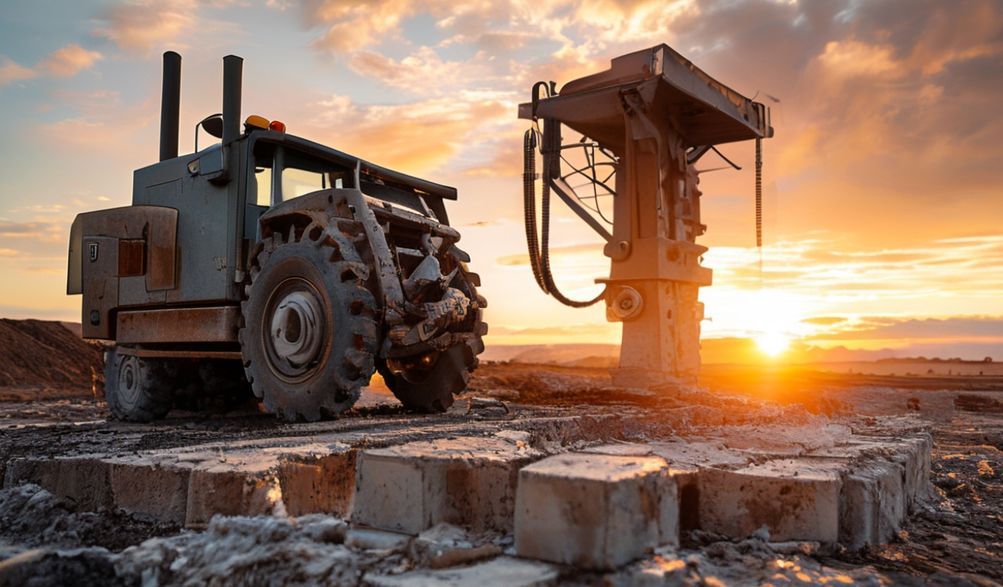
디젤 알 낳기 블록 제작 기계 완벽 가이드: 효율성 및 비용 분석
소개
상상해 보세요: 농촌 지역이나 개발 중인 도시 변두리에 유망한 건설 프로젝트가 있습니다. 저렴한 주택에 대한 수요는 높지만, 전통 벽돌의 비용도 만만치 않습니다. 게다가 전력망은 아예 없거나 매일 예측 불가능한 정전에 시달립니다. 먼 곳에 있는 공장에서 완성된 블록을 운송하는 것은 이미 얇은 마진을 더욱 줄여듭니다. 이와 같은 상황은 전 세계 수많은 중소 규모 건설 업체와 개발자들에게 일상적인 현실입니다.
이 내용이 공감이 간다면, 이 포괄적인 가이드는 필수 자료가 될 것입니다. 우리는 오프그리드 및 비용 효율적인 건축에 있어 핵심적인 도구에 대한 심층적이고 편향되지 않은 분석을 제공할 것입니다:디젤 알 낳기 블록 제작 기계이 가이드는 상세한 산업 사양, 제조사 직접 제공 데이터, 그리고 정제된 실무적 운영 통찰력을 종합하여 마케팅의 잡음을 뚫고 나가도록 설계되었습니다.
우리의 목표는 간단합니다: 여러분이 자신감 있고 정보에 기반한 투자 결정을 내릴 수 있도록 필요한 지식을 제공하는 것입니다. 우리는 특정 브랜드를 홍보하지 않을 것입니다. 대신, 이 견고한 기계들의 장단점, 실제 운영 비용, 그리고 중요한 선택 기준을 철저히 검토할 것입니다. 마지막에는 3D 프린터가디젤 동력 계란 생산 블록 기계올바른 엔진은 당신에게 적합한가요?비용 효율적인, 오프그리드 건설벤처
디젤 알 낳기 블록 제조 기계란 무엇인가요?
이 기계의 핵심은 이동식 자가발전 콘크리트 블록 생산 공장입니다. 디젤 엔진과 독특한 블록 성형 시스템을 결합하여, 현장에서 필수 건축 자재를 생산할 수 있는 다목적 솔루션을 제공합니다.
핵심 기능과 '알 낳기' 메커니즘 설명
"달걀 낳기"라는 이름은 그 작동 방식을 완벽하게 비유합니다. 고정식 블록 제작기가 각 블록을 운반하고 양생하기 위해 나무나 강철 받침대가 필요한 반면, 이 기계는 블록을 성형한 후 닭이 달걀을 낳듯이 바로 평평하게 준비된 지면에 직접 내려놓습니다.
기본적인 과정은 다음과 같습니다:
1. 콘크리트 믹스(시멘트, 모래, 골재, 물)를 기계의 호퍼에 수동으로 투입합니다.
2. 혼합물은 진동 테이블에 장착된 특정 블록 형태의 몰드로 운반됩니다.
강력한 디젤 엔진이 진동기를 구동하여, 고주파 및 고진폭으로 콘크리트 믹스를 다집니다.
동시에, 유압식 또는 기계식 램이 위쪽에서 압력을 가합니다.
다짐이 완료되면 몰드는 수직으로 들어 올려져, 갓 성형된 블록을 깔끔하게 지면에 남겨둡니다.
6. 그런 다음 기계를 수동으로 다음 지점으로 이동하거나 윈치로 당겨 옮긴 후, 이 과정을 반복합니다.
이 논팔렛 시스템은 단순성, 낮은 초기 비용, 그리고 휴대성을 가능하게 하는 핵심입니다.
디젤 엔진의 역할
디젤 엔진은 이 기계의 자립성을 가능케 하는 핵심입니다. 이는 이중의 목적을 수행합니다:
* 주 전원이것은 유압 시스템을 작동시키고, 진동기를 구동하며, 재료 공급 메커니즘에 동력을 공급하는 데 필요한 모든 기계적 에너지를 제공합니다. 이로써 3상 또는 단상 전력망에 대한 의존성이 완전히 제거됩니다.
* 고품질을 위한 고토크디젤 엔진은 특히 저회전수에서 높은 토크 출력으로 유명합니다. 이는 균일하고 강력한 진동으로 이어져 공극이 최소화된 고밀도 고강도 블록 생산에 핵심적입니다. 이러한 일관된 동력은 생산 전 과정에 걸쳐 균일한 블록 품질을 유지하는 데 필수적입니다.
일반적인 출력 및 블록 유형
표준 디젤 알 낳는 기계는 매우 다용도로 사용됩니다. 간단한 금형 교체만으로 다양한 블록을 생산할 수 있으며, 여기에는 다음이 포함됩니다:
* 홀로우 블록: The most common output (e.g., 4″, 5″, 6″ thickness).
* 단단한 블록: For foundations and high-load applications.
* Paving Blocks / Interlocking Pavers:차도, 보도 및 조경용.
* Curved Blocks and other specialty shapes.
The machine’s output is typically measured in blocks per cycle (e.g., 3-4 blocks) and cycles per hour, leading to common production figures like 800-1500 blocks per standard 8-hour shift, depending on model and labor efficiency.
Key Advantages of Choosing a Diesel-Powered Model
Choosing a diesel engine over an electric model is a strategic decision that offers several compelling benefits, particularly in specific operational environments.
Unmatched Operational Independence
This is the paramount advantage. A 디젤 알 낳기 블록 제작 기계 is completely immune to power cuts, low voltage issues, or the complete absence of an electrical grid. This makes it the undisputed champion for:
* Remote rural construction projects.
* Regions with unreliable infrastructure.
* Disaster recovery and rapid deployment construction.
Your production schedule depends on fuel availability, not the utility company.
Robust Power and Consistent Performance
Diesel engines are built for heavy-duty, continuous operation. They deliver:
* High Compression Force: Ensures blocks are well-compacted from the first to the last of the day.
* Stable Vibration: The engine’s consistent RPM under load leads to uniform vibration frequency, which is critical for the structural integrity and aesthetic finish of every block.
* 내구성 Well-maintained diesel engines (e.g., Lister-type, Changfa) are known for decades of service, outlasting many electric motors in harsh, dusty site conditions.
Portability and On-Site Production
The combination of a diesel engine (no power cords) and the egg laying design creates unparalleled mobility. You can produce blocks exactly where they are needed. This eliminates:
* Transport costs for finished blocks from a central plant.
* Handling damage during transit.
* Logistical delays.
The machine can be towed by a tractor or truck to different locations on a large site or between projects.
Long-Term Durability and Lower Maintenance (When Properly Serviced)
While the initial maintenance regimen is strict, the fundamental mechanics of a diesel engine are robust. With proper, timely servicing—regular oil changes, filter replacements, and coolant management—the core power unit can have a very long operational life with relatively predictable maintenance costs compared to complex electrical systems that can be vulnerable to moisture and dust.
Important Considerations and Potential Drawbacks
A trustworthy analysis must present a balanced view. Understanding these challenges is key to successful ownership.
Higher Operational Noise and Emissions
- Noise: Diesel engines are loud. Operating one in a densely populated urban area may lead to noise complaints and is often regulated. Ear protection for operators is mandatory.
- Emissions: The machine produces exhaust fumes. Adequate ventilation is crucial if operating in semi-enclosed spaces, and it is an environmental consideration.
Fuel Cost and Availability Factors
Your operational cost is directly tied to the diesel market.
* Price Volatility: Fluctuating diesel prices can impact your block production cost and profit margins.
* Supply Chain: You must ensure a reliable, on-site fuel supply. Running out of fuel halts production immediately. Secure storage for fuel is also a safety requirement.
Manual Handling and Labor Requirements
Do not mistake “semi-automatic” for “fully automatic.” These machines require significant manual labor:
* Feeding raw materials (sand, aggregate, cement) into the hopper.
* Mixing the concrete (often done in a separate pan mixer).
* Handling and stacking the freshly laid “green” blocks for curing.
* Moving the machine after each cycle (on some models).
A typical setup requires 3-4 workers for efficient, continuous operation.
Initial Investment and Comparison with Electric Models
Generally, the diesel version of an egg laying machine has a higher upfront cost than its equivalent electric model due to the cost of the engine itself. The decision is a trade-off:
* Electric Model: Lower upfront cost, lower per-hour “fuel” cost (electricity), but total dependence on a stable, powerful grid.
* Diesel Model: Higher upfront cost, higher per-hour fuel cost, but complete operational independence.
The right choice is purely determined by your site conditions and access to reliable, affordable electricity.
How to Choose the Right Machine for Your Project
Selecting the correct machine is where due diligence pays off for years. Use this framework for your evaluation.
Assessing Your Production Capacity Needs (Blocks Per Hour/Day)
Match the machine to your project’s scale and timeline.
* Small Projects/Startups: A machine producing 600-800 blocks/8-hour shift may suffice.
* Medium-Scale Commercial Projects: Look for models in the 1000-1500 blocks/shift range.
* 핵심 질문: Does the supplier’s claimed output account for realistic manual feeding and handling times, or is it a theoretical maximum?
Evaluating Diesel Engine Specifications
The engine is your primary investment. Scrutinize it.
* 브랜드 및 평판 Established brands (e.g., Changfa, Deutz, Lombardini) often have better parts availability.
* Horsepower (HP): 12HP to 24HP is common. More HP generally means more vibration power and the ability to handle stiffer mixes for faster demolding.
* 실린더 Single-cylinder engines are simpler; multi-cylinder engines often run smoother.
* Cooling System: Air-cooled is simpler; water-cooled may offer better temperature regulation in very hot climates.
검사해야 할 중요한 기계 구성 요소
Look beyond the engine. The machine’s construction determines block quality and longevity.
* 진동 시스템: It should be a high-frequency, externally mounted eccentric vibrator. Ask about the bearing quality.
* 곰팡이: Check the steel thickness and hardness. Thicker, hardened steel molds resist wear and deformation, ensuring consistent block dimensions for thousands of cycles.
* Frame & Chassis: Must be heavy-duty welded steel to withstand constant vibration without cracking.
* 믹싱 시스템: If it includes a mixer, check the paddle design and gearbox. Many operators prefer a separate, dedicated pan mixer for better mix consistency.
Verifying Supplier Reputation and After-Sales Support
This is the most critical step to mitigate risk.
* History: How long has the supplier/manufacturer been in business? Can they provide client references?
* 예비 부품: Are wear-and-tear parts (molds, vibrator bearings, engine filters) readily available? Request a spare parts list and price catalog.
* 보증: What is covered (engine vs. machine frame)? What are the terms and duration?
* 기술 지원 Do they offer installation guidance, operational training, and troubleshooting help? A reputable supplier will be willing to video call to help diagnose an issue.
Operational Best Practices and Maintenance Checklist
Success lies in daily discipline. Following these procedures will maximize uptime and machine life.
Daily Startup and Shutdown Procedures
- Startup: Check all fluid levels (engine oil, coolant, hydraulic oil). Ensure no tools or debris are in or around the mold. Run the engine at idle for a few minutes to warm up before engaging the vibrator.
- Shutdown: Let the engine idle for a minute to cool down. Clean all concrete residue from the mold, hopper, and feed system with water immediately after the last block. A hardened mix is incredibly difficult to remove.
Essential Routine Maintenance for the Diesel Engine
Follow the engine manufacturer’s manual strictly. Key tasks include:
* Checking and changing engine oil at recommended intervals.
* Cleaning or replacing air filters frequently (dusty sites demand daily checks).
* Replacing fuel filters.
* Checking coolant levels and belt tension.
* Draining water from the fuel sediment bowl.
Maintaining the Block Making Mechanism
- Daily: Clean and lightly oil the mold interior and lifting mechanism to prevent rust.
- Weekly: Grease all lubrication points (zerk fittings) on the vibration table, guide rods, and moving parts.
- Monthly: Inspect bolts and nuts for tightness (vibration loosens them). Check the vibrator mounts for cracks.
Optimal Concrete Mix Design for Quality Blocks
The machine can only compact what you feed it. A poor mix leads to weak blocks.
* Standard Ratio: A common, strong mix is 1 part cement : 6 parts combined aggregate (a blend of sand and 3/8″ crushed stone).
* Water Content: This is critical. The mix should be just wet enough to bind when squeezed in your hand, with no excess water bleeding out. A too-wet mix will cause blocks to slump or crack during demolding.
* 일관성 Use a consistent, measured mix for every batch. Variability is the enemy of uniform block strength.
자주 묻는 질문 (FAQ)
What is the average production output of a standard diesel egg laying machine?
A typical machine, operated by a crew of 3-4, can produce between 800 and 1500 blocks (of 4″ or 5″ size) in an 8-hour shift. Output depends on crew efficiency, mix preparation speed, and the specific machine model.
How much diesel fuel does it consume per hour or per 1000 blocks?
Consumption varies by engine size (HP) and load. A rough estimate is 1.5 to 2.5 liters of diesel per hour. Based on average output, this translates to approximately 10-20 liters of fuel per 1000 blocks produced.
Can this machine produce interlocking paving blocks or only hollow blocks?
Yes, it can produce interlocking paving blocks. You simply need to purchase and install the specific mold for the desired paver shape (e.g., zigzag, cobblestone, rectangle). The machine’s vibration and compaction process is the same.
What is the typical price range, and what factors cause variation?
Prices can range from $4,500 to $12,000+ (USD). Variation is driven by:
* Engine brand and power (HP).
* Build quality (steel thickness, component quality).
* Level of automation (e.g., hydraulic feed vs. manual).
* Included accessories (e.g., is a mixer included?).
* Supplier location and shipping costs.
What are the most common operational challenges, and how can I solve them?
- Block Breakage During Demolding: Usually caused by a concrete mix that is too dry or insufficient vibration time. Adjust water content slightly and ensure the vibrator runs for the full cycle.
- Poor Surface Finish/Weak Blocks: Caused by a mix that is too wet, insufficient cement, or a weak vibrator. Check the mix design and ensure the vibrator is functioning at full power.
- Machine Struggling to Lift Mold: Often due to a concrete mix that is too stiff (low water) or an underpowered hydraulic system. Adjust the mix and ensure the engine is at full operating RPM when engaging the lift.
결론
그디젤 알 낳기 블록 제작 기계 stands as a powerful, independent solution for a specific set of challenges. Its ideal use case is clear: off-grid, remote, or power-unreliable construction projects where robust, on-site production is a necessity, not a luxury.
As we’ve outlined, this is a significant investment where the formidable advantages of fuel-based independence and portability must be carefully weighed against ongoing fuel costs, manual labor requirements, and a disciplined maintenance regimen.
Our final, most crucial recommendation is this: Prioritize a reputable supplier with proven after-sales support over the allure of the lowest price alone. A slightly more expensive machine from a partner who provides training, spare parts, and technical support will save you immense cost and frustration in the long run.
Use this guide as your checklist. Visit suppliers, inspect the machines, ask for client references, and, most importantly, request a live demonstration using your own local sand and aggregate. Seeing the machine produce a stack of solid blocks from your materials is the ultimate test of its suitability for your venture.
<