
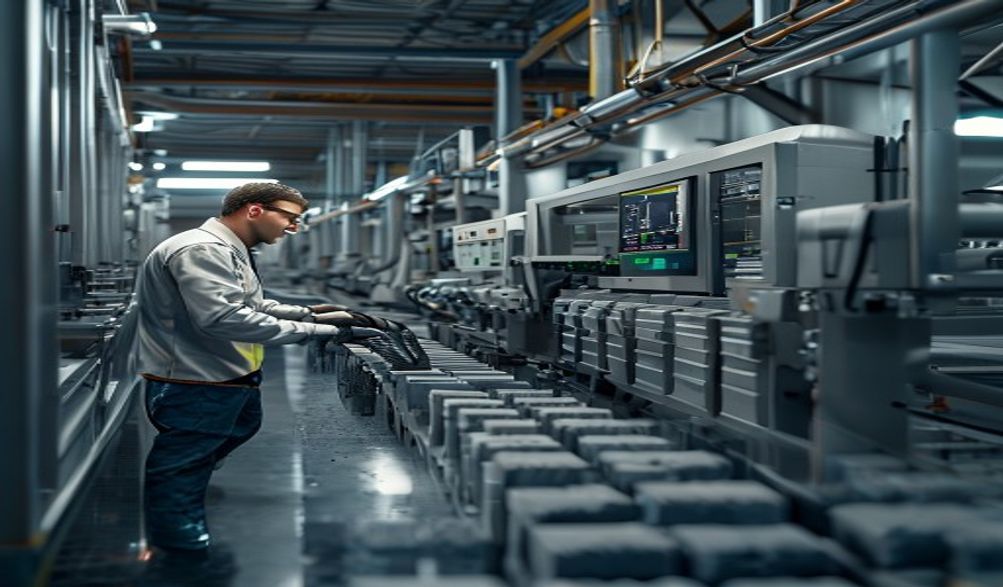
애쉬 벽돌 제조기 선택 방법: 2026년 전문가 구매 가이드
소개
건설 환경이 우리 발밑에서 변화하고 있습니다. 지속 가능성과 비용 효율성에 대한 세계적 관심이 높아짐에 따라, 플라이애시 벽돌이 선두주자로 부상하며 산업 폐기물을 내구성 있고 친환경적인 건축 자재로 변환하고 있습니다. 그러나 이 녹색 사업의 성공은 단 하나의 중요한 결정에 달려 있습니다: 적합한 애시 벽돌 제조 기계를 선택하는 것입니다. 올바른 기계는 수익성의 엔진으로, 제품 품질, 운영 효율성, 그리고 궁극적으로 투자 수익을 결정합니다.
많은 구매자, 즉 신진 창업자부터 기성 건설업자까지, 압도당하는 기분을 느낍니다. 시장은 수많은 옵션으로 넘쳐나고, 기술 사양은 외계어처럼 보이며, 부적합하거나 더 나쁘게는 신뢰할 수 없는 장비에 투자할까 봐 두려움은 현실적입니다. 잘못된 선택은 치명적인 가동 중단, 불량 벽돌, 재정적 부담으로 이어질 수 있습니다.
이 가이드는 불필요한 정보를 걸러내기 위해 설계되었습니다. 수년간의 업계 경험과 기술 전문성을 바탕으로 신뢰할 수 있고 실행 가능한 조언을 제공하여 여러분의 결정을 도울 것입니다. 프로젝트 요구 사항 평가와 다양한 기계 유형 이해부터 기술 사양 평가, 실제 비용 계산, 공급업체 검증에 이르기까지 이 복잡한 구매 과정을 함께 탐색해 나가겠습니다. 끝날 무렵에는 여러분의 성공을 위한 완벽한 기계를 선택할 수 있는 명확하고 자신 있는 로드맵을 갖추게 될 것입니다.
귀하의 요구사항과 프로젝트 범위 이해하기
기계 브로셔 하나를 보기도 전에, 먼저 내면을 들여다봐야 합니다. 가장 정교한 장비도 당신의 구체적인 현실과 맞지 않으면 부담이 될 뿐입니다. 이 기본 단계야말로 경험 많은 운영자들이 시작하는 지점입니다.
원자재(플라이 애시) 공급원 및 품질 평가
기계가 좋은 결과를 내는 것은 투입하는 재료에 달려 있습니다. 플라이 애쉬는 균일한 재료가 아닙니다.
- 일관성이 왕이다일관된 화학적 및 물리적 특성을 가진 신뢰할 수 있는 장기적 플라이 애시 공급은 필수적입니다. 불균일한 애시는 예측 불가능한 벽돌 품질을 초래하여 혼합물을 수동으로 계속 조정해야 합니다.
- 품질이 기계 선택을 좌우한다.회분의 구성(예: 석회 함량, 미분도)은 공정에 직접적인 영향을 미칩니다. 저석회(F등급) 회분은 적절한 결합을 위해 추가 석회나 시멘트가 필요한 경우가 많습니다. 기계의 혼합 시스템은 이러한 첨가제를 균일하게 처리할 수 있도록 충분히 견고해야 합니다. 초기 단계에서 회분의 품질을 이해하면 추후 비용이 많이 드는 개조를 방지할 수 있습니다.
생산 목표 정의: 산출량 및 벽돌 유형
모호한 목표는 모호한 선택을 낳고, 종종 잘못된 선택으로 이어집니다. 구체적인 숫자로 명확히 하세요.
- 현실적인 용량 계산:단순히 '많이 뱉어내야지'라고 생각하지 말고, 필요한 양을 계산하세요.근무 교대당 또는 월간 생산량확정 주문이나 시장 수요를 기준으로 해야 합니다. 기계가 8시간 교대 근무당 만 개의 벽돌을 생산한다는 것은 훌륭해 보이지만, 만약 필요한 게 2,000개뿐이라면 과잉 투자이자 저활용 상태가 됩니다.
- 제품 포트폴리오 결정하기:무엇을 팔고 계신가요?
- 솔리드 브릭:일반 석조 공사용.
- 홀로우 블록:내력벽에 사용되어 더 가벼운 중량과 단열 성능을 제공합니다.
- 포장석 및 인터로킹 블록:조경 및 포장용.
不同的砖块需要不同的模具设计,有时还需要不同的压实机制。确保您选择的机器能够适配所需产品系列的模具。
사이트 및 인프라 고려 사항
The machine must fit your physical and operational environment.
- 우주 You need space for more than just the machine. Factor in:
- Raw material storage (fly ash, sand, lime).
- Mixing area.
- Production floor.
- Curing area (critical for 14-28 days).
- Finished goods storage.
- 힘 What is available? A fully automatic hydraulic machine requires a stable, high-capacity three-phase electrical connection. A manual machine may only need basic single-phase power for a small mixer.
- 노동 Match the machine’s automation to your labor pool. A fully automatic machine needs 1-2 skilled operators. A semi-automatic machine may require 4-5 workers for loading, operation, and stacking. Assess local skill levels and training availability.
Types of Ash Brick Making Machines: A Technical Overview
Understanding the core technologies available is the first step in matching capability to your needs.
수동 및 반자동 기계
- 프로세스: Material is mixed separately and manually fed into a mold. Pressure is applied via a mechanical lever or a small hydraulic system. Bricks are ejected manually and carried to the curing area.
- 장점:
- Low Capital Cost: Minimal initial investment.
- 저전력 소비: Often runs on basic electricity or even manual power.
- 단순함 Easier to understand and repair.
- 단점:
- 저출력일반적으로 하루에 500~2,000개의 벽돌을 생산합니다.
- 높은 노동 집약도 Physically demanding, requiring multiple workers.
- 불일치 Brick density and strength can vary due to manual operations.
- 이상적인 대상: Small-scale startups, community projects, rural areas with limited infrastructure, or businesses testing the market with minimal risk.
완전 자동 고정식 기계
- 프로세스: An integrated system where material feeding, mixing, compaction, and brick ejection are automated via programmable logic controllers (PLCs). The operator primarily monitors the process.
- 장점:
- High Consistency: Automated pressure and cycles ensure every brick meets the same standard.
- Medium-High Output: Ranges from 4,000 to over 15,000 bricks per shift.
- 노동력 감소 Requires only 1-2 trained personnel.
- 단점:
- Higher Investment: Significant upfront cost.
- Complexity: Requires proper installation, training, and maintenance.
- Power Dependency: Needs a stable, high-capacity power supply.
- 이상적인 대상: Established medium to large-scale businesses, supplying consistent demand in urban markets, and projects where quality certification (like IS codes) is mandatory.
Fully Automatic Mobile Block Making Machines
- 프로세스: These are high-output plants, often with a built-in pan mixer and conveyor system. They produce bricks directly on a concrete pallet, which is then moved to curing via a rack system. They are “mobile” in the sense they can be set up on different sites, though setup is major.
- 장점:
- Highest Output: Can produce 20,000+ bricks per shift.
- Superior Product Density: Often use high-pressure vibration for extremely strong bricks/blocks.
- Versatile Siting: Can be established at a central block yard.
- 단점:
- Highest Investment: The most expensive option by far.
- Maximum Infrastructure Needed: Requires a large, solid, level floor (often concrete) and major power supply.
- Complex Operation: Requires a dedicated, skilled team.
- 이상적인 대상: Large-scale commercial production plants, major infrastructure projects, and dedicated block manufacturing yards supplying to a city or region.
평가할 주요 기술 사양
Now, dive into the details. These specs separate marketing hype from operational reality.
코어 머신 사양
- 압력 (톤수): This is arguably the most critical spec. Pressure determines brick density and compressive strength. For quality fly ash bricks meeting IS 12894 or similar standards, you typically need a machine capable of applying at least 80-100 tons of pressure. Don’t compromise here.
- 사이클 타임 및 생산 능력: Cycle time is the time to produce one brick/block. A faster cycle means higher capacity. However, verify the stated “bricks per hour” claim. Is it for a single brick mold or a multi-cavity mold producing 4-6 bricks per cycle?
- 금형 유형 및 맞춤화 Molds are the heart of your product line.
- Interchangeability: How quickly and easily can molds be changed? Look for standardized, bolted systems.
- 내구성 Molds should be made from hardened, high-chrome steel to withstand abrasion.
- Availability: Can the supplier provide custom mold designs for special blocks?
- 자동화 수준: “Automatic” can mean different things. Clarify:
- 급식 Manual, conveyor, or automated hopper?
- 믹싱 Separate mixer or integrated?
- 스태킹: Does it include an automatic stacker, or is this manual?
Power & Performance Metrics
- Motor & Hydraulics: Don’t just note the motor power (e.g., 15 HP). Inquire about the quality of the hydraulic pump, valves, and cylinders. Reputable brands (like Rexroth, Parker, Yuken) indicate a longer-lasting, more reliable system. A cheap hydraulic system is a primary source of leaks and failures.
- 에너지 소비 Ask for the machine’s rated power consumption (kW). Factor this into your long-term operational cost analysis. A more efficient machine may have a higher price tag but lower running costs.
Finished Product Quality Parameters
The machine must be engineered to produce a sellable product.
- 치수 정밀도 The machine must hold tight tolerances (e.g., +/- 1mm) to ensure bricks are uniform and easy to lay.
- Surface Finish & Compaction: The brick should have a smooth, dense surface straight from the mold, indicating proper compaction. Poor compaction leads to crumbling edges and low strength.
- Standard Compliance: The machine should be demonstrably capable of producing bricks that can pass standard tests for compressive strength, water absorption, and dimensional tolerance as per IS 12894 (India) or ASTM C90 (International).
총 소유 비용: 스티커 가격을 넘어서
The purchase price is just the entry fee. Smart buyers calculate the total cost of ownership (TCO).
Initial Investment Breakdown
- Machine Cost: The base price.
- 금형 비용 Often extra. Price your initial set of molds.
- 설치 및 시운전: Will the supplier install it? Is there a cost?
- Initial Training: Is operator training included, or is it an added fee?
- 배송 및 물류 A major cost, especially for international purchases.
Operational & Maintenance Costs
This is where your profit margin is made or lost.
- 힘 Calculate daily consumption based on operational hours.
- 노동 Factor in wages for the required number of operators.
- Routine Maintenance: Oil, filters, grease, and regular wear parts.
- 예비 부품:그availability and cost of local spares (like seals, hoses, relays) is crucial. A machine with no local support can be down for weeks waiting for a single part.
Calculating ROI (Return on Investment)
Create a simple framework:
1. Total Annual Cost: Sum of all fixed (depreciation, loan interest) and variable (power, labor, maintenance, raw materials) costs.
2. Annual Revenue: Estimated bricks produced * sale price per brick.
3. Annual Profit: Revenue – Total Cost.
4. 회수 기간: Total Initial Investment / Annual Profit.
A detailed ROI analysis turns an emotional purchase into a strategic business decision.
Vetting Manufacturers and Ensuring After-Sales Support
Your relationship with the manufacturer is as important as the machine itself.
How to Research and Shortlist Manufacturers
- Reputation & Longevity: Prioritize companies with a solid track record of 10+ years. They’ve likely solved common problems.
- 클라이언트 포트폴리오: Ask for references, preferably in your region or with similar production goals. A video testimonial is more valuable than a stock photo.
- Site Visit: If feasible, visit the manufacturer’s factory. Assess their build quality, testing procedures, and organization. Even more powerful: visit an existing customer’s plant to see the machine running.
Non-Negotiable After-Sales Services
- 종합 보증: A minimum of 12 months on the entire machine, with clear terms on what’s covered and what’s considered wear-and-tear.
- 설치 및 교육: Insist on supervised installation and hands-on training for your operators at your site.
- 기술 지원 Guaranteed access to technical support via phone, WhatsApp, or video call. Ask about their average response time.
- 예비 부품 공급: Get a written commitment on the availability of critical spare parts and their price list.
Requesting and Comparing Quotations
A professional quote should be detailed and transparent.
- What to Demand: Itemized pricing (machine, molds, accessories), detailed technical specifications, drawings, warranty certificate, service terms, and delivery schedule.
- Red Flags: Vague specs, pressure to pay 100% upfront, refusal to provide customer contacts, quotes significantly lower than the market average (often indicating substandard components), and poor communication.
자주 묻는 질문 (FAQ)
Q1: What is the average cost range for an ash brick making machine?
A: Prices vary dramatically. A small manual machine can start around $2,000 – $5,000. A robust semi-automatic machine may range from $10,000 – $25,000. Fully automatic stationary machines typically fall between $30,000 – $80,000, while large mobile plants can exceed $150,000. Always get detailed, itemized quotes for accurate comparison.
Q2: Can one machine produce different types and sizes of bricks?
A: Yes, most machines can—but only with interchangeable molds. The key question for the supplier is: How quick and easy is the mold changeover? Some systems allow changes in 15 minutes; others may take hours. Also, confirm the cost of each additional mold.
Q3: How much manpower is required to operate a semi-automatic vs. fully automatic machine?
A:한국어로 번역합니다. 출력은 번역된 텍스트만 포함합니다.반자동 machine, plan for 3-5 workers (material handling, feeding the machine, stacking bricks). For a 완전 자동 machine, you typically need 1-2 skilled operators primarily for monitoring, minor adjustments, and managing the output stacker.
Q4: What are the most common maintenance issues, and how can I prevent them?
A: The most common issues are hydraulic oil leaks (from poor-quality seals/hoses), mold wear, and electrical control panel faults. Prevention is straightforward: follow the supplier’s preventive maintenance schedule religiously, use recommended oils and greases, and ensure operators are properly trained to spot early warning signs like unusual noises or pressure drops.
Q5: How do I ensure the bricks produced meet official quality standards?
A: First, ensure your machine has sufficient pressure (tonnage). Second, maintain a consistent, high-quality raw material mix recipe. Third, follow proper curing procedures (keeping bricks moist for 14-28 days). Finally, conduct periodic compressive strength and water absorption tests at a certified construction materials laboratory. The machine enables quality, but you must control the process.
결론
Choosing an ash brick making machine is a strategic journey, not a simple purchase. It begins with a clear-eyed assessment of your own needs—your materials, your goals, your site. From there, you match those needs to the appropriate machine type, scrutinizing the technical specifications that truly matter: pressure, capacity, and build quality. You then look beyond the price tag to understand the total cost of ownership and, most importantly, partner with a manufacturer whose reputation and after-sales support are beyond reproach.
This investment is the foundation of your business. Rushing this decision, or basing it solely on the lowest price, is the most common and costly mistake. Use this guide as your definitive checklist. Be patient, ask the hard questions, and conduct thorough due diligence. By leveraging this expert-backed approach, you will not just buy a machine; you will invest in a reliable, profitable future in the sustainable construction industry. Take this knowledge, engage with suppliers confidently, and build your success from the ground up.
<