
인터로킹 토양 블록 머신 최종 가이드: 지속 가능하게 건설하기 (Note: The translation provided is a direct and natural rendering of the English title into Korean, maintaining the original meaning and structure. "Interlocking Soil Block Machines" is translated as "인터로킹 토양 블록 머신," which is a common technical term in Korean for such equipment. "Build Sustainably" is translated as "지속 가능하게 건설하기," capturing the essence of sustainable construction practices.)
소개
글로벌 과제는 분명합니다: 저렴한 주택에 대한 수요가 증가하는 동시에 기존 건설 방식이 환경에 미치는 부담도 커지고 있습니다. 지속 가능하고, 견고하며, 비용 효율적인 건축 솔루션을 찾는 것이 그 어느 때보다 시급합니다. 이러한 탐색 속에서 강력하면서도 우아할 정도로 단순한 기술인 인터로킹 흙 블록(ISB) 기계가 주목받고 있습니다.
이 가이드는 ISB 기계를 단순한 도구가 아닌 건설 분야의 혁신적 접근법으로 소개합니다. 이 기술은 개인, 지역사회, 개발자들이 발 아래 있는 흙으로부터 강력하고 아름답며 친환경적인 구조물을 세울 수 있도록 돕습니다. 우리의 논의는 공학적 원칙, 현장 실무 경험, 신뢰할 수 있고 실천 가능한 정보를 제공하려는 의지를 기반으로 합니다. 우리의 목표는 이 변혁적인 기술에 관한 권위 있는 정보원이 되는 것입니다.
"연결형 흙 블록 기계"의 복잡한 구조를 탐구함으로써, 여러분은 그 작동 원리, 심오한 이점, 사용 가능한 다양한 유형, 그리고 성공적으로 사용하기 위한 중요한 단계들을 배우게 될 것입니다. 스스로 건축하는 사람이든, 개발 전문가이든, 지속 가능한 대안에 대해 단순히 궁금한 사람이든, 이 가이드는 흙 선택부터 견고한 벽까지 포괄적인 여정을 약속합니다.
인터로킹 토양 블록 머신이란 무엇인가? (핵심 기술 이해하기)
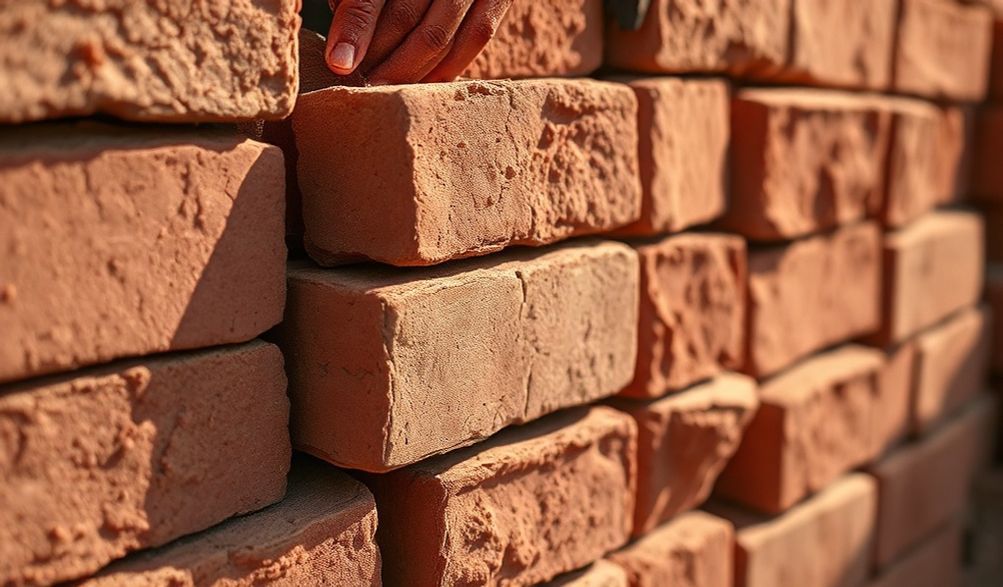
인터로킹 흙 블록 기계의 핵심은 축축한 흙을 고밀도의 정밀한 형태의 건축 블록으로 압축하는 장치입니다. 이 기계의 결정적 특징은 각 블록에 성형된 인터로킹 설계로, 이를 통해 블록들이 퍼즐 조각처럼 맞물리며 종종 모르타르 없이도 결합될 수 있습니다.
기본 원리: 압축과 인터록
메커니즘은 아름답도록 직관적입니다.
- 압축습한 흙과 소량의 시멘트나 석회를 혼합하여 안정화된 재료를 강철 몰드에 넣습니다. 그런 다음 수동, 유압 또는 기계식 고압 압축기가 이 재료를 압축합니다. 이 힘은 흙 입자를 정렬시키고 공기 주머니를 제거하여 놀라운 강도의 블록을 만들어냅니다.
- 인터록:일반적인 직사각형 벽돌과 달리, ISB는 상단에 돌출된 패턴(혀)이 있고 하단에는 이에 대응하는 홈이 있습니다. 일부 디자인은 측면에 퍼즐 같은 모서리도 갖추고 있습니다. 이를 통해 블록들이 수직 및 수평으로 고정되어 "건식 쌓기"를 통해 안정적이고 일체화된 벽체 시스템을 형성할 수 있습니다.
간략한 역사와 세계적 영향
현대적 개념은 1950년대에 개발된 수동식 CINVA Ram에서 발전했습니다. 오늘날의 기계는 그 원래 아이디어의 정교한 변형으로, 수동 프레스에서 완전 자동화 생산 라인에 이르기까지 다양합니다.
글로벌 영향은 상당합니다. ISB 기술은 다음과 같은 분야에서 핵심적인 역할을 해왔습니다:
* 재해 후 재건아이티와 네팔 같은 지역에서 신속하고 저비용의 주택을 제공합니다.
* 저렴한 주택 프로젝트아프리카, 아시아, 라틴 아메리카 전역에 걸쳐
* 지속 가능한 건축전 세계적으로 에코 로지에서 사택에 이르기까지, 낮은 내재 에너지와 우수한 단열 성능으로 귀중히 여겨집니다.
인터로킹 흙 블록 기계 사용의 주요 이점
이 기술의 장점은 경제적, 환경적, 구조적 영역에 걸쳐 있어, 그 채택을 위한 설득력 있는 근거를 제시합니다.
경제적 및 접근성 장점
- 급격한 재료비 절감주성분인 흙은 현장이나 지역에서 저렴하게 조달할 수 있는 경우가 많습니다. 이는 구운 벽돌이나 콘크리트 블록의 주요 비용을 없애줍니다.
- 낮은 운영 비용:일단 기계를 구입하면 생산 비용이 매우 낮아 최소한의 에너지(특히 수동 모델의 경우)와 노동력만 필요합니다.
- 수익 창출 잠재력:소유자는 소규모 사업을 설립하여 지역사회를 위한 블록을 생산하고, 지역 일자리를 창출하며,저비용 건물그리고저렴한 건축. 이니셔티브.
환경 및 지속 가능성 혜택
- Minimal Carbon Footprint: The process requires no firing, saving vast amounts of fossil fuels and avoiding the CO2 emissions associated with cement or brick kilns.
- Local & Natural Materials: It utilizes subsoil, a renewable local resource, reducing the environmental damage from quarrying and long-distance transport of materials.
- 뛰어난 열 질량 Compressed earth blocks have excellent thermal mass, absorbing heat during the day and releasing it at night, naturally regulating indoor temperatures and slashing energy bills—a hallmark of eco-friendly construction그리고sustainable building material.
Structural and Practical Perks
- 높은 압축 강도: Properly made and cured blocks can achieve strengths comparable to or exceeding conventional fired clay bricks.
- Faster Construction Speed: The interlocking, mortar-less system allows walls to rise quickly, as there’s no waiting for mortar to set between courses.
- 디자인 유연성 The blocks can be easily shaped on-site for creating curved walls, arches, and various architectural features, offering great aesthetic freedom.
Types of Interlocking Soil Block Machines: Choosing the Right One
Selecting the correct machine hinges on your project scale, budget, and labor availability. Here are the three main categories.
Manual Press Machines (The Entry-Level Option)
- 설명: Operated by a long lever, these rely on human power to generate compression force. They are highly portable and simple.
- 장점: Lowest upfront cost, no need for electricity or fuel, extremely portable, easy to maintain.
- 단점: Physically demanding, slower production rate (e.g., 60-100 blocks per person per day), requires consistent effort for uniform block quality.
Hydraulic Machines (The Balanced Performer)
- 설명: These use a hydraulic system to apply pressure. They can be powered by a manual hand pump, an electric motor, or a petrol/diesel engine.
- 장점: Delivers higher, more consistent pressure for stronger blocks. Significantly increases production output with less physical labor. Offers a great balance of capability and cost. Often marketed as a hydraulic brick press또는압축 토관 블록 제작기.
- 단점: Higher initial investment than manual presses. Requires basic maintenance of hydraulic components. Engine or electric models need a power source.
Fully Automated Machines (The High-Production Solution)
- 설명: These are motorized, stationary systems that often integrate a mixer, conveyor, and multiple presses. They produce blocks in a continuous, automated cycle.
- 장점: Very high, consistent output (thousands of blocks per day), minimal manual labor, and excellent block uniformity. Ideal for commercial ventures.
- 단점: Requires a substantial capital investment, a reliable power supply, and more space. They are not portable. These are true automatic soil block maker systems for commercial block making machine작업.
The Step-by-Step Process: From Soil to Solid Wall
Success with ISBs depends on a meticulous process. Skipping steps compromises quality and strength.
Step 1: Soil Testing and Selection (The Critical Foundation)
Not all soil is suitable. The ideal soil is a “loam” containing a balanced mix of:
* 클레이: Acts as the natural binder.
* 실트: Fills voids.
* 모래 Provides skeletal strength and reduces shrinkage.
Perform these simple field tests:
* Jar Test: Layer soil and water in a clear jar, shake, and let settle. The layers will show approximate ratios of sand, silt, and clay.
* Ribbon Test: Moisten soil and try to roll it into a thin ribbon. If it forms a ribbon 2-3 cm long before breaking, the clay content is likely adequate.
Step 2: Material Preparation and Stabilization
- 체질: Remove stones, roots, and organic matter.
- 안정화: For permanent, load-bearing structures in most climates, a stabilizer is essential.
- 시멘트 (5-10%): Most common. Provides high strength and water resistance.
- Lime (5-15%): Good for clay-rich soils, offers flexibility.
- 믹싱 Combine soil, stabilizer, and water thoroughly. The moisture content is critical—aim for “optimum moisture” where a handful of mix holds its shape when squeezed but crumbles when poked.
Step 3: Block Production and Curing
- 생산 Fill the machine’s mold with the prepared mix, operate the press to compress, then eject the finished block.
- 치유: This is where blocks gain strength. Stack them in a shaded area, cover with plastic sheeting, and keep them damp by lightly sprinkling with water for 7-14 days. Proper curing is non-negotiable for durability.
Critical Considerations Before You Buy or Use a Machine
Project Scope and Scale Assessment
자문해 보세요:
* How many blocks do I need for my project?
* What is my timeline?
* What is my budget for the machine and labor?
Your answers will clearly point you toward a manual, hydraulic, or automated system.
Soil Suitability and Local Regulations
- Professional Testing: For large projects, invest in a lab soil test for precise composition and recommended stabilizer percentages.
- Building Codes: Crucially, check your local building regulations. While earth construction is gaining acceptance, you may need permits or to demonstrate compliance with specific engineering standards. This due diligence is key to establishing trustworthiness in your build.
Machine Specifications and Supplier Vetting
주요 검토할 사양:
* Block dimensions and interlock design.
* Compression pressure (measured in MPa or PSI). Higher pressure generally means stronger blocks.
* Production capacity (blocks per hour/day).
* Machine weight and build quality (thick steel is better).
* Warranty and availability of spare parts.
Choosing a supplier:
* Seek companies with a proven track record.
* Ask for customer references and contact them.
* Look for suppliers who offer comprehensive training—this is a major value-add.
Frequently Asked Questions (FAQ) About Interlocking Soil Block Machines
Q1: How strong are interlocking soil blocks compared to fired bricks or concrete blocks?
A: With proper soil mix and stabilization (e.g., 5-10% cement), ISBs can achieve a compressive strength of 3-10 MPa, which meets or exceeds the strength of standard fired clay bricks (3.5-7 MPa). They are perfectly suited for durable, load-bearing walls in 1-3 story buildings.
Q2: Can I use any type of soil from my property?
A: Not all soil is suitable. Pure clay will shrink and crack; pure sand will not bind. The ideal soil is a blend. Simple field tests like the jar test and ribbon test are essential first steps to determine suitability.
Q3: Are buildings made with these blocks waterproof?
A: The blocks are weather-resistant but not waterproof. Like most masonry, they require protective detailing: a raised foundation, adequate roof overhangs, and a breathable plaster render (e.g., earthen or lime-based plaster). The interlocking design itself provides excellent resistance to rain penetration.
Q4: What is the typical cost range for a machine?
A: Manual presses range from \$500 – \$2,500. Hydraulic machines typically cost \$2,500 – \$15,000. Fully automated production systems start around \$20,000 and can exceed \$100,000. Prices vary by capacity, automation, and region.
Q5: Is special training required to operate the machine and build with the blocks?
A: Basic machine operation is simple to learn. However, comprehensive training in soil science, mix design, block production, and—most importantly—construction techniques (lintels, rebars, bond beams, plumbing/electrical integration) is highly recommended for ensuring structural integrity, safety, and a long-lasting building.
결론
The interlocking soil block machine stands as a testament to the power of appropriate technology. It offers a tangible path toward sustainable, economical, and resilient construction, putting the power to build back into the hands of communities and individuals. As we’ve explored, its success is not magic—it’s the application of expert knowledge in soil mechanics, learning from experienced practitioners, investing in trustworthy equipment, and adhering to proven best practices.
Your journey starts with understanding your local soil. We encourage you to take that first step: perform a simple jar test, connect with sustainable building organizations in your area, and reach out to reputable machine manufacturers for detailed specifications. In an era demanding smarter resource use, interlocking soil block technology isn’t just an alternative; it’s a forward-looking, practical choice for the future of building.
<