
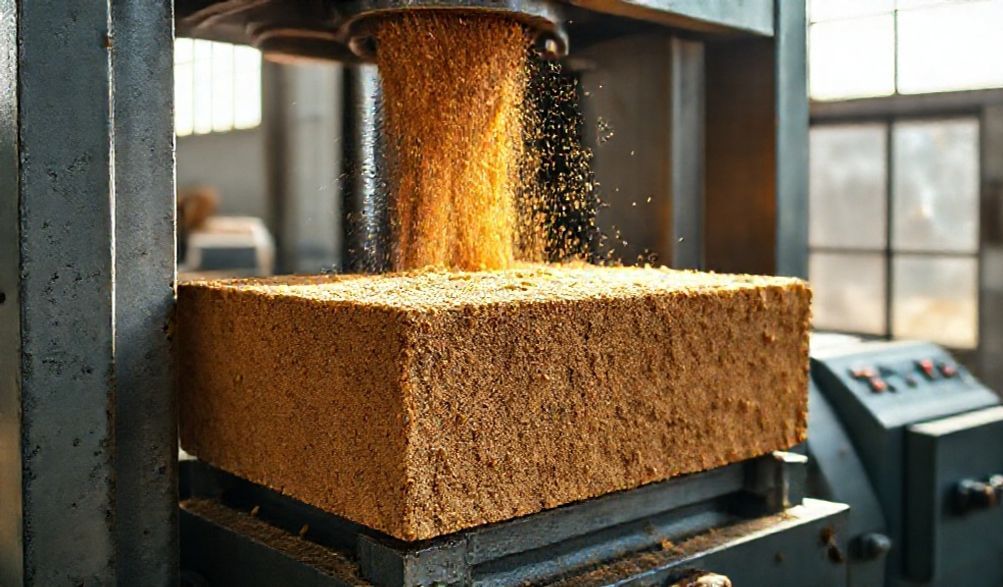
코코피트 블록 제조 기계의 궁극적인 가이드: 공정, 이점 및 선택 방법 (Note: The translation maintains the original title's structure and key terms. "Coco Peat Block Making Machines" is translated as "코코피트 블록 제조 기계," which is a direct and commonly used term in Korean for such equipment. The subtitle "Process, Benefits & How to Choose" is translated as "공정, 이점 및 선택 방법," accurately conveying the meaning while keeping it concise and natural in Korean.)
소개
15년 이상, 우리 팀은 코이어 가공 산업의 중심에서 겸손한 코코넛 껍질을 세계적으로 가치 있는 상품으로 변환하는 기계를 설계, 제조 및 공급해 왔습니다. 우리는 동남아시아, 유럽 및 아메리카 전역의 스타트업부터 산업 규모의 운영에 이르기까지 직접 협력하며 코코피트 생산의 도전과 성과를 가장 가까이에서 목격해왔습니다. 이러한 실제 경험은 본 가이드의 모든 조언에 반영되어 있습니다.
코코피트는 코코넛 껍질에서 추출된 탄력 있고 스펀지 같은 먼지로, 지속 가능한 재배 매체에 혁명을 일으켰습니다. 취미로 가드닝을 하는 사람부터 상업용 온실 운영자에 이르기까지, 이 이탄 모스 대체제에 대한 수요가 급증하고 있습니다. 이 시장에 진입하거나 지배하려는 기업들에게 있어 수익성 있는 운영과 물류적 골칫거리의 차이는 종종 한 가지 중요한 장비로 귀결됩니다:코코피트 블록 제작 기계.
이것은 단순한 압축을 넘어, 느슨하고 부피 큰 원료를 일관적이고 운송 가능하며 시장 출시 준비가 완료된 제품으로 변환하는 과정입니다. 이 포괄적인 가이드는 우리의 깊은 산업 전문성을 바탕으로 블록 제조 기계의 전체 생태계를 안내합니다. 기계의 작동 원리를 명확히 설명하고, 그 이점을 수치화하며, 여러분의 사업에 맞는 적절한 기계를 선택하기 위한 상세한 체크리스트를 제공할 것입니다. 성공적인 코코피트 블록 생산 라인을 구축하기 위한 기초 설계도로 삼아 주십시오.
코코피트 블록 제작 기계란 무엇인가요?
코코피트 블록 성형기의 핵심은 가공의 최종 단계에서 최대 가치를 더하도록 설계된 정밀 프레스입니다. 이 장비는 준비된 보송보송한 코코피트를 받아 밀도 높고 취급이 쉬운 단위로 변환합니다.
핵심 기능과 출력
- 주요 기능가공된 코코피트(코이어 피트)에 엄청난 압력을 가해 단단하고 균일한 모양으로 압축합니다.
- 표준 출력 형식:기계는 선반에서 볼 수 있는 익숙한 제품들을 만들어냅니다.
- 벽돌/블록:가장 일반적인 형태로, 일반적으로 직사각형입니다.
- 성장백분해 가능한 메쉬 백에 압축된 이탄.
- 디스크/펠릿작고 둥근 모양으로 종자 발아에 자주 사용됩니다.
껍질에서 블록으로: 가치 사슬에서 기계의 역할
블록 메이커는 다단계 과정의 정점에 있습니다. 그 위치를 이해하는 것이 핵심입니다:
1. 탈섬유화:코코넛 껍질에서 긴 코이어 섬유를 분리합니다.
2. 이탄 추출:고운 속살을 갈아서 모으는 중입니다.
3. 건조:수분을 최적 수준(일반적으로 12-15%)으로 낮추기
4. 체질:불순물을 제거하고 균일한 입자 크기를 보장합니다.
5. 압축 (이 기계의 역할):이곳은 가치가 공고해지는 장소입니다. 대량 생산을 획기적으로 줄이고, 안정적인 제품을 창출하며, 브랜딩을 가능하게 합니다.
6. 포장:소매용 또는 벌크 팔레타이징을 위한 블록 포장.
블록 제작 기계는 물류 비용을 대폭 절감함으로써 먼 시장에서 제품을 경제적으로 생산 가능하게 만드는 핵심 연결 고리입니다.
코코피트 블록 제조 기계는 어떻게 작동하나요?
이 과정은 단순하면서도 효과적인 공학의 경이로움입니다. 안쪽부터 차근차근 살펴보겠습니다.
주요 구성 요소와 그 기능
모든 기계는 여러 핵심 구성 요소를 중심으로 설계됩니다.
* 호퍼:전처리된 마른 코코피트가 기계에 투입되는 진입점입니다. 이 설계는 일관적이고 막힘 없는 흐름을 보장합니다.
* 압축 챔버 및 금형이것은 블록의 모양과 크기를 결정하는 "심장부"입니다. 이는 피트가 압축되는 경화된 강철 캐비티입니다.
* 프레스 메커니즘 (유압식 또는 기계식)힘의 원천. 유압 시스템은 유체 압력을 사용하는 반면, 기계식 시스템은 크랭크나 플라이휠을 사용하여 램을 구동합니다.
* 제어판 The brain of the operation, especially in advanced models. It allows operators to set pressure, cycle time, and monitor functions.
* 배출 메커니즘: Once compressed, a system (often part of the ram’s return stroke or a separate pusher) discharges the finished block onto a conveyor or table.
The Step-by-Step Compression Process
The operation follows a precise, repeatable cycle:
1. 급식 Sieved coco peat is loaded into the machine’s hopper, either manually or via an automated feeding system.
2. Metering: A precise volume of peat is measured into the compression chamber. This ensures every block has identical weight and dimensions.
3. 압축 The hydraulic ram or mechanical press drives forward with immense force (often 20-100+ tonnes), compacting the loose peat into a dense, solid block within the mold.
4. 이젝션 The ram retracts, and the ejection mechanism pushes the finished block out of the mold.
5. Stacking/Packaging: Blocks are conveyed or manually moved to be wrapped, labeled, and palletized for storage or shipment.
Types of Machines: Hydraulic vs. Mechanical
Choosing between these two core technologies is a fundamental decision.
-
유압 프레스 기계:
- 장점: Offer superior control with adjustable pressure, which is perfect for creating blocks of varying densities. They provide a smoother compression stroke, are generally quieter, and are easier to automate. Ideal for high-quality, high-density blocks.
- 단점: Can have a slightly slower cycle time than mechanical presses. The hydraulic system requires regular maintenance (fluid checks, seal inspections) and can have a higher initial cost.
-
Mechanical Press Machines:
- 장점: Known for robustness, high speed, and fast cycle times. Often have a simpler design with potentially lower upfront costs and can be very efficient for high-volume production of standard-density blocks.
- 단점: Less flexibility in adjusting pressure. The mechanical action (cranks, flywheels) can create more vibration and noise. May be less suitable for producing very high-density blocks without significant design adjustments.
Key Benefits of Using a Dedicated Block Making Machine
Moving from manual packing or using inadequate equipment to a dedicated machine is transformative. Here’s why.
Unmatched Product Consistency and Quality
- A machine eliminates human variability. Every block has the exact same dimensions, weight, and density.
- This consistency is non-negotiable for building a trusted brand. Commercial buyers, in particular, rely on predictable block expansion and performance.
Dramatic Increase in Production Efficiency
- Compare a machine producing 500-1000 blocks per hour to a team of workers manually packing. The labor savings are immediate and substantial.
- Machines enable 24/7 operation, allowing you to scale output to meet large orders without a linear increase in labor costs.
Significant Cost Savings on Logistics and Storage
- This is the most compelling financial benefit. Compression can reduce the volume of coco peat by 5 to 10 times.
- You ship and store “product,” not “air.” This directly translates to lower freight costs, fewer pallets, and reduced warehouse space requirements.
Enhanced Marketability and Professional Appeal
- Neat, uniform, and tightly wrapped blocks look professional. They allow for clear branding with labels or printed packaging.
- A premium, consistent product commands a better price point and appeals to discerning retail customers and large-scale agricultural operations alike.
Critical Factors to Consider Before Buying
This is where due diligence separates a wise investment from a costly mistake. Use this as your checklist.
생산 요구사항 평가하기
Ask yourself these questions first:
* What is my target daily/weekly output? (e.g., 2 tons per day vs. 20 tons per day).
* What block size and density does my target market demand? (e.g., 5kg bricks for retail, 650g blocks for hydroponics).
* What is the quality of my raw coco peat? Is it consistently sieved and dried? The machine can only work with what you feed it.
Machine Specifications and Features to Scrutinize
When reviewing supplier brochures, go beyond the price tag:
* 압력 용량 Measured in tonnes. Higher pressure (e.g., 50-100T) allows for denser, more compact blocks.
* 사이클 타임: Seconds per block. This directly determines your hourly output.
* 자동화 수준: Manual (operator feeds and removes each block), Semi-Automatic (auto compression, manual feed/eject), or Fully Automatic (integrated feeding and ejection conveyor systems).
* 빌드 품질: Inspect the quality of steel used, the welding, and the reputation of key components like hydraulic pumps or electrical systems.
Power Source and Operational Costs
- 전기 Cleaner, quieter, and often more cost-effective for fixed installations with reliable grid power. Consider your local electricity costs and stability.
- 디젤: Essential for locations with unreliable electricity. Offers mobility but comes with fuel costs, exhaust, and higher maintenance.
- Always calculate the Total Cost of Ownership, including energy consumption, routine maintenance, and part replacement.
Supplier Reliability and After-Sales Support (A Key Trust Signal)
The machine is only as good as the company behind it.
* 보증:어떤 내용이 포함되며, 얼마나 오래 적용되나요?
* 예비 부품: Are they readily available? What is the lead time for critical components?
* 기술 지원 Do they offer installation, on-site training, and remote troubleshooting?
* 확인: Request client references. If possible, visit an existing installation to see the machine running.
Common Challenges and Maintenance Tips
Proactive knowledge prevents downtime. Here’s wisdom from the field.
Troubleshooting Frequent Operational Issues
- Blocks Not Holding Shape/Crumbling: Almost always a raw material issue. Check the moisture content—it’s likely too low (<10%) or uneven.
- Machine Jamming or Block Sticking in Mold: Can be caused by foreign material (stones, metal) in the peat or by peat that is too wet and sticky. A damaged or poorly finished mold surface can also cause sticking.
- Inconsistent Block Weight: Check the feeding and metering system for clogs or irregularities. Ensure a consistent flow of material into the hopper.
Essential Daily and Periodic Maintenance
- Daily: Thoroughly clean the hopper, compression chamber, and molds to prevent peat buildup. Check hydraulic fluid levels and look for leaks. Lubricate all moving points as per the manual.
- Weekly/Monthly: Inspect wear parts like the mold liners, ram head, and seals. Tighten any loose bolts and connections. Check electrical connections.
- Annually: Consider a full professional service, including hydraulic fluid change and a comprehensive system check.
Ensuring Optimal Raw Material Input
The machine is not a miracle worker. It requires proper input:
* Moisture Content is King: Aim for 12-15%. Use a moisture meter. Peat that is too wet won’t compress properly and risks mold; peat that is too dry creates dusty blocks that don’t expand well.
* Sieving is Non-Negotiable: All peat must pass through a fine sieve (e.g., 6mm) to remove fibers, husk chips, and impurities that will damage the machine and create an inferior product.
자주 묻는 질문 (FAQ)
What is the average production capacity of these machines?
Capacity varies widely. Small-scale manual machines may produce 100-200 kg per hour. Semi-automatic models range from 300-600 kg/hr. Industrial, fully automatic lines can exceed 1000-1500 kg/hr. Your required output is the first spec to define.
Can one machine produce different block sizes and shapes?
Yes, but this depends on the machine’s design. Most quality machines allow for 교환 가능한 몰드. You can swap the mold/die to produce different brick sizes, grow bags, or discs. Always confirm this flexibility and the cost of additional molds with your supplier.
What is the approximate price range for a coco peat block making machine?
It’s a broad spectrum. Basic manual presses can start from $5,000 – $10,000. Robust semi-automatic hydraulic machines typically range from 1만 5천 달러 – 4만 달러. High-capacity, fully automated production lines with conveyors and PLC controls can reach $70,000 – $150,000+. Always get a detailed quotation based on your specific specifications.
How important is the moisture content of the coco peat before compression?
It is the single most critical factor for quality and machine health. The industry standard is 12-15%. At this level, the peat particles bind under pressure without requiring additives. Incorrect moisture leads to production failures, poor block expansion, and potential mold growth in the final product.
Are there any safety precautions for operating this machinery?
Absolutely. Always:
* Ensure all safety guards are in place before operation.
* Provide thorough operator training on start-up, shutdown, and emergency procedures.
* Implement lock-out/tag-out (LOTO) protocols during any maintenance or clearing of jams.
* Wear appropriate personal protective equipment (PPE), including safety glasses and hearing protection, especially near mechanical presses.
결론
투자하기코코피트 블록 제작 기계 is more than a capital expenditure; it’s a strategic commitment to quality, efficiency, and scalability. It is the essential engine that converts your processed raw material into a profitable, globally competitive product. By understanding the intricate workings, tangible benefits, and critical selection factors outlined in this guide—knowledge distilled from years of direct industry involvement—you are now equipped to make a confident, informed decision.
Ready to take the next step? We strongly recommend moving from research to engagement. Contact several reputable suppliers, request detailed specifications and quotations, and insist on seeing video demonstrations or, ideally, arranging a visit to a working installation. The right machine is not just a piece of equipment; it’s the foundation of your business’s growth and reputation in the sustainable agriculture market.
For over 15 years, CoirTech Solutions has been engineering and supplying durable, high-performance coco processing machinery to businesses worldwide. Contact our expert team today for a personalized consultation to find the perfect block making solution tailored to your production goals.
<