
Quomodo Apparatus ad Lateres Cinerarios Faciendos Eligatur: Ductor Emptoris Periti Anno MMXXVI
Introductio
Solum constructionis sub pedibus nostris mutatur. Cum cura globalis in sustinabilitatem et efficientiam sumptuum intendatur, lateres cineris volatici duces exstiterunt, vastum industriale in durabiles et amicas naturae materias aedificii convertentes. Successus autem huius viridis incepti ex uno iudicio critico pendet: machina laterum cineris recta eligenda. Machina idonea est machina quaestus tui, qualitatem producti, efficientiam operandi, et denique reditum pecuniae collocatae definiens.
Multi emptores, a conantibus negotiatoribus ad conductores confirmatos, se oppressos inveniunt. Mercatus optionibus inundatur, specificationes technicae ut lingua peregrina leguntur, et metus ineptae—vel, quod peius est, infidae—machinae investiendae verus est. Improba electio ad damnosum otium, lateres degeneres, et angustias pecuniarias ducere potest.
Haec dux, ut strepitum secet, destinatus est. Ex multis annis peritia industriae et peritia technica structus, consilium fidele et agibile praebet, ut decernendi potestatem confirmet. Hanc emptionem implicatam una navigabimus, omnia perstringentes, a perpendendis propriis operis desideriis et intellegendis diversis generibus machinarum, usque ad aestimandas notas technicas, totos sumptus calculandos, et provisores probandos. Ad finem, claram et certam viam habebis ut perfectam machinam ad tuum successum eligas.
Intellectus Tuorum Necessitatum et Ambitus Operis
Antequam unum machinae libellum inspicias, intus te inspicere debes. Apparatus subtilissimi oneri sunt si cum tua peculiari condicione non congruunt. Hic gradus fundationis est unde periti operatores incipiunt.
Materiae (Cineris Volantis) Tuae Fontis & Qualitatis Aestimatio
Machina tua tantum bona est quantum materia quam ei suppeditabis. Cinis volatilis non est res uniformis.
- Constantia Rex EstConstans, diuturna copia cineris volatici cum proprietatibus chemicis physicisque congruentibus necessitates immutabiles est. Cinere variabili fit laterum qualitas incerta, quod coactionem iugem admixtionis tuae per manus curandae imponit.
- Qualitas Machinam Deligit.Compositio cineris tui (exempli gratia, calcis quantitas, subtilitas) processum directe afficit. Cinis pauper calce (Classis F) saepe requirit calcem vel caementum additum ad rectam coniunctionem. Machinae tuae systema miscens robustum satis esse debet ut haec additamenta uniformiter tractet. Cognitio qualitatis cineris tui ab initio impensas reformationes posteriores prohibet.
Finium Productionis Definiens: Proventus & Genus Lateris
Ambiguus meta ambiguas, saepe pravissimas, electiones gignit. Numeris definite.
- Computa Facultatem RealisticamNoli tantum "magnam copiam" cogitare, sed quod debes (tuum debitum) computa.fragmenta per vicem vel per mensemsecundum confirmata mandata vel mercatus desiderium. Machina quae decem milia laterum per octo horas producat magnifice sonat, sed si duo milia tantum indigeas, nimio sumptu et minus utili uteris.
- Determine Your Product Portfolio: What are you selling?
- Lateres Solidi: For general masonry.
- Lateres Cavi: For load-bearing walls, offering lighter weight and thermal insulation.
- Pavimenta & Lateres Internexi For landscaping and paving.
Different bricks require different mold designs and, sometimes, different compaction mechanisms. Ensure your chosen machine can accommodate the molds for your desired product range.
Site & Infrastructure Considerations
The machine must fit your physical and operational environment.
- Spatium: You need space for more than just the machine. Factor in:
- Raw material storage (fly ash, sand, lime).
- Mixing area.
- Production floor.
- Curing area (critical for 14-28 days).
- Finished goods storage.
- Potestas: What is available? A fully automatic hydraulic machine requires a stable, high-capacity three-phase electrical connection. A manual machine may only need basic single-phase power for a small mixer.
- Labor: Match the machine’s automation to your labor pool. A fully automatic machine needs 1-2 skilled operators. A semi-automatic machine may require 4-5 workers for loading, operation, and stacking. Assess local skill levels and training availability.
Types of Ash Brick Making Machines: A Technical Overview
Understanding the core technologies available is the first step in matching capability to your needs.
Machinae Manuales & Semiautomaticae
- Processus: Material is mixed separately and manually fed into a mold. Pressure is applied via a mechanical lever or a small hydraulic system. Bricks are ejected manually and carried to the curing area.
- Pros:
- Low Capital Cost:Minima initialis collocatio.
- Low Power Consumption: Often runs on basic electricity or even manual power.
- Simplicitas: Easier to understand and repair.
- Incommodis:
- Humilis Productio:Usitate 500-2,000 lateres per diem.
- Laboris Magna Intensitas: Physically demanding, requiring multiple workers.
- Inconstantia: Brick density and strength can vary due to manual operations.
- Idoneum Ad: Small-scale startups, community projects, rural areas with limited infrastructure, or businesses testing the market with minimal risk.
Machinae Stationariae Plene Automatae
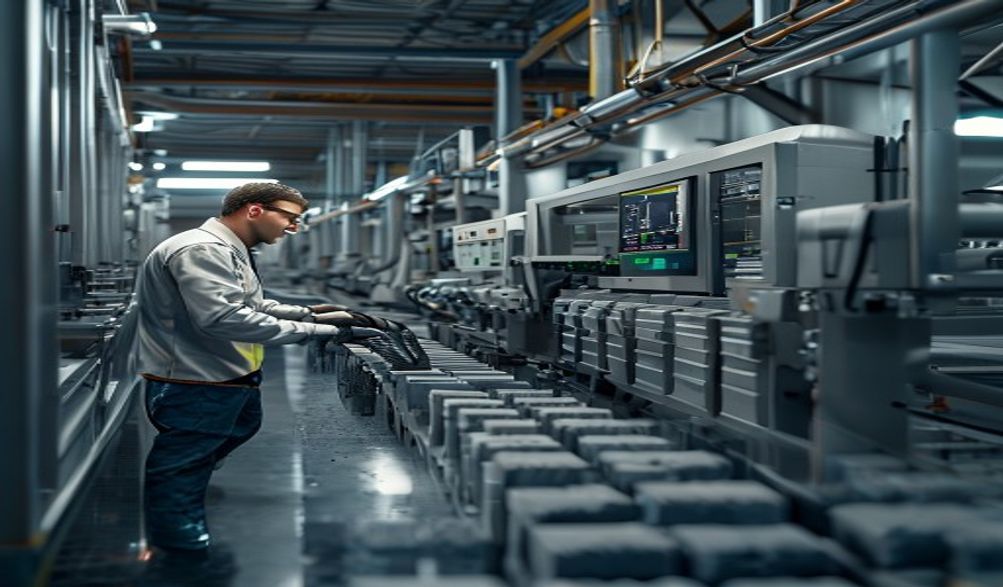
- Processus: An integrated system where material feeding, mixing, compaction, and brick ejection are automated via programmable logic controllers (PLCs). The operator primarily monitors the process.
- Pros:
- High Consistency: Automated pressure and cycles ensure every brick meets the same standard.
- Medium-High Output: Ranges from 4,000 to over 15,000 bricks per shift.
- Labor Minutus Requires only 1-2 trained personnel.
- Incommodis:
- Maior Collocatio: Significant upfront cost.
- Complicatio: Requires proper installation, training, and maintenance.
- Power Dependency: Needs a stable, high-capacity power supply.
- Idoneum Ad: Established medium to large-scale businesses, supplying consistent demand in urban markets, and projects where quality certification (like IS codes) is mandatory.
Fully Automatic Mobile Block Making Machines
- Processus: These are high-output plants, often with a built-in pan mixer and conveyor system. They produce bricks directly on a concrete pallet, which is then moved to curing via a rack system. They are “mobile” in the sense they can be set up on different sites, though setup is major.
- Pros:
- Highest Output: Can produce 20,000+ bricks per shift.
- Superior Product Density: Often use high-pressure vibration for extremely strong bricks/blocks.
- Versatile Siting: Can be established at a central block yard.
- Incommodis:
- Highest Investment: The most expensive option by far.
- Maximum Infrastructure Needed: Requires a large, solid, level floor (often concrete) and major power supply.
- Operatio Intricata: Requires a dedicated, skilled team.
- Idoneum Ad: Large-scale commercial production plants, major infrastructure projects, and dedicated block manufacturing yards supplying to a city or region.
Claves Technicae Proprietates ad Perpendendum
Now, dive into the details. These specs separate marketing hype from operational reality.
Machinae Fundamenta Praecipua
- Pressio (Tonnagium): This is arguably the most critical spec. Pressure determines brick density and compressive strength. For quality fly ash bricks meeting IS 12894 or similar standards, you typically need a machine capable of applying at least 80-100 tons of pressure. Don’t compromise here.
- Tempus Cycli & Facultas Productionis: Cycle time is the time to produce one brick/block. A faster cycle means higher capacity. However, verify the stated “bricks per hour” claim. Is it for a single brick mold or a multi-cavity mold producing 4-6 bricks per cycle?
- Typus Formae & Accommodatio: Molds are the heart of your product line.
- Interchangeability: How quickly and easily can molds be changed? Look for standardized, bolted systems.
- Firmitas Molds should be made from hardened, high-chrome steel to withstand abrasion.
- Availability: Can the supplier provide custom mold designs for special blocks?
- Automationis Gradus: “Automatic” can mean different things. Clarify:
- Alimentatio: Manual, conveyor, or automated hopper?
- Miscens: Separate mixer or integrated?
- Strues Does it include an automatic stacker, or is this manual?
Power & Performance Metrics
- Motor & Hydraulics: Don’t just note the motor power (e.g., 15 HP). Inquire about the quality of the hydraulic pump, valves, and cylinders. Reputable brands (like Rexroth, Parker, Yuken) indicate a longer-lasting, more reliable system. A cheap hydraulic system is a primary source of leaks and failures.
- Energiae Consumptio: Ask for the machine’s rated power consumption (kW). Factor this into your long-term operational cost analysis. A more efficient machine may have a higher price tag but lower running costs.
Finished Product Quality Parameters
The machine must be engineered to produce a sellable product.
- Dimensio Accurata The machine must hold tight tolerances (e.g., +/- 1mm) to ensure bricks are uniform and easy to lay.
- Surface Finish & Compaction: The brick should have a smooth, dense surface straight from the mold, indicating proper compaction. Poor compaction leads to crumbling edges and low strength.
- Standard Compliance: The machine should be demonstrably capable of producing bricks that can pass standard tests for compressive strength, water absorption, and dimensional tolerance as per IS 12894 (India) or ASTM C90 (International).
The Total Cost of Ownership: Beyond the Sticker Price
The purchase price is just the entry fee. Smart buyers calculate the total cost of ownership (TCO).
Initial Investment Breakdown
- Machinae Pretium: The base price.
- Impensae Formarum: Often extra. Price your initial set of molds.
- Instalatio et Dedication: Will the supplier install it? Is there a cost?
- Initial Training: Is operator training included, or is it an added fee?
- Navigatio et Logistica: A major cost, especially for international purchases.
Operational & Maintenance Costs
This is where your profit margin is made or lost.
- Potestas: Calculate daily consumption based on operational hours.
- Labor: Factor in wages for the required number of operators.
- Routine Maintenance: Oil, filters, grease, and regular wear parts.
- Partes Suppetiales:Theavailability and cost of local spares (like seals, hoses, relays) is crucial. A machine with no local support can be down for weeks waiting for a single part.
Calculating ROI (Return on Investment)
Create a simple framework:
1. Total Annual Cost: Sum of all fixed (depreciation, loan interest) and variable (power, labor, maintenance, raw materials) costs.
2. Annual Revenue: Estimated bricks produced * sale price per brick.
3. Annual Profit: Revenue – Total Cost.
4. Tempus Reditus: Total Initial Investment / Annual Profit.
A detailed ROI analysis turns an emotional purchase into a strategic business decision.
Vetting Manufacturers and Ensuring After-Sales Support
Your relationship with the manufacturer is as important as the machine itself.
How to Research and Shortlist Manufacturers
- Reputation & Longevity: Prioritize companies with a solid track record of 10+ years. They’ve likely solved common problems.
- Cliens Portifoliu: Ask for references, preferably in your region or with similar production goals. A video testimonial is more valuable than a stock photo.
- Site Visit: If feasible, visit the manufacturer’s factory. Assess their build quality, testing procedures, and organization. Even more powerful: visit an existing customer’s plant to see the machine running.
Non-Negotiable After-Sales Services
- Warrantia Comprehensiva: A minimum of 12 months on the entire machine, with clear terms on what’s covered and what’s considered wear-and-tear.
- Instalatio et Institutio: Insist on supervised installation and hands-on training for your operators at your site.
- Auxilium Technicum: Guaranteed access to technical support via phone, WhatsApp, or video call. Ask about their average response time.
- Subsidia Partium Supplendarum Get a written commitment on the availability of critical spare parts and their price list.
Requesting and Comparing Quotations
A professional quote should be detailed and transparent.
- What to Demand: Itemized pricing (machine, molds, accessories), detailed technical specifications, drawings, warranty certificate, service terms, and delivery schedule.
- Red Flags: Vague specs, pressure to pay 100% upfront, refusal to provide customer contacts, quotes significantly lower than the market average (often indicating substandard components), and poor communication.
Interrogationes Saepius Petitae (ISP)
Q1: What is the average cost range for an ash brick making machine?
A: Prices vary dramatically. A small manual machine can start around $2,000 – $5,000. A robust semi-automatic machine may range from $10,000 – $25,000. Fully automatic stationary machines typically fall between $30,000 – $80,000, while large mobile plants can exceed $150,000. Always get detailed, itemized quotes for accurate comparison.
Q2: Can one machine produce different types and sizes of bricks?
A: Yes, most machines can—but only with interchangeable molds. The key question for the supplier is: How quick and easy is the mold changeover? Some systems allow changes in 15 minutes; others may take hours. Also, confirm the cost of each additional mold.
Q3: How much manpower is required to operate a semi-automatic vs. fully automatic machine?
A:Prosemiautomaticus machine, plan for 3-5 workers (material handling, feeding the machine, stacking bricks). For a omnino automatica machine, you typically need 1-2 skilled operators primarily for monitoring, minor adjustments, and managing the output stacker.
Q4: What are the most common maintenance issues, and how can I prevent them?
A: The most common issues are hydraulic oil leaks (from poor-quality seals/hoses), mold wear, and electrical control panel faults. Prevention is straightforward: follow the supplier’s preventive maintenance schedule religiously, use recommended oils and greases, and ensure operators are properly trained to spot early warning signs like unusual noises or pressure drops.
Q5: How do I ensure the bricks produced meet official quality standards?
A: First, ensure your machine has sufficient pressure (tonnage). Second, maintain a consistent, high-quality raw material mix recipe. Third, follow proper curing procedures (keeping bricks moist for 14-28 days). Finally, conduct periodic compressive strength and water absorption tests at a certified construction materials laboratory. The machine enables quality, but you must control the process.
Conclusio.
Choosing an ash brick making machine is a strategic journey, not a simple purchase. It begins with a clear-eyed assessment of your own needs—your materials, your goals, your site. From there, you match those needs to the appropriate machine type, scrutinizing the technical specifications that truly matter: pressure, capacity, and build quality. You then look beyond the price tag to understand the total cost of ownership and, most importantly, partner with a manufacturer whose reputation and after-sales support are beyond reproach.
This investment is the foundation of your business. Rushing this decision, or basing it solely on the lowest price, is the most common and costly mistake. Use this guide as your definitive checklist. Be patient, ask the hard questions, and conduct thorough due diligence. By leveraging this expert-backed approach, you will not just buy a machine; you will invest in a reliable, profitable future in the sustainable construction industry. Take this knowledge, engage with suppliers confidently, and build your success from the ground up.
<