
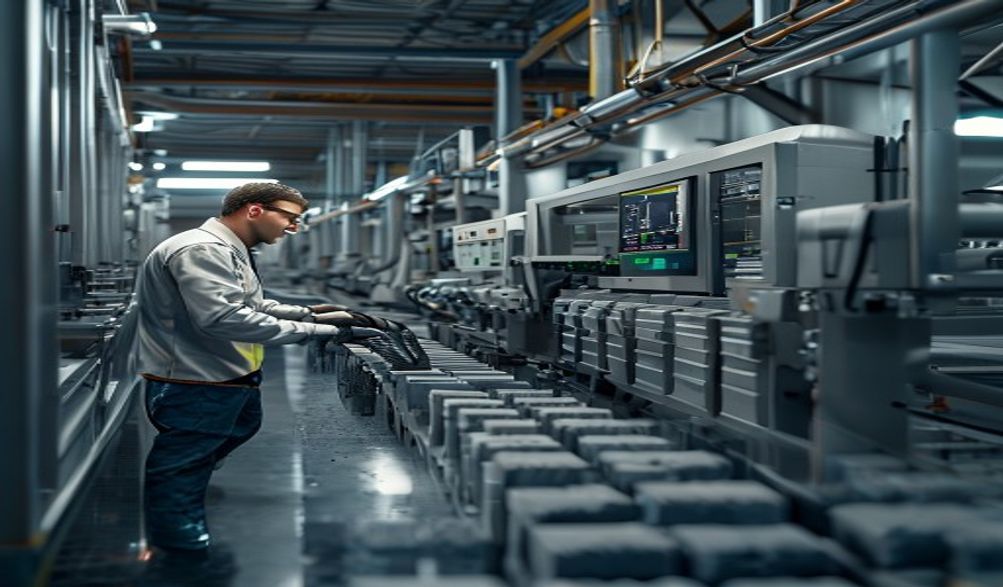
Тарзи интихоби мошини хиштсозии хокистар: Роҳнамои харидори коршинос барои соли 2026
Муқаддима
Манзараи сохтмон дар зери пои мо тағйир меёбад. Бо афзоиши таваҷҷӯҳи ҷаҳонӣ ба устуворӣ ва сарфаи хароҷот, хиштҳои хокистарии париданӣ ҳамчун пешсаф пайдо шуда, партовҳои саноатиро ба блокҳои сохтмонии устувор ва экологӣ табдил медиҳанд. Аммо, муваффақияти ин ташаббуси сабз аз як қарори муҳим вобаста аст: интихоби мошини дурусти хиштсози хокстарӣ. Мошини дуруст муҳаррики даромаднокии шумо буда, сифати маҳсулот, самаранокии амалиёт ва дар ниҳоят, бозгашти сармоягузории шуморо муайян мекунад.
Бисёре аз харидорон, аз соҳибкорони навкор то пудратчиёни ботаҷриба, худро саргармшуда мебинанд. Бозор бо имконот пур аст, тафсилоти техникӣ ба забони бегона монанд аст ва тарси сармоягузорӣ ба таҷҳизоти номувофиқ — ё бадтар, носозгор — воқеӣ аст. Интихоби нодуруст метавонад боиси бекоршавии зараровар, хишти пастсифат ва фишори молиявӣ гардад.
Роҳнамои мазкур барои рафъи садоҳои беҳуда тарҳрезӣ шудааст. Дар асоси солҳо таҷрибаи соҳавӣ ва дониши техникӣ сохта шуда, ба шумо маслиҳати боэътимод ва амалишаванда барои тақвияти қарорҳоятон медиҳад. Мо ин харидро якҷоя, аз арзёбии ниёзҳои лоиҳаи худ ва фаҳмидани намудҳои гуногуни мошин то баҳодиҳии хусусиятҳои техникӣ, ҳисоби арзиши воқеӣ ва санҷиши таъминкунандагон идора мекунем. Дар поён, шумо нақшаи возеҳ ва боварибахш барои интихоби мошини мувофиқ барои муваффақияти худ доред.
Фаҳмидани Эҳтиёҷоти Шумо ва Ҳаҷми Лоиҳа
Пеш аз он ки як брошураи мошинро бубинед, шумо бояд ба даруни худ нигоҳ кунед. Агар таҷҳизоти мураккабтарин ба воқеияти хоси шумо мувофиқат накунад, он ба бори гарон табдил меёбад. Ин қадами асосӣ ҷоест, ки операторони ботаҷриба аз он оғоз мекунанд.
Арзёбии сарчашма ва сифати ашёи хоми шумо (Хокистари парвоз)
Мошини шумо танҳо ба андозае хуб аст, ки маводе, ки ба он мебаред. Хокистар аз нуқтаи назари якрангӣ як мол нест.
- Мутобиқат Шоҳ аст: A reliable, long-term supply of fly ash with consistent chemical and physical properties is non-negotiable. Inconsistent ash leads to unpredictable brick quality, forcing constant manual adjustments to your mix.
- Quality Dictates Machine Choice: The composition of your ash (e.g., lime content, fineness) directly influences the process. Low-lime (Class F) ash often requires additional lime or cement for proper binding. Your machine’s mixing system must be robust enough to handle these additives uniformly. Understanding your ash’s quality from the outset prevents costly retrofits later.
Defining Your Production Goals: Output & Brick Type
Vague goals lead to vague—and often wrong—choices. Get specific with numbers.
- Calculate Realistic Capacity: Don’t just think “high output.” Calculate your required pieces per shift or per month based on confirmed orders or market demand. A machine producing 10,000 bricks per 8-hour shift sounds great, but if you only need 2,000, you’re over-investing and under-utilizing.
- Determine Your Product Portfolio: What are you selling?
- Хаҷми сахт: For general masonry.
- Блокҳои ҳолӣ: For load-bearing walls, offering lighter weight and thermal insulation.
- Сангфаршҳо ва Блокҳои ҳамгирошуда: For landscaping and paving.
Different bricks require different mold designs and, sometimes, different compaction mechanisms. Ensure your chosen machine can accommodate the molds for your desired product range.
Site & Infrastructure Considerations
The machine must fit your physical and operational environment.
- Фазо: You need space for more than just the machine. Factor in:
- Raw material storage (fly ash, sand, lime).
- Mixing area.
- Production floor.
- Curing area (critical for 14-28 days).
- Finished goods storage.
- Қудрат What is available? A fully automatic hydraulic machine requires a stable, high-capacity three-phase electrical connection. A manual machine may only need basic single-phase power for a small mixer.
- Меҳнат: Match the machine’s automation to your labor pool. A fully automatic machine needs 1-2 skilled operators. A semi-automatic machine may require 4-5 workers for loading, operation, and stacking. Assess local skill levels and training availability.
Types of Ash Brick Making Machines: A Technical Overview
Understanding the core technologies available is the first step in matching capability to your needs.
Дастӣ ва ним-автоматӣ мошинҳо
- Раванд: Material is mixed separately and manually fed into a mold. Pressure is applied via a mechanical lever or a small hydraulic system. Bricks are ejected manually and carried to the curing area.
- Муҳоҷизот:
- Low Capital Cost: Minimal initial investment.
- Low Power Consumption: Often runs on basic electricity or even manual power.
- Соддагӣ: Easier to understand and repair.
- Манфӣҳо
- Натиҷаи камОдатан 500-2000 хишт дар як рӯз.
- High Labor Intensity: Physically demanding, requiring multiple workers.
- Номувофиқӣ: Brick density and strength can vary due to manual operations.
- Идеалӣ барои: Small-scale startups, community projects, rural areas with limited infrastructure, or businesses testing the market with minimal risk.
Машинаҳои стационарии пурра автоматӣ
- Раванд: An integrated system where material feeding, mixing, compaction, and brick ejection are automated via programmable logic controllers (PLCs). The operator primarily monitors the process.
- Муҳоҷизот:
- High Consistency: Automated pressure and cycles ensure every brick meets the same standard.
- Medium-High Output: Ranges from 4,000 to over 15,000 bricks per shift.
- Кам кардани меҳнат Requires only 1-2 trained personnel.
- Манфӣҳо
- Higher Investment: Significant upfront cost.
- Complexity: Requires proper installation, training, and maintenance.
- Power Dependency: Needs a stable, high-capacity power supply.
- Идеалӣ барои: Established medium to large-scale businesses, supplying consistent demand in urban markets, and projects where quality certification (like IS codes) is mandatory.
Fully Automatic Mobile Block Making Machines
- Раванд: These are high-output plants, often with a built-in pan mixer and conveyor system. They produce bricks directly on a concrete pallet, which is then moved to curing via a rack system. They are “mobile” in the sense they can be set up on different sites, though setup is major.
- Муҳоҷизот:
- Highest Output: Can produce 20,000+ bricks per shift.
- Superior Product Density: Often use high-pressure vibration for extremely strong bricks/blocks.
- Versatile Siting: Can be established at a central block yard.
- Манфӣҳо
- Highest Investment: The most expensive option by far.
- Maximum Infrastructure Needed: Requires a large, solid, level floor (often concrete) and major power supply.
- Complex Operation: Requires a dedicated, skilled team.
- Идеалӣ барои: Large-scale commercial production plants, major infrastructure projects, and dedicated block manufacturing yards supplying to a city or region.
Муҳимтарин Хусусиятҳои Техникии Арзёбӣ
Now, dive into the details. These specs separate marketing hype from operational reality.
Core Machine Specifications
- Фишори (Тоннаж): This is arguably the most critical spec. Pressure determines brick density and compressive strength. For quality fly ash bricks meeting IS 12894 or similar standards, you typically need a machine capable of applying at least 80-100 tons of pressure. Don’t compromise here.
- Вақти даврӣ ва иқтидори истеҳсолӣ: Cycle time is the time to produce one brick/block. A faster cycle means higher capacity. However, verify the stated “bricks per hour” claim. Is it for a single brick mold or a multi-cavity mold producing 4-6 bricks per cycle?
- Намуди қолиб & Фармоишӣ: Molds are the heart of your product line.
- Interchangeability: How quickly and easily can molds be changed? Look for standardized, bolted systems.
- Давомнокӣ: Molds should be made from hardened, high-chrome steel to withstand abrasion.
- Availability: Can the supplier provide custom mold designs for special blocks?
- Сатрҳои автоматӣ: “Automatic” can mean different things. Clarify:
- Хӯрок додан Manual, conveyor, or automated hopper?
- Омехта кардан Separate mixer or integrated?
- Стек кардан: Does it include an automatic stacker, or is this manual?
Power & Performance Metrics
- Motor & Hydraulics: Don’t just note the motor power (e.g., 15 HP). Inquire about the quality of the hydraulic pump, valves, and cylinders. Reputable brands (like Rexroth, Parker, Yuken) indicate a longer-lasting, more reliable system. A cheap hydraulic system is a primary source of leaks and failures.
- Истифодаи энергия: Ask for the machine’s rated power consumption (kW). Factor this into your long-term operational cost analysis. A more efficient machine may have a higher price tag but lower running costs.
Finished Product Quality Parameters
The machine must be engineered to produce a sellable product.
- Дақиқии Андозаҳо: The machine must hold tight tolerances (e.g., +/- 1mm) to ensure bricks are uniform and easy to lay.
- Surface Finish & Compaction: The brick should have a smooth, dense surface straight from the mold, indicating proper compaction. Poor compaction leads to crumbling edges and low strength.
- Standard Compliance: The machine should be demonstrably capable of producing bricks that can pass standard tests for compressive strength, water absorption, and dimensional tolerance as per IS 12894 (India) or ASTM C90 (International).
Арзиши умумии соҳибӣ: Фарозӣ аз нархи нишондодашуда
The purchase price is just the entry fee. Smart buyers calculate the total cost of ownership (TCO).
Initial Investment Breakdown
- Machine Cost: The base price.
- Арзиши қолаб: Often extra. Price your initial set of molds.
- Насб ва ба кор даровардан: Will the supplier install it? Is there a cost?
- Initial Training: Is operator training included, or is it an added fee?
- Интиқол ва логистика A major cost, especially for international purchases.
Operational & Maintenance Costs
This is where your profit margin is made or lost.
- Қудрат Calculate daily consumption based on operational hours.
- Меҳнат: Factor in wages for the required number of operators.
- Routine Maintenance: Oil, filters, grease, and regular wear parts.
- Қисмҳои ивазшаванда:Theavailability and cost of local spares (like seals, hoses, relays) is crucial. A machine with no local support can be down for weeks waiting for a single part.
Calculating ROI (Return on Investment)
Create a simple framework:
1. Total Annual Cost: Sum of all fixed (depreciation, loan interest) and variable (power, labor, maintenance, raw materials) costs.
2. Annual Revenue: Estimated bricks produced * sale price per brick.
3. Annual Profit: Revenue – Total Cost.
4. Payback Period: Total Initial Investment / Annual Profit.
A detailed ROI analysis turns an emotional purchase into a strategic business decision.
Vetting Manufacturers and Ensuring After-Sales Support
Your relationship with the manufacturer is as important as the machine itself.
How to Research and Shortlist Manufacturers
- Reputation & Longevity: Prioritize companies with a solid track record of 10+ years. They’ve likely solved common problems.
- Client Portfolio: Ask for references, preferably in your region or with similar production goals. A video testimonial is more valuable than a stock photo.
- Site Visit: If feasible, visit the manufacturer’s factory. Assess their build quality, testing procedures, and organization. Even more powerful: visit an existing customer’s plant to see the machine running.
Non-Negotiable After-Sales Services
- Comprehensive Warranty: A minimum of 12 months on the entire machine, with clear terms on what’s covered and what’s considered wear-and-tear.
- Насб ва омӯзиш: Insist on supervised installation and hands-on training for your operators at your site.
- Дастгирии техникӣ: Guaranteed access to technical support via phone, WhatsApp, or video call. Ask about their average response time.
- Spare Parts Supply: Get a written commitment on the availability of critical spare parts and their price list.
Requesting and Comparing Quotations
A professional quote should be detailed and transparent.
- What to Demand: Itemized pricing (machine, molds, accessories), detailed technical specifications, drawings, warranty certificate, service terms, and delivery schedule.
- Red Flags: Vague specs, pressure to pay 100% upfront, refusal to provide customer contacts, quotes significantly lower than the market average (often indicating substandard components), and poor communication.
Frequently Asked Questions (FAQ)
Q1: What is the average cost range for an ash brick making machine?
A: Prices vary dramatically. A small manual machine can start around $2,000 – $5,000. A robust semi-automatic machine may range from $10,000 – $25,000. Fully automatic stationary machines typically fall between $30,000 – $80,000, while large mobile plants can exceed $150,000. Always get detailed, itemized quotes for accurate comparison.
Q2: Can one machine produce different types and sizes of bricks?
A: Yes, most machines can—but only with interchangeable molds. The key question for the supplier is: How quick and easy is the mold changeover? Some systems allow changes in 15 minutes; others may take hours. Also, confirm the cost of each additional mold.
Q3: How much manpower is required to operate a semi-automatic vs. fully automatic machine?
A:Бароиним-автоматӣ machine, plan for 3-5 workers (material handling, feeding the machine, stacking bricks). For a пурра автоматӣ machine, you typically need 1-2 skilled operators primarily for monitoring, minor adjustments, and managing the output stacker.
Q4: What are the most common maintenance issues, and how can I prevent them?
A: The most common issues are hydraulic oil leaks (from poor-quality seals/hoses), mold wear, and electrical control panel faults. Prevention is straightforward: follow the supplier’s preventive maintenance schedule religiously, use recommended oils and greases, and ensure operators are properly trained to spot early warning signs like unusual noises or pressure drops.
Q5: How do I ensure the bricks produced meet official quality standards?
A: First, ensure your machine has sufficient pressure (tonnage). Second, maintain a consistent, high-quality raw material mix recipe. Third, follow proper curing procedures (keeping bricks moist for 14-28 days). Finally, conduct periodic compressive strength and water absorption tests at a certified construction materials laboratory. The machine enables quality, but you must control the process.
Conclusion
Choosing an ash brick making machine is a strategic journey, not a simple purchase. It begins with a clear-eyed assessment of your own needs—your materials, your goals, your site. From there, you match those needs to the appropriate machine type, scrutinizing the technical specifications that truly matter: pressure, capacity, and build quality. You then look beyond the price tag to understand the total cost of ownership and, most importantly, partner with a manufacturer whose reputation and after-sales support are beyond reproach.
This investment is the foundation of your business. Rushing this decision, or basing it solely on the lowest price, is the most common and costly mistake. Use this guide as your definitive checklist. Be patient, ask the hard questions, and conduct thorough due diligence. By leveraging this expert-backed approach, you will not just buy a machine; you will invest in a reliable, profitable future in the sustainable construction industry. Take this knowledge, engage with suppliers confidently, and build your success from the ground up.
<