
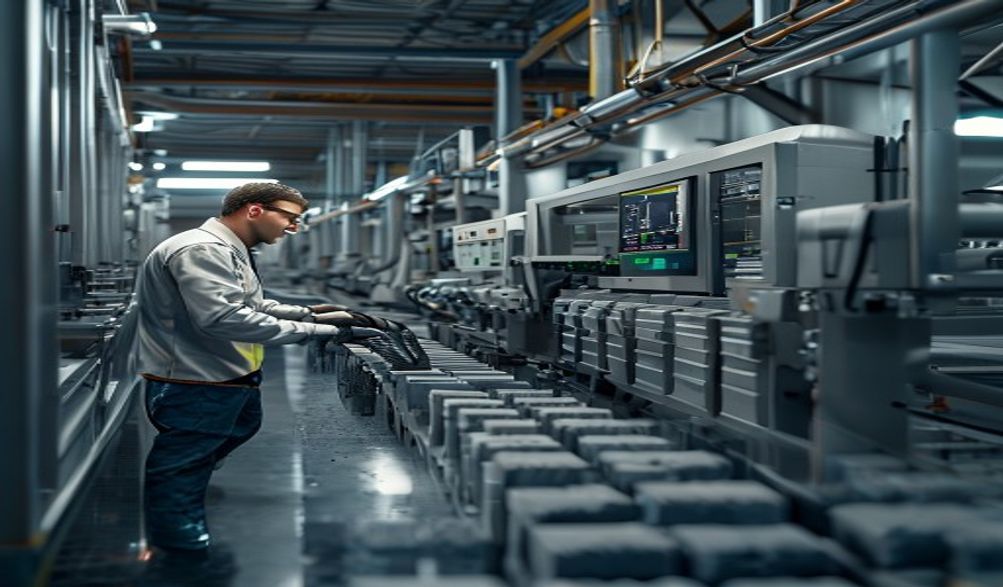
ຄູ່ມືການເລືອກເຄື່ອງຜະລິດອິດຂີ້ເທົ່າ ສຳລັບຜູ້ຊື້ທີ່ມີປະສົບການໃນປີ 2026
ການແນະນຳ
ພື້ນທີ່ກໍ່ສ້າງກຳລັງປ່ຽນແປງຢ່າງໄວວາ. ເມື່ອຄວາມສົນໃຈທົ່ວໂລກເພີ່ມຂຶ້ນຕໍ່ຄວາມຍືນຍົງ ແລະ ປະສິດທິພາບດ້ານຕົ້ນທຶນ, ອິດຂີ້ເຖົ່າຖ່ານຫີນຈຶ່ງກາຍເປັນຜູ້ນຳ, ຫັນຂີ້ເຫຍື້ອອຸດສາຫະກຳໃຫ້ກາຍເປັນກ້ອນຕຶກທີ່ທົນທານ ແລະ ເປັນມິດກັບສິ່ງແວດລ້ອມ. ແຕ່ຄວາມສຳເລັດຂອງທຸລະກິດສີຂຽວນີ້ຂຶ້ນກັບການຕັດສິນໃຈທີ່ສຳຄັນຢ່າງຍິ່ງ: ການເລືອກເຄື່ອງຈັກຜະລິດອິດຂີ້ເຖົ່າທີ່ຖືກຕ້ອງ. ເຄື່ອງຈັກທີ່ຖືກຕ້ອງແມ່ນເຄື່ອງຈັກແຫ່ງກຳໄລຂອງທ່ານ, ກຳນົດຄຸນນະພາບຜະລິດຕະພັນ, ປະສິດທິພາບການເຮັດວຽກ, ແລະ ທ້າຍທີ່ສຸດ, ຜົນຕອບແທນຈາກການລົງທຶນ.
ຜູ້ຊື້ຫຼາຍຄົນ, ຕັ້ງແຕ່ຜູ້ປະກອບການທີ່ມີຄວາມຝັນຈົນເຖິງຜູ້ຮັບເໝົາທີ່ມີປະສົບການ, ຕ່າງກໍ່ຮູ້ສຶກຖ້ວຍໃຈ. ຕະຫຼາດເຕັມໄປດ້ວຍທາງເລືອກຫຼາຍ, ຂໍ້ມູນດ້ານວິຊາການອ່ານຄືກັບພາສາຕ່າງປະເທດ, ແລະ ຄວາມຢ້ານກົວທີ່ຈະລົງທຶນໃສ່ອຸປະກອນທີ່ບໍ່ເໝາະສົມ—ຫຼື ຮ້າຍແຮງກວ່ານັ້ນ, ບໍ່ໜ້າເຊື່ອຖື—ແມ່ນມີຢູ່ຈິງ. ການເລືອກທີ່ບໍ່ດີສາມາດນຳໄປສູ່ການຢຸດງານທີ່ປະສົບຫຍຸ້ງຍາກ, ອິດທີ່ບໍ່ໄດ້ມາດຕະຖານ, ແລະ ຄວາມເຄັ່ງຕຶງດ້ານການເງິນ.
ຄູ່ມືນີ້ຖືກອອກແບບມາເພື່ອຕັດຜ່ານສິ່ງລົບກວນ. ສ້າງຂຶ້ນຈາກປະສົບການໃນອຸດສາຫະກຳຫຼາຍປີ ແລະ ຄວາມຊຳນານດ້ານເຕັກນິກ, ມັນໃຫ້ຄຳແນະນຳທີ່ເຊື່ອຖືໄດ້ ແລະ ສາມາດປະຕິບັດໄດ້ ເພື່ອສ້າງຄວາມເຂັ້ມແຂງໃຫ້ການຕັດສິນໃຈຂອງທ່ານ. ພວກເຮົາຈະນຳທ່ານຜ່ານການຊື້ທີ່ສັບສົນນີ້ຮ່ວມກັນ, ກວມເອົາທຸກຢ່າງຕັ້ງແຕ່ການປະເມີນຄວາມຕ້ອງການໂຄງການຂອງທ່ານ ແລະ ເຂົ້າໃຈເຄື່ອງຈັກປະເພດຕ່າງໆ, ຈົນເຖິງການປະເມີນຂໍ້ກຳນົດທາງເຕັກນິກ, ຄຳນວນຕົ້ນທຶນທີ່ແທ້ຈິງ, ແລະ ກວດສອບຜູ້ສະໜອງ. ເມື່ອສິ້ນສຸດ, ທ່ານຈະມີເສັ້ນທາງທີ່ຊັດເຈນ ແລະ ໝັ້ນໃຈ ເພື່ອເລືອກເຄື່ອງຈັກທີ່ສົມບູນແບບສຳລັບຄວາມສຳເລັດຂອງທ່ານ.
ການເຂົ້າໃຈຄວາມຕ້ອງການ ແລະ ຂອບເຂດໂຄງການຂອງທ່ານ
ກ່ອນທີ່ເຈົ້າຈະເບິ່ງເອກະສານໂຄສະນາເຄື່ອງຈັກໃດໆ, ເຈົ້າຕ້ອງພິຈາລະນາຕົວເອງກ່ອນ. ອຸປະກອນທີ່ຊັບຊ້ອນທີ່ສຸດຈະກາຍເປັນພາລະຖ້າມັນບໍ່ສອດຄ່ອງກັບສະພາບຄວາມເປັນຈິງຂອງເຈົ້າ. ຂັ້ນຕອນພື້ນຖານນີ້ແມ່ນສິ່ງທີ່ຜູ້ປະຕິບັດງານທີ່ມີປະສົບການເລີ່ມຕົ້ນ.
ການປະເມີນແຫຼ່ງທີ່ມາ ແລະ ຄຸນນະພາບຂອງວັດຖຸດິບ (ເຖົ້າລອຍ)
ເຄື່ອງຈັກຂອງທ່ານຈະດີພຽງເທົ່າວັດຖຸດິບທີ່ທ່ານໃສ່ເຂົ້າໄປ. ວັດຖຸຂີ້ເທົ່າລອຍບໍ່ແມ່ນສິນຄ້າທີ່ເປັນເອກະພາບ.
- ຄວາມຄ່ອງຕົວເປັນສຳຄັນ:ການມີແຫຼ່ງຂີ້ເຖົ່າບິນທີ່ເຊື່ອຖືໄດ້, ໃນໄລຍະຍາວ, ທີ່ມີຄຸນສົມບັດທາງເຄມີ ແລະ ທາງກາຍະພາບທີ່ສະໝ່ຳສະເໝີ ແມ່ນສິ່ງທີ່ຂາດບໍ່ໄດ້. ຂີ້ເຖົ່າບິນທີ່ບໍ່ສະໝ່ຳສະເໝີ ນຳໄປສູ່ຄຸນນະພາບຂອງດິນຈີ່ທີ່ຄາດເດົາໄດ້ຍາກ, ເຊິ່ງບັງຄັບໃຫ້ຕ້ອງປັບປຸງສ່ວນປະສົມຂອງທ່ານດ້ວຍຕົນເອງຢູ່ເລື້ອຍໆ.
- ຄຸນນະພາບກຳນົດການເລືອກເຄື່ອງຈັກ.ສ່ວນປະກອບຂອງຂີ້ເທົ່າຂອງທ່ານ (ເຊັ່ນ: ປະລິມານປູນຂາວ, ຄວາມລະອຽດ) ມີຜົນກະທົບໂດຍກົງຕໍ່ຂະບວນການ. ຂີ້ເທົ່າທີ່ມີປູນຂາວຕໍ່າ (Class F) ມັກຈະຕ້ອງການປູນຂາວ ຫຼື ຊີມັງເພີ່ມເຕີມ ເພື່ອການຈັບຕົວທີ່ຖືກຕ້ອງ. ລະບົບການປົນຂອງເຄື່ອງຈັກຂອງທ່ານຕ້ອງມີຄວາມເຂັ້ມແຂງພໍ ເພື່ອຈັດການກັບສານເສີມເຫຼົ່ານີ້ຢ່າງສະເໝີພາບ. ການເຂົ້າໃຈຄຸນນະພາບຂອງຂີ້ເທົ່າຂອງທ່ານຕັ້ງແຕ່ຕົ້ນ ຈະປ້ອງກັນການດັດແປງທີ່ມີຄ່າໃຊ້ຈ່າຍສູງໃນພາຍຫຼັງ.
ການກຳໜົດເປົ້າໝາຍການຜະລິດ: ຜົນຜະລິດ ແລະ ປະເພດຂອງອິດ
ເປົ້າໝາຍທີ່ບໍ່ຊັດເຈນນຳໄປສູ່ການເລືອກທີ່ບໍ່ຊັດເຈນ—ແລະ ມັກຈະຜິດ. ໃຫ້ກຳນົດຕົວເລກໃຫ້ຊັດເຈນ.
- ຄຳນວນຄວາມສາມາດທີ່ເປັນຈິງ:ຢ່າຄິດພຽງແຕ່ “ຜົນຜະລິດສູງ.” ຄິດໄລ່ສິ່ງທີ່ທ່ານຕ້ອງການ.pieces per shift or per month based on confirmed orders or market demand. A machine producing 10,000 bricks per 8-hour shift sounds great, but if you only need 2,000, you’re over-investing and under-utilizing.
- Determine Your Product Portfolio: What are you selling?
- ດິນຈີ່ທີ່ແຂງແຮງ: For general masonry.
- ດິນຈີ່ກົມກ່ອງ: For load-bearing walls, offering lighter weight and thermal insulation.
- Pavers & Interlocking Blocks: For landscaping and paving.
Different bricks require different mold designs and, sometimes, different compaction mechanisms. Ensure your chosen machine can accommodate the molds for your desired product range.
Site & Infrastructure Considerations
The machine must fit your physical and operational environment.
- Space: You need space for more than just the machine. Factor in:
- Raw material storage (fly ash, sand, lime).
- Mixing area.
- Production floor.
- Curing area (critical for 14-28 days).
- Finished goods storage.
- ພະລັງງານ What is available? A fully automatic hydraulic machine requires a stable, high-capacity three-phase electrical connection. A manual machine may only need basic single-phase power for a small mixer.
- ការងារ Match the machine’s automation to your labor pool. A fully automatic machine needs 1-2 skilled operators. A semi-automatic machine may require 4-5 workers for loading, operation, and stacking. Assess local skill levels and training availability.
Types of Ash Brick Making Machines: A Technical Overview
Understanding the core technologies available is the first step in matching capability to your needs.
ຈັກກົນແບບມື ແລະ ກົງຈັກກະທັດຫຼຸດພັດ
- ຂະບວນການ: Material is mixed separately and manually fed into a mold. Pressure is applied via a mechanical lever or a small hydraulic system. Bricks are ejected manually and carried to the curing area.
- ຂໍ້ດີ:
- Low Capital Cost: Minimal initial investment.
- Low Power Consumption: Often runs on basic electricity or even manual power.
- Simplicity: Easier to understand and repair.
- ຂໍ້ເສຍ
- ຜົນຜະລິດຕ່ຳ Typically 500-2,000 bricks per day.
- ການທຳງານທີ່ຕ້ອງອອກແຮງຫຼາຍ Physically demanding, requiring multiple workers.
- Inconsistency: Brick density and strength can vary due to manual operations.
- ເໝາະສົມສຳລັບ: Small-scale startups, community projects, rural areas with limited infrastructure, or businesses testing the market with minimal risk.
ເຄື່ອງຈັກອັດຕະໂນມັດທີ່ຕັ້ງຢູ່ຄົງທີ່ເຕັມຮູບແບບ
- ຂະບວນການ: An integrated system where material feeding, mixing, compaction, and brick ejection are automated via programmable logic controllers (PLCs). The operator primarily monitors the process.
- ຂໍ້ດີ:
- High Consistency: Automated pressure and cycles ensure every brick meets the same standard.
- Medium-High Output: Ranges from 4,000 to over 15,000 bricks per shift.
- Reduced Labor: Requires only 1-2 trained personnel.
- ຂໍ້ເສຍ
- Higher Investment: Significant upfront cost.
- Complexity: Requires proper installation, training, and maintenance.
- Power Dependency: Needs a stable, high-capacity power supply.
- ເໝາະສົມສຳລັບ: Established medium to large-scale businesses, supplying consistent demand in urban markets, and projects where quality certification (like IS codes) is mandatory.
Fully Automatic Mobile Block Making Machines
- ຂະບວນການ: These are high-output plants, often with a built-in pan mixer and conveyor system. They produce bricks directly on a concrete pallet, which is then moved to curing via a rack system. They are “mobile” in the sense they can be set up on different sites, though setup is major.
- ຂໍ້ດີ:
- Highest Output: Can produce 20,000+ bricks per shift.
- Superior Product Density: Often use high-pressure vibration for extremely strong bricks/blocks.
- Versatile Siting: Can be established at a central block yard.
- ຂໍ້ເສຍ
- Highest Investment: The most expensive option by far.
- Maximum Infrastructure Needed: Requires a large, solid, level floor (often concrete) and major power supply.
- Complex Operation: Requires a dedicated, skilled team.
- ເໝາະສົມສຳລັບ: Large-scale commercial production plants, major infrastructure projects, and dedicated block manufacturing yards supplying to a city or region.
Key Technical Specifications to Evaluate
Now, dive into the details. These specs separate marketing hype from operational reality.
Core Machine Specifications
- ຄວາມດັນ (ຕັນນາຈ໌): This is arguably the most critical spec. Pressure determines brick density and compressive strength. For quality fly ash bricks meeting IS 12894 or similar standards, you typically need a machine capable of applying at least 80-100 tons of pressure. Don’t compromise here.
- Cycle Time & Production Capacity: Cycle time is the time to produce one brick/block. A faster cycle means higher capacity. However, verify the stated “bricks per hour” claim. Is it for a single brick mold or a multi-cavity mold producing 4-6 bricks per cycle?
- Mold Type & Customization: Molds are the heart of your product line.
- Interchangeability: How quickly and easily can molds be changed? Look for standardized, bolted systems.
- ຄວາມທົນທານ: Molds should be made from hardened, high-chrome steel to withstand abrasion.
- Availability: Can the supplier provide custom mold designs for special blocks?
- ລະດັບການອັດຕະໂນມັດ “Automatic” can mean different things. Clarify:
- ການກິນອາຫານ: Manual, conveyor, or automated hopper?
- ປະສົມ Separate mixer or integrated?
- Stacking: Does it include an automatic stacker, or is this manual?
Power & Performance Metrics
- Motor & Hydraulics: Don’t just note the motor power (e.g., 15 HP). Inquire about the quality of the hydraulic pump, valves, and cylinders. Reputable brands (like Rexroth, Parker, Yuken) indicate a longer-lasting, more reliable system. A cheap hydraulic system is a primary source of leaks and failures.
- ການນຳໃຊ້ພະລັງງານ Ask for the machine’s rated power consumption (kW). Factor this into your long-term operational cost analysis. A more efficient machine may have a higher price tag but lower running costs.
Finished Product Quality Parameters
The machine must be engineered to produce a sellable product.
- ຄວາມຖືກຕ້ອງຂອງຂະໜາດ The machine must hold tight tolerances (e.g., +/- 1mm) to ensure bricks are uniform and easy to lay.
- Surface Finish & Compaction: The brick should have a smooth, dense surface straight from the mold, indicating proper compaction. Poor compaction leads to crumbling edges and low strength.
- Standard Compliance: The machine should be demonstrably capable of producing bricks that can pass standard tests for compressive strength, water absorption, and dimensional tolerance as per IS 12894 (India) or ASTM C90 (International).
The Total Cost of Ownership: Beyond the Sticker Price
The purchase price is just the entry fee. Smart buyers calculate the total cost of ownership (TCO).
Initial Investment Breakdown
- Machine Cost: The base price.
- Mold Costs: Often extra. Price your initial set of molds.
- Installation & Commissioning: Will the supplier install it? Is there a cost?
- Initial Training: Is operator training included, or is it an added fee?
- Shipping & Logistics: A major cost, especially for international purchases.
Operational & Maintenance Costs
This is where your profit margin is made or lost.
- ພະລັງງານ Calculate daily consumption based on operational hours.
- ការងារ Factor in wages for the required number of operators.
- Routine Maintenance: Oil, filters, grease, and regular wear parts.
- Spare Parts:ພຣະອົງavailability and cost of local spares (like seals, hoses, relays) is crucial. A machine with no local support can be down for weeks waiting for a single part.
Calculating ROI (Return on Investment)
Create a simple framework:
1. Total Annual Cost: Sum of all fixed (depreciation, loan interest) and variable (power, labor, maintenance, raw materials) costs.
2. Annual Revenue: Estimated bricks produced * sale price per brick.
3. Annual Profit: Revenue – Total Cost.
4. Payback Period: Total Initial Investment / Annual Profit.
A detailed ROI analysis turns an emotional purchase into a strategic business decision.
Vetting Manufacturers and Ensuring After-Sales Support
Your relationship with the manufacturer is as important as the machine itself.
How to Research and Shortlist Manufacturers
- Reputation & Longevity: Prioritize companies with a solid track record of 10+ years. They’ve likely solved common problems.
- Client Portfolio: Ask for references, preferably in your region or with similar production goals. A video testimonial is more valuable than a stock photo.
- Site Visit: If feasible, visit the manufacturer’s factory. Assess their build quality, testing procedures, and organization. Even more powerful: visit an existing customer’s plant to see the machine running.
Non-Negotiable After-Sales Services
- Comprehensive Warranty: A minimum of 12 months on the entire machine, with clear terms on what’s covered and what’s considered wear-and-tear.
- Installation & Training: Insist on supervised installation and hands-on training for your operators at your site.
- Technical Support: Guaranteed access to technical support via phone, WhatsApp, or video call. Ask about their average response time.
- Spare Parts Supply: Get a written commitment on the availability of critical spare parts and their price list.
Requesting and Comparing Quotations
A professional quote should be detailed and transparent.
- What to Demand: Itemized pricing (machine, molds, accessories), detailed technical specifications, drawings, warranty certificate, service terms, and delivery schedule.
- Red Flags: Vague specs, pressure to pay 100% upfront, refusal to provide customer contacts, quotes significantly lower than the market average (often indicating substandard components), and poor communication.
Frequently Asked Questions (FAQ)
Q1: What is the average cost range for an ash brick making machine?
A: Prices vary dramatically. A small manual machine can start around $2,000 – $5,000. A robust semi-automatic machine may range from $10,000 – $25,000. Fully automatic stationary machines typically fall between $30,000 – $80,000, while large mobile plants can exceed $150,000. Always get detailed, itemized quotes for accurate comparison.
Q2: Can one machine produce different types and sizes of bricks?
A: Yes, most machines can—but only with interchangeable molds. The key question for the supplier is: How quick and easy is the mold changeover? Some systems allow changes in 15 minutes; others may take hours. Also, confirm the cost of each additional mold.
Q3: How much manpower is required to operate a semi-automatic vs. fully automatic machine?
A:ສຳລັບກກຶ່ງອັດຕະໂນມັດ machine, plan for 3-5 workers (material handling, feeding the machine, stacking bricks). For a ອັດຕະໂນມັດທັງໝົດ machine, you typically need 1-2 skilled operators primarily for monitoring, minor adjustments, and managing the output stacker.
Q4: What are the most common maintenance issues, and how can I prevent them?
A: The most common issues are hydraulic oil leaks (from poor-quality seals/hoses), mold wear, and electrical control panel faults. Prevention is straightforward: follow the supplier’s preventive maintenance schedule religiously, use recommended oils and greases, and ensure operators are properly trained to spot early warning signs like unusual noises or pressure drops.
Q5: How do I ensure the bricks produced meet official quality standards?
A: First, ensure your machine has sufficient pressure (tonnage). Second, maintain a consistent, high-quality raw material mix recipe. Third, follow proper curing procedures (keeping bricks moist for 14-28 days). Finally, conduct periodic compressive strength and water absorption tests at a certified construction materials laboratory. The machine enables quality, but you must control the process.
ສະຫຼຸບ
Choosing an ash brick making machine is a strategic journey, not a simple purchase. It begins with a clear-eyed assessment of your own needs—your materials, your goals, your site. From there, you match those needs to the appropriate machine type, scrutinizing the technical specifications that truly matter: pressure, capacity, and build quality. You then look beyond the price tag to understand the total cost of ownership and, most importantly, partner with a manufacturer whose reputation and after-sales support are beyond reproach.
This investment is the foundation of your business. Rushing this decision, or basing it solely on the lowest price, is the most common and costly mistake. Use this guide as your definitive checklist. Be patient, ask the hard questions, and conduct thorough due diligence. By leveraging this expert-backed approach, you will not just buy a machine; you will invest in a reliable, profitable future in the sustainable construction industry. Take this knowledge, engage with suppliers confidently, and build your success from the ground up.
<