
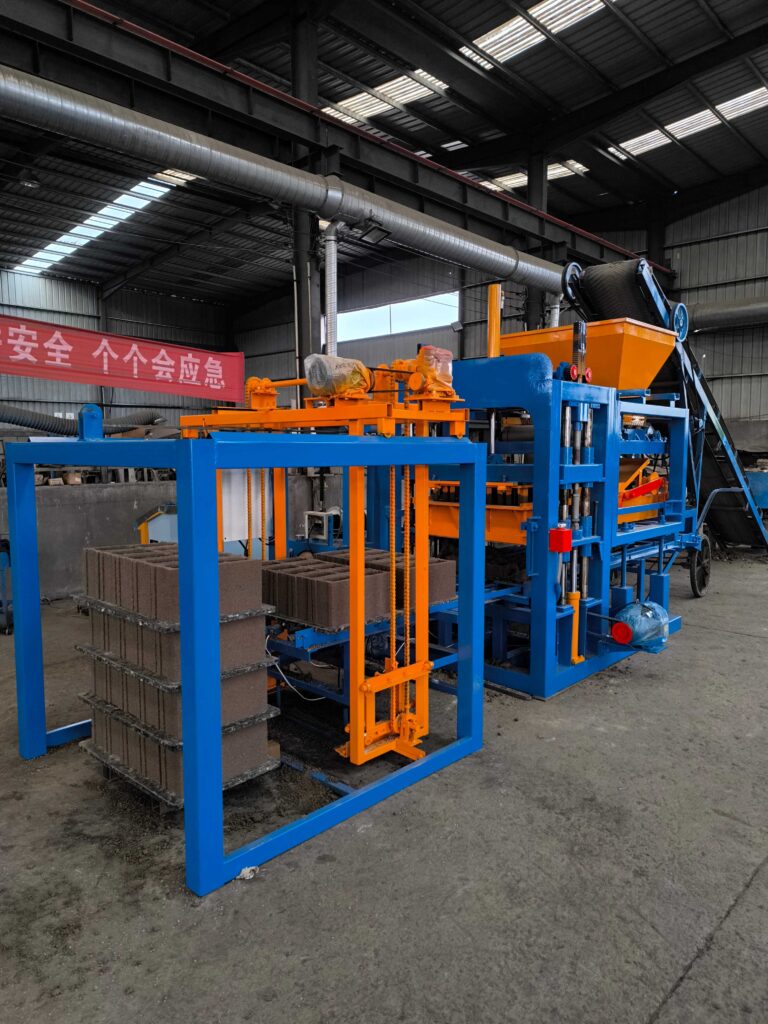
1. ພຶດຕິກຳຕະຫຼາດ ແລະ ກໍລະນີທຸລະກິດຂອງດິນຈີ່ຝຸ່ນຖ່ານຫີນ
Before analyzing machine costs, it is crucial to understand the compelling business environment. Fly ash bricks offer several advantages over traditional clay bricks, including higher strength, uniform size, better thermal insulation, and, most importantly, a significantly lower environmental footprint as they utilize an industrial waste product. Government policies in many countries mandating or incentivizing the use of fly ash in construction have created a robust and often subsidized market. For a distributor, this translates to selling into a sector with built-in demand drivers. The machine cost is not merely an expense but an entry ticket into this sustainable and often profitable ecosystem. The investment is justified by the growing displacement of fired clay bricks in infrastructure, commercial, and residential projects.
2. ການວິເຄາະໂຄງສ້າງຕົ້ນທຶນ: ປັດໄຈຕົ້ນຕໍທີ່ກໍານົດລາຄາ
ລາຄາຂອງເຄື່ອງຈັກເຮັດດິນຈີ່ຝຸ່ນຖ່ານນັ້ນ ບໍ່ແມ່ນຕົວເລກດຽວ ແຕ່ເປັນຂອບເຂດທີ່ຖືກຜົນກະທົບຈາກປັດໄຈຕ່າງໆທີ່ເຊື່ອມໂຍງກັນ. ການເຂົ້າໃຈເລື່ອງເຫຼົ່ານີ້ ຈະຊ່ວຍໃຫ້ການຄາດຄະເນງົບປະມານຖືກຕ້ອງ ແລະ ການປຽບທຽບລະຫວ່າງທາງເລືອກຕ່າງໆໄດ້ຢ່າງມີປະສິດທິຜົນ.
2.1. ລະດັບການອັດຕະໂນມັດ ແລະ ກຳລັງການຜະລິດ
ນີ້ແມ່ນຕົ້ນຕໍຂອງຄ່າໃຊ້ຈ່າຍ. ເຄື່ອງຈັກຖືກຈັດປະເພດຢ່າງກວ້າງຂວາງຕາມວິທີການດຳເນີນງານຂອງພວກມັນ:
- ເຄື່ອງຈັກທີ່ດຳເນີນການດ້ວຍມື ຫຼື ເຄື່ອງຈັກທີ່ຄວບຄຸມດ້ວຍມື These are mechanical presses requiring significant human labor for feeding, compacting, and brick removal. They are the most affordable entry point, suitable for very small-scale or community-based operations. Their output is low, typically ranging from 500 to 1,500 bricks per 8-hour shift.
- ເຄື່ອງຈັກກົງເຄື່ອງກາງ: This category represents a significant performance leap. They incorporate hydraulic systems for compression and may include mechanized feeding or ejection systems. Operation requires less physical labor and offers better consistency. Production capacity ranges from 1,500 to 6,000 bricks per shift. This category offers the best balance of cost and output for many small to medium enterprises (SMEs).
- ເຄື່ອງຈັກອັດຕະໂນມັດເຕັມຮູບແບບ These are complete production lines with automated material batching, mixing, conveying, high-pressure compression, brick stacking, and palletizing. They require minimal manual intervention, ensure exceptional product uniformity, and maximize output, which can exceed 10,000 bricks per shift. Naturally, this represents the highest capital investment but the lowest per-unit labor cost.
2.2. ຂໍ້ກຳນົດແລະຄຸນສົມບັດດ້ານເຕັກນິກຂອງເຄື່ອງຈັກ
ພາຍໃນແຕ່ລະປະເພດການອັດຕະໂນມັດ, ຂໍ້ກຳນົດທາງດ້ານລາຍລະອຽດເຮັດໃຫ້ມີການປ່ຽນແປງລາຄາ:
- ຄວາມສາມາດໃນການອັດ (ໂຕນ):ຄວາມແຮງກົດອັດ, ທີ່ວັດແທກເປັນໂຕນ (ຕົວຢ່າງ: 60 ໂຕນ, 100 ໂຕນ, 150 ໂຕນ), ມີຜົນກະທົບໂດຍກົງຕໍ່ຄວາມໜາແໜ້ນ ແລະ ຄວາມແຂງແຮງຂອງດິນຈີ່. ເຄື່ອງຈັກທີ່ມີຄວາມແຮງກົດອັດສູງຈະຜະລິດດິນຈີ່ທີ່ມີຄຸນນະພາບດີກວ່າ, ເໝາະສຳລັບໂຄງສ້າງທີ່ຮັບແບກຫາບ, ແຕ່ມີລາຄາແພງກວ່າ.
- ຄຸນນະພາບຂອງລະບົບໄຮໂດຼລິກ:ຫົວໃຈຂອງເຄື່ອງຈັກ. ລະບົບທີ່ໃຊ້ປັອມ, ວາວ, ແລະກະບອກທີ່ມີຊື່ສຽງ ແລະປະຫຍັດພະລັງງານຈາກຜູ້ຜະລິດທີ່ໄດ້ຮັບການຮັບຮອງແມ່ນມີຄວາມໜ້າເຊື່ອຖື ແລະທົນທານຫຼາຍຂຶ້ນ, ແຕ່ກໍ່ເພີ່ມຄ່າໃຊ້ຈ່າຍໃນຕອນຕົ້ນ.
- ລະບົບການຄວບຄຸມທີ່ສະຫຼາດສະຫຼຽບ:ກະດານຮັບສັນຍານພື້ນຖານມີລາຄາຖືກກວ່າລະບົບທີ່ອີງໃສ່ຕົວຄວບຄຸມຕາມໂປຼແກຼມ (PLC) ທີ່ມີການສໍາພັດຈໍາພິມມະນຸດ-ເຄື່ອງຈັກ (HMI). ລະບົບ PLC ສະເໜີຄວາມຊັດເຈນ, ການຊອກຫາບັນຫາໄດ້ງ່າຍ, ແລະການຄວບຄຸມຂະບວນການທີ່ດີກວ່າ.
- Construction and Materials: Machines built with heavy-duty structural steel, hardened steel molds, and quality wear plates have longer lifespans and lower maintenance costs but involve higher material and fabrication expenses.
2.3. Output Versatility and Mold Configuration
A machine capable of producing multiple brick types (solid, hollow, paver, interlocking) using quick-change mold systems will be priced higher than a single-product machine. The number of cavities in the mold (e.g., 4-brick mold vs. 6-brick mold) also affects both output and price.
3. Beyond the Sticker Price: Calculating the Total Cost of Ownership (TCO)
For a prudent distributor or end-user, the purchase price is only the first component of the financial outlay. The Total Cost of Ownership (TCO) provides a holistic view and is critical for advising clients or evaluating suppliers.
- Installation and Commissioning: Costs for foundation preparation, electrical work, and on-site assembly by technicians. For automatic lines, this is a more complex and costly process.
- Auxiliary Equipment: A functional plant requires more than just the brick press. Costs for pan mixers, conveyor belts, belt feeders, pallet trucks, and curing racks must be factored into the overall project budget.
- Shipping, Logistics, and Import Duties: For international distributors, freight costs, insurance, and applicable tariffs can add 15-40% to the ex-factory price, depending on origin and destination.
- Spare Parts Inventory: A prudent initial investment in a kit of critical spare parts (hydraulic seals, hoses, relief valves) prevents prolonged downtime.
- ການນຳໃຊ້ພະລັງງານ Automated, high-tonnage machines have higher horsepower motors. Their energy efficiency impacts long-term operational costs.
- Maintenance and Service: Machines with simpler designs and better service accessibility may have lower long-term maintenance costs. Availability and cost of spare parts are crucial.
4. Strategic Pricing Models and Supplier Evaluation
When engaging with manufacturers, understanding their pricing philosophy is key.
- Modular vs. Turnkey Pricing: Some suppliers quote for the core machine only, while others offer a “plant and machinery” package. The latter, though seemingly more expensive upfront, often provides better integration and single-point responsibility.
- Quality-to-Price Correlation: The market often segments into tiers: economy, standard, and premium. Economy machines may have lower-grade components, thinner steel, and limited after-sales support. Premium machines justify their price with superior engineering, components, warranties, and support services. The best value often lies in the standard-to-premium range, avoiding the false economy of frequent breakdowns.
- Warranty and After-Sales Support Value: A machine with a comprehensive 12-18 month warranty on major components and a commitment to providing timely technical support (remote or on-site) carries intrinsic value that mitigates risk. This support structure should be a evaluated as a core part of the “cost.”
5. Financial Analysis and Return on Investment (ROI) Framework
Distributors must be equipped to help clients justify the investment. A basic ROI analysis should consider:
- Total Project Cost: Sum of machine, auxiliaries, installation, and working capital.
- ກຳລັງການຜະລິດ: Shifts per day, bricks per shift, annual output.
- ຄ່າໃຊ້ຈ່າຍດ້ານການດຳເນີນງານ: Raw materials (fly ash, cement, sand), labor, power, maintenance, and overheads per brick.
- Revenue Projections: Selling price per brick, based on local market rates.
- Gross Profit per Brick: Revenue minus operational cost.
- Payback Period: Total Project Cost / (Gross Profit per Brick * Annual Brick Output).
Machines with higher automation, while costlier, typically show a faster payback due to drastically reduced labor costs and higher, more consistent output, leading to greater overall profitability.
ສະຫຼຸບ
The cost of a fly ash brick making machine is a multi-faceted variable, deeply intertwined with production goals, desired quality, and long-term business strategy. For industry partners, a sophisticated understanding that moves beyond the initial price tag to encompass automation levels, technical specifications, total cost of ownership, and the supplier’s value-added services is non-negotiable. The most economically sound decision is rarely the cheapest machine on the market; rather, it is the machine that offers the optimal balance of reliable performance, operational efficiency, and durable construction for the target production scale. By focusing on the lifetime value and productivity of the equipment, distributors can make procurement choices—and provide guidance to their clients—that ensure sustainable profitability and a strong competitive position in the burgeoning green construction materials market. The investment in the right machinery is fundamentally an investment in the future stability and growth of the business.
FAQ
Q1: What is the typical price range for a fly ash brick making machine?
A: Prices vary dramatically based on type. Basic manual presses can start from a few thousand dollars. Semi-automatic hydraulic machines commonly range from approximately $5,000 to $10,000. Fully automatic production lines can begin around $12,000 and exceed $60,000 for high-capacity, sophisticated models. These are broad estimates; final costs depend on specifications and configuration.
Q2: Does a higher price always mean better quality and output?
A: Generally, yes, within the offerings of reputable manufacturers. A higher price typically reflects better-grade materials (e.g., superior steel, branded hydraulics), more precise engineering, higher automation, and greater production capacity. However, thorough due diligence on the supplier’s reputation, component origins, and testing standards is essential to ensure value aligns with price.
Q3: What are the key operating costs beyond the machine purchase?
A: Major ongoing costs include raw materials (fly ash, cement, sand, water), electrical power for running motors and hydraulic systems, labor for operation and handling, routine maintenance and spare parts, and the cost of pallets or racks for brick curing and storage.
Q4: How long is the average payback period for such an investment?
A: The payback period is highly sensitive to local market conditions, management efficiency, and scale. For a well-run, medium-sized semi-automatic plant, it can typically range from 1.5 to 3 years. Fully automatic plants, with their higher output and lower per-unit cost, can sometimes achieve payback in 12-24 months if operating near capacity with good market demand.
Q5: What should be included in the supplier’s quotation?
A: A comprehensive quotation should clearly list: machine model and detailed specifications, production capacity, pictorial or diagrammatic view, detailed price breakdown, warranty terms, delivery time, shipping terms (e.g., FOB, CIF), list of included accessories and spare parts, and scope of installation and training services, if any.
Q6: Are there financing options available for this equipment?
A: Yes, many equipment manufacturers or their regional partners collaborate with financial institutions to offer leasing or loan programs. Additionally, in countries promoting fly ash utilization, government subsidies or soft loans may be available for qualifying projects. It is advisable to inquire with the supplier about potential financing avenues.
