
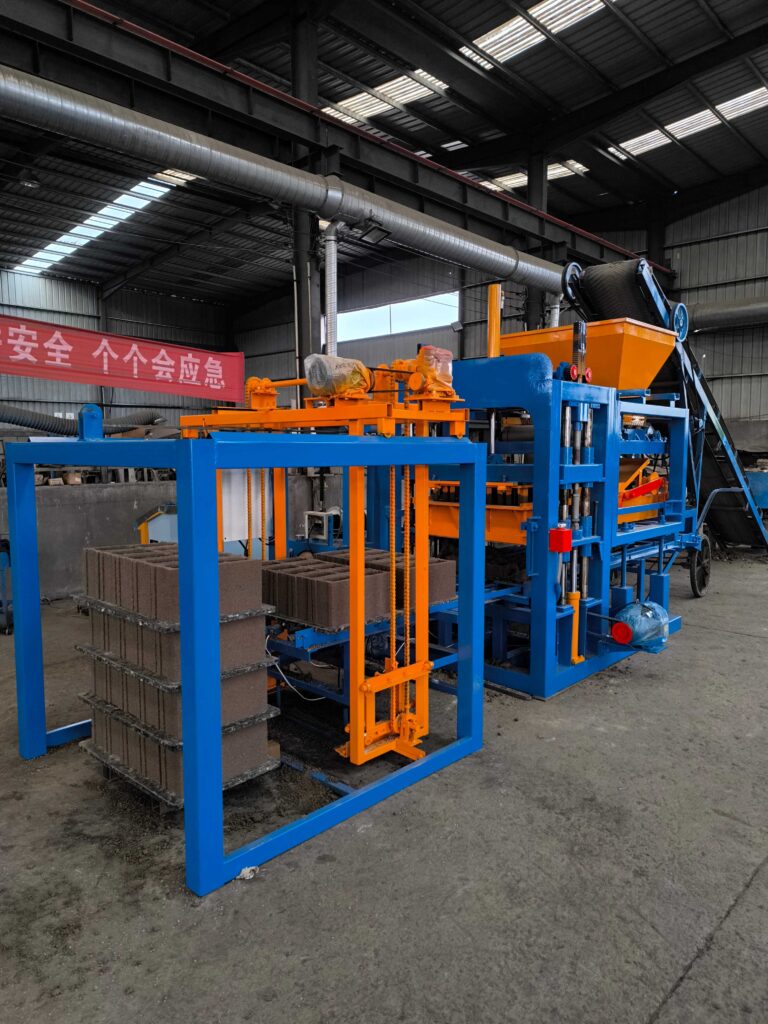
1. Динамикаи бозор ва ҳолати тиҷоратӣ барои хишти хокиста
Пеш аз таҳлили хароҷоти мошинҳо, дарки муҳити бизнеси қатъӣ зарур аст. Хишти ҳавоӣ бар хишти гилинӣ анъанавӣ бартарӣҳои зиёде дорад, аз ҷумла сахтӣ баландтар, андозаи яксон, изолятсияи гармӣ беҳтар ва, аз ҳама муҳимтар, таъсири экологӣ хеле камтар, зеро онҳо аз маҳсулоти партови саноатӣ истифода мекунанд. Сиёсатҳои давлатӣ дар бисёр кишварҳо, ки истифодаи ҳавои партовро дар сохтмон ҷорӣ ё ташвиқ мекунанд, бозори мустаҳкам ва аксар вақт субсидиёбшударо ба вуҷуд овардаанд. Барои тақсимкунанда, ин ба маънои фурӯш ба бахшест, ки дорои муҳаррикҳои талаб дар дохили худ мебошад. Хароҷоти мошин танҳо хароҷот нест, балки билети дохилшавӣ ба ин экосистемаи устувор ва аксар вақт фоидаовар аст. Ин сармоягузорӣ бо ҷойгузиншавии рӯ ба афзоиши хишти гилинӣ дар лоиҳаҳои инфрасохторӣ, тиҷоратӣ ва истиқоматӣ барҳам дода мешавад.
2. Таҳлили сохтори хароҷот: Омилҳои асосии таъйиди нарх
Нархи мошини сохтани хишти хокистаи парвон (fly ash) як рақами ягона нест, балки спектр аст, ки аз як матритсаи омилҳои вобаста ба ҳам таъсир мегирад. Фаҳмидани ин омилҳо барои буҷетбандии дақиқ ва муқоисаи самараноки имконот имкон медиҳад.
2.1. Сатҳи автоматсозӣ ва иқтидори истеҳсолӣ
Ин асосан нархгузори асосӣ мебошад. Мошинҳо аз рӯи усули амалиётиашон ба таври васеъ гурӯҳбандӣ мешаванд.
- Дастӣ ё дастӣ коркардашудаИнҳо прессҳои механикӣ мебошанд, ки барои пур кардан, фишурдан ва баровардани хишт ба кори одамии зиёд ниёз доранд. Онҳо арзиштарин роҳи дохилшавӣ мебошанд, ки барои амалиётҳои хеле хурд ё асосёфтаи ҷамъият мувофиқанд. Маҳсулоти онҳо паст аст, одатан аз 500 то 1,500 хишт дар як вазъи 8-соат.
- Машинаҳои ним-автоматӣ:Ин гурӯҳ нақшаи назарраси пешрафти иҷроиро ифода мекунад. Онҳо системаҳои гидравликиро барои фишор дар бар мегиранд ва метавонанд системаҳои механиконии хӯрокдиҳӣ ё бароварданро дар бар гиранд. Амалиёт кори ҷисмонии камтарро талаб мекунад ва созишмандӣи беҳтарро пешниҳод мекунад. Қобилияти истеҳсолӣ аз 1,500 то 6,000 хишт дар як навбат аст. Ин гурӯҳ барои бисёре аз корхонаҳои хурд ва миёна (SMEs) беҳтарин мувозинати хароҷот ва маҳсулотро пешниҳод мекунад.
- Машинаҳои пурра автоматӣ:Инҳо хатҳои истеҳсолии комил бо батчкунии автоматӣ, омехтакунӣ, интиқол, фишори баланд, чойкубӣ ва палеткунии материал мебошанд. Онҳо ба дастгирии дастии ҳадди ақал ниёз доранд, ягонагии маҳсулоти фавқулоддаро таъмин мекунанд ва истеҳсолиро ба ҳадди аксар мерасонанд, ки метавонад аз 10 000 чой дар як вазн зиёдтар бошад. Балки, ин сармоягузории баландтаринро ифода мекунад, аммо хароҷоти меҳнатии ҳар як воҳид пасттарин аст.
2.2. Тавсифот ва хусусиятҳои техникии мошин
Дар ҳар як категорияи автоматсозӣ, тавсифот ба тағйирёбии нархҳо мусоидат мекунанд:
- Қобилияти фишор (тоннаж):Қувваи фишор, ки бо тонна чен карда мешавад (масалан, 60-тонна, 100-тонна, 150-тонна), бевосита ба зичи ва устувории хишт таъсир мерасонад. Мошинаҳои бо тоннажи баландтар хиштҳои сифати баландтар истеҳсол мекунанд, ки барои сохтмонҳои боркаш мувофиқанд, аммо бо нархи баландтар.
- Сифати системаи гидравликӣ:Дилу мошина. Системаҳое, ки аз насосҳо, клапанҳо ва силиндрҳои сершуҳрат ва самарабахши энергетикӣ аз истеҳсолкунандагони сертификатӣ истифода мекунанд, беҳтар ва устувортар ҳастанд, аммо ба арзиши ибтидоӣ меафзоянд.
- Мураккабии Системаи Контролӣ: Basic relay panels are cheaper than Programmable Logic Controller (PLC)-based systems with touchscreen Human-Machine Interfaces (HMIs). PLC systems offer precision, easier troubleshooting, and better process control.
- Сохтмон ва масолеҳ: Machines built with heavy-duty structural steel, hardened steel molds, and quality wear plates have longer lifespans and lower maintenance costs but involve higher material and fabrication expenses.
2.3. Output Versatility and Mold Configuration
A machine capable of producing multiple brick types (solid, hollow, paver, interlocking) using quick-change mold systems will be priced higher than a single-product machine. The number of cavities in the mold (e.g., 4-brick mold vs. 6-brick mold) also affects both output and price.
3. Beyond the Sticker Price: Calculating the Total Cost of Ownership (TCO)
For a prudent distributor or end-user, the purchase price is only the first component of the financial outlay. The Total Cost of Ownership (TCO) provides a holistic view and is critical for advising clients or evaluating suppliers.
- Installation and Commissioning: Costs for foundation preparation, electrical work, and on-site assembly by technicians. For automatic lines, this is a more complex and costly process.
- Таҷҳизоти ёрдамӣ: A functional plant requires more than just the brick press. Costs for pan mixers, conveyor belts, belt feeders, pallet trucks, and curing racks must be factored into the overall project budget.
- Shipping, Logistics, and Import Duties: For international distributors, freight costs, insurance, and applicable tariffs can add 15-40% to the ex-factory price, depending on origin and destination.
- Spare Parts Inventory: A prudent initial investment in a kit of critical spare parts (hydraulic seals, hoses, relief valves) prevents prolonged downtime.
- Истифодаи энергия: Automated, high-tonnage machines have higher horsepower motors. Their energy efficiency impacts long-term operational costs.
- Maintenance and Service: Machines with simpler designs and better service accessibility may have lower long-term maintenance costs. Availability and cost of spare parts are crucial.
4. Strategic Pricing Models and Supplier Evaluation
When engaging with manufacturers, understanding their pricing philosophy is key.
- Modular vs. Turnkey Pricing: Some suppliers quote for the core machine only, while others offer a “plant and machinery” package. The latter, though seemingly more expensive upfront, often provides better integration and single-point responsibility.
- Quality-to-Price Correlation: The market often segments into tiers: economy, standard, and premium. Economy machines may have lower-grade components, thinner steel, and limited after-sales support. Premium machines justify their price with superior engineering, components, warranties, and support services. The best value often lies in the standard-to-premium range, avoiding the false economy of frequent breakdowns.
- Warranty and After-Sales Support Value: A machine with a comprehensive 12-18 month warranty on major components and a commitment to providing timely technical support (remote or on-site) carries intrinsic value that mitigates risk. This support structure should be a evaluated as a core part of the “cost.”
5. Financial Analysis and Return on Investment (ROI) Framework
Distributors must be equipped to help clients justify the investment. A basic ROI analysis should consider:
- Total Project Cost: Sum of machine, auxiliaries, installation, and working capital.
- Иқтидори истеҳсолӣ: Shifts per day, bricks per shift, annual output.
- Хароҷоти амалиётӣ: Raw materials (fly ash, cement, sand), labor, power, maintenance, and overheads per brick.
- Revenue Projections: Selling price per brick, based on local market rates.
- Gross Profit per Brick: Revenue minus operational cost.
- Payback Period: Total Project Cost / (Gross Profit per Brick * Annual Brick Output).
Machines with higher automation, while costlier, typically show a faster payback due to drastically reduced labor costs and higher, more consistent output, leading to greater overall profitability.
Conclusion
The cost of a fly ash brick making machine is a multi-faceted variable, deeply intertwined with production goals, desired quality, and long-term business strategy. For industry partners, a sophisticated understanding that moves beyond the initial price tag to encompass automation levels, technical specifications, total cost of ownership, and the supplier’s value-added services is non-negotiable. The most economically sound decision is rarely the cheapest machine on the market; rather, it is the machine that offers the optimal balance of reliable performance, operational efficiency, and durable construction for the target production scale. By focusing on the lifetime value and productivity of the equipment, distributors can make procurement choices—and provide guidance to their clients—that ensure sustainable profitability and a strong competitive position in the burgeoning green construction materials market. The investment in the right machinery is fundamentally an investment in the future stability and growth of the business.
FAQ
Q1: What is the typical price range for a fly ash brick making machine?
A: Prices vary dramatically based on type. Basic manual presses can start from a few thousand dollars. Semi-automatic hydraulic machines commonly range from approximately $5,000 to $10,000. Fully automatic production lines can begin around $12,000 and exceed $60,000 for high-capacity, sophisticated models. These are broad estimates; final costs depend on specifications and configuration.
Q2: Does a higher price always mean better quality and output?
A: Generally, yes, within the offerings of reputable manufacturers. A higher price typically reflects better-grade materials (e.g., superior steel, branded hydraulics), more precise engineering, higher automation, and greater production capacity. However, thorough due diligence on the supplier’s reputation, component origins, and testing standards is essential to ensure value aligns with price.
Q3: What are the key operating costs beyond the machine purchase?
A: Major ongoing costs include raw materials (fly ash, cement, sand, water), electrical power for running motors and hydraulic systems, labor for operation and handling, routine maintenance and spare parts, and the cost of pallets or racks for brick curing and storage.
Q4: How long is the average payback period for such an investment?
A: The payback period is highly sensitive to local market conditions, management efficiency, and scale. For a well-run, medium-sized semi-automatic plant, it can typically range from 1.5 to 3 years. Fully automatic plants, with their higher output and lower per-unit cost, can sometimes achieve payback in 12-24 months if operating near capacity with good market demand.
Q5: What should be included in the supplier’s quotation?
A: A comprehensive quotation should clearly list: machine model and detailed specifications, production capacity, pictorial or diagrammatic view, detailed price breakdown, warranty terms, delivery time, shipping terms (e.g., FOB, CIF), list of included accessories and spare parts, and scope of installation and training services, if any.
Q6: Are there financing options available for this equipment?
A: Yes, many equipment manufacturers or their regional partners collaborate with financial institutions to offer leasing or loan programs. Additionally, in countries promoting fly ash utilization, government subsidies or soft loans may be available for qualifying projects. It is advisable to inquire with the supplier about potential financing avenues.
