
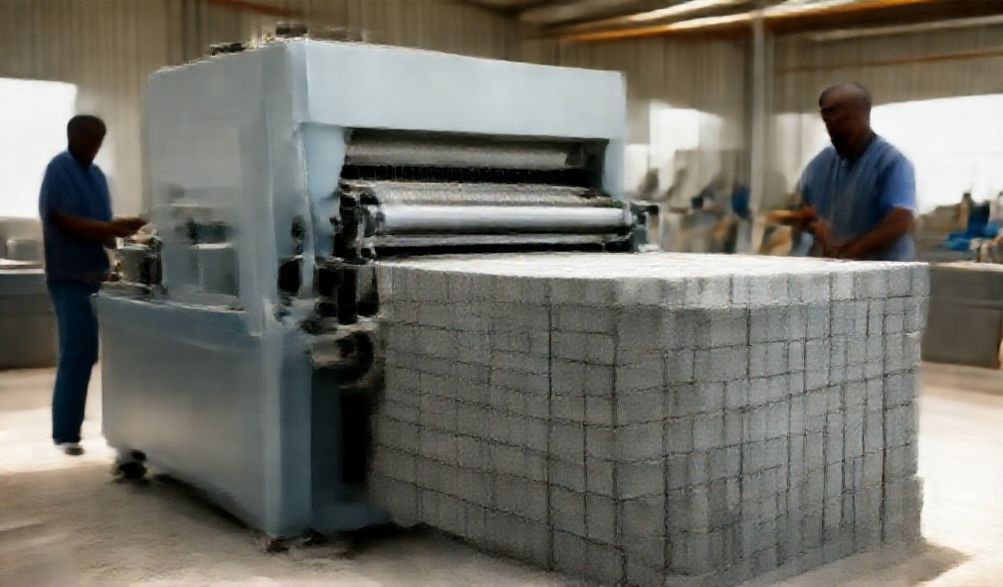
Panduan Lengkap Mesin Pembuat Bata Simen di Afrika Selatan (2026)
Pengenalan
Sektor pembinaan Afrika Selatan adalah tonggak ekonominya, dengan keperluan mendesak untuk lebih daripada 3.5 juta rumah mampu milik. Permintaan ini, ditambah dengan pembangunan infrastruktur dan projek swasta, mewujudkan keperluan berterusan untuk bahan binaan yang boleh dipercayai dan kos efektif. Selama beberapa dekad, pembina dan usahawan telah bergelut dengan batasan pembuatan bata tradisional yang intensif buruh atau peningkatan kos dan ketidakkonsistenan bekalan bata yang dibeli.
Masuk ke mesin pembuatan bata simen moden: satu penyelesaian berkuasa yang mengubah bahan mentah menjadi blok binaan tepat dan tahan lama dengan cekap. Panduan ini dihasilkan daripada penyelidikan pasaran yang mendalam, analisis teknikal, serta pandangan profesional industri dari Afrika Selatan. Ia direka untuk menembusi kekeliruan dan memberikan anda peta jalan yang jelas dan berwibawa. Kami akan mengupas jenis mesin yang tersedia, kebaikannya, pertimbangan utama ketika membeli, landskap pembekal tempatan, serta aspek kewangan, untuk membolehkan anda membuat pelaburan yakin bagi projek atau perniagaan anda.
Memahami Mesin Pembuatan Bata Simen
Sebelum melabur, adalah penting untuk memahami teknologi dan pilihan yang berkembang dalam konteks Afrika Selatan.
Bagaimana Mesin Pembuatan Bata Simen Berfungsi?
Pada terasnya, mesin-mesin ini mengautomasi dan meningkatkan proses pembuatan batu bata yang telah lama wujud. Prinsipnya melibatkan empat peringkat utama:
- Mencampurkan:Simen, pasir, batu baur, dan air digabungkan untuk membentuk campuran konkrit separa kering yang konsisten.
- Pembentukan:Campuran ini dimasukkan ke dalam rongga acuan yang berbentuk bata yang dikehendaki (contohnya, bata maxi, blok berongga).
- Pemadatan:Ini adalah fasa kritikal di mana tekanan dikenakan. Mesin menggunakan daya—melalui tuil, getaran mekanikal, atau kuasa hidraulik—untuk memampatkan campuran, membuang poket udara dan menghasilkan bata yang padat serta kuat.
- Penyembuhan:Bata "hijau" yang baru dikeluarkan kemudiannya disusun dan disimpan dalam keadaan lembap untuk suatu tempoh (biasanya 7-28 hari) untuk mencapai kekuatan penuhnya melalui proses penghidratan.
Perbezaan utama antara jenis mesin terletak pada bagaimanamemadatkandaya dikenakan dan tahap automasi dalam pemakanan dan penyingkiran.
Jenis Mesin yang Tersedia di Pasaran Afrika Selatan
Pasaran ini melayani semua orang daripada pembina halaman belakang hingga pengilang industri.
-
Mesin Pembuatan Bata Manual:
- Terbaik untuk:Permulaan, projek komuniti, pembina berskala kecil, dan mereka yang mempunyai bajet yang sangat ketat.
- Operasi:Bergantung pada kuasa tuas manusia untuk pemadatan. Keluaran rendah tetapi sangat mampu milik dan mudah alih.
- Output:Biasanya 300 – 1,000 batu bata sehari dalam 8 jam.
-
Mesin Semi-Automatik:
- Terbaik untuk:Membangunkan perusahaan kecil dan sederhana (PKS) serta kontraktor dengan permintaan yang stabil.
- Operasi:Menggunakan enjin elektrik atau diesel untuk menggerakkan sistem getaran dan pemadatan. Operator memasukkan campuran dan mengeluarkan bata, tetapi proses terasnya adalah mekanikal.
- Output:Boleh menjangkau dari 1,500 hingga 6,000 batu bata sehari. Menawarkan keseimbangan terbaik antara produktiviti dan kos.
-
Loji Pembuatan Bata Sepenuhnya Automatik:
- Terbaik untuk:Pengeluaran komersial berskala besar membekalkan syarikat pembinaan dan peruncit.
- Operasi:Sistem kawalan komputer yang mengautomasikan pencampuran, pemakanan, pembentukan, pemadatan, dan penimbunan. Campur tangan manual yang minimum.
- Output:Boleh melebihi 10,000 batu bata sehari dengan ketekalan yang luar biasa.
- Pertimbangan:Pelaburan modal yang tinggi dan memerlukan lebih banyak ruang serta kuasa yang stabil.
-
Mudah Alih berbanding Mesin Statik:
- Mesin Mudah Alih:Dipasang pada treler. Sesuai untuk pengeluaran di tapak, menghapuskan kos pengangkutan untuk projek besar seperti perumahan atau pembinaan di lokasi terpencil.
- Mesin Statik:Pemasangan tetap untuk pengeluaran berasaskan kilang, selalunya dengan kapasiti yang lebih tinggi dan integrasi dengan sistem penghantar.
Faedah Utama Melabur dalam Mesin Pembuat Bata di Afrika Selatan
Pelaburan ini melangkaui sekadar membuat bata; ia mengenai menjamin kelebihan strategik.
Kecekapan Kos dan Pulangan atas Pelaburan
- Penjimatan Langsung:Untuk projek berskala besar, menghasilkan batu bata sendiri boleh mengurangkan kos bahan sebanyak 30-50% berbanding membeli secara runcit.
- Penjanaan Hasil:Sebuah perniagaan pembuatan batu bata mempunyai produk yang jelas, ketara dengan permintaan yang berterusan. Pulangan pelaburan boleh diperoleh dengan pantas, terutamanya apabila membekalkan kepada pembina tempatan, kedai perkakasan, atau projek perumahan kerajaan.
- Kawalan: You are insulated from market price fluctuations and supply chain delays for finished bricks.
Kualiti dan Konsistensi yang Tidak Berkompromi
- Kejuruteraan Ketepatan: Machines apply consistent pressure, producing bricks of uniform size, density, and compressive strength (e.g., 7MPa for non-load bearing, 14MPa+ for structural work).
- SANS Compliance: By controlling the mix design and process, you can reliably produce bricks that meet the South African National Standards (SANS 1215), a critical requirement for formal construction and building plan approval.
Speed and Scalability for Growing Demand
- Meet Deadlines: A semi-automatic machine can produce a house-worth of bricks in days, not weeks, keeping projects on schedule.
- Grow with Demand: Start with a manual or semi-automatic model and upgrade your machinery as your order book grows. This scalability is perfect for the entrepreneurial journey.
Contributing to Local Economic Development
Investing in this technology is inherently local-centric. You create jobs (operators, drivers, admin), support local industries (cement, aggregates), and keep capital within the community. It’s a tangible way to participate in building the nation’s infrastructure.
Critical Features to Consider Before You Buy
Choosing the right machine is a technical decision. Focus on these core features.
Kapasiti Pengeluaran (Batu Bata Per Jam/Hari)
Be brutally honest about your needs. A machine that is too small will frustrate you; one that is too large will strain your finances and sit idle.
* Small Project/Start-up: 500 – 2,000 bricks/day.
* Established SME/Contractor: 3,000 – 8,000 bricks/day.
* Large Commercial Venture: 10,000+ bricks/day.
Brick Type and Size Versatility
- Permintaan Pasaran: In South Africa, maxi bricks, hollow blocks (for insulation and lighter structures), and pavers are highly popular.
- Kebolehlenturan Acuan Ensure the supplier offers a variety of easily interchangeable molds. A machine that can produce multiple products future-proofs your business against changing market trends.
Power Source: Electric, Diesel, or Manual?
- Elektrik: Cleaner, quieter, and lower operating cost. Requires reliable grid connection or a substantial generator.
- Diesel: Offers complete mobility and independence from the grid. Ideal for remote sites or areas with load-shedding, but has higher fuel costs and maintenance.
- Manual: Zero running energy costs, but limited to very low output.
Durability and After-Sales Support
This is the most critical consideration for the South African market.
* Kualiti Pembinaan: Look for robust frames, high-quality vibration motors, and hardened steel molds. Avoid flimsy, imported machines not built for local conditions.
* Local Service & Spare Parts: Your machine will need maintenance. A supplier with a workshop, trained technicians, and a comprehensive inventory of spare parts within South Africa is non-negotiable. Downtime means lost revenue.
* E-E-A-T Focus: Always verify a supplier’s service claims. Ask for a list of local clients you can contact and inquire about their warranty terms and response times for breakdowns.
Navigating the South African Supplier Landscape
The supplier you choose is as important as the machine itself.
Top Manufacturers and Suppliers of Brick Machines in SA
The market features a mix of long-standing local manufacturers, reputable international brands with local distributors, and newer importers. A trustworthy supplier, whether local or international, will have:
* A physical showroom or factory you can visit.
* Demonstrable machines in operation.
* Transparent pricing and specifications.
* A documented track record of installations and service support.
Authoritativeness Note: Conduct your own due diligence. This guide provides a framework for evaluation, not a definitive ranking. The “best” supplier is the one that reliably supports the machine model that fits your specific needs.
New vs. Used Machines: A Practical Comparison
- New Machines:
- Kelebihan: Full warranty, latest technology, reliable performance, and supplier training/support.
- Keburukan: Higher upfront capital outlay.
- Used Machines:
- Kelebihan: Lower initial purchase price.
- Keburukan: Potential hidden wear, no or limited warranty, possible obsolescence of parts.
- Red Flags: Avoid machines with excessive rust, cracked frames, or where the seller cannot demonstrate it working. Always check for the availability of spare parts for that specific model.
The Importance of Local Service and Spare Parts
Reiterating this point: a machine without local support is a liability. Before signing anything, ask the supplier:
* “Where is your service centre located?”
* “Can you provide a list of common spare parts and their prices?”
* “What is your typical response time for a service call?”
* “Can I speak to two of your existing customers in my province?”
Cost Analysis and Financing Your Investment
Plan your finances with a clear view of both capital and ongoing costs.
Price Ranges for Different Machine Types (Estimated in ZAR)
Prices are indicative and vary based on capacity, brand, and features.
* Mesin Manual: R8,000 – R25,000
* Mesin Semi-Automatik: R50,000 – R250,000
* Tumbuhan Sepenuhnya Automatik: R300,000 – R2,000,000+
Beyond the Machine: Calculating Total Operational Costs
Your budget must include:
* Bahan Mentah: Cement, sand, crusher stone/dust.
* Buruh: Operators and general assistants.
* Site Costs: Rent, security, water for curing.
* Power/Fuel: Electricity or diesel for the machine.
* Translation: Penyelenggaraan: A monthly reserve for spare parts and service.
* Transport: Vehicle for delivering bricks.
Financing Options and Government Incentives
- Equipment Financing: Many banks and specialist finance companies offer asset-based loans for machinery.
- SME Funding: Explore opportunities from the Small Enterprise Finance Agency (sefa) and other development finance institutions.
- Insentif Kerajaan: While not specific to brick-making, general manufacturing incentives from the Department of Trade, Industry and Competition (DTIC), such as the Critical Infrastructure Programme, may be applicable for larger setups. Consult with a business advisor.
Soalan Lazim (FAQ)
Q1: What is the average production output of a standard brick making machine?
A: Output varies dramatically. A manual machine may produce 500-1,000 bricks per day. A standard semi-automatic model can produce 2,000-5,000 bricks per 8-hour shift. Fully automatic plants can exceed 10,000 bricks daily.
Q2: Can I start a brick-making business with a small budget?
A: Absolutely. Many successful businesses start with a single manual or small semi-automatic machine. Focus on a local market, manage costs tightly, and reinvest profits to upgrade your equipment over time.
Q3: How do I ensure the bricks I produce meet South African building standards?
A: Use the correct mix ratio (e.g., 1 part cement to 6 parts combined aggregate for a standard brick), ensure your machine provides adequate compaction, and follow a proper curing process (keeping bricks moist for at least 7 days). For formal projects, have samples tested at a certified lab to verify they meet SANS 1215.
Q4: What is the most common cause of machine breakdown, and how can I prevent it?
A: Neglect is the biggest enemy. The most common issues stem from not cleaning the machine after use (hardened concrete causes damage) and failing to lubricate moving parts as per the manual. Prevent this by implementing a strict daily cleaning and weekly maintenance schedule.
Q5: Where can I get training on operating and maintaining my machine?
A: A reputable supplier should provide comprehensive hands-on training upon installation. For deeper technical knowledge, consider short courses in concrete technology offered by various Technical and Vocational Education and Training (TVET) colleges across South Africa.
Kesimpulan
Investing in a cement brick making machine in South Africa is a strategic decision that blends practical construction needs with entrepreneurial opportunity. The journey begins by clearly defining your production goals, understanding the mechanics behind different machine types, and, most importantly, prioritising suppliers who offer unwavering local service and support. A thorough cost analysis, considering both the purchase price and ongoing operational expenses, will ensure your venture is built on a solid foundation.
Let this guide be your first step. We strongly encourage you to move from research to action: visit supplier workshops, see machines in operation, and speak directly to their existing customers. There is no substitute for firsthand verification.
Ready to take the next step? Download our free checklist: ’10 Essential Questions to Ask Before Buying a Brick Making Machine in South Africa’ to equip yourself for confident conversations with suppliers.
By making an informed choice, you’re not just buying a piece of equipment—you’re investing in the capacity to build the future of South Africa, one high-quality, locally-produced brick at a time.
<