
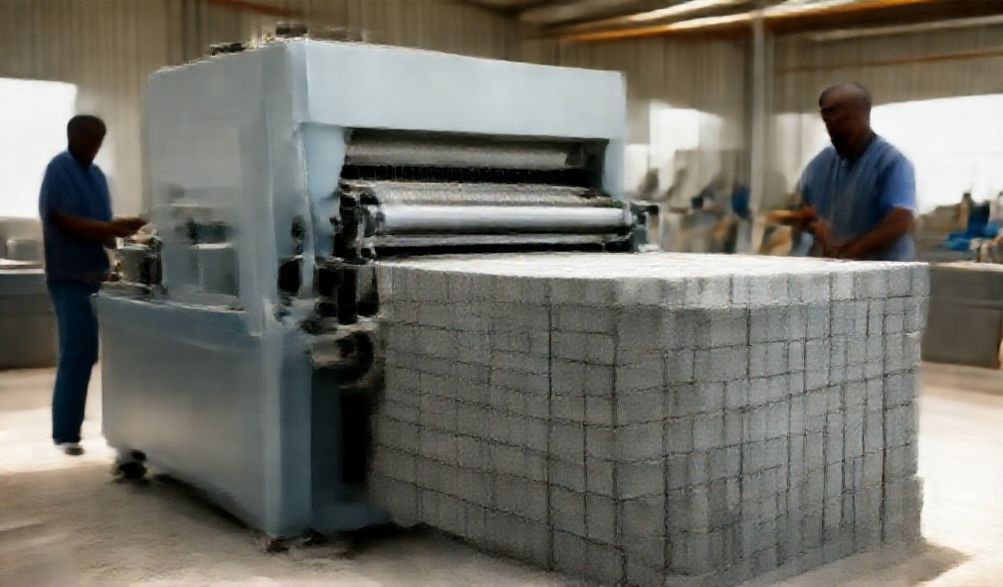
Ang Kumpletong Gabay sa Mga Makina ng Paggawa ng Semento Brick sa Timog Africa (2026)
Panimula
Ang sektor ng konstruksyon sa South Africa ay isang haligi ng ekonomiya nito, na may agarang pangangailangan para sa mahigit 3.5 milyong abot-kayang tahanan. Ang pangangailangang ito, kasabay ng pag-unlad ng imprastraktura at mga pribadong proyekto, ay lumilikha ng tuluy-tuloy na pangangailangan para sa maaasahan at magagastos na materyales sa paggawa. Sa loob ng mga dekada, ang mga tagapagtayo at negosyante ay nahirapan sa mga limitasyon ng tradisyonal at masinsinang paggawa ng ladrilyo o sa tumataas na gastos at hindi pantay na suplay ng binibiling mga ladrilyo.
Pasok ang makabagong makina ng paggawa ng semento ladrilyo: isang malakas na solusyon na mahusay na nagbabago ng mga hilaw na materyales sa tumpak at matibay na bloke ng gusali. Ang gabay na ito ay binuo mula sa malawak na pananaliksik sa merkado, teknikal na pagsusuri, at mga pananaw mula sa mga propesyonal sa industriya ng Timog Aprika. Ito ay idinisenyo upang alisin ang kalituhan at magbigay sa iyo ng isang malinaw at mapagkakatiwalaang roadmap. Susuriin natin ang mga uri ng makina na available, ang kanilang mga benepisyo, pangunahing konsiderasyon sa pagbili, ang lokal na kalagayan ng mga supplier, at ang aspetong pinansyal, upang bigyan ka ng kapangyarihang gumawa ng tiwala na pamumuhunan para sa iyong proyekto o negosyo.
Pag-unawa sa Mga Makina ng Paggawa ng Semento Brick
Bago mamuhunan, mahalagang maunawaan ang teknolohiya at ang mga opsyon na umuunlad sa konteksto ng Timog Aprika.
Paano Gumagana ang mga Makina ng Paggawa ng Semento na Brick?
Sa kanilang ubod, ang mga makina na ito ay nag-aaplay ng otomasyon at nagpapahusay sa sinaunang proseso ng paggawa ng ladrilyo. Ang prinsipyo ay sumasaklaw sa apat na pangunahing yugto:
- Paghahalo:Ang semento, buhangin, pinagsamang bato, at tubig ay pinagsasama upang makabuo ng isang magkakatulad, semi-tuyong kongkretong timpla.
- Paghuhulma:Ang timpla na ito ay ipinapasok sa isang hulmang lukab na may nais na hugis ng ladrilyo (halimbawa, maxi, hollow block).
- Pagpapakintab:Ito ang kritikal na yugto kung saan ipinapataw ang presyon. Ang makina ay gumagamit ng puwersa—sa pamamagitan ng pingga, mekanikal na panginginig, o haydrolikong kapangyarihan—upang pindutin ang timpla, inaalis ang mga hangin at lumilikha ng isang siksik at matibay na ladrilyo.
- Pagpapagaling:Ang sariwang pinutok na "berdeng" ladrilyo ay pagkatapos ay isinasalansan at pinapanatiling basa sa loob ng isang panahon (karaniwang 7-28 araw) upang makuha ang ganap nitong lakas sa pamamagitan ng haydrasyon.
Ang pangunahing pagkakaiba sa pagitan ng mga uri ng makina ay nakasalalay sa kung paano ang mga itopagsisiksikAng puwersa ay inilalapat at ang antas ng awtomasyon sa pagpapakain at paghulog.
Mga Uri ng Makina na Available sa Pamilihan ng Timog Aprika
Ang merkado ay nagsisilbi sa lahat mula sa mga tagapagtayo sa bakuran hanggang sa mga tagagawa ng industriya.
-
Mga Makina para sa Paggawa ng Bricks nang Manwal:
- Pinakamabuti para sa:Mga start-up, proyekto ng komunidad, maliliit na tagapagtayo, at mga may napakakipot na badyet.
- Operasyon:Umaasa sa lakas ng tao para sa pagpiga. Mababa ang produksyon ngunit lubos na abot-kaya at madaling dalhin.
- Output:Karaniwan 300 – 1,000 bricks bawat 8-oras na araw.
-
Semi-Automatikong Makina:
- Pinakamabuti para sa: Growing small-to-medium enterprises (SMEs) and contractors with steady demand.
- Operasyon: Uses an electric or diesel engine to power a vibration and compaction system. Operator feeds mix and removes bricks, but the core process is mechanised.
- Output: Can range from 1,500 to 6,000 bricks per day. Offers the best balance of productivity and cost.
-
Fully Automatic Brick Making Plants:
- Pinakamabuti para sa: Large-scale commercial production supplying construction companies and retailers.
- Operasyon: Computer-controlled systems that automate mixing, feeding, molding, compaction, and stacking. Minimal manual intervention.
- Output: Can exceed 10,000 bricks per day with exceptional consistency.
- Pagsasaalang-alang: High capital investment and requires more space and stable power.
-
Mobile vs. Static Machines:
- Mga Makinang Mobile: Mounted on trailers. Ideal for on-site production, eliminating transport costs for large projects like housing estates or remote builds.
- Mga Makinang Pansala: Fixed installations for factory-based production, often with higher capacity and integration with conveyor systems.
Key Benefits of Investing in a Brick Making Machine in South Africa
The investment goes beyond just making bricks; it’s about securing strategic advantages.
Cost Efficiency and ROI
- Direktang Pagtitipid: For large-scale projects, producing your own bricks can slash material costs by 30-50% compared to buying retail.
- Pagbuo ng Kita: A brick-making business has a clear, tangible product with constant demand. The ROI can be swift, especially when supplying local builders, hardware stores, or government housing projects.
- Control: You are insulated from market price fluctuations and supply chain delays for finished bricks.
Hindi Nagkukompromiso sa Kalidad at Pagkakapare-pareho
- Precision Engineering: Machines apply consistent pressure, producing bricks of uniform size, density, and compressive strength (e.g., 7MPa for non-load bearing, 14MPa+ for structural work).
- SANS Compliance: By controlling the mix design and process, you can reliably produce bricks that meet the South African National Standards (SANS 1215), a critical requirement for formal construction and building plan approval.
Speed and Scalability for Growing Demand
- Meet Deadlines: A semi-automatic machine can produce a house-worth of bricks in days, not weeks, keeping projects on schedule.
- Grow with Demand: Start with a manual or semi-automatic model and upgrade your machinery as your order book grows. This scalability is perfect for the entrepreneurial journey.
Contributing to Local Economic Development
Investing in this technology is inherently local-centric. You create jobs (operators, drivers, admin), support local industries (cement, aggregates), and keep capital within the community. It’s a tangible way to participate in building the nation’s infrastructure.
Critical Features to Consider Before You Buy
Choosing the right machine is a technical decision. Focus on these core features.
Production Capacity (Bricks Per Hour/Day)
Be brutally honest about your needs. A machine that is too small will frustrate you; one that is too large will strain your finances and sit idle.
* Small Project/Start-up: 500 – 2,000 bricks/day.
* Established SME/Contractor: 3,000 – 8,000 bricks/day.
* Large Commercial Venture: 10,000+ bricks/day.
Brick Type and Size Versatility
- Pangangailangan sa Pamilihan: In South Africa, maxi bricks, hollow blocks (for insulation and lighter structures), and pavers are highly popular.
- Mold Flexibility: Ensure the supplier offers a variety of easily interchangeable molds. A machine that can produce multiple products future-proofs your business against changing market trends.
Power Source: Electric, Diesel, or Manual?
- Kuryente: Cleaner, quieter, and lower operating cost. Requires reliable grid connection or a substantial generator.
- Diesel: Offers complete mobility and independence from the grid. Ideal for remote sites or areas with load-shedding, but has higher fuel costs and maintenance.
- Manwal: Zero running energy costs, but limited to very low output.
Durability and After-Sales Support
This is the most critical consideration for the South African market.
* Kalidad ng Pagkakagawa: Look for robust frames, high-quality vibration motors, and hardened steel molds. Avoid flimsy, imported machines not built for local conditions.
* Local Service & Spare Parts: Your machine will need maintenance. A supplier with a workshop, trained technicians, and a comprehensive inventory of spare parts within South Africa is non-negotiable. Downtime means lost revenue.
* E-E-A-T Focus: Always verify a supplier’s service claims. Ask for a list of local clients you can contact and inquire about their warranty terms and response times for breakdowns.
Navigating the South African Supplier Landscape
The supplier you choose is as important as the machine itself.
Top Manufacturers and Suppliers of Brick Machines in SA
The market features a mix of long-standing local manufacturers, reputable international brands with local distributors, and newer importers. A trustworthy supplier, whether local or international, will have:
* A physical showroom or factory you can visit.
* Demonstrable machines in operation.
* Transparent pricing and specifications.
* A documented track record of installations and service support.
Authoritativeness Note: Conduct your own due diligence. This guide provides a framework for evaluation, not a definitive ranking. The “best” supplier is the one that reliably supports the machine model that fits your specific needs.
New vs. Used Machines: A Practical Comparison
- New Machines:
- Mga Kalamangan: Full warranty, latest technology, reliable performance, and supplier training/support.
- Mga Disbentahe: Higher upfront capital outlay.
- Used Machines:
- Mga Kalamangan: Lower initial purchase price.
- Mga Disbentahe: Potential hidden wear, no or limited warranty, possible obsolescence of parts.
- Red Flags: Avoid machines with excessive rust, cracked frames, or where the seller cannot demonstrate it working. Always check for the availability of spare parts for that specific model.
The Importance of Local Service and Spare Parts
Reiterating this point: a machine without local support is a liability. Before signing anything, ask the supplier:
* “Where is your service centre located?”
* “Can you provide a list of common spare parts and their prices?”
* “What is your typical response time for a service call?”
* “Can I speak to two of your existing customers in my province?”
Cost Analysis and Financing Your Investment
Plan your finances with a clear view of both capital and ongoing costs.
Price Ranges for Different Machine Types (Estimated in ZAR)
Prices are indicative and vary based on capacity, brand, and features.
* Manual na Makina: R8,000 – R25,000
* Semi-Automatikong Makina: R50,000 – R250,000
* Ganap na Awtomatikong mga Halaman: R300,000 – R2,000,000+
Beyond the Machine: Calculating Total Operational Costs
Your budget must include:
* Mga Hilaw na Materyales: Cement, sand, crusher stone/dust.
* Labour: Operators and general assistants.
* Site Costs: Rent, security, water for curing.
* Power/Fuel: Electricity or diesel for the machine.
* Maintenance: A monthly reserve for spare parts and service.
* Transport: Vehicle for delivering bricks.
Financing Options and Government Incentives
- Equipment Financing: Many banks and specialist finance companies offer asset-based loans for machinery.
- SME Funding: Explore opportunities from the Small Enterprise Finance Agency (sefa) and other development finance institutions.
- Mga Insentibo ng Gobyerno: While not specific to brick-making, general manufacturing incentives from the Department of Trade, Industry and Competition (DTIC), such as the Critical Infrastructure Programme, may be applicable for larger setups. Consult with a business advisor.
Frequently Asked Questions (FAQ)
Q1: What is the average production output of a standard brick making machine?
A: Output varies dramatically. A manual machine may produce 500-1,000 bricks per day. A standard semi-automatic model can produce 2,000-5,000 bricks per 8-hour shift. Fully automatic plants can exceed 10,000 bricks daily.
Q2: Can I start a brick-making business with a small budget?
A: Absolutely. Many successful businesses start with a single manual or small semi-automatic machine. Focus on a local market, manage costs tightly, and reinvest profits to upgrade your equipment over time.
Q3: How do I ensure the bricks I produce meet South African building standards?
A: Use the correct mix ratio (e.g., 1 part cement to 6 parts combined aggregate for a standard brick), ensure your machine provides adequate compaction, and follow a proper curing process (keeping bricks moist for at least 7 days). For formal projects, have samples tested at a certified lab to verify they meet SANS 1215.
Q4: What is the most common cause of machine breakdown, and how can I prevent it?
A: Neglect is the biggest enemy. The most common issues stem from not cleaning the machine after use (hardened concrete causes damage) and failing to lubricate moving parts as per the manual. Prevent this by implementing a strict daily cleaning and weekly maintenance schedule.
Q5: Where can I get training on operating and maintaining my machine?
A: A reputable supplier should provide comprehensive hands-on training upon installation. For deeper technical knowledge, consider short courses in concrete technology offered by various Technical and Vocational Education and Training (TVET) colleges across South Africa.
Conclusion
Investing in a cement brick making machine in South Africa is a strategic decision that blends practical construction needs with entrepreneurial opportunity. The journey begins by clearly defining your production goals, understanding the mechanics behind different machine types, and, most importantly, prioritising suppliers who offer unwavering local service and support. A thorough cost analysis, considering both the purchase price and ongoing operational expenses, will ensure your venture is built on a solid foundation.
Let this guide be your first step. We strongly encourage you to move from research to action: visit supplier workshops, see machines in operation, and speak directly to their existing customers. There is no substitute for firsthand verification.
Ready to take the next step? Download our free checklist: ’10 Essential Questions to Ask Before Buying a Brick Making Machine in South Africa’ to equip yourself for confident conversations with suppliers.
By making an informed choice, you’re not just buying a piece of equipment—you’re investing in the capacity to build the future of South Africa, one high-quality, locally-produced brick at a time.
<