
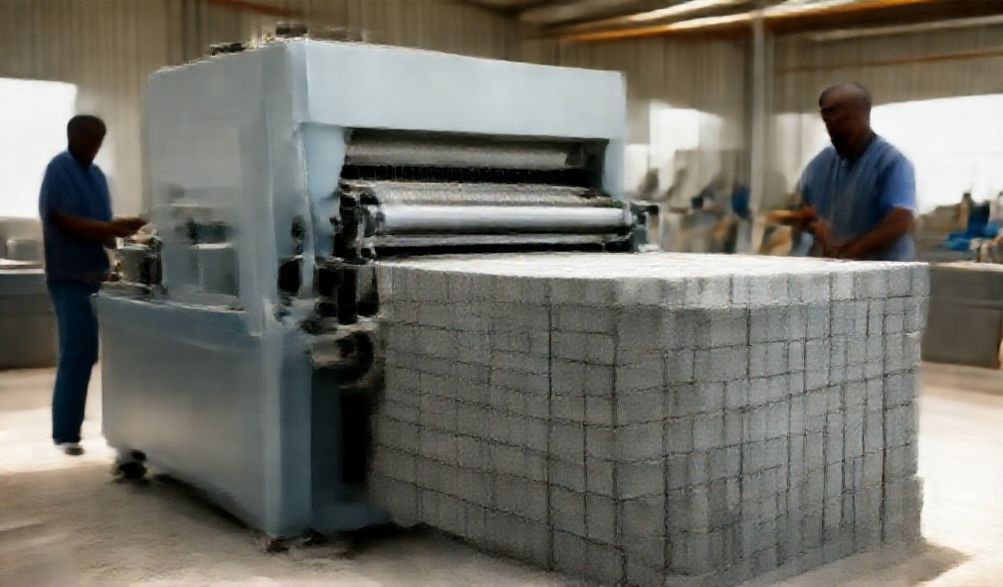
Guia Completo para Máquinas de Fabricação de Tijolos de Cimento na África do Sul (2026)
Introdução
O setor de construção da África do Sul é um pilar fundamental de sua economia, com uma necessidade urgente de mais de 3,5 milhões de casas a preços acessíveis. Essa demanda, aliada ao desenvolvimento de infraestrutura e a projetos privados, cria uma necessidade contínua por materiais de construção confiáveis e de baixo custo. Durante décadas, construtores e empreendedores têm enfrentado as limitações da fabricação tradicional de tijolos, que é intensiva em mão de obra, ou os custos crescentes e a inconsistência no fornecimento de tijolos adquiridos.
Entre a moderna máquina de fabricar tijolos de cimento: uma solução poderosa que transforma matérias-primas em blocos de construção precisos e duráveis com eficiência. Este guia foi elaborado a partir de extensa pesquisa de mercado, análise técnica e insights de profissionais da indústria sul-africana. Ele foi projetado para cortar o ruído e fornecer a você um roteiro claro e autoritativo. Vamos dissecar os tipos de máquinas disponíveis, seus benefícios, considerações-chave de compra, o cenário de fornecedores locais e as finanças, capacitando você a fazer um investimento confiante para seu projeto ou negócio.
Compreendendo Máquinas para Fabricação de Tijolos de Cimento
Antes de investir, é crucial compreender a tecnologia e as opções que prosperam no contexto sul-africano.
Como Funcionam as Máquinas de Fabricação de Tijolos de Cimento?
Em sua essência, essas máquinas automatizam e aprimoram o antigo processo de fabricação de tijolos. O princípio envolve quatro etapas principais:
- Mistura:Cimento, areia, agregado de pedra e água são combinados para formar uma mistura de concreto consistente e semi-seca.
- Moldagem:Esta mistura é alimentada na cavidade do molde da forma desejada do tijolo (por exemplo, maxi, bloco vazado).
- Compactação:Esta é a fase crítica em que a pressão é aplicada. A máquina utiliza força — por meio de uma alavanca, vibração mecânica ou potência hidráulica — para comprimir a mistura, removendo bolsas de ar e criando um tijolo denso e resistente.
- Cura:O tijolo "verde" recém-ejetado é então empilhado e mantido úmido por um período (tipicamente 7-28 dias) para atingir sua resistência total através da hidratação.
A principal diferença entre os tipos de máquinas reside em como ocompactaçãoforça é aplicada e o nível de automação na alimentação e ejeção.
Tipos de Máquinas Disponíveis no Mercado Sul-Africano
O mercado atende a todos, desde o construtor amador até o fabricante industrial.
-
Máquinas Manuais de Fabricação de Tijolos:
- Melhor para:Start-ups, projetos comunitários, construtores de pequena escala e aqueles com um orçamento muito apertado.
- Operação:Depende da força humana para compactação. Baixa produção, mas altamente acessível e portátil.
- Saída:Normalmente 300 a 1.000 tijolos por dia de 8 horas.
-
Máquinas Semiautomáticas:
- Melhor para:Crescimento de pequenas e médias empresas (PMEs) e empreiteiros com demanda estável.
- Operação:Utiliza um motor elétrico ou a diesel para alimentar um sistema de vibração e compactação. O operador alimenta a mistura e remove os tijolos, mas o processo central é mecanizado.
- Saída:Pode variar de 1.500 a 6.000 tijolos por dia. Oferece o melhor equilíbrio entre produtividade e custo.
-
Fábricas de Tijolos Totalmente Automáticas:
- Melhor para:Produção comercial em larga escala fornecendo para construtoras e varejistas.
- Operação:Sistemas controlados por computador que automatizam a mistura, alimentação, moldagem, compactação e empilhamento. Intervenção manual mínima.
- Saída:Pode exceder 10.000 tijolos por dia com consistência excepcional.
- Consideração:Alto investimento de capital e requer mais espaço e energia estável.
-
Máquinas Móveis vs. Máquinas Estáticas:
- Máquinas Móveis:Montados em reboques. Ideal para produção no local, eliminando custos de transporte para grandes projetos como conjuntos habitacionais ou construções remotas.
- Máquinas Estáticas:Instalações fixas para produção baseada em fábrica, geralmente com maior capacidade e integração com sistemas de esteiras transportadoras.
Principais Benefícios de Investir em uma Máquina de Fabricação de Tijolos na África do Sul
O investimento vai além de apenas fazer tijolos; trata-se de garantir vantagens estratégicas.
Eficiência de Custos e ROI
- Economias Diretas:Para projetos de grande escala, produzir seus próprios tijolos pode reduzir os custos de materiais em 30-50% em comparação com a compra no varejo.
- Geração de Receita:Um negócio de fabricação de tijolos tem um produto claro e tangível com demanda constante. O retorno sobre o investimento pode ser rápido, especialmente ao fornecer para construtoras locais, lojas de materiais de construção ou projetos habitacionais do governo.
- Controle: You are insulated from market price fluctuations and supply chain delays for finished bricks.
Qualidade e Consistência Inabaláveis
- Engenharia de Precisão: Machines apply consistent pressure, producing bricks of uniform size, density, and compressive strength (e.g., 7MPa for non-load bearing, 14MPa+ for structural work).
- SANS Compliance: By controlling the mix design and process, you can reliably produce bricks that meet the South African National Standards (SANS 1215), a critical requirement for formal construction and building plan approval.
Speed and Scalability for Growing Demand
- Meet Deadlines: A semi-automatic machine can produce a house-worth of bricks in days, not weeks, keeping projects on schedule.
- Grow with Demand: Start with a manual or semi-automatic model and upgrade your machinery as your order book grows. This scalability is perfect for the entrepreneurial journey.
Contributing to Local Economic Development
Investing in this technology is inherently local-centric. You create jobs (operators, drivers, admin), support local industries (cement, aggregates), and keep capital within the community. It’s a tangible way to participate in building the nation’s infrastructure.
Critical Features to Consider Before You Buy
Choosing the right machine is a technical decision. Focus on these core features.
Production Capacity (Bricks Per Hour/Day)
Be brutally honest about your needs. A machine that is too small will frustrate you; one that is too large will strain your finances and sit idle.
* Small Project/Start-up: 500 – 2,000 bricks/day.
* Established SME/Contractor: 3,000 – 8,000 bricks/day.
* Large Commercial Venture: 10,000+ bricks/day.
Brick Type and Size Versatility
- Demanda de Mercado: In South Africa, maxi bricks, hollow blocks (for insulation and lighter structures), and pavers are highly popular.
- Mold Flexibility: Ensure the supplier offers a variety of easily interchangeable molds. A machine that can produce multiple products future-proofs your business against changing market trends.
Power Source: Electric, Diesel, or Manual?
- Elétrico: Cleaner, quieter, and lower operating cost. Requires reliable grid connection or a substantial generator.
- Diesel: Offers complete mobility and independence from the grid. Ideal for remote sites or areas with load-shedding, but has higher fuel costs and maintenance.
- Manual: Zero running energy costs, but limited to very low output.
Durabilidade e Suporte Pós-Venda
This is the most critical consideration for the South African market.
* Qualidade de Construção: Look for robust frames, high-quality vibration motors, and hardened steel molds. Avoid flimsy, imported machines not built for local conditions.
* Local Service & Spare Parts: Your machine will need maintenance. A supplier with a workshop, trained technicians, and a comprehensive inventory of spare parts within South Africa is non-negotiable. Downtime means lost revenue.
* E-E-A-T Focus: Always verify a supplier’s service claims. Ask for a list of local clients you can contact and inquire about their warranty terms and response times for breakdowns.
Navigating the South African Supplier Landscape
The supplier you choose is as important as the machine itself.
Top Manufacturers and Suppliers of Brick Machines in SA
The market features a mix of long-standing local manufacturers, reputable international brands with local distributors, and newer importers. A trustworthy supplier, whether local or international, will have:
* A physical showroom or factory you can visit.
* Demonstrable machines in operation.
* Transparent pricing and specifications.
* A documented track record of installations and service support.
Authoritativeness Note: Conduct your own due diligence. This guide provides a framework for evaluation, not a definitive ranking. The “best” supplier is the one that reliably supports the machine model that fits your specific needs.
New vs. Used Machines: A Practical Comparison
- New Machines:
- Prós: Full warranty, latest technology, reliable performance, and supplier training/support.
- Contras: Higher upfront capital outlay.
- Used Machines:
- Prós: Lower initial purchase price.
- Contras: Potential hidden wear, no or limited warranty, possible obsolescence of parts.
- Red Flags: Avoid machines with excessive rust, cracked frames, or where the seller cannot demonstrate it working. Always check for the availability of spare parts for that specific model.
The Importance of Local Service and Spare Parts
Reiterating this point: a machine without local support is a liability. Before signing anything, ask the supplier:
* “Where is your service centre located?”
* “Can you provide a list of common spare parts and their prices?”
* “What is your typical response time for a service call?”
* “Can I speak to two of your existing customers in my province?”
Cost Analysis and Financing Your Investment
Plan your finances with a clear view of both capital and ongoing costs.
Price Ranges for Different Machine Types (Estimated in ZAR)
Prices are indicative and vary based on capacity, brand, and features.
* Máquinas Manuais: R8,000 – R25,000
* Máquinas Semiautomáticas: R50,000 – R250,000
* Plantas Totalmente Automáticas: R300,000 – R2,000,000+
Beyond the Machine: Calculating Total Operational Costs
Your budget must include:
* Matérias-primas: Cement, sand, crusher stone/dust.
* Trabalho: Operators and general assistants.
* Site Costs: Rent, security, water for curing.
* Power/Fuel: Electricity or diesel for the machine.
* Maintenance: A monthly reserve for spare parts and service.
* Transport: Vehicle for delivering bricks.
Financing Options and Government Incentives
- Equipment Financing: Many banks and specialist finance companies offer asset-based loans for machinery.
- SME Funding: Explore opportunities from the Small Enterprise Finance Agency (sefa) and other development finance institutions.
- Incentivos Governamentais: While not specific to brick-making, general manufacturing incentives from the Department of Trade, Industry and Competition (DTIC), such as the Critical Infrastructure Programme, may be applicable for larger setups. Consult with a business advisor.
Frequently Asked Questions (FAQ)
Q1: What is the average production output of a standard brick making machine?
A: Output varies dramatically. A manual machine may produce 500-1,000 bricks per day. A standard semi-automatic model can produce 2,000-5,000 bricks per 8-hour shift. Fully automatic plants can exceed 10,000 bricks daily.
Q2: Can I start a brick-making business with a small budget?
A: Absolutely. Many successful businesses start with a single manual or small semi-automatic machine. Focus on a local market, manage costs tightly, and reinvest profits to upgrade your equipment over time.
Q3: How do I ensure the bricks I produce meet South African building standards?
A: Use the correct mix ratio (e.g., 1 part cement to 6 parts combined aggregate for a standard brick), ensure your machine provides adequate compaction, and follow a proper curing process (keeping bricks moist for at least 7 days). For formal projects, have samples tested at a certified lab to verify they meet SANS 1215.
Q4: What is the most common cause of machine breakdown, and how can I prevent it?
A: Neglect is the biggest enemy. The most common issues stem from not cleaning the machine after use (hardened concrete causes damage) and failing to lubricate moving parts as per the manual. Prevent this by implementing a strict daily cleaning and weekly maintenance schedule.
Q5: Where can I get training on operating and maintaining my machine?
A: A reputable supplier should provide comprehensive hands-on training upon installation. For deeper technical knowledge, consider short courses in concrete technology offered by various Technical and Vocational Education and Training (TVET) colleges across South Africa.
Conclusão
Investing in a cement brick making machine in South Africa is a strategic decision that blends practical construction needs with entrepreneurial opportunity. The journey begins by clearly defining your production goals, understanding the mechanics behind different machine types, and, most importantly, prioritising suppliers who offer unwavering local service and support. A thorough cost analysis, considering both the purchase price and ongoing operational expenses, will ensure your venture is built on a solid foundation.
Let this guide be your first step. We strongly encourage you to move from research to action: visit supplier workshops, see machines in operation, and speak directly to their existing customers. There is no substitute for firsthand verification.
Ready to take the next step? Download our free checklist: ’10 Essential Questions to Ask Before Buying a Brick Making Machine in South Africa’ to equip yourself for confident conversations with suppliers.
By making an informed choice, you’re not just buying a piece of equipment—you’re investing in the capacity to build the future of South Africa, one high-quality, locally-produced brick at a time.
<