
Полное руководство по машинам для производства цементных кирпичей в Южной Африке (2026)
Введение
Строительный сектор Южной Африки является краеугольным камнем её экономики, где остро необходимы более 3,5 миллионов доступных жилых домов. Этот спрос, наряду с развитием инфраструктуры и частными проектами, создаёт постоянную потребность в надёжных и экономически эффективных строительных материалах. На протяжении десятилетий строители и предприниматели сталкивались с ограничениями традиционного, трудоёмкого производства кирпича или с растущими затратами и нестабильностью поставок покупного кирпича.
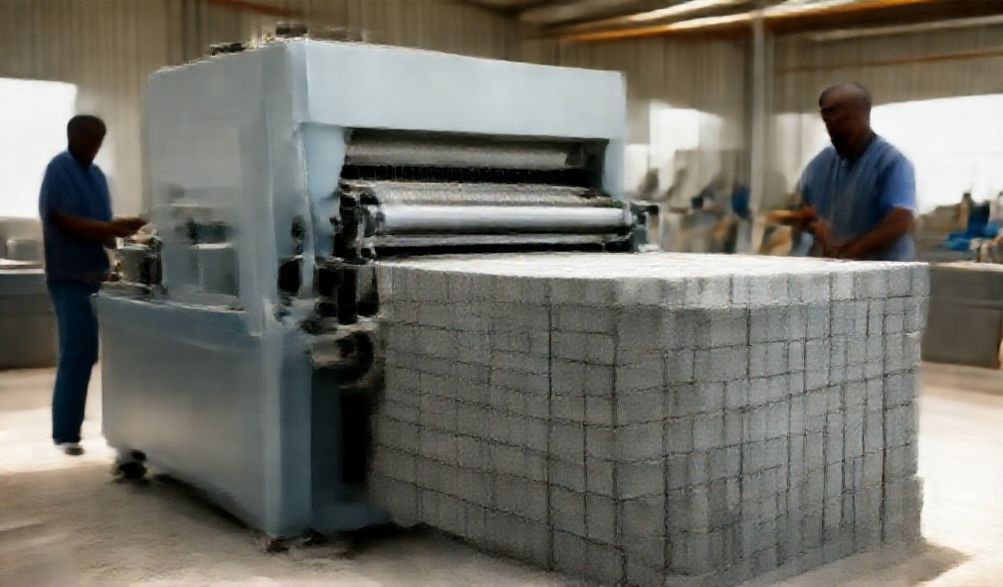
Вот современный станок для производства цементных блоков: мощное решение, которое эффективно превращает сырье в точные и долговечные строительные элементы. Это руководство создано на основе обширного исследования рынка, технического анализа и мнений профессионалов отрасли Южной Африки. Оно призвано отделить важное от второстепенного и предложить вам ясный, авторитетный план действий. Мы разберем типы доступных машин, их преимущества, ключевые аспекты для покупки, местный рынок поставщиков и финансовые вопросы, чтобы вы могли сделать уверенные инвестиции для своего проекта или бизнеса.
Понимание машин для производства цементных кирпичей
Прежде чем инвестировать, крайне важно понять технологию и варианты, которые процветают в условиях Южной Африки.
Как работают машины для производства цементных кирпичей?
В своей основе эти машины автоматизируют и совершенствуют многовековой процесс производства кирпичей. Принцип включает четыре ключевых этапа:
- Смешивание:Цемент, песок, щебень и вода смешиваются для получения однородной полусухой бетонной смеси.
- Формование:Эта смесь заливается в форму полости желаемой формы кирпича (например, макси, пустотелый блок).
- Уплотнение:Это критическая фаза, когда применяется давление. Машина использует силу — с помощью рычага, механической вибрации или гидравлической энергии — для уплотнения смеси, удаляя воздушные карманы и создавая плотный, прочный кирпич.
- Курение:Свежеизготовленный "зеленый" кирпич затем укладывают в штабеля и поддерживают во влажном состоянии в течение определенного периода (обычно от 7 до 28 дней), чтобы он набрал полную прочность в процессе гидратации.
Основное различие между типами машин заключается в том, как ониуплотнениесила прилагается и уровень автоматизации в подаче и извлечении.
Типы машин, доступных на южноафриканском рынке
Рынок обслуживает всех — от домашних мастеров до промышленных производителей.
-
Ручные машины для производства кирпича:
- Лучше всего подходит для:Стартапы, общественные проекты, мелкие застройщики и те, у кого очень ограниченный бюджет.
- Операция:Использует человеческую силу для уплотнения. Низкая производительность, но высокая доступность и портативность.
- Вывод:Обычно 300 – 1000 кирпичей за 8-часовой рабочий день.
-
Полуавтоматические станки:
- Лучше всего подходит для:Развитие малых и средних предприятий (МСП) и подрядчиков со стабильным спросом.
- Операция:Использует электрический или дизельный двигатель для привода системы вибрации и уплотнения. Оператор подает смесь и забирает кирпичи, но основной процесс механизирован.
- Вывод:Может составлять от 1500 до 6000 кирпичей в день. Предлагает наилучший баланс производительности и стоимости.
-
Полностью автоматизированные заводы по производству кирпича:
- Лучше всего подходит для:Крупномасштабное коммерческое производство, поставляющее продукцию строительным компаниям и розничным сетям.
- Операция:Компьютеризированные системы, автоматизирующие процессы смешивания, подачи, формования, уплотнения и штабелирования. Минимальное ручное вмешательство.
- Вывод:Может превышать 10 000 кирпичей в день с исключительной стабильностью.
- Рассмотрение:Высокие капиталовложения и требует больше места и стабильного электроснабжения.
-
Mobile vs. Static Machines:
- Мобильные машины: Mounted on trailers. Ideal for on-site production, eliminating transport costs for large projects like housing estates or remote builds.
- Статические машины: Fixed installations for factory-based production, often with higher capacity and integration with conveyor systems.
Key Benefits of Investing in a Brick Making Machine in South Africa
The investment goes beyond just making bricks; it’s about securing strategic advantages.
Cost Efficiency and ROI
- Прямая экономия: For large-scale projects, producing your own bricks can slash material costs by 30-50% compared to buying retail.
- Генерация доходов: A brick-making business has a clear, tangible product with constant demand. The ROI can be swift, especially when supplying local builders, hardware stores, or government housing projects.
- Control: You are insulated from market price fluctuations and supply chain delays for finished bricks.
Непревзойденное качество и постоянство
- Прецизионная инженерия: Machines apply consistent pressure, producing bricks of uniform size, density, and compressive strength (e.g., 7MPa for non-load bearing, 14MPa+ for structural work).
- SANS Compliance: By controlling the mix design and process, you can reliably produce bricks that meet the South African National Standards (SANS 1215), a critical requirement for formal construction and building plan approval.
Speed and Scalability for Growing Demand
- Meet Deadlines: A semi-automatic machine can produce a house-worth of bricks in days, not weeks, keeping projects on schedule.
- Grow with Demand: Start with a manual or semi-automatic model and upgrade your machinery as your order book grows. This scalability is perfect for the entrepreneurial journey.
Contributing to Local Economic Development
Investing in this technology is inherently local-centric. You create jobs (operators, drivers, admin), support local industries (cement, aggregates), and keep capital within the community. It’s a tangible way to participate in building the nation’s infrastructure.
Critical Features to Consider Before You Buy
Choosing the right machine is a technical decision. Focus on these core features.
Production Capacity (Bricks Per Hour/Day)
Be brutally honest about your needs. A machine that is too small will frustrate you; one that is too large will strain your finances and sit idle.
* Small Project/Start-up: 500 – 2,000 bricks/day.
* Established SME/Contractor: 3,000 – 8,000 bricks/day.
* Large Commercial Venture: 10,000+ bricks/day.
Brick Type and Size Versatility
- Рыночный спрос: In South Africa, maxi bricks, hollow blocks (for insulation and lighter structures), and pavers are highly popular.
- Mold Flexibility: Ensure the supplier offers a variety of easily interchangeable molds. A machine that can produce multiple products future-proofs your business against changing market trends.
Power Source: Electric, Diesel, or Manual?
- Электрический: Cleaner, quieter, and lower operating cost. Requires reliable grid connection or a substantial generator.
- Дизель: Offers complete mobility and independence from the grid. Ideal for remote sites or areas with load-shedding, but has higher fuel costs and maintenance.
- Инструкция: Zero running energy costs, but limited to very low output.
Долговечность и послепродажная поддержка
This is the most critical consideration for the South African market.
* Качество сборки: Look for robust frames, high-quality vibration motors, and hardened steel molds. Avoid flimsy, imported machines not built for local conditions.
* Local Service & Spare Parts: Your machine will need maintenance. A supplier with a workshop, trained technicians, and a comprehensive inventory of spare parts within South Africa is non-negotiable. Downtime means lost revenue.
* E-E-A-T Focus: Always verify a supplier’s service claims. Ask for a list of local clients you can contact and inquire about their warranty terms and response times for breakdowns.
Navigating the South African Supplier Landscape
The supplier you choose is as important as the machine itself.
Top Manufacturers and Suppliers of Brick Machines in SA
The market features a mix of long-standing local manufacturers, reputable international brands with local distributors, and newer importers. A trustworthy supplier, whether local or international, will have:
* A physical showroom or factory you can visit.
* Demonstrable machines in operation.
* Transparent pricing and specifications.
* A documented track record of installations and service support.
Authoritativeness Note: Conduct your own due diligence. This guide provides a framework for evaluation, not a definitive ranking. The “best” supplier is the one that reliably supports the machine model that fits your specific needs.
New vs. Used Machines: A Practical Comparison
- New Machines:
- Плюсы: Full warranty, latest technology, reliable performance, and supplier training/support.
- Минусы: Higher upfront capital outlay.
- Used Machines:
- Плюсы: Lower initial purchase price.
- Минусы: Potential hidden wear, no or limited warranty, possible obsolescence of parts.
- Red Flags: Avoid machines with excessive rust, cracked frames, or where the seller cannot demonstrate it working. Always check for the availability of spare parts for that specific model.
The Importance of Local Service and Spare Parts
Reiterating this point: a machine without local support is a liability. Before signing anything, ask the supplier:
* “Where is your service centre located?”
* “Can you provide a list of common spare parts and their prices?”
* “What is your typical response time for a service call?”
* “Can I speak to two of your existing customers in my province?”
Cost Analysis and Financing Your Investment
Plan your finances with a clear view of both capital and ongoing costs.
Price Ranges for Different Machine Types (Estimated in ZAR)
Prices are indicative and vary based on capacity, brand, and features.
* Ручные станки: R8,000 – R25,000
* Полуавтоматические станки: R50,000 – R250,000
* Полностью автоматизированные заводы: R300,000 – R2,000,000+
Beyond the Machine: Calculating Total Operational Costs
Your budget must include:
* Сырье: Cement, sand, crusher stone/dust.
* Труд: Operators and general assistants.
* Site Costs: Rent, security, water for curing.
* Power/Fuel: Electricity or diesel for the machine.
* Maintenance: A monthly reserve for spare parts and service.
* Transport: Vehicle for delivering bricks.
Financing Options and Government Incentives
- Equipment Financing: Many banks and specialist finance companies offer asset-based loans for machinery.
- SME Funding: Explore opportunities from the Small Enterprise Finance Agency (sefa) and other development finance institutions.
- Государственные стимулы: While not specific to brick-making, general manufacturing incentives from the Department of Trade, Industry and Competition (DTIC), such as the Critical Infrastructure Programme, may be applicable for larger setups. Consult with a business advisor.
Frequently Asked Questions (FAQ)
Q1: What is the average production output of a standard brick making machine?
А: Output varies dramatically. A manual machine may produce 500-1,000 bricks per day. A standard semi-automatic model can produce 2,000-5,000 bricks per 8-hour shift. Fully automatic plants can exceed 10,000 bricks daily.
Q2: Can I start a brick-making business with a small budget?
А: Absolutely. Many successful businesses start with a single manual or small semi-automatic machine. Focus on a local market, manage costs tightly, and reinvest profits to upgrade your equipment over time.
Q3: How do I ensure the bricks I produce meet South African building standards?
А: Use the correct mix ratio (e.g., 1 part cement to 6 parts combined aggregate for a standard brick), ensure your machine provides adequate compaction, and follow a proper curing process (keeping bricks moist for at least 7 days). For formal projects, have samples tested at a certified lab to verify they meet SANS 1215.
Q4: What is the most common cause of machine breakdown, and how can I prevent it?
А: Neglect is the biggest enemy. The most common issues stem from not cleaning the machine after use (hardened concrete causes damage) and failing to lubricate moving parts as per the manual. Prevent this by implementing a strict daily cleaning and weekly maintenance schedule.
Q5: Where can I get training on operating and maintaining my machine?
А: A reputable supplier should provide comprehensive hands-on training upon installation. For deeper technical knowledge, consider short courses in concrete technology offered by various Technical and Vocational Education and Training (TVET) colleges across South Africa.
Conclusion
Investing in a cement brick making machine in South Africa is a strategic decision that blends practical construction needs with entrepreneurial opportunity. The journey begins by clearly defining your production goals, understanding the mechanics behind different machine types, and, most importantly, prioritising suppliers who offer unwavering local service and support. A thorough cost analysis, considering both the purchase price and ongoing operational expenses, will ensure your venture is built on a solid foundation.
Let this guide be your first step. We strongly encourage you to move from research to action: visit supplier workshops, see machines in operation, and speak directly to their existing customers. There is no substitute for firsthand verification.
Ready to take the next step? Download our free checklist: ’10 Essential Questions to Ask Before Buying a Brick Making Machine in South Africa’ to equip yourself for confident conversations with suppliers.
By making an informed choice, you’re not just buying a piece of equipment—you’re investing in the capacity to build the future of South Africa, one high-quality, locally-produced brick at a time.
<