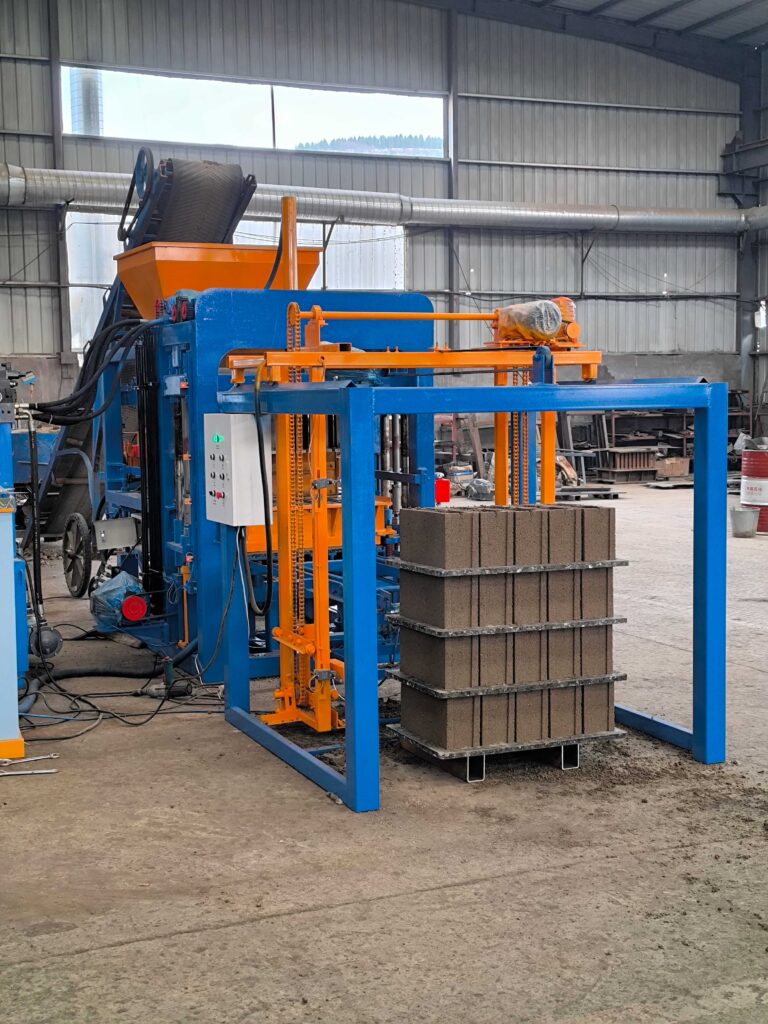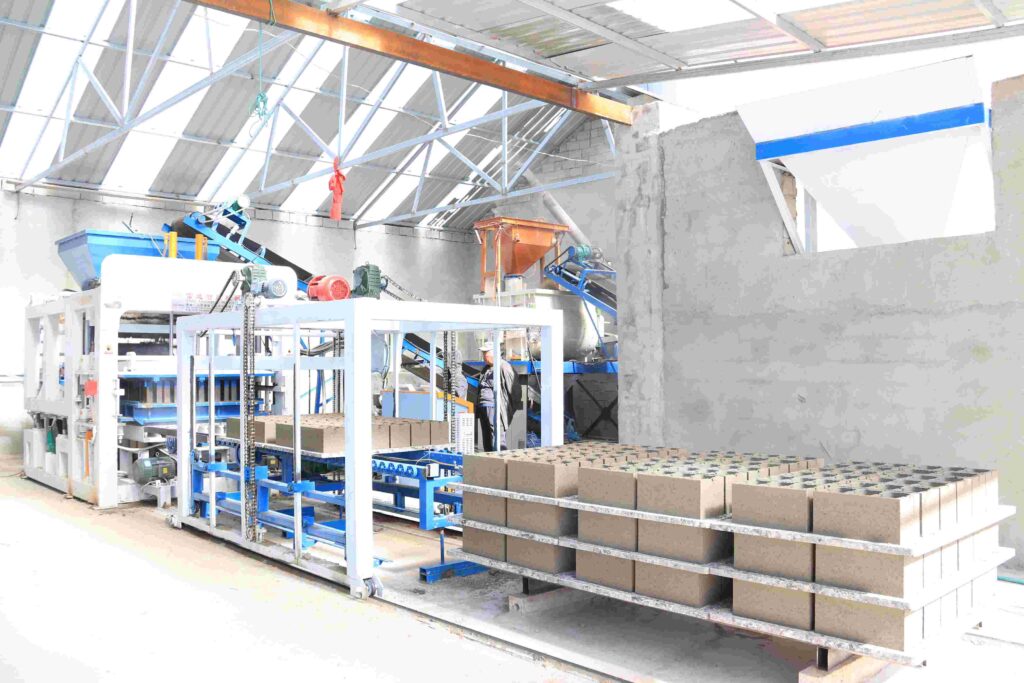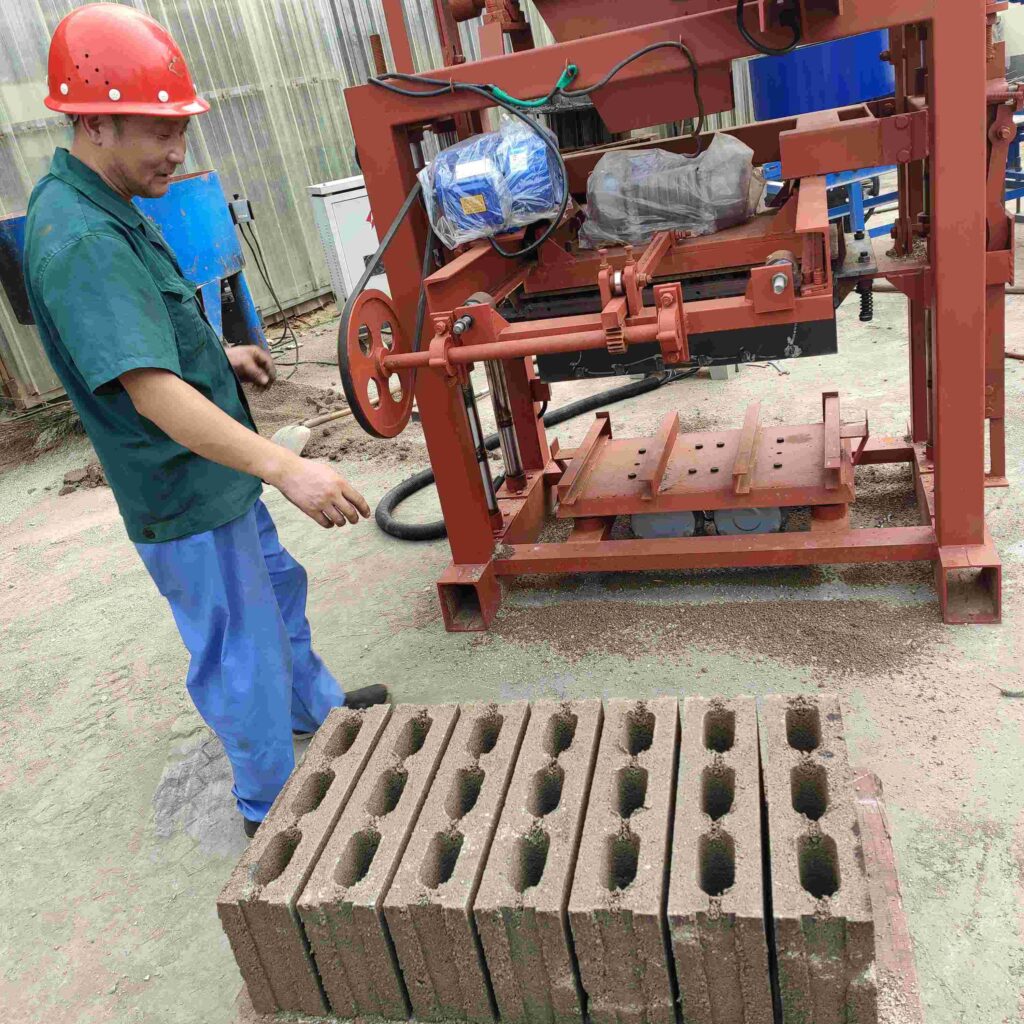
Struktur Kos Sistem Pembuatan Bata Automatik
Pengenalan
Bagi pengedar, peniaga, dan pakar perolehan dalam industri peralatan pembinaan, persoalan harga mesin bata automatik adalah antara pertanyaan paling kerap dan kompleks daripada pelanggan. Namun, angka kewangan secara langsung bukan sekadar label harga, tetapi titik permulaan kepada analisis kewangan dan operasi yang terperinci. Kos mesin bata automatik adalah satu konstruk yang berubah-ubah, dipengaruhi oleh matriks spesifikasi teknikal, skala pengeluaran, kedalaman automasi, dan sistem sokongan tambahan.
Menguraikan Pelaburan: Pendorong Kos Utama
Harga mesin bata automatik tidak ditetapkan secara sewenang-wenangnya; ia adalah pantulan langsung kejuruteraan, keupayaan, dan nilai yang dibawanya. Penentu utama termasuk:
- Kapasiti Pengeluaran dan Kelas Output
- Output mesin, yang diukur dalam batu bata atau blok per jam atau per syif 8 jam, adalah pengganda kos utama. Mesin dikategorikan secara umum:
- Automatik Tahap Permulaan/Berskala Kecil:Output dari 1,000 hingga 3,000 blok setiap syif. Ini sering dilengkapi automasi asas (penekanan automatik, suapan palet ringkas) dan jejak mesin yang lebih kecil. Ia mewakili peringkat harga automatik yang lebih rendah tetapi menawarkan peningkatan ketara berbanding operasi separa automatik.
- Sistem Perindustrian Berskala Sederhana:Output dari 3,000 hingga 8,000 blok setiap syif. Ini adalah julat komersial paling lazim, yang menampilkan sistem hidraulik yang kukuh, pengumpan bahan bersepadu, dan sering kali sistem peredaran palet separa automatik atau sepenuhnya automatik. Ia membentuk teras kebanyakan halaman blok yang menguntungkan.
- Talian Pengeluaran Berskala Besar/Berkelajuan Tinggi:Output melebihi 8,000 dan mencapai 20,000+ blok setiap syif. Ini adalah kilang bersepadu lengkap dengan kawalan PLC canggih, pengendalian palet robotik, penumpuk berbilang lapisan, dan kadangkala pengadun dan penghantar bersepadu. Harga meningkat dengan ketara pada tahap integrasi dan kelajuan ini.
- Output mesin, yang diukur dalam batu bata atau blok per jam atau per syif 8 jam, adalah pengganda kos utama. Mesin dikategorikan secara umum:
- Darjah dan Kepintaran Automasi
- "Automatik" adalah satu spektrum. Kos meningkat dengan setiap lapisan operasi tanpa tangan:
- Mesin Tekan Automatik Asas:Mengautomasikan kitaran menekan dan mengeluarkan sahaja. Pemakanan bahan dan pengendalian palet mungkin masih manual atau separa automatik.
- Mesin Automatik Sepenuhnya dengan Peredaran PalletTermasuk sistem gelung tertutup automatik untuk memasukkan palet kosong ke dalam mesin tekan dan mengeluarkan palet yang telah dimuatkan ke penghantar. Ini adalah standard untuk automasi sebenar.
- Baris Automatik Sepadu PenuhMenggabungkan pembungkusan automatik bahan, pengadukan automatik, pemindahan berasaskan tali sawat ke corong penekan, mesin penekan itu sendiri, penindih/penurun pengawetan automatik, dan kadangkala pembungkusan robotik. Setiap modul tambahan meningkatkan perbelanjaan modal.
- "Automatik" adalah satu spektrum. Kos meningkat dengan setiap lapisan operasi tanpa tangan:
- Spesifikasi dan Kualiti Binaan Mesin
- Spesifikasi teknikal secara langsung memberi kesan terhadap ketahanan, kos penyelenggaraan, dan jangka hayat:
- Kapasiti Tekanan (Tonase):Mesin penekan 150 tan akan menelan kos yang jauh lebih tinggi berbanding mesin penekan 60 tan disebabkan oleh silinder yang lebih besar, rangka yang lebih berat, dan sistem hidraulik yang lebih berkuasa.
- Kualiti Komponen:Asal dan jenama komponen teras seperti PLC (Siemens, Mitsubishi, dsb.), pam hidraulik dan injap, motor elektrik, serta galas mempengaruhi kedua-dua kos awal dan kebolehpercayaan jangka panjang. Komponen premium memerlukan harga yang lebih tinggi.
- Pembinaan dan Bahan:Ketebalan plat keluli dalam rangka, kualiti kimpalan, dan penggunaan komponen acuan yang dikeraskan dan disalut krom semuanya menyumbang kepada harga mesin serta ketahanannya terhadap haus dalam persekitaran industri yang kasar.
- Spesifikasi teknikal secara langsung memberi kesan terhadap ketahanan, kos penyelenggaraan, dan jangka hayat:
- Kepelbagaian Produk dan Perkakasan
- Mesin yang mampu menghasilkan pelbagai jenis produk (bongkah pepejal, bongkah berongga, penurap, bongkah saling mengunci) melalui sistem pertukaran acuan pantas akan lebih mahal berbanding mesin khusus untuk produk tunggal. Pembelian awal mungkin hanya merangkumi satu atau dua set acuan; acuan tambahan merupakan kos modal berulang yang berasingan dan perlu diambil kira dalam jumlah pelaburan projek.
Spektrum Harga: Daripada Peringkat Permulaan kepada Loji Siap Guna
Menyediakan konteks lebih bernilai daripada satu nombor sahaja. Julat pelaburan boleh difahami seperti berikut (Nota: Ini adalah julat ilustrasi dan boleh berbeza secara meluas mengikut rantau dan pengeluar):
- Sistem Automatik Tahap Permulaan: $5,000 – $10,000
- Typically includes a basic automatic press with a simple feeder and perhaps a pallet feed table. Suitable for small businesses entering automated production. May require considerable manual intervention for material and product handling.
- Mid-Range Industrial Workhorse Systems: $10,000 – $20,000
- Encompasses robust, fully automatic machines with reliable pallet circulation, good production capacity (3,000-6,000 blocks/shift), and standardized components. This range represents the core offering for established block manufacturers and represents the best balance of performance and investment for many SMEs.
- High-Capacity Integrated Production Lines: $20,000 – $50,000+
- For serious industrial producers. This price bracket includes high-speed machines with advanced controls and, critically, integrated auxiliary equipment: automated batching plants, twin-shaft mixers, conveyor networks, and automated curing handling systems (stackers/descenders). The price reflects a complete production solution, not just a machine.
Di Sebalik Harga Stiker: Kos Pemilikan Keseluruhan (TCO)
An informed distributor guides the client to evaluate the Total Cost of Ownership, which dictates true profitability.
- Initial Capital Expenditure (CapEx)
- This is the purchase price of the machine and essential auxiliary equipment (mixer, conveyor, pallets). It also includes costs for shipping, installation, commissioning, and operator training.
- Operational Expenditure (OpEx)
- The ongoing costs of running the machine:
- Penggunaan Tenaga: A significant variable cost based on local electricity rates and machine efficiency.
- Bahan Mentah: Cost of aggregates, cement, pigments.
- Buruh: Reduced but not eliminated. Requires skilled technicians and machine minders.
- Maintenance and Spare Parts: Regular servicing, replacement of wear parts (mold liners, hydraulic seals, vibrator mounts). A machine with cheaper initial cost but high, difficult-to-source spare parts can become a liability.
- Tooling (Mold) Replacement: Molds are consumables with a finite lifecycle.
- The ongoing costs of running the machine:
- The Critical Value of After-Sales Support
- The initial price must be evaluated alongside the cost and quality of after-sales support. This includes:
- Warranty Terms and Scope.
- Availability and Price of Spare Parts.
- Accessibility and Cost of Technical Support (remote and on-site).
- Quality of Documentation and Training.
A machine with a slightly higher initial price but backed by excellent, localized support often has a lower TCO due to higher uptime and longer lifespan.
- The initial price must be evaluated alongside the cost and quality of after-sales support. This includes:
Strategic Financial Considerations for Client Advisory
Distributors must equip clients to make a sound investment case.
- Building a Return on Investment (ROI) Model
- Guide clients to create a basic pro forma: Estimate annual production volume, assign a market value to the bricks, and subtract all projected OpEx. The net profit divided by the total CapEx provides a simple ROI timeframe. A quality automatic machine should typically aim for an ROI of 18 to 36 months based on efficient operation at reasonable capacity utilization.
- Assessing Financing and Cash Flow Implications
- Few clients pay entirely from cash reserves. Discuss financing options, leasing structures, or government grants for industrial equipment. The machine’s ability to generate consistent cash flow from production is key to servicing any debt.
- The Cost of Not Automating: A Competitive Analysis
- Frame the investment against the alternative. What is the client losing by sticking with manual or semi-automatic production? Calculate the higher labor cost per block, the lower and inconsistent output, the inability to fulfill large contracts, and the inferior product quality. The “cost” is often lost market share and constrained growth.
Kesimpulan
The question, “How much does an automatic brick machine cost?” is the beginning of a strategic conversation, not the end. For the distributor, the goal is to shift the client’s perspective from viewing the machine as a commodity purchase with a single price to understanding it as a capital investment with a multi-variable cost structure and a clear path to ROI.
The most effective sales approach is consultative: work with the client to analyze their target market, required production volume, available infrastructure, and financial capacity. Then, match them with a system whose capabilities—and price point—align with their business plan. By transparently discussing not just the initial price but the TCO, the value of support, and the financial model for success, distributors build immense trust and position themselves as long-term partners in their clients’ growth. In doing so, they transform a complex pricing question into a clear blueprint for profitability and competitive advantage in the construction materials industry.
Soalan Lazim (FAQ)
Q1: Is it possible to get a reliable automatic brick machine for under $10,000?
A: While entry-level machines are advertised in this range, extreme caution is advised. At this price point, machines often involve significant compromises: lighter structural frames, lower-quality hydraulic components, simplified PLCs, and minimal after-sales support. They may be suitable for very low-volume, intermittent production but carry high risks of frequent breakdowns, difficult-to-source parts, and short service life. For a business-critical asset, investing in a robust system from a reputable supplier in a higher tier is almost always more economical in the long run.
Q2: What percentage of the total project cost should be allocated to auxiliary equipment (mixer, conveyor, pallets)?
A: As a rule of thumb, for a fully functional production line, the auxiliary equipment can represent 30% to 50% of the total capital expenditure. A $100,000 automatic press might require an additional $40,000-$60,000 for a quality mixer, conveyor system, pallets (which are a significant recurring cost themselves), and a simple forklift or stacker. This must be budgeted from the outset to avoid a scenario where a client purchases a press but lacks the means to feed it or handle its output efficiently.
Q3: How does local manufacturing versus import affect the price and value proposition?
A:
- Locally Manufactured: May offer a moderate price advantage, easier and faster access to spare parts, and more responsive service. Technical documentation and training might be in the local language. The technology may sometimes be based on older, proven designs.
- Imported (from established manufacturing hubs): Often commands a premium price but may incorporate more advanced technologydanhigher-grade international components. The critical factor is the local presence and strength of the distributor’s after-sales network. An imported machine without strong local technical support is a high-risk investment.
Q4: What are the most common hidden costs that clients overlook?
A: Major hidden costs include:
- Site Preparation: Reinforced concrete foundation, three-phase electrical hookup, compressed air lines.
- Initial Spare Parts Kit: Beyond the basic toolkit, an inventory of common wear parts (seals, hoses, sensors) is essential to minimize downtime.
- Palet: A full set of high-quality steel pallets for circulation is a substantial upfront cost.
- Installation & Commissioning Fees: These are sometimes quoted separately from the machine price.
- Ongoning Training: For new operators beyond the initial training.
Q5: Can the production output (blocks per hour) guarantee in the brochure be achieved in real-world conditions?
A: Brochure outputs are theoretical maximums under ideal conditions: perfect material consistency, immediate pallet supply, and zero downtime. Real-world sustainable output is typically 75-85% of the brochure figure. A prudent client plans their business model based on this adjusted output. Discuss “cycle time” with the manufacturer rather than just “bricks per hour,” and ask for references from existing clients about their actual production rates.