Qaababka Kharashka ee Nidaamyada Soosaarka Lebi ee Awoodda
Hordhac
Wakhtiyeyaasha, iibiyeyaasha, iyo khabiirrada soo saarista qalabka dhismaha, su'aasha qiimaha makiinada toosan ee otomaatigga ah waa mid ka mid ah su'aalaha ugu badan ee macaamiisha, oo lehe xalado adag. Si kastaba ha ahaatee, qiyaas dhaqaaleed toos ah ma ahan kaliya calaamad qiime, balse waa meesha lagu bilaabo falanqeyn dhaqaale iyo hawleed oo faahfaahsan. Qiimaha makiinada toosan ee otomaatigga ah waa mid isbeddel ku habboon, oo saamayn ku leh qaababka farsamada, heerka wax soo saarka, qoto dheerka otomaatiga, iyo nidaamyada taageerada dheeraadka ah.
Ka Qaybinta Maalgashiga: Diiwaangelinta Khidmadaha Ugu Muhiimsan
Qiimaha makiinada toobada otomaatig ah ma ahan mid aan la qiyaasin; waa muujin toos ah oo u dhiganta injineernimadeeda, awooddeeda, iyo qiimaha ay keento. Sababaha muhiimka ah ee go'aamiya waxaa ka mid ah:
- Qaybta Awoodda Soo saarista iyo Soo saarka
- Mashinaca waxaa loogu talagalay soo saaridda, oo lagu cabbirayo liboox ama buloogo saacad kasta ama shaqo 8 saacadeed, waa wax soo saar ku dhufasho oo ugu muhiimsan. Mashinacyada si ballaaran waxaa loo kala saaraa:
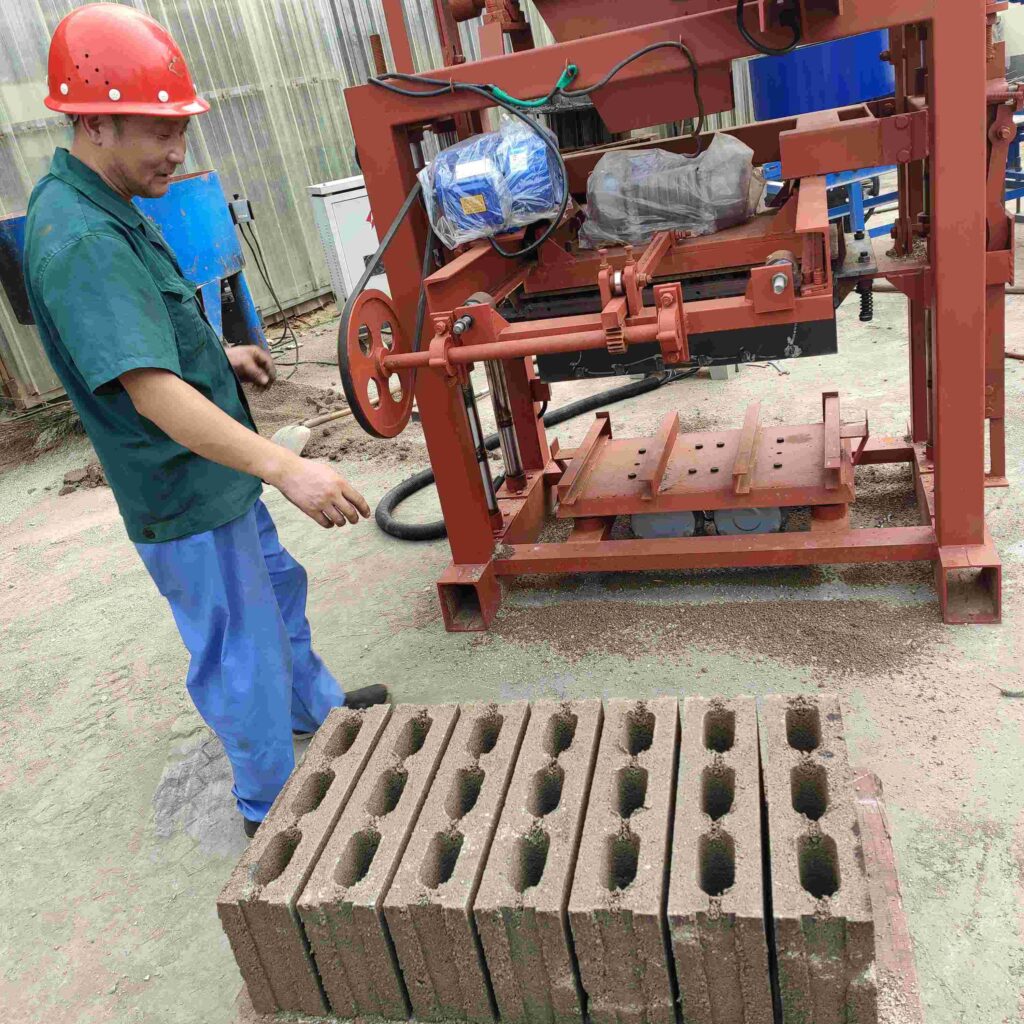
- Hore u socodka/Yar-yar ee Otomaatiga ahWaxaa soo saara 1,000 ilaa 3,000 blook oo kala duwan. Kuwaani inta badan waxay leeyihiin asaasigaad otomaatig ah (khadka otomaatiga ah, soo saar fudud oo pallet ah) iyo cabir yar oo mashiin. Waxay matalaan heerka hoose ee qiimaha otomaatiga laakiin waxay bixiyaan horumar aad u weyn oo ka duwan hawlgalka nus-otomaatiga.
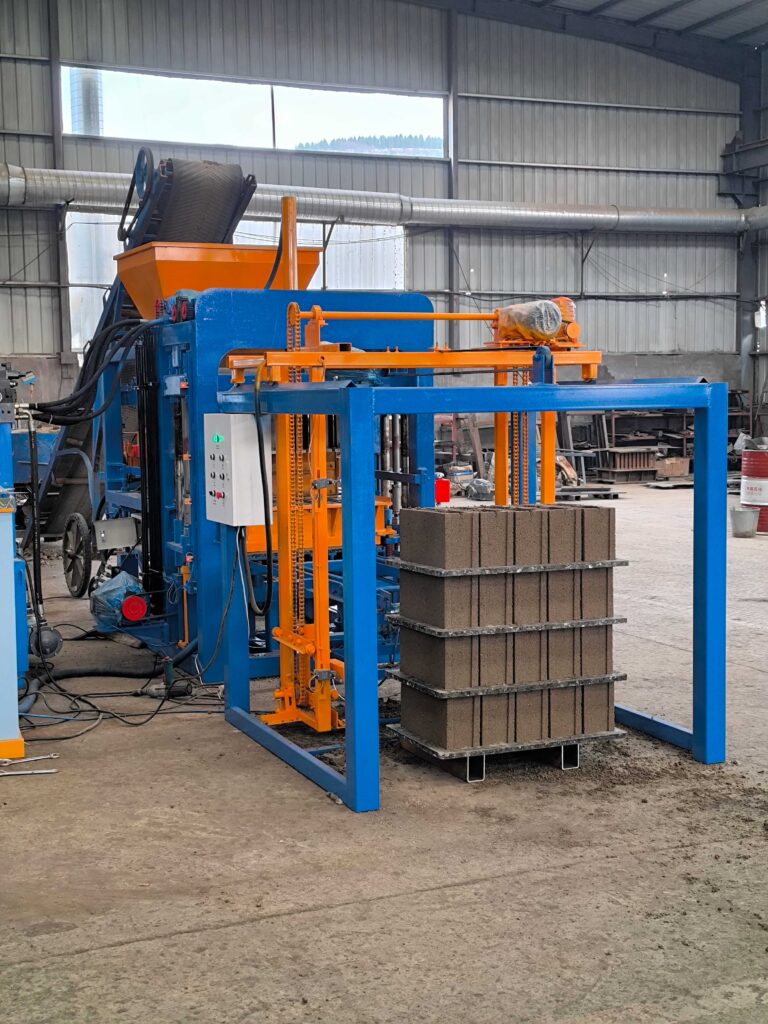
- Nidaamyada Warshadeed ee Heerka Dhexe:Waxay soo saaraan 3,000 ilaa 8,000 oo buulo ah habka kasta. Tani waa heerka ganacsiga ugu caansan, oo lehey nidaamyada biyoolabik ee xoogga leh, quudiyeyaasha alaabta ee is-dhexgalka ah, iyo inta badan nidaam wareeg otoomaatiki ah ama otoomaatiki oo dhamaystiran. Waxay noqdaan xuddunta ugu faa'iidada badan meelaha buulada.
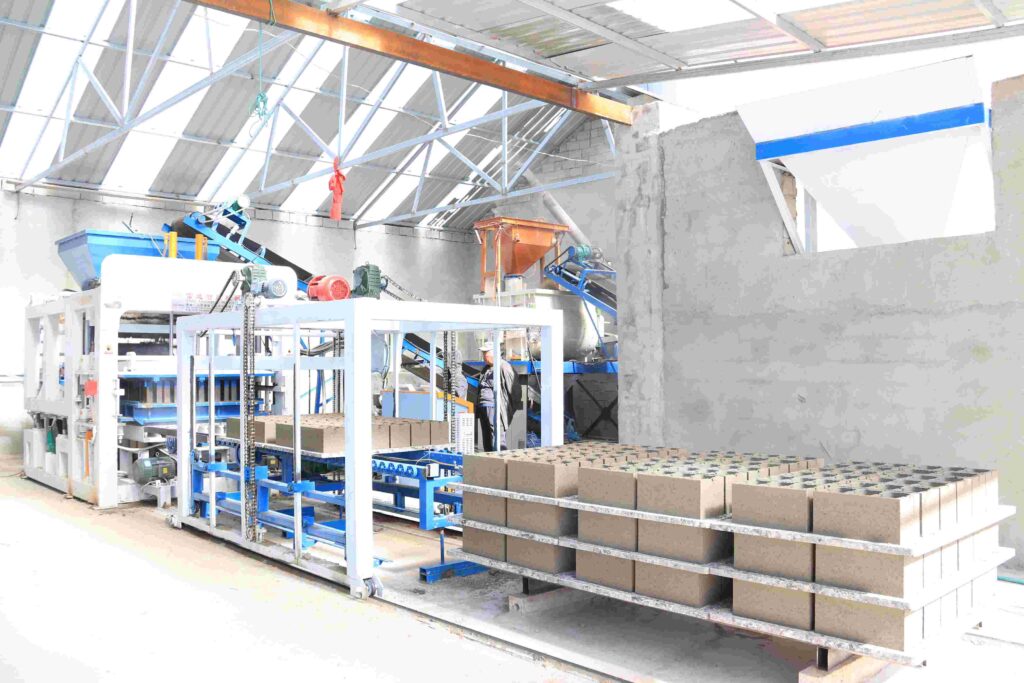
- Khatarta Waaweyn/Taasi oo Degdeg ah ee Soo-saaristaSoo saarista oo ka badan 8,000 oo gaadha 20,000+ oo buul oo kala go' go'an. Kuwaani waa warshadooyin dhamaystiran oo is-dhis ah oo lehey maareeyayaal PLC oo farsamo badan, maamulka roobootada ee palletada, istaakayaasha dabaqyo badan, iyo mararka qaarkood kuwa isku-dhafan ee isku-dhafka iyo kuwa gudbiya. Qiimaha aad buu u kordhaa heerkan isku-dhafka iyo xawaaraha.
- Mashinaca waxaa loogu talagalay soo saaridda, oo lagu cabbirayo liboox ama buloogo saacad kasta ama shaqo 8 saacadeed, waa wax soo saar ku dhufasho oo ugu muhiimsan. Mashinacyada si ballaaran waxaa loo kala saaraa:
- Heerka iyo Xirfadda Awtomaatiga
- "Awtoomaatik" waa kala duwan. Kharashku wuu kordhaa marka la sii daro heer kasta oo ka mid ah hawlgalka aan gacanta laga gelin.
- Guddiga Saacadaha ee Awooda ugu Yar:Waxaa si toos ah loo dhaqaaqiyaa wareegga la dhigo iyo la saaro oo keliya. Soo saarista qalabka iyo maareynta palletka ayaa weli waxaa laga yaabaa in ay tahay gacanta ama ku-meel-gaar ah.
- Mashinada Toos ah oo leh Wareegga Palletka:Waxay ku jirtaa nidaamka tooska ah ee wareegga la xidhay oo loogu talagalay quudinta baaldiyada madhan ee galiya mashiinka iyo dhaqdhaqaaqa baaldiyada buuxa ee u gudbaya conveyor-ka. Tani waa heer caadi ah ee otomaanshaha dhabta ah.
- Layli Isku Dhafan Oo Toos ahWaxaa lagu daray baatariyada otomaatiga ah ee qalabka iyo isku-dhafka, gudbinta saliidda ee ku salaysan conveyor ilaa hopperka riixid, riixida lafteeda, isku-dhafka otomaatiga ah ee la dhaqaaqiyo/hoos u dhaca, iyo mararka qaarkood baakadaha robotiga ah. Modul kasta oo lagu daro ayaa kor u qaada saamiga maalgelinta.
- "Awtoomaatik" waa kala duwan. Kharashku wuu kordhaa marka la sii daro heer kasta oo ka mid ah hawlgalka aan gacanta laga gelin.
- Qalabka Mashiniinka iyo Tayooyinka Dhismaha
- Qoraalka farsamada si toos ah ayaa saameeya adkeysiga, kharashka dayactirka, iyo cimriga dheer:
- Xoogga Cadaadiska (Tonajka):Mashiinka 150-ton wuxuu ku kici doonaa lacag aad uga badan tan 60-ton sababtoo ah dhululubo waaweyn, qaab culus, iyo nidaam hawo-mareen oo awood badan.
- Tayada Qaybaha The origin and brand of core components like the PLC (Siemens, Mitsubishi, etc.), hydraulic pumps and valves, electrical motors, and bearings affect both initial cost and long-term reliability. Premium components command a premium price.
- Construction and Materials: The thickness of steel plate in the frame, the quality of weldments, and the use of hardened and chromed mold components all contribute to the machine’s price and its resistance to wear in an abrasive industrial environment.
- Qoraalka farsamada si toos ah ayaa saameeya adkeysiga, kharashka dayactirka, iyo cimriga dheer:
- Product Versatility and Tooling
- A machine capable of producing multiple product types (solid blocks, hollow blocks, pavers, interlocking blocks) through quick mold change systems will be more expensive than a dedicated single-product machine. The initial purchase may include only one or two mold sets; additional molds are a separate, recurring capital cost that must be factored into the total project investment.
The Pricing Spectrum: From Entry-Level to Turnkey Plants
Providing context is more valuable than a single number. Investment ranges can be conceptualized as follows (Note: These are illustrative ranges and can vary widely by region and manufacturer):
- Entry-Level Automatic Systems: $5,000 – $10,000
- Typically includes a basic automatic press with a simple feeder and perhaps a pallet feed table. Suitable for small businesses entering automated production. May require considerable manual intervention for material and product handling.
- Mid-Range Industrial Workhorse Systems: $10,000 – $20,000
- Encompasses robust, fully automatic machines with reliable pallet circulation, good production capacity (3,000-6,000 blocks/shift), and standardized components. This range represents the core offering for established block manufacturers and represents the best balance of performance and investment for many SMEs.
- High-Capacity Integrated Production Lines: $20,000 – $50,000+
- For serious industrial producers. This price bracket includes high-speed machines with advanced controls and, critically, integrated auxiliary equipment: automated batching plants, twin-shaft mixers, conveyor networks, and automated curing handling systems (stackers/descenders). The price reflects a complete production solution, not just a machine.
Ka baxsan Qiimaha Stiigada: Wadaarta Qiimaha La Iska Leeyahay (TCO)
An informed distributor guides the client to evaluate the Total Cost of Ownership, which dictates true profitability.
- Initial Capital Expenditure (CapEx)
- This is the purchase price of the machine and essential auxiliary equipment (mixer, conveyor, pallets). It also includes costs for shipping, installation, commissioning, and operator training.
- Operational Expenditure (OpEx)
- The ongoing costs of running the machine:
- Isticmaalka Tamarta A significant variable cost based on local electricity rates and machine efficiency.
- Qalabka Asalka: Cost of aggregates, cement, pigments.
- Shaqo: Reduced but not eliminated. Requires skilled technicians and machine minders.
- Maintenance and Spare Parts: Regular servicing, replacement of wear parts (mold liners, hydraulic seals, vibrator mounts). A machine with cheaper initial cost but high, difficult-to-source spare parts can become a liability.
- Tooling (Mold) Replacement: Molds are consumables with a finite lifecycle.
- The ongoing costs of running the machine:
- The Critical Value of After-Sales Support
- The initial price must be evaluated alongside the cost and quality of after-sales support. This includes:
- Warranty Terms and Scope.
- Availability and Price of Spare Parts.
- Accessibility and Cost of Technical Support (remote and on-site).
- Quality of Documentation and Training.
A machine with a slightly higher initial price but backed by excellent, localized support often has a lower TCO due to higher uptime and longer lifespan.
- The initial price must be evaluated alongside the cost and quality of after-sales support. This includes:
Strategic Financial Considerations for Client Advisory
Distributors must equip clients to make a sound investment case.
- Building a Return on Investment (ROI) Model
- Guide clients to create a basic pro forma: Estimate annual production volume, assign a market value to the bricks, and subtract all projected OpEx. The net profit divided by the total CapEx provides a simple ROI timeframe. A quality automatic machine should typically aim for an ROI of 18 to 36 months based on efficient operation at reasonable capacity utilization.
- Assessing Financing and Cash Flow Implications
- Few clients pay entirely from cash reserves. Discuss financing options, leasing structures, or government grants for industrial equipment. The machine’s ability to generate consistent cash flow from production is key to servicing any debt.
- The Cost of Not Automating: A Competitive Analysis
- Frame the investment against the alternative. What is the client losing by sticking with manual or semi-automatic production? Calculate the higher labor cost per block, the lower and inconsistent output, the inability to fulfill large contracts, and the inferior product quality. The “cost” is often lost market share and constrained growth.
Gabagabo
The question, “How much does an automatic brick machine cost?” is the beginning of a strategic conversation, not the end. For the distributor, the goal is to shift the client’s perspective from viewing the machine as a commodity purchase with a single price to understanding it as a capital investment with a multi-variable cost structure and a clear path to ROI.
The most effective sales approach is consultative: work with the client to analyze their target market, required production volume, available infrastructure, and financial capacity. Then, match them with a system whose capabilities—and price point—align with their business plan. By transparently discussing not just the initial price but the TCO, the value of support, and the financial model for success, distributors build immense trust and position themselves as long-term partners in their clients’ growth. In doing so, they transform a complex pricing question into a clear blueprint for profitability and competitive advantage in the construction materials industry.
Su'aalaha Inta Badan La Is Weydiiyo (FAQ)
Q1: Is it possible to get a reliable automatic brick machine for under $10,000?
A: While entry-level machines are advertised in this range, extreme caution is advised. At this price point, machines often involve significant compromises: lighter structural frames, lower-quality hydraulic components, simplified PLCs, and minimal after-sales support. They may be suitable for very low-volume, intermittent production but carry high risks of frequent breakdowns, difficult-to-source parts, and short service life. For a business-critical asset, investing in a robust system from a reputable supplier in a higher tier is almost always more economical in the long run.
Q2: What percentage of the total project cost should be allocated to auxiliary equipment (mixer, conveyor, pallets)?
A: As a rule of thumb, for a fully functional production line, the auxiliary equipment can represent 30% to 50% of the total capital expenditure. A $100,000 automatic press might require an additional $40,000-$60,000 for a quality mixer, conveyor system, pallets (which are a significant recurring cost themselves), and a simple forklift or stacker. This must be budgeted from the outset to avoid a scenario where a client purchases a press but lacks the means to feed it or handle its output efficiently.
Q3: How does local manufacturing versus import affect the price and value proposition?
A:
- Locally Manufactured: May offer a moderate price advantage, easier and faster access to spare parts, and more responsive service. Technical documentation and training might be in the local language. The technology may sometimes be based on older, proven designs.
- Imported (from established manufacturing hubs): Often commands a premium price but may incorporate more advanced technologyiyohigher-grade international components. The critical factor is the local presence and strength of the distributor’s after-sales network. An imported machine without strong local technical support is a high-risk investment.
Q4: What are the most common hidden costs that clients overlook?
A: Major hidden costs include:
- Site Preparation: Reinforced concrete foundation, three-phase electrical hookup, compressed air lines.
- Initial Spare Parts Kit: Beyond the basic toolkit, an inventory of common wear parts (seals, hoses, sensors) is essential to minimize downtime.
- Baaldiyada: A full set of high-quality steel pallets for circulation is a substantial upfront cost.
- Installation & Commissioning Fees: These are sometimes quoted separately from the machine price.
- Ongoning Training: For new operators beyond the initial training.
Q5: Can the production output (blocks per hour) guarantee in the brochure be achieved in real-world conditions?
A: Brochure outputs are theoretical maximums under ideal conditions: perfect material consistency, immediate pallet supply, and zero downtime. Real-world sustainable output is typically 75-85% of the brochure figure. A prudent client plans their business model based on this adjusted output. Discuss “cycle time” with the manufacturer rather than just “bricks per hour,” and ask for references from existing clients about their actual production rates.