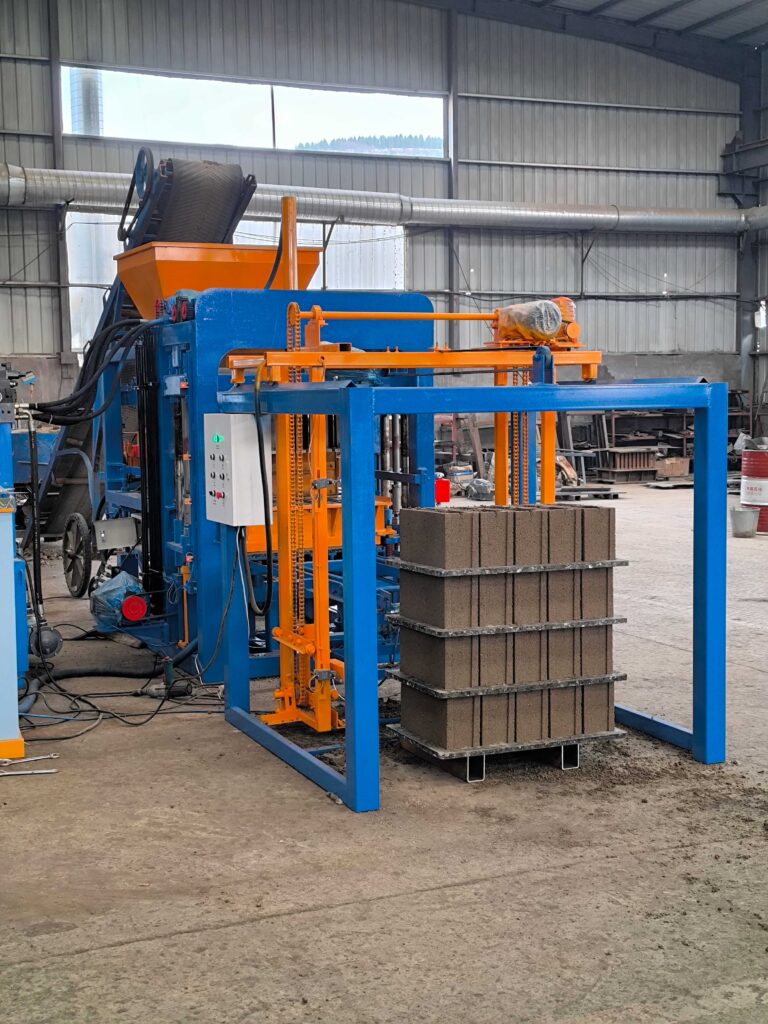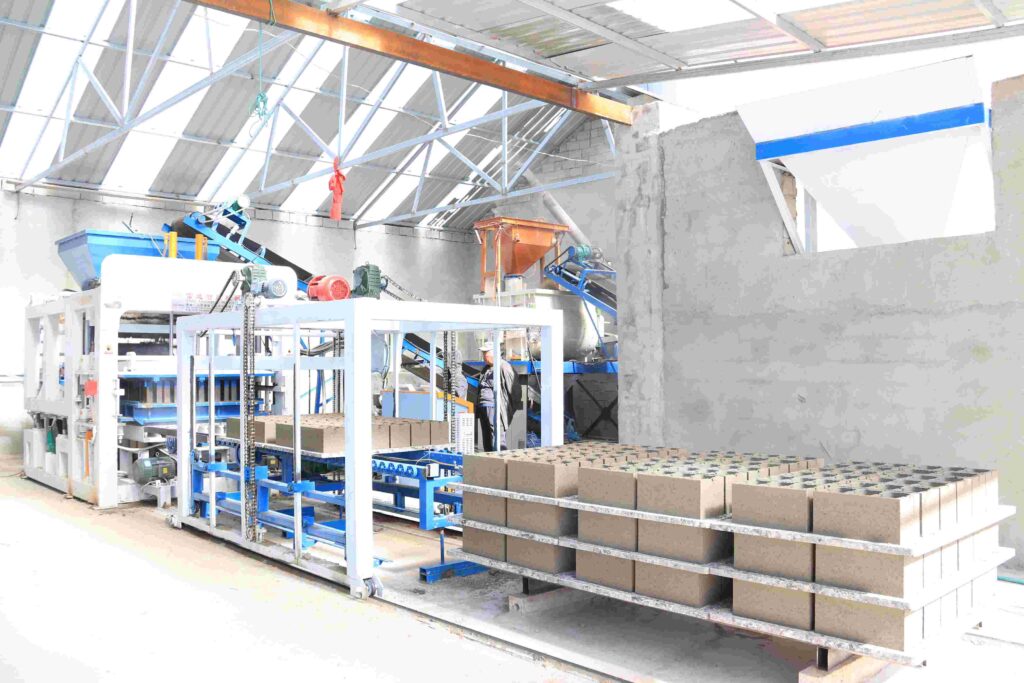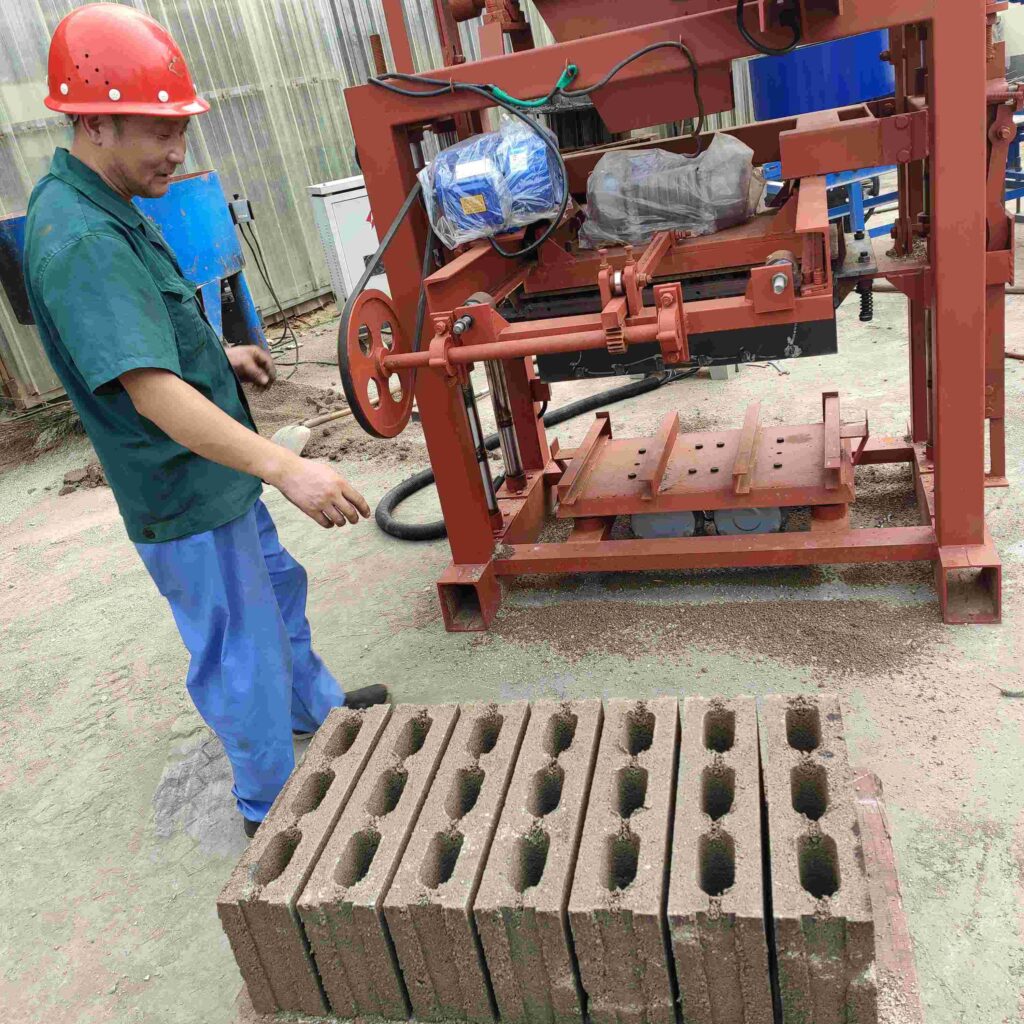
Автоматлашдырылан кирпіч өндіріш жүйелерінің құрылымдық шығындары
Giriş
Gurluşyk enjamlary pudagyndaky dilerler, satyjylar we satyn alyş hünärmenleri üçin, awtomatik kerpiç maşynlarynyň bahasy müşderileriň iň köp we çylşyrymly soraglarynyň biridir. Emma, göni pul mukdary diňe bir baha belgisi däl, eýsem jikme-jik maliýe we amaly çözümlere girijilik nokady bolup durýar. Awtomatik kerpiç maşynynyň bahasy üýtgeýän gurluşdyr, tehniki aýratynlyklar, önümçilik möçberi, awtomatlaşdyrylyş derejesi we goşmaça goldaw ulgamlar ýaly faktorlar bilen täsirlenýär.
Инвестицияны деконструкциялау: Негизги чыгымдардын себепчилери
Автоматлаштырылган керпич машинасынын багасы эркин белгилененок; бул анын инженерлик долурышлыгы, жумшаляр мумкинчиликлери ве гетирян гийметинин гонудогы чагылдырылышыдыр. Негизий белгилейжилер ичинде:
- Önümçilik kuwwaty we önüm çykdysy klasy
- Машинанын долабыры, сағатына ýa-da 8 sagatlyk smenada hasaplanylýan kerpiç ýa-da blok sany, esasy çykdajy köpeltmekdir. Maşynlar giňden kategoriýalaşdyrylýar:
- Башлангыч/Кичинекей Автоматтар:Bir çalşykda 1000-den 3000-e çenli blok çykarylýar. Bular köplenç ýönekeý awtomatizasiýa (awtomatik basyş, ýönekeý palet iýmiti) we has kiçi enjam meýdany bilen tapawutlanýar. Awtomatik bahalandyrmanyň aşaky derejesini görkezýär, ýöne ýarym-awtomatik işden ep-esli gowulandyrmany hödürleýär.
- Orta göwrümli senagat ulgamlary:Smenada 3000-den 8000 bloka çenli önümçilik. Bu iň ýaýran täjirleýin aralyk bolup, güýçli gidrawliki sistemalar, integirlenen material iýmitlendirijiler we köplenç ýarym awtomatik ýa-da doly awtomatik palet aýlanmak sistemasy bilen üpjün edilýär. Olar girdeýli blok meýdançalarynyň esasy bölegini emele getirýär.
- Uly Göwrümli/Çalt Tizlikli Önümçilik Setirleri:Her smenada 8,000-den gowrak we 20,000+ bloka ýetýän önümçilik göwrümi. Bular, çylşyrymly PLC dolandyryşlary, robot palet işleýişleri, köp gatlakly ýygnaýjylar we käwagt birleşdirilen garyşdyryjylar we konweýerler bilen doly, birleşdirilen zawodlardyr. Bu derejedäki integrasiýa we tizlik bilen bahalar ep-esli ýokarlanýar.
- Машинанын долабыры, сағатына ýa-da 8 sagatlyk smenada hasaplanylýan kerpiç ýa-da blok sany, esasy çykdajy köpeltmekdir. Maşynlar giňden kategoriýalaşdyrylýar:
- Awtomatizasiýanyň derejesi we çylşyrymlylygy
- "Awtomatik" bir spektrdir. El boş işlemänin her bir gatlagy bilen çykdajylar artýar:
- Esas Awtomatik PressDiňe basma we çykarma siklyny awtomatlaşdyrýar. Material iýmitlendirme we palet işlemi heniz el bilen ýa-da ýarym awtomatiki bolup biler.
- Doly Awtomatik Maşyn Palet Sirkulýasiýasy Bilen.Matbaa boş palletleri girizmek we ýüklengen palletleri konweýere çykarmak üçin awtomatiki ýapyk aýlawly ulgamyny öz içine alýar. Bu hakyky awtomatizasiýa üçin adaty bir zat.
- Doly Otomatlaşdyrylan LiniýaMaterialyň awtomatlaşdyrylan paýlanmagyny we garylmagyny, konweýer arkaly pres gaba geçirilmegini, presiň özüni, awtomatlaşdyrylan bejeriş gaplaýjylaryny/endirijilerini we käwagt robot gaplamany öz içine alýar. Her goşmaça modul kapital çykdajylaryny artyrýar.
- "Awtomatik" bir spektrdir. El boş işlemänin her bir gatlagy bilen çykdajylar artýar:
- Makinanyň Spesifikasiýalary we Gurluş Hilini
- Техник спецификациялар гөрелдесиз дайымлылыгы, саклык чыкдайларыны ва умруны тәсир етйәр.
- Бирелуýçi Kuwwaty (Ton):150 tonlyk press, 60 tonlyk pressden ep-esli gymmat bolar, sebäbi ol has uly silindrler, agyr rama we güýçli gidrawlik ulgamy bilen üpjün edilýär.
- Komponentiň Hil Derejesi The origin and brand of core components like the PLC (Siemens, Mitsubishi, etc.), hydraulic pumps and valves, electrical motors, and bearings affect both initial cost and long-term reliability. Premium components command a premium price.
- Construction and Materials: The thickness of steel plate in the frame, the quality of weldments, and the use of hardened and chromed mold components all contribute to the machine’s price and its resistance to wear in an abrasive industrial environment.
- Техник спецификациялар гөрелдесиз дайымлылыгы, саклык чыкдайларыны ва умруны тәсир етйәр.
- Product Versatility and Tooling
- A machine capable of producing multiple product types (solid blocks, hollow blocks, pavers, interlocking blocks) through quick mold change systems will be more expensive than a dedicated single-product machine. The initial purchase may include only one or two mold sets; additional molds are a separate, recurring capital cost that must be factored into the total project investment.
The Pricing Spectrum: From Entry-Level to Turnkey Plants
Providing context is more valuable than a single number. Investment ranges can be conceptualized as follows (Note: These are illustrative ranges and can vary widely by region and manufacturer):
- Entry-Level Automatic Systems: $5,000 – $10,000
- Typically includes a basic automatic press with a simple feeder and perhaps a pallet feed table. Suitable for small businesses entering automated production. May require considerable manual intervention for material and product handling.
- Mid-Range Industrial Workhorse Systems: $10,000 – $20,000
- Encompasses robust, fully automatic machines with reliable pallet circulation, good production capacity (3,000-6,000 blocks/shift), and standardized components. This range represents the core offering for established block manufacturers and represents the best balance of performance and investment for many SMEs.
- High-Capacity Integrated Production Lines: $20,000 – $50,000+
- For serious industrial producers. This price bracket includes high-speed machines with advanced controls and, critically, integrated auxiliary equipment: automated batching plants, twin-shaft mixers, conveyor networks, and automated curing handling systems (stackers/descenders). The price reflects a complete production solution, not just a machine.
Стикер бағасынан тыс: Иелік жалпы құны (ИЖҚ)
An informed distributor guides the client to evaluate the Total Cost of Ownership, which dictates true profitability.
- Initial Capital Expenditure (CapEx)
- This is the purchase price of the machine and essential auxiliary equipment (mixer, conveyor, pallets). It also includes costs for shipping, installation, commissioning, and operator training.
- Operational Expenditure (OpEx)
- The ongoing costs of running the machine:
- Energiýa sarp edişi: A significant variable cost based on local electricity rates and machine efficiency.
- Çig mal. Cost of aggregates, cement, pigments.
- Emegeý Reduced but not eliminated. Requires skilled technicians and machine minders.
- Serweşlik we Ýedek Bölümler: Regular servicing, replacement of wear parts (mold liners, hydraulic seals, vibrator mounts). A machine with cheaper initial cost but high, difficult-to-source spare parts can become a liability.
- Tooling (Mold) Replacement: Molds are consumables with a finite lifecycle.
- The ongoing costs of running the machine:
- The Critical Value of After-Sales Support
- The initial price must be evaluated alongside the cost and quality of after-sales support. This includes:
- Warranty Terms and Scope.
- Availability and Price of Spare Parts.
- Accessibility and Cost of Technical Support (remote and on-site).
- Quality of Documentation and Training.
A machine with a slightly higher initial price but backed by excellent, localized support often has a lower TCO due to higher uptime and longer lifespan.
- The initial price must be evaluated alongside the cost and quality of after-sales support. This includes:
Strategic Financial Considerations for Client Advisory
Distributors must equip clients to make a sound investment case.
- Building a Return on Investment (ROI) Model
- Guide clients to create a basic pro forma: Estimate annual production volume, assign a market value to the bricks, and subtract all projected OpEx. The net profit divided by the total CapEx provides a simple ROI timeframe. A quality automatic machine should typically aim for an ROI of 18 to 36 months based on efficient operation at reasonable capacity utilization.
- Assessing Financing and Cash Flow Implications
- Few clients pay entirely from cash reserves. Discuss financing options, leasing structures, or government grants for industrial equipment. The machine’s ability to generate consistent cash flow from production is key to servicing any debt.
- The Cost of Not Automating: A Competitive Analysis
- Frame the investment against the alternative. What is the client losing by sticking with manual or semi-automatic production? Calculate the higher labor cost per block, the lower and inconsistent output, the inability to fulfill large contracts, and the inferior product quality. The “cost” is often lost market share and constrained growth.
Netije
The question, “How much does an automatic brick machine cost?” is the beginning of a strategic conversation, not the end. For the distributor, the goal is to shift the client’s perspective from viewing the machine as a commodity purchase with a single price to understanding it as a capital investment with a multi-variable cost structure and a clear path to ROI.
The most effective sales approach is consultative: work with the client to analyze their target market, required production volume, available infrastructure, and financial capacity. Then, match them with a system whose capabilities—and price point—align with their business plan. By transparently discussing not just the initial price but the TCO, the value of support, and the financial model for success, distributors build immense trust and position themselves as long-term partners in their clients’ growth. In doing so, they transform a complex pricing question into a clear blueprint for profitability and competitive advantage in the construction materials industry.
Frequently Asked Questions (FAQ)
Q1: Is it possible to get a reliable automatic brick machine for under $10,000?
A: While entry-level machines are advertised in this range, extreme caution is advised. At this price point, machines often involve significant compromises: lighter structural frames, lower-quality hydraulic components, simplified PLCs, and minimal after-sales support. They may be suitable for very low-volume, intermittent production but carry high risks of frequent breakdowns, difficult-to-source parts, and short service life. For a business-critical asset, investing in a robust system from a reputable supplier in a higher tier is almost always more economical in the long run.
Q2: What percentage of the total project cost should be allocated to auxiliary equipment (mixer, conveyor, pallets)?
A: As a rule of thumb, for a fully functional production line, the auxiliary equipment can represent 30% to 50% of the total capital expenditure. A $100,000 automatic press might require an additional $40,000-$60,000 for a quality mixer, conveyor system, pallets (which are a significant recurring cost themselves), and a simple forklift or stacker. This must be budgeted from the outset to avoid a scenario where a client purchases a press but lacks the means to feed it or handle its output efficiently.
Q3: How does local manufacturing versus import affect the price and value proposition?
A:
- Locally Manufactured: May offer a moderate price advantage, easier and faster access to spare parts, and more responsive service. Technical documentation and training might be in the local language. The technology may sometimes be based on older, proven designs.
- Imported (from established manufacturing hubs): Often commands a premium price but may incorporate more advanced technologyvehigher-grade international components. The critical factor is the local presence and strength of the distributor’s after-sales network. An imported machine without strong local technical support is a high-risk investment.
Q4: What are the most common hidden costs that clients overlook?
A: Major hidden costs include:
- Site Preparation: Reinforced concrete foundation, three-phase electrical hookup, compressed air lines.
- Initial Spare Parts Kit: Beyond the basic toolkit, an inventory of common wear parts (seals, hoses, sensors) is essential to minimize downtime.
- Pallets: A full set of high-quality steel pallets for circulation is a substantial upfront cost.
- Installation & Commissioning Fees: These are sometimes quoted separately from the machine price.
- Ongoning Training: For new operators beyond the initial training.
Q5: Can the production output (blocks per hour) guarantee in the brochure be achieved in real-world conditions?
A: Brochure outputs are theoretical maximums under ideal conditions: perfect material consistency, immediate pallet supply, and zero downtime. Real-world sustainable output is typically 75-85% of the brochure figure. A prudent client plans their business model based on this adjusted output. Discuss “cycle time” with the manufacturer rather than just “bricks per hour,” and ask for references from existing clients about their actual production rates.